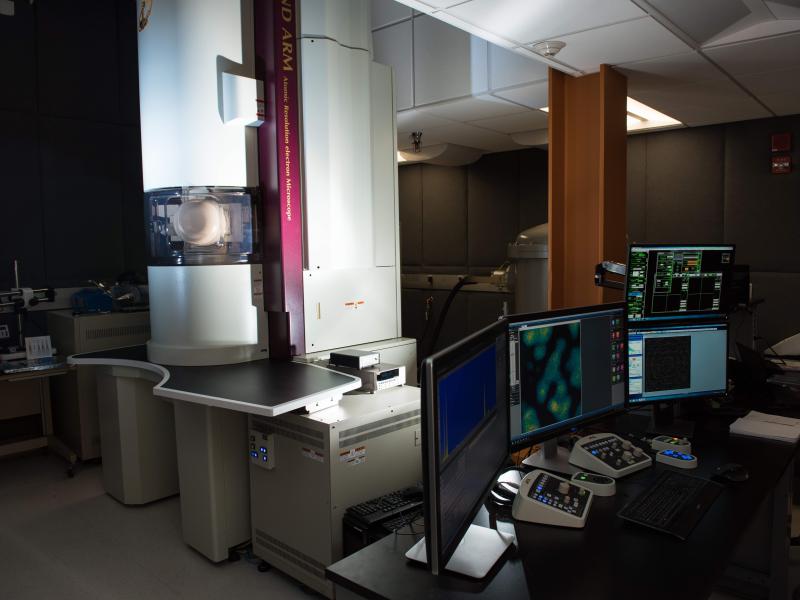
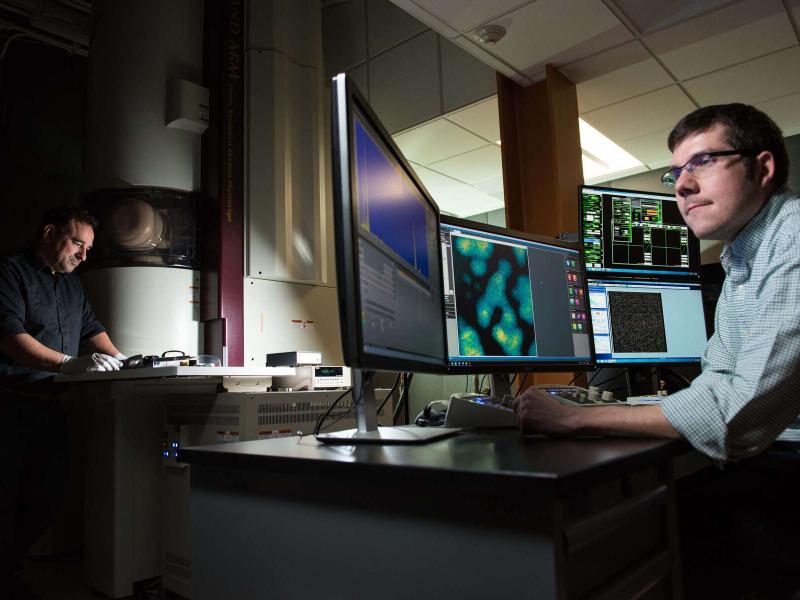
A multi-institute team develops an imaging method that reveals how uranium dioxide (UO2) reacts with air. This could improve nuclear fuel development and opens a new domain for imaging the group of radioactive elements known as actinides.
The ANS award will be presented at the Global Top Fuel 2019 Conference this September in Seattle, and comes amid several recent recognitions for Paviet.
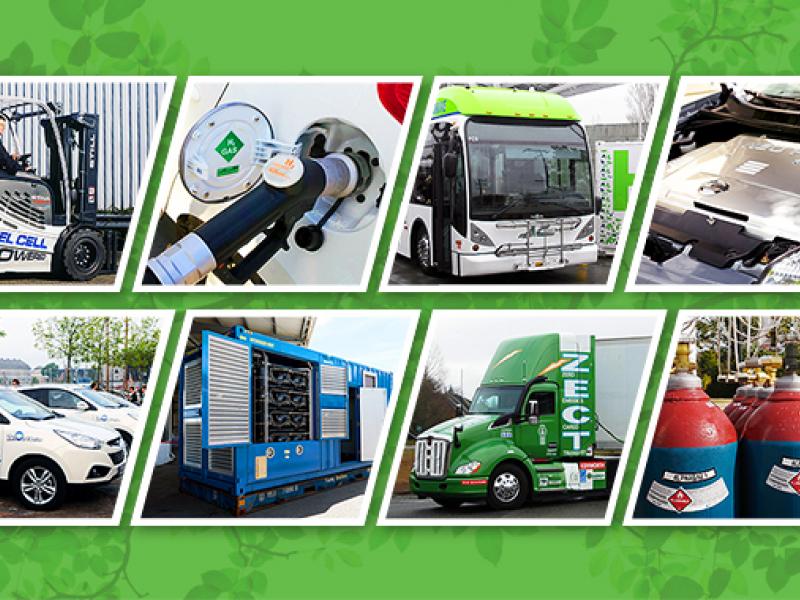
Researchers at the Department of Energy’s Pacific Northwest National Laboratory and Sandia National Laboratories have joined forces to reduce costs and improve the reliability of hydrogen fueling stations.
PNNL researchers demonstrate how the excitation of oxygen atoms that contributes to better performance of a lithium-ion battery also triggers a process that leads to damage, explaining a phenomenon that has been a mystery to scientists.
A new PNNL tool makes it easy to see the differences across the country when it comes to the cost and affordability of electricity. Users can sort and compare nearly 100 metrics or variables and get individual county information.
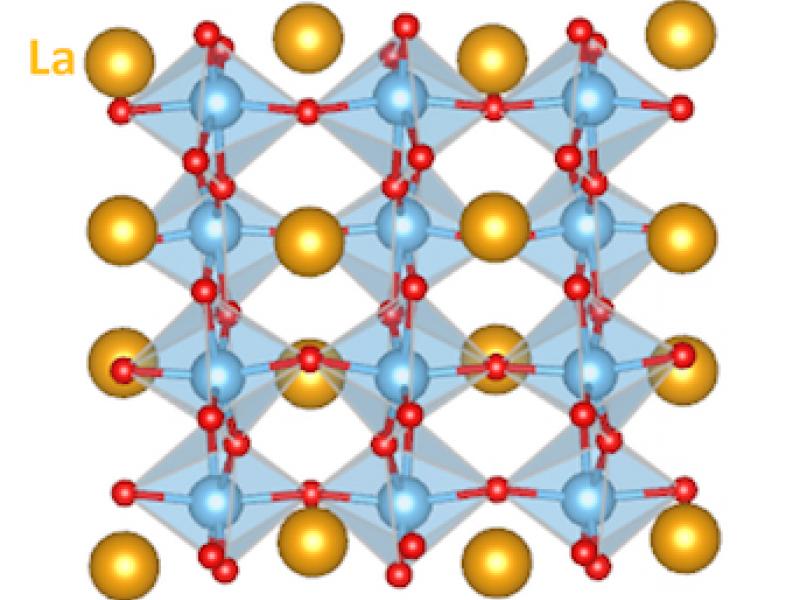
Researchers apply numerical simulations to understand more about a sturdy material and how its basic structure responds to and resists radiation. The outcomes could help guide development of the resilient materials of the future.
PNNL researchers are developing and evaluating bat tagging and tracking tools that will help design solutions to protect the bat population from wind turbines.
The U.S. Nuclear Regulatory Commission, U.S. Army Corps of Engineers, and PNNL partnered to complete—in record time—an environmental impact statement for the nation’s first small modular nuclear reactor, to be sited at Clinch River, Tenn.
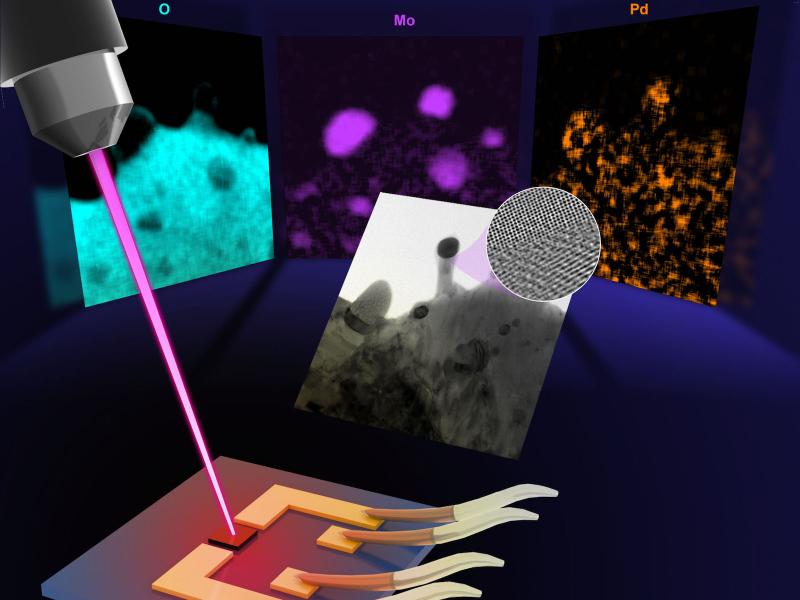
It’s hot in there! PNNL researchers take a close, but nonradioactive, look at metal particle formation in a nuclear fuel surrogate material. What they found will help fill knowledge gaps and could lead to better nuclear fuel designs.
Josef "Pepa" Matyas, a materials scientist in PNNL’s Nuclear Sciences Division, has been elected a fellow of the American Ceramic Society (ACerS). He will be recognized at the ACerS annual meeting on September 30, 2019, in Portland, Ore.
Researchers used novel methods to safely create and analyze plutonium samples. The approaches could prove influential in future studies of the radioactive material, benefitting research in legacy, national security and nuclear fuels.
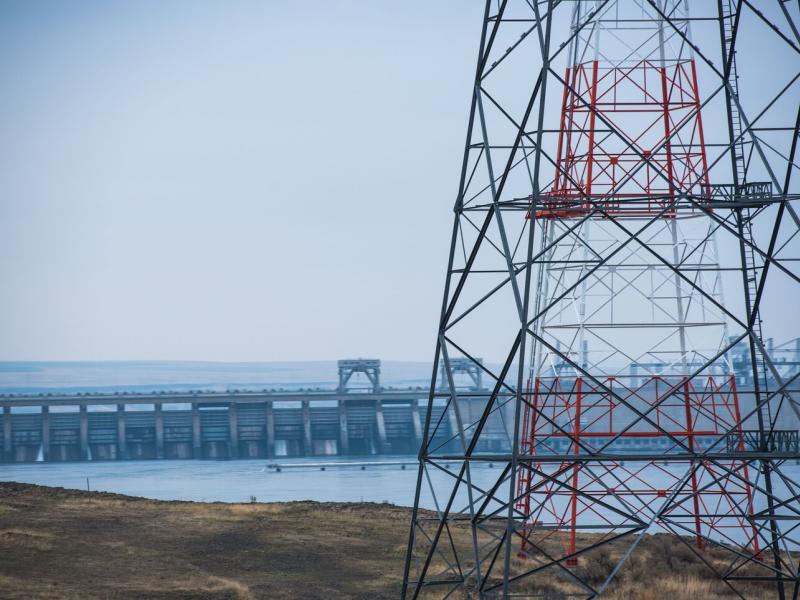
Researchers at PNNL used key metrics to develop visualizations that show how the combined effects of climate change on hydropower and load influence the frequency, duration, and severity of power shortfalls.
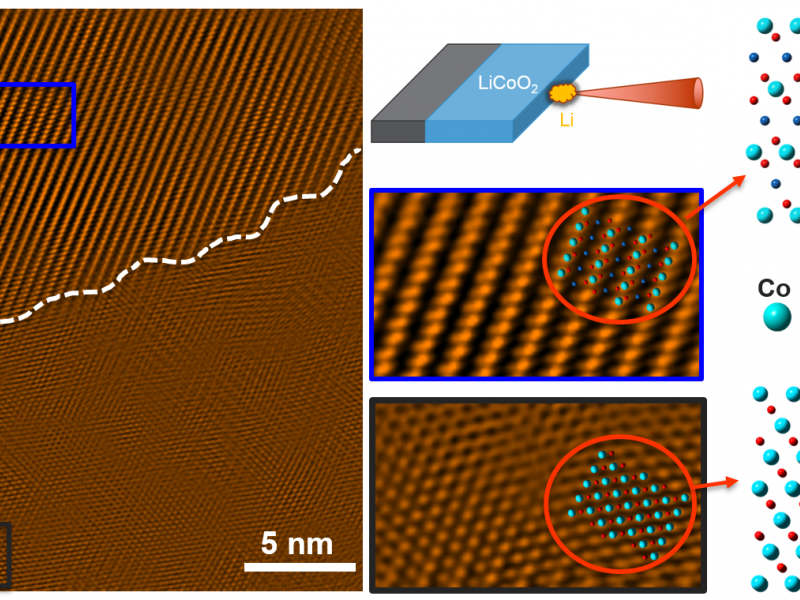
A recent study pinpointed the reaction front where lithium (Li) dendrites can come into contact with cathode materials. It also detailed the Li propagation pathway and reaction steps that lead to cathode failure.