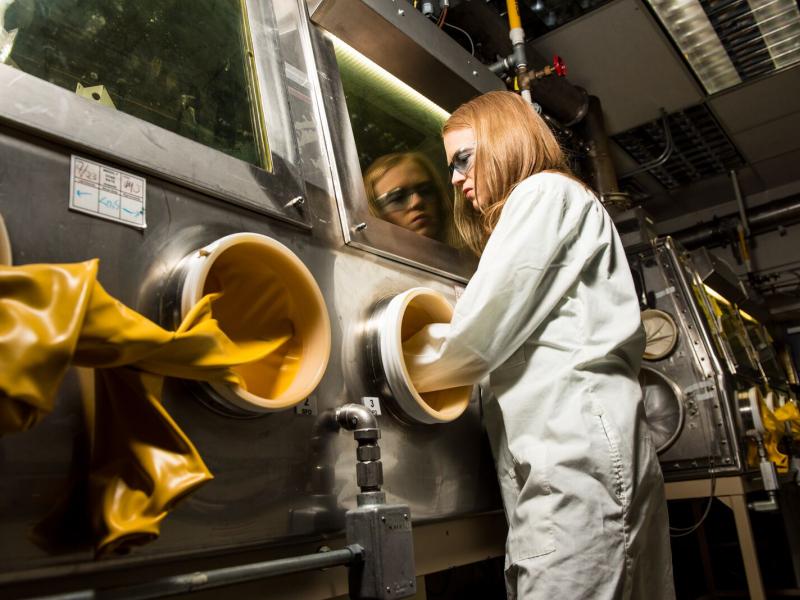
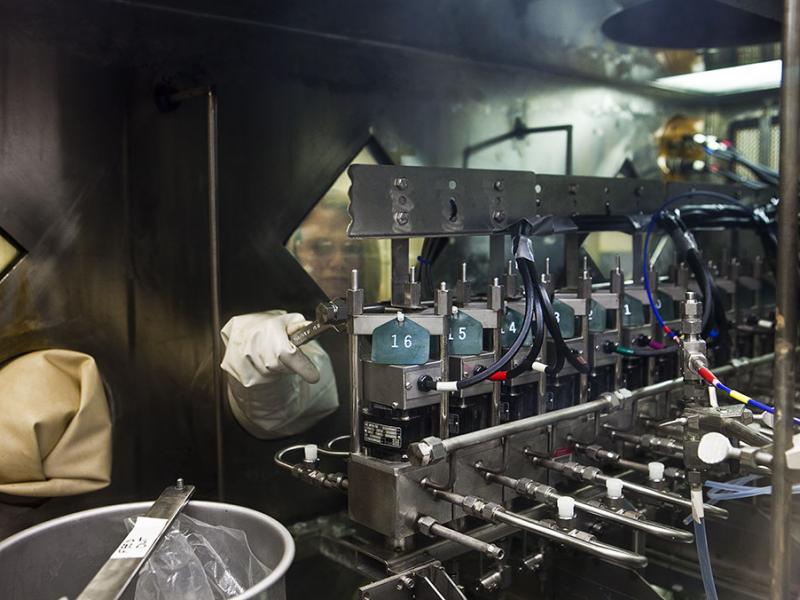
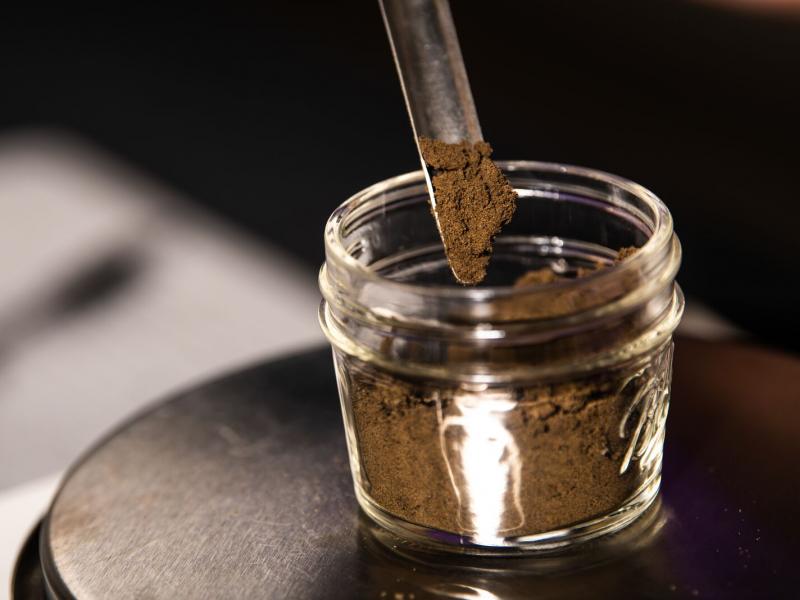
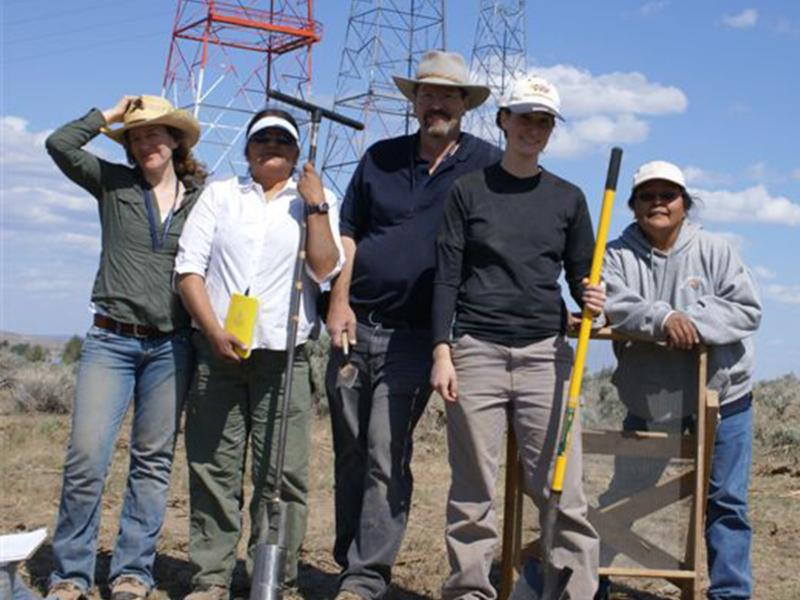
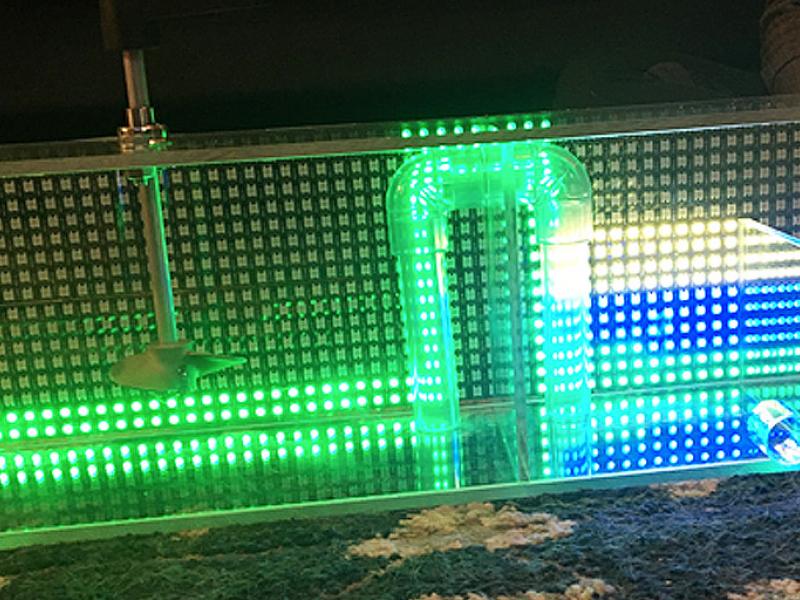
In 2020, virtual Washington State University teams successfully worked together in a program sponsored by the National Nuclear Security Administration’s (NNSA) Office of International Nuclear Safeguards.
Klymyshyn was recognized as “Engineer of the Year” by the American Society of Mechanical Engineers, Columbia Basin Section for his technical, professional, and community contributions.
Beginning in 2021, PNNL chemical physicist Bruce Kay begins a three-year term as an AVS trustee, part of a six-member committee responsible for overseeing the administration of student scholarships and major society awards.
Magazine cover article—“Combating corrosion in the world’s nuclear reactors”—features PNNL research leaders Mark Nutt, Aaron Diaz, and Mychailo Toloczko.
PNNL’s Steven Spurgeon, a materials scientist, was recently elected leader of the Microscopy Society of America (MSA) aberration-corrected microscopy focused interest group.
Researchers at Pacific Northwest National Laboratory (PNNL) are closer to understanding how iron may pave the way for sequestration of technetium-99 contaminants in the subsurface.
Infusing data science and artificial intelligence into electron microscopy could advance energy storage, quantum information science, and materials design.
In recognition of Nuclear Science Week on Oct. 19-23, Pacific Northwest National Laboratory reflects on more than half a century of advancing nuclear science for the nation’s energy, environment, and security frontiers.
Five PNNL technologies were recently awarded six R&D 100 honors. The R&D 100 Awards, now in its 58th year, recognize pioneers in science and technology from industry, the federal government, and academia.
The American Society for Quality (ASQ) has recognized Laboratory Fellow and Pacific Northwest National Laboratory (PNNL) Statistician Greg Piepel with the William G. Hunter Award.
PNNL ocean engineer Alicia Gorton was invited to serve on the advisory board of the Department of Civil, Environmental, and Ocean Engineering at the Stevens Institute of Technology.
An international team used PNNL microscopy to answer questions about how uranium dioxide—used in nuclear power plants—might behave in long-term storage.