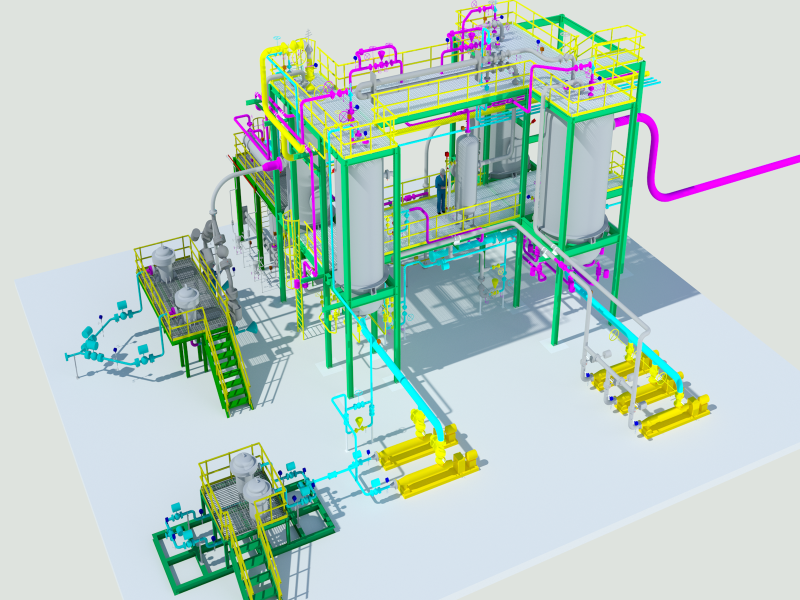
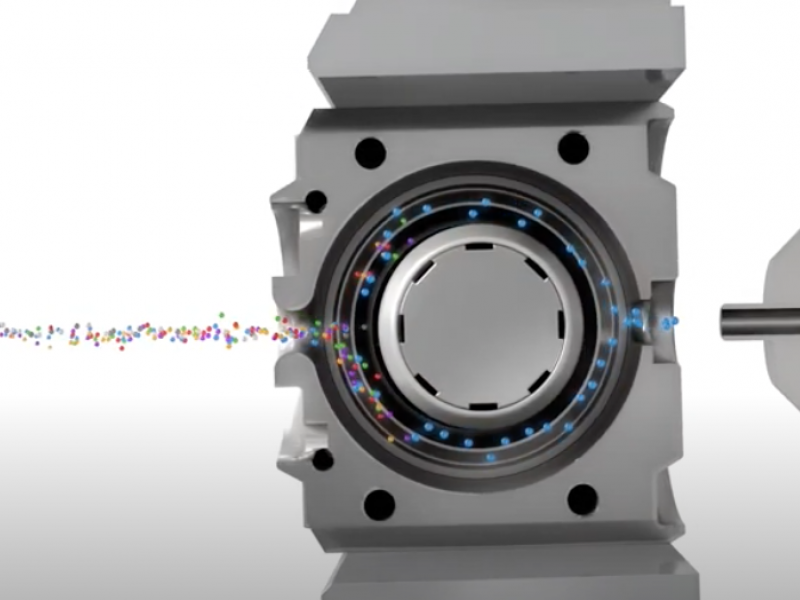
A PNNL innovation uses steam to recover heat from the high-temperature reactor effluent in the HTL process, substantially reducing the propensity for fouling and potentially reducing costs.
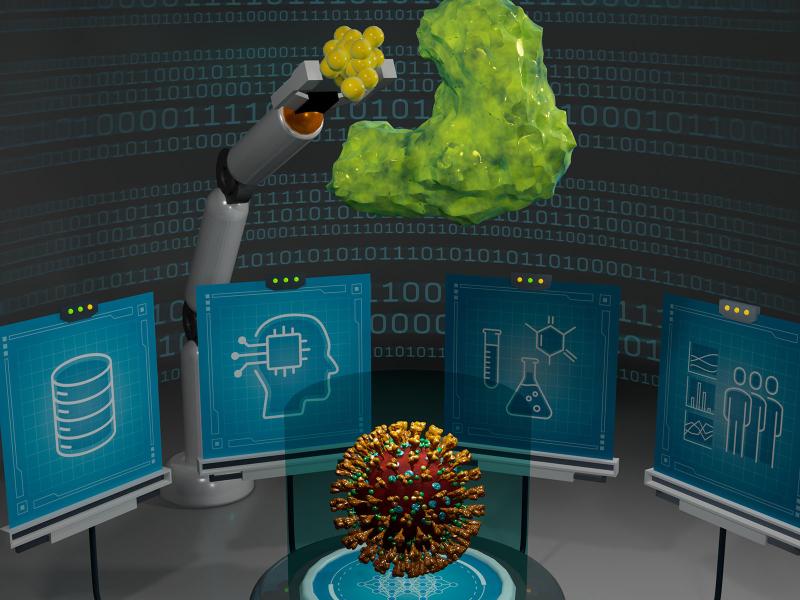
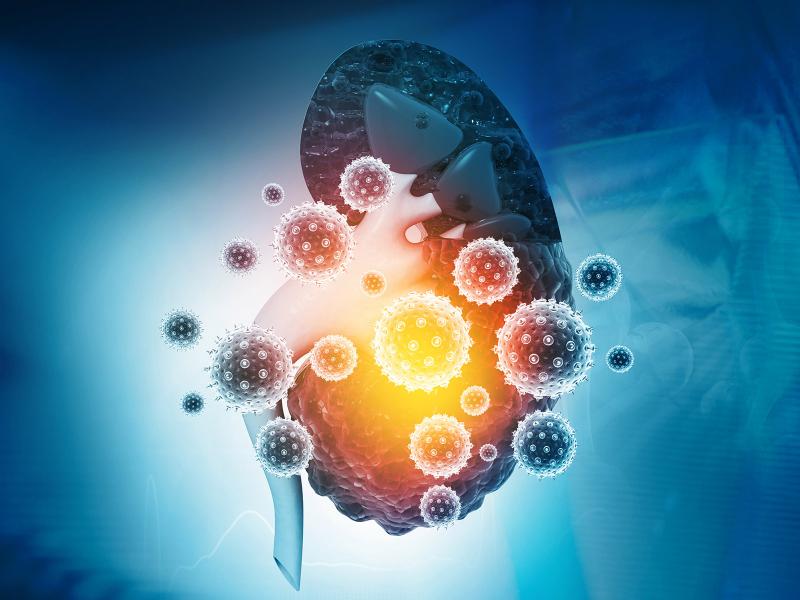
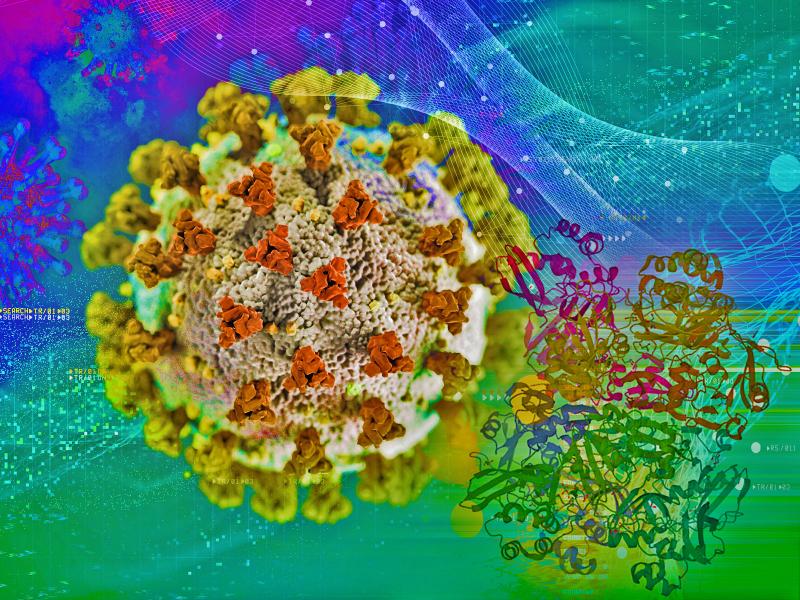
Data-driven autonomous technology to rapidly design and deliver antiviral interventions targeting SARS-CoV-2 to reduce drug discovery timeline and advance bio preparedness capabilities.
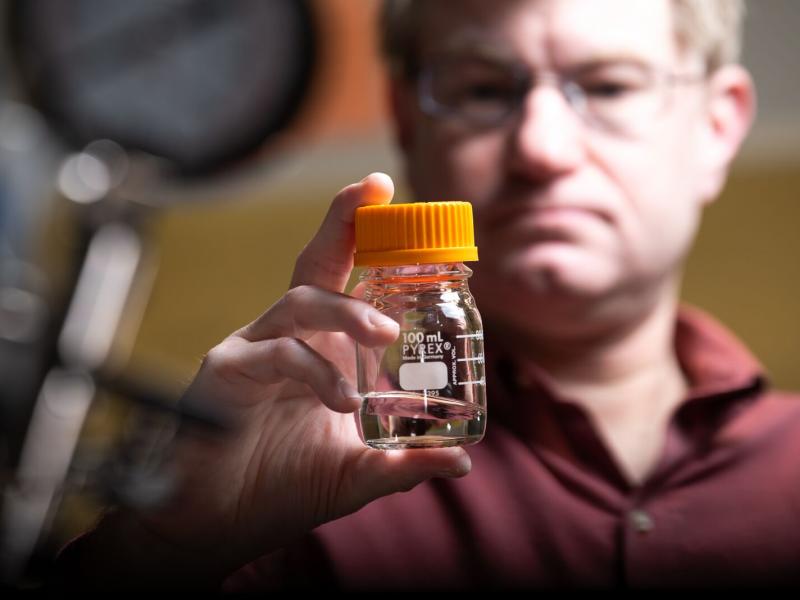
A process developed at PNNL that converts biomass and waste into a chemical intermediate or into gasoline, diesel, and jet fuel is available for commercial licensing.
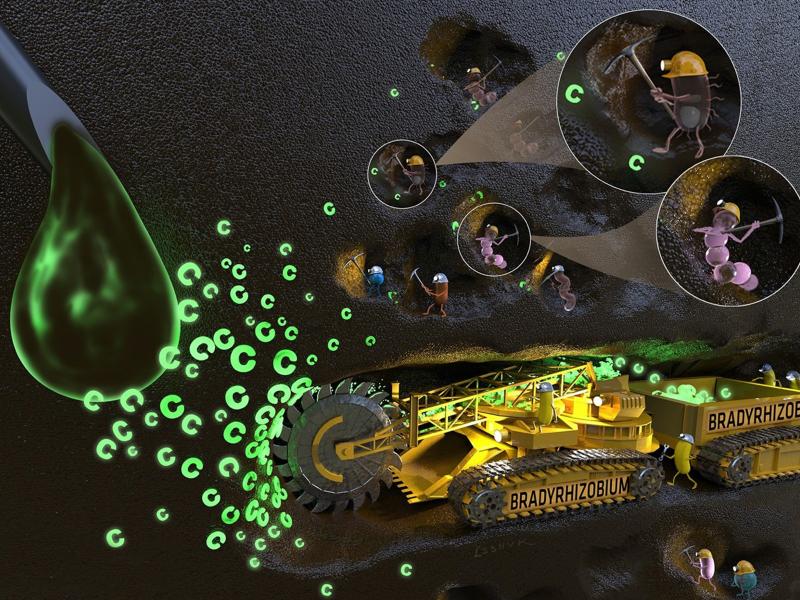
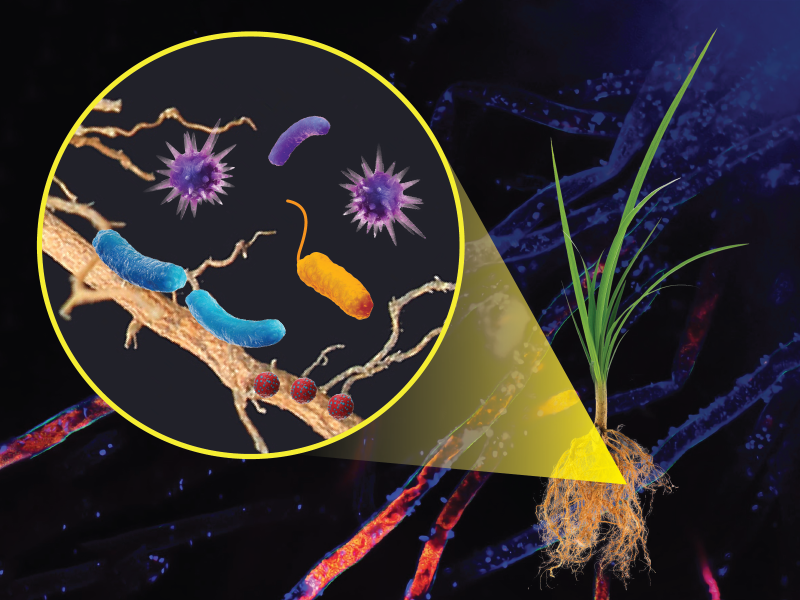
Knowing which bacteria in a community are involved with carbon cycling could help scientists predict how microbial carbon storage and release could influence future climate dynamics.
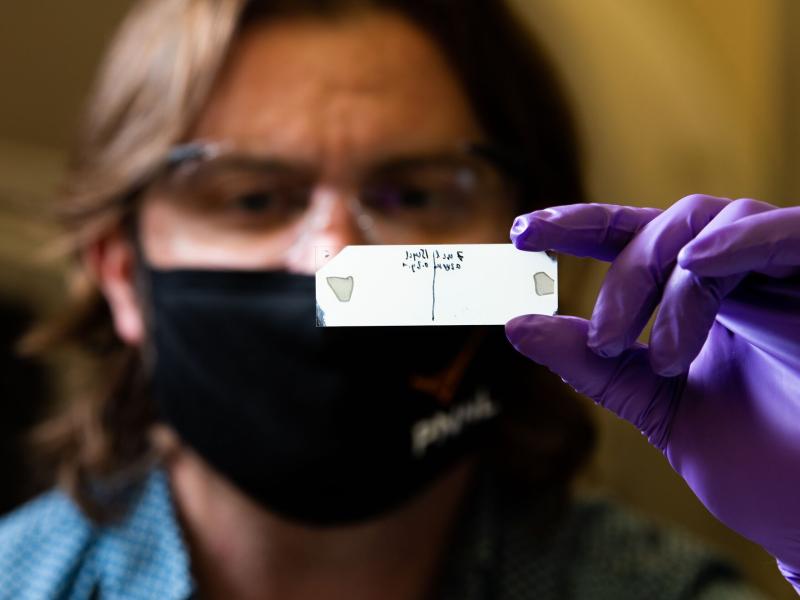
High-throughput biochemical assays targeting a vital viral protein identified one molecule out of more than 13,000 with promising antiviral activity against SARS-CoV-2.