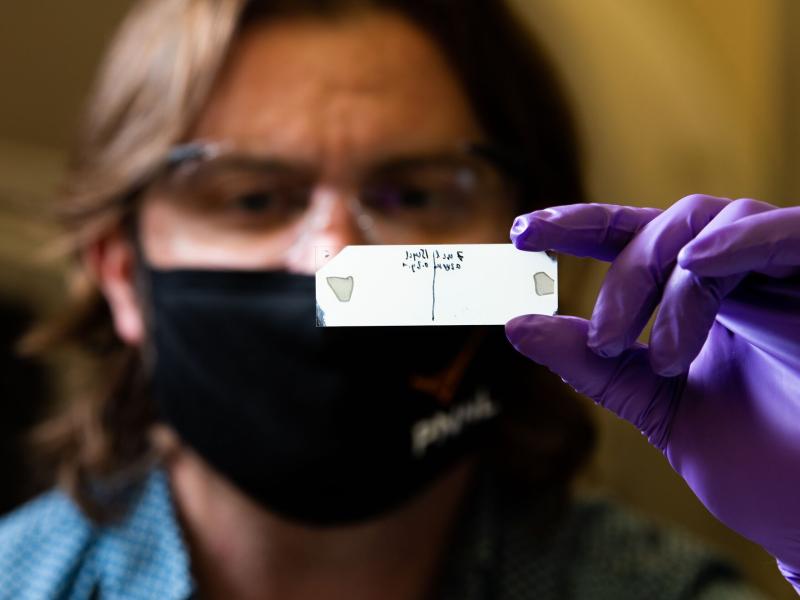
Gosline works to develop computational algorithms that are uniquely targeted for rare disease work by doing foundational research in model system development. This work can be expanded to all model systems in human disease.
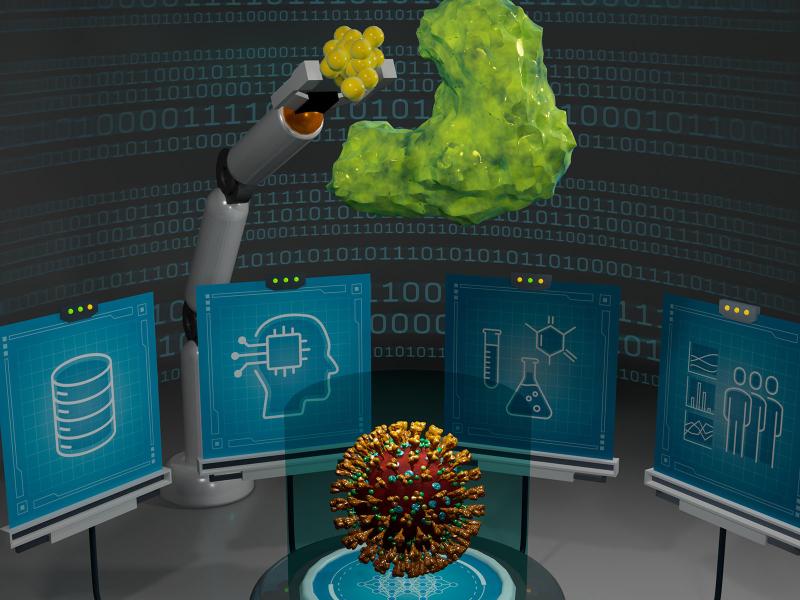
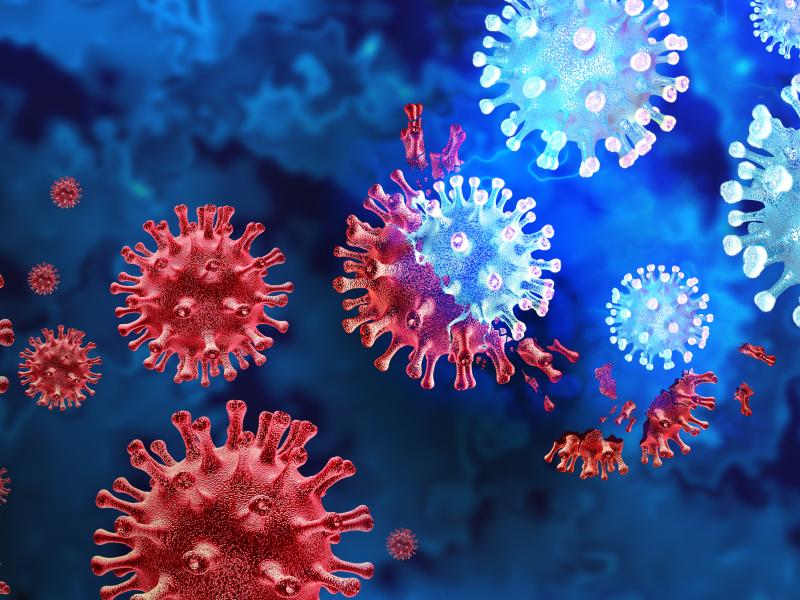
Data-driven autonomous technology to rapidly design and deliver antiviral interventions targeting SARS-CoV-2 to reduce drug discovery timeline and advance bio preparedness capabilities.
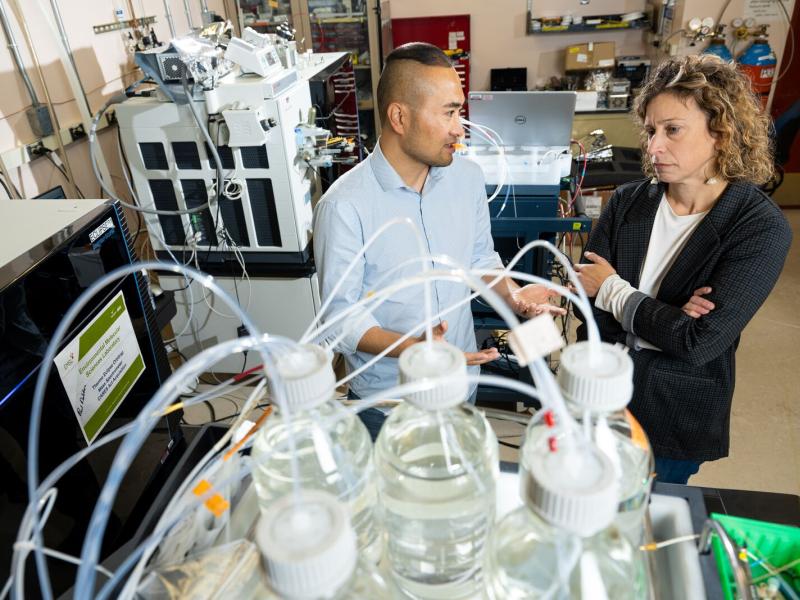
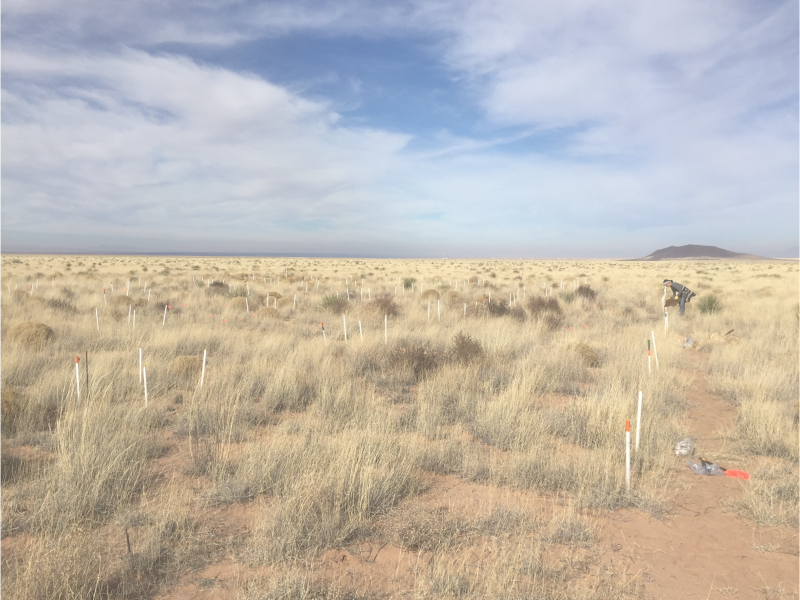
A team from the Environmental Molecular Sciences Laboratory published research, demonstrating that the soil microbes were directly involved in the stabilization of soil organic carbon and mineral weathering.
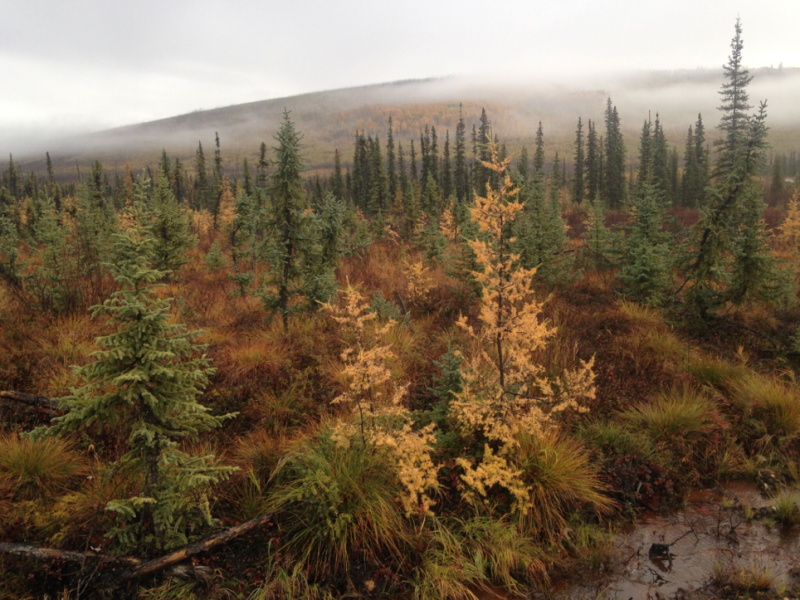
Microbes that were previously frozen in soils are becoming more active. This study demonstrates the diverse RNA viral communities found in thawed permafrost.
The Joint Appointment program at PNNL is one of the most diverse among other U.S. national laboratories, involving nearly 60 universities and research institutions in the United States and abroad.
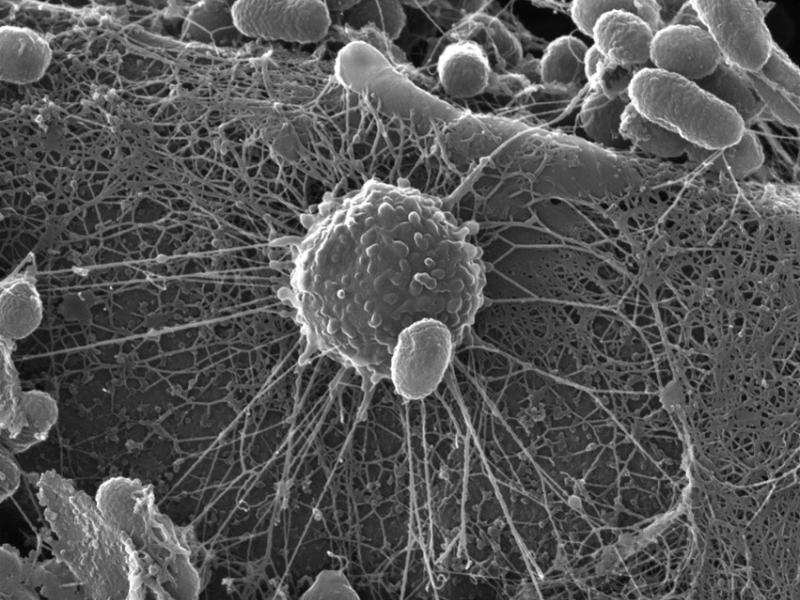
To thwart pathogens, researchers in the epidemiology field of infectious disease (ID) prediction are continuously trying to forecast when, where, and how an ID event will occur.
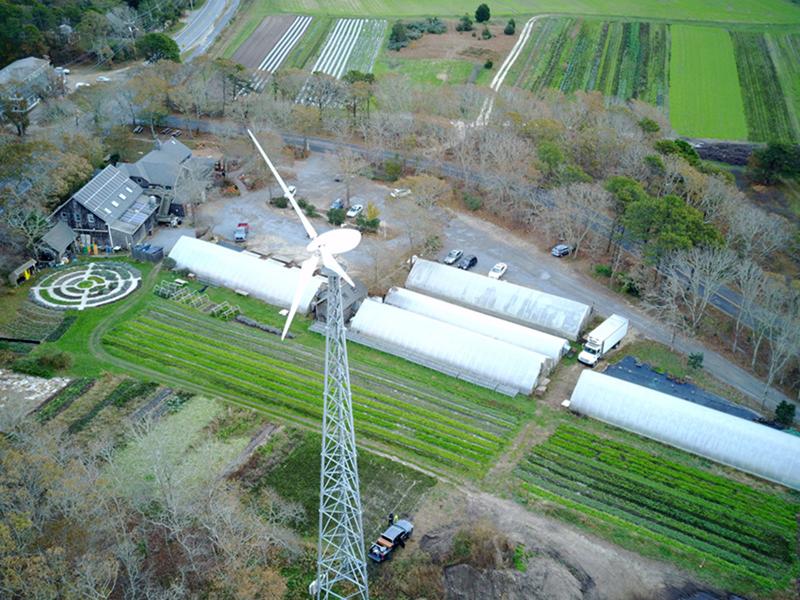
An evaluation of models and prediction tools for distributed wind turbines has unearthed data that can help potential users make the most informed decisions on upfront investments.
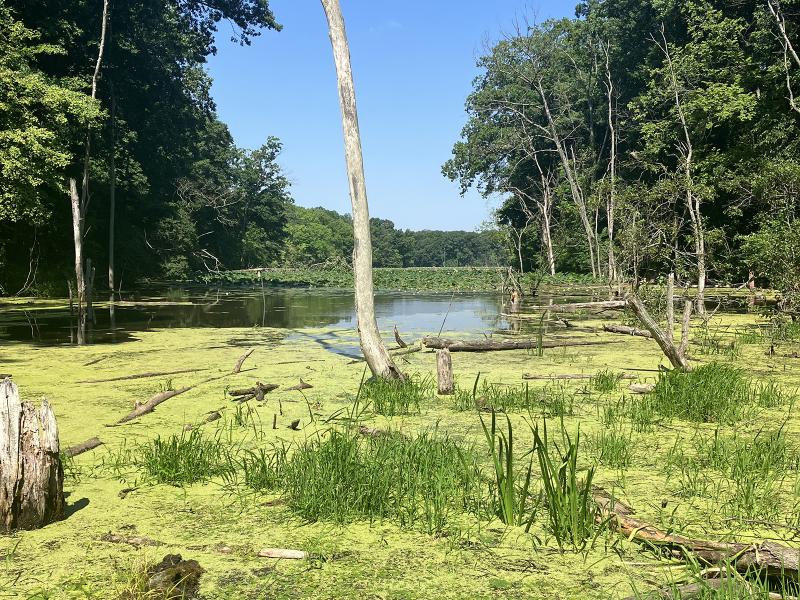
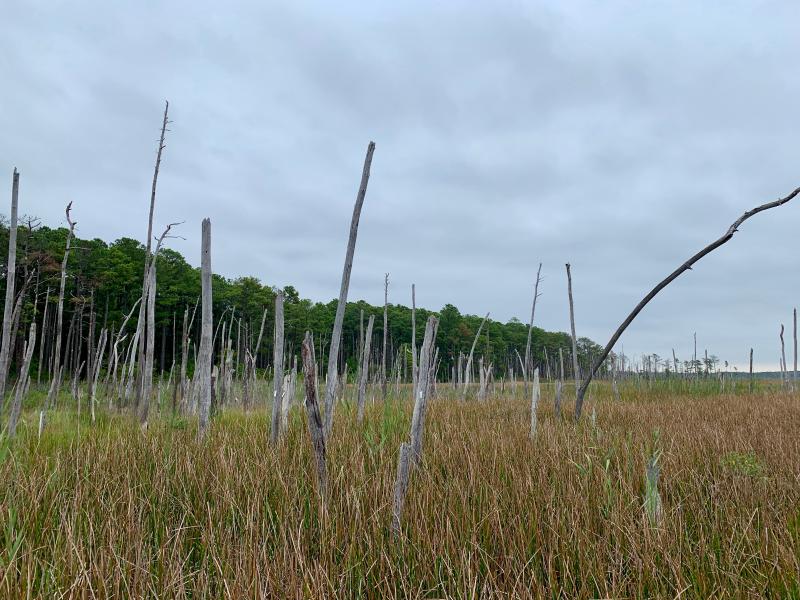
Across the United States, water moving between the river and riverbed sediments does not overcome localized processes that govern organic matter chemistry.
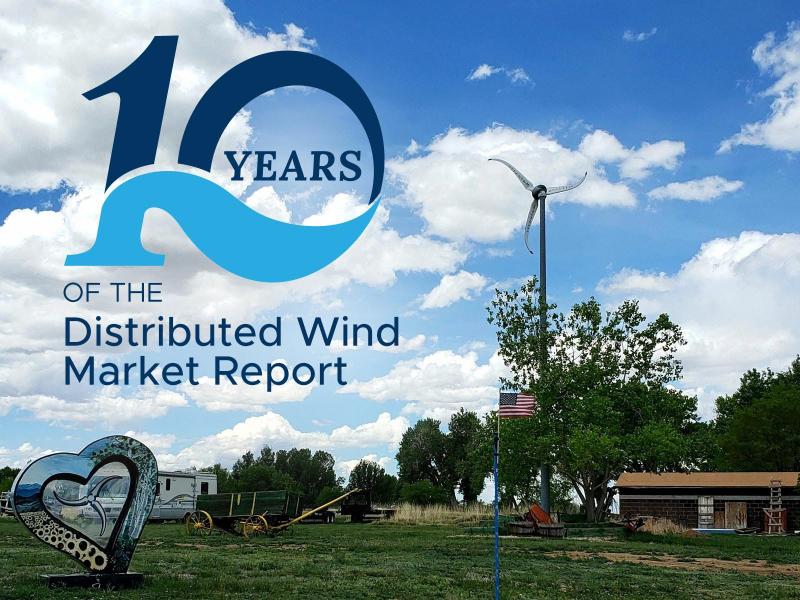
PNNL wind energy experts have published the Distributed Wind Market Report: 2022 Edition, supplying key findings that can help businesses, communities, and homeowners make informed decisions.