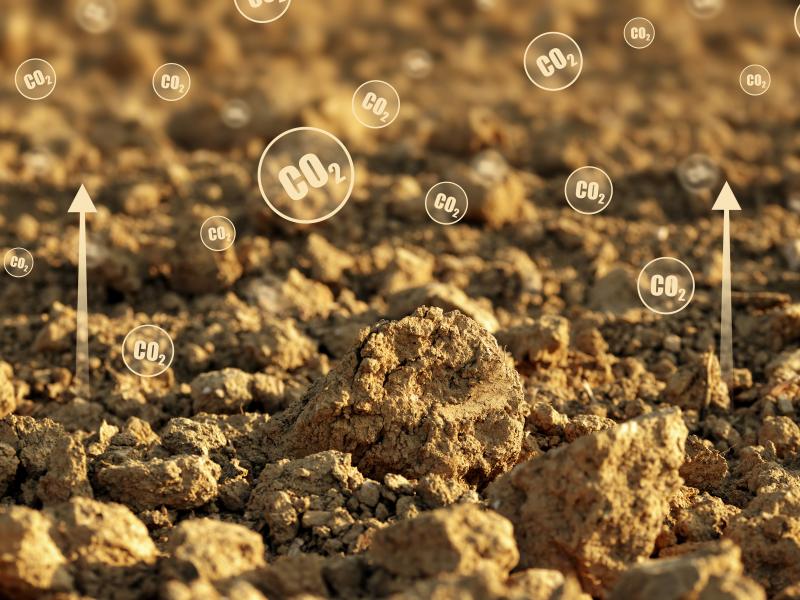
MARCH 2, 2022 Research Highlight Predicting How Soil Microbes Breathe: Diffusion Limitations Matter Study reveals importance of accounting for micrometer scale distribution of substrates to predict carbon emissions from soil. ( Read More )
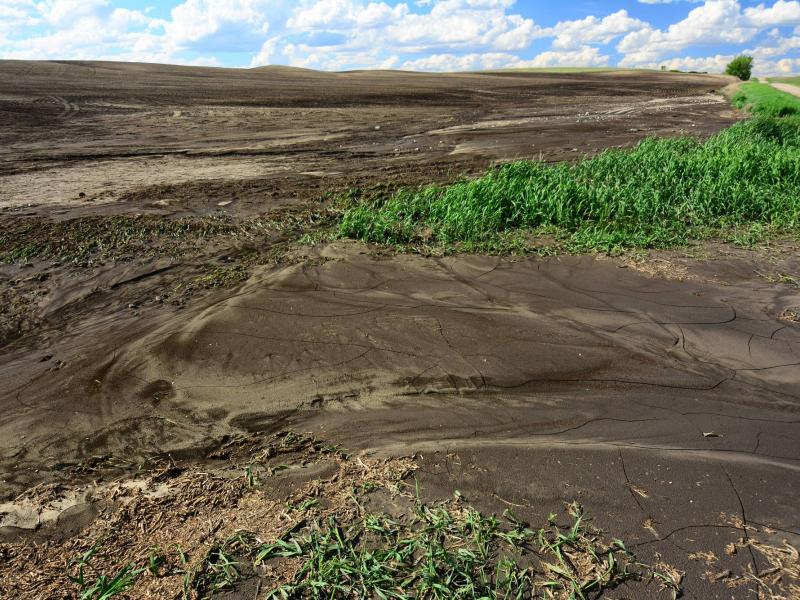
FEBRUARY 21, 2022 Research Highlight A Global Soil Erosion and Sediment Flux Model Developing a model for global soil erosion and sediment flux to advance understanding of land, river, and ocean geomorphology and biogeochemistry. ( Read More )
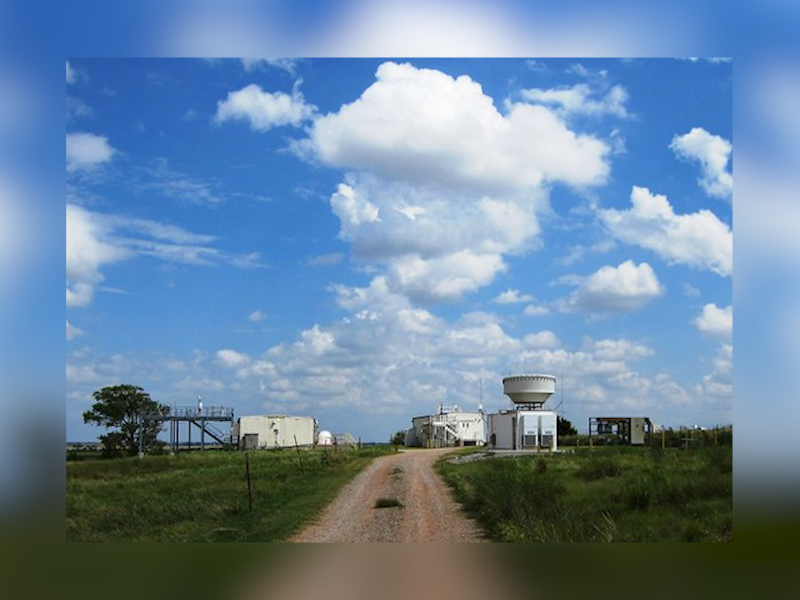
FEBRUARY 17, 2022 Research Highlight How Does Soil Water Make Eddies and Clouds Larger? Researchers are developing an understanding of how either wet or dry soil patches change the sizes of atmospheric eddies and cloud clusters. ( Read More )
FEBRUARY 11, 2022 Research Highlight Regional Hydroclimate Changes Shape Spatial Pattern of Future Lake Evaporation Increases The overlooked impact of regional hydroclimate changes on lake evaporation implies more robust regional lake volume changes around the globe. ( Read More )
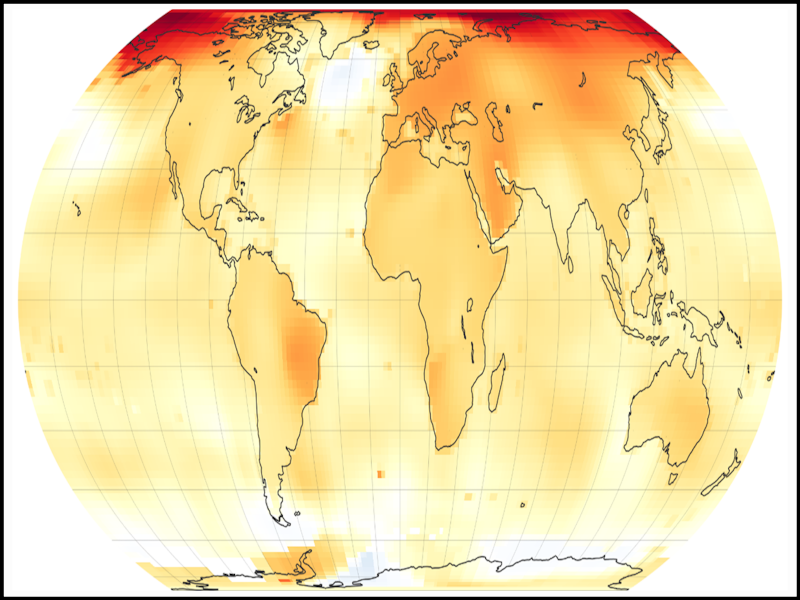
JANUARY 10, 2022 Research Highlight What Factors Contribute to Recent Rapid Wintertime Arctic Warming? Changes in the downward flow of infrared energy in clear skies are a key factor influencing recent rapid wintertime Arctic warming. ( Read More )
JANUARY 5, 2022 Research Highlight Identifying the Necessary Ensemble Size for Accurately Estimating Changes in Extremes Ensembles of 20–25 members, notably smaller than traditional large ensembles, can accurately represent changes in extremes of temperature and precipitation. ( Read More )
JANUARY 4, 2022 Research Highlight A 15+-Year-Old Problem Finally Resolved Researchers achieved the complete assignment of the infrared spectrum of a hydronium-water “magic number” cluster reported in Science in 2004. ( Read More )
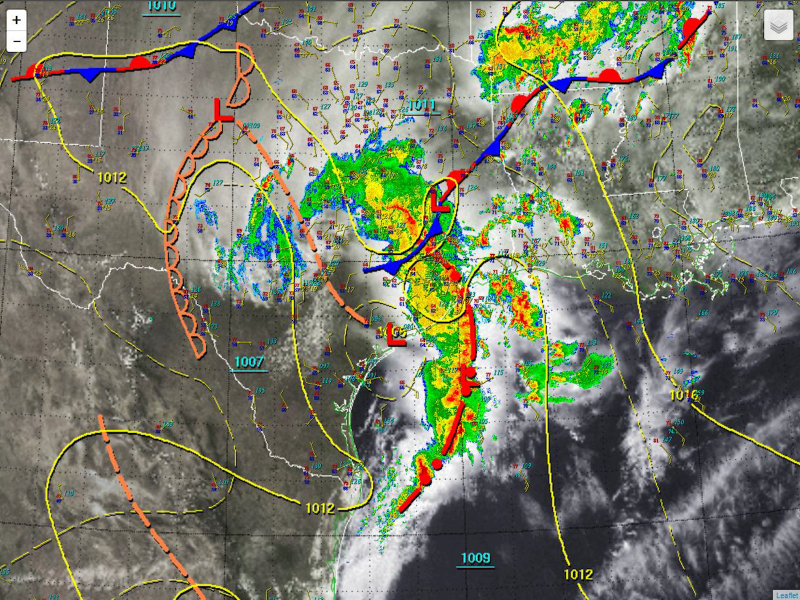
DECEMBER 21, 2021 Research Highlight Building a Theoretical Model for Thunderstorms over the Central United States Researchers developed a new model to understand the initiation of summer-time mesoscale convective systems over the central United States. ( Read More )
DECEMBER 21, 2021 Research Highlight More Accurately Representing Topography Impacts in Modeled Land Surface Processes Implementing and evaluating a new radiative transfer scheme that accounts for various topographic effects on solar radiation in an Earth system model. ( Read More )
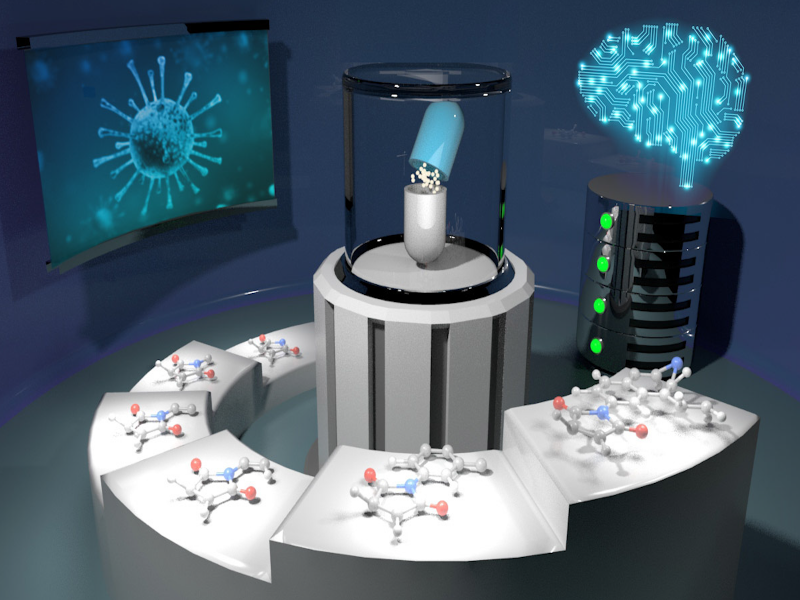
DECEMBER 21, 2021 Research Highlight 3D-Scaffold, a Deep Learning Approach to Identify Novel Molecules for Therapeutics A multi-institutional team has developed a deep learning framework to identify novel molecules as drug candidates. ( Read More )
DECEMBER 13, 2021 Research Highlight New Cloud Microphysics Improves the Simulation of Mesoscale Convective Systems Better representing cloud microphysics can Reduce model bias in simulating mesoscale convective system precipitation. ( Read More )
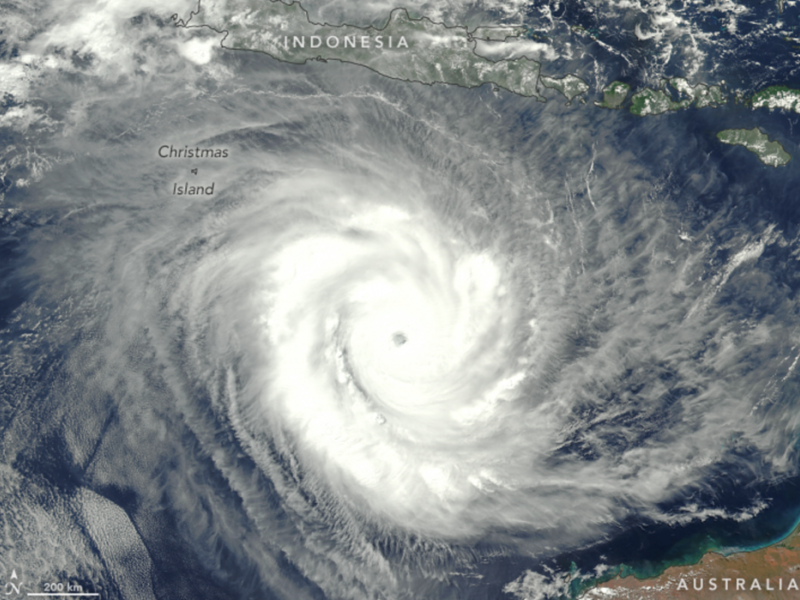
DECEMBER 6, 2021 Research Highlight Understanding the Oceanic Influence of the Madden-Julian Oscillation on Tropical Cyclones New analysis demonstrates that the Madden-Julian Oscillation can influence tropical cyclones in the Pacific through both the atmosphere and the ocean. ( Read More )
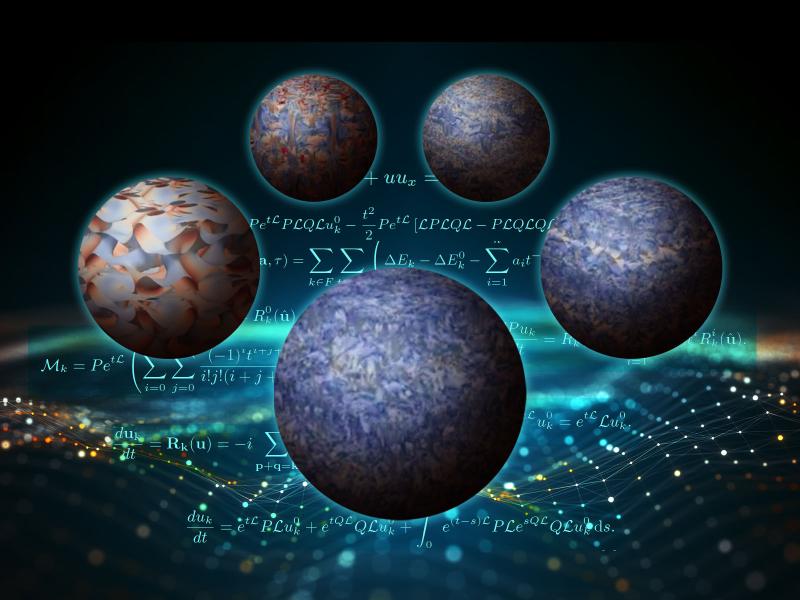
OCTOBER 7, 2021 Research Highlight Better Simulations for Multiscale Models PNNL researchers developed a way to produce accurate simulations of complex physical systems using renormalized approximations across multiple scales ( Read More )
SEPTEMBER 14, 2021 Research Highlight Increasing Tropical Cyclone Intensity Forecast Accuracy with a Deep-Learning-Based Model Scientists created a benchmark dataset and explored new algorithms to better predict changes in the intensity of North Atlantic tropical cyclones. ( Read More )
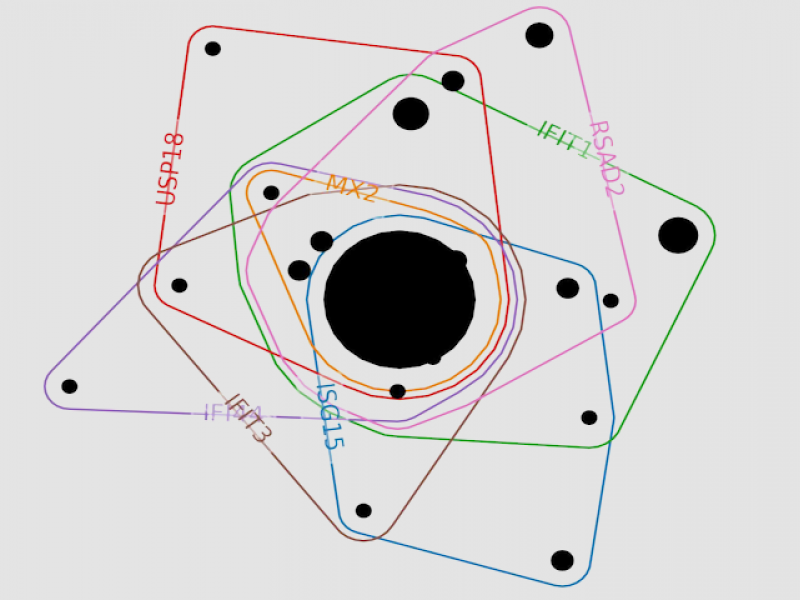
AUGUST 19, 2021 Research Highlight Revealing the Genes that Respond to Viral Infections Hypergraphs can more faithfully identify important genes in complex immune responses. ( Read More )
JULY 29, 2021 Research Highlight Software Searches, Sorts, and Visualizes Connections Between COVID Publications The web-based tool, called PLATIPUS, is publicly available and interacts with publications available in the CovidScholar database. ( Read More )
JULY 2, 2021 Research Highlight Using Explainable AI to Understand Key Wildfire Controls Seeking a deeper understanding of when, where, and why large wildfires occur using explainable artificial intelligence. ( Read More )
MAY 7, 2021 Research Highlight Deep Learning Uses Stream Discharge to Estimate Watershed Subsurface Permeability Researchers used deep learning methods to estimate the subsurface permeability of a watershed from stream discharge measurements. ( Read More )
JANUARY 4, 2021 Research Highlight Using Mathematical Rigor to Increase the Physical Realism of Models Rigorous mathematical methods can help avoid unnecessary simplifications in numerical models of atmospheric clouds. ( Read More )
JANUARY 4, 2021 Research Highlight Careful Mathematical Choices Help More Rapidly Reduce Errors in Simulations More accurate methods provide better results in numerical simulations of atmospheric clouds by avoiding accidental contradictions. ( Read More )