A new web-based tool provides easy-to-understand progress metrics and other data about groundwater cleanup sites overseen by the DOE Office of Environmental Management.
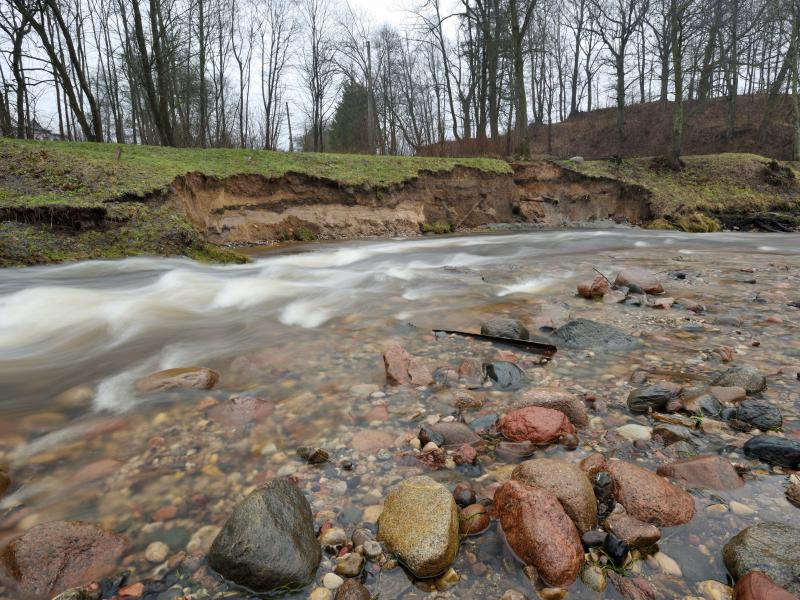
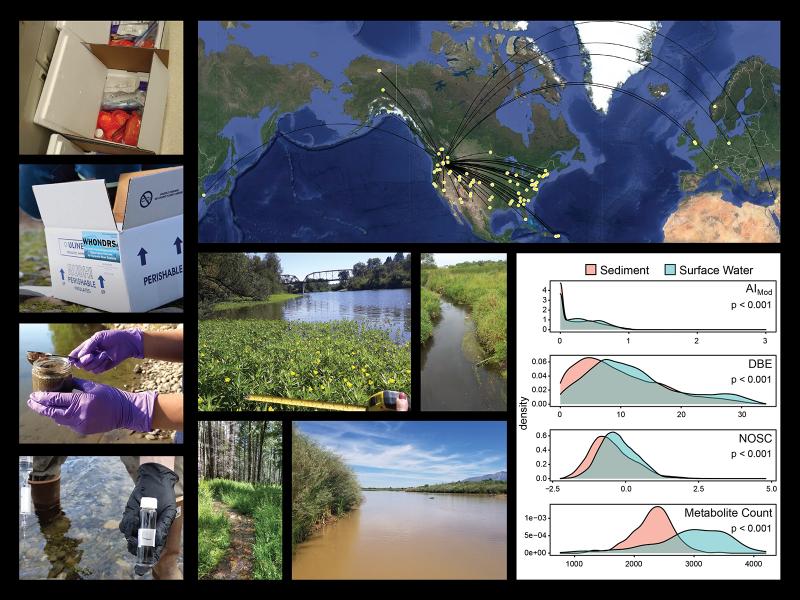
Across the United States, water moving between the river and riverbed sediments does not overcome localized processes that govern organic matter chemistry.
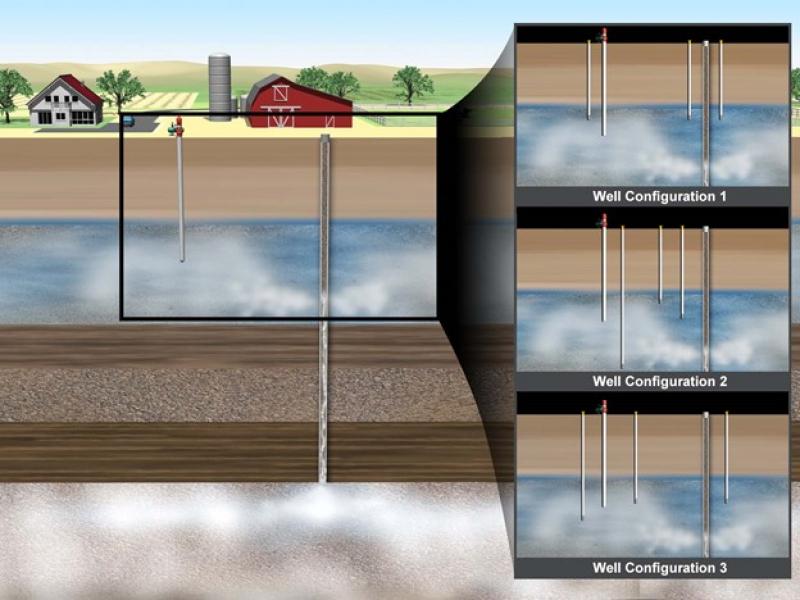
Updated flexible software generates and optimizes monitoring programs for detecting potential leaks from geological carbon storage with an enhanced user experience.
PNNL scientists have proposed an "adaptive site management" cleanup strategy for the Hanford Site's Central Plateau that incorporates a structured, flexible approach to environmental remediation.
ICON science is a Department of Energy-developed framework to enhance scientific outcomes via more intentional design of research efforts across all domains of science.
Developing conceptual models for microbial-environmental–ecosystem interactions is key to enhancing the ability of models to predict future ecosystem function.
Ocean biogeochemical modeling software now available as open source to help researchers predict impacts of pollution, sea level rise, and climate change.
Integrating hydrogeology and biogeochemistry are required to model the dynamics of geochemical processes occurring in river corridor zones where groundwater and surface water mix.
To study the impact of accelerated dryland expansion and degradation on global dryland gross primary production (GPP,) PNNL and Washington State University researchers assessed GPP data from 2000-2014 and the CMIP5 aridity index (AI).