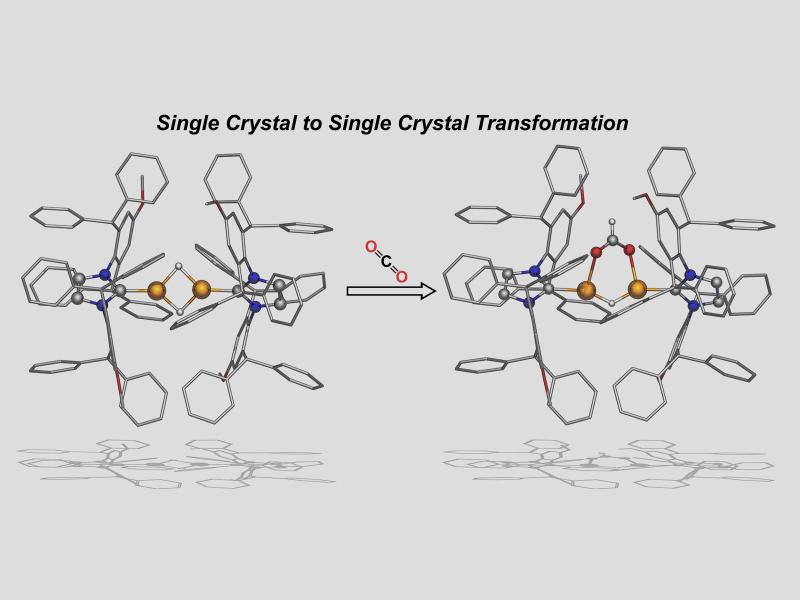
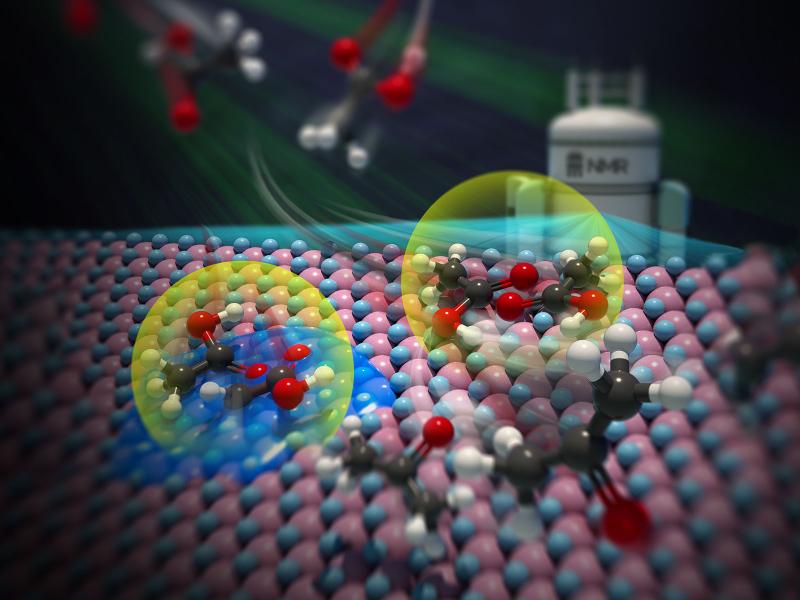
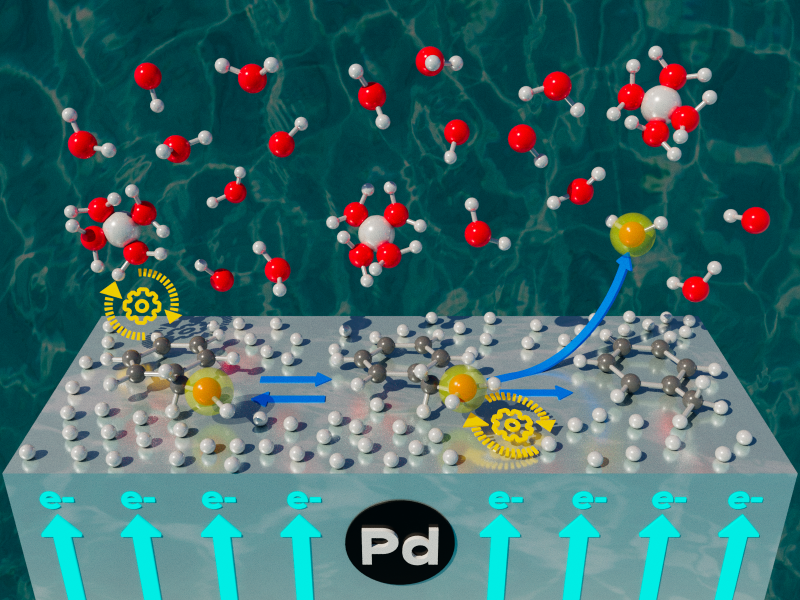
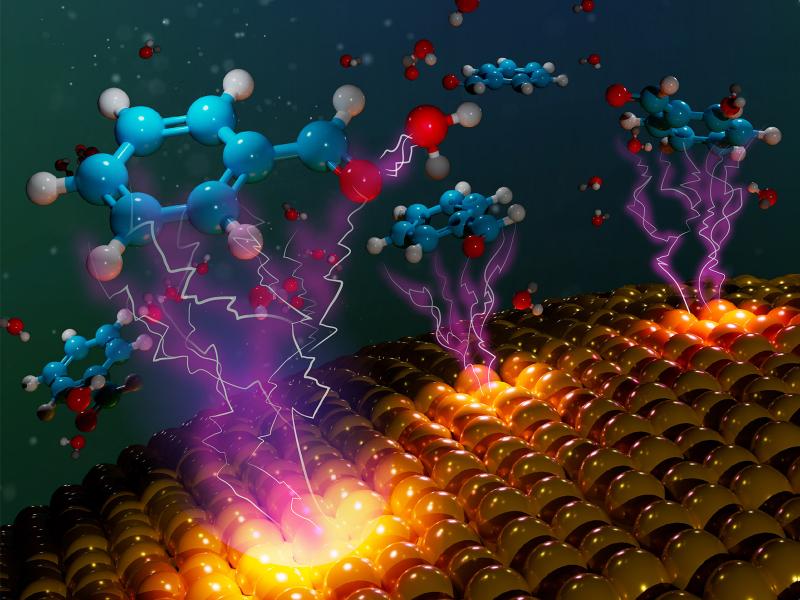
Highly precise and controllable single-atom catalysts are affected by reaction conditions, which can alter the bonding around the atoms and the activity.
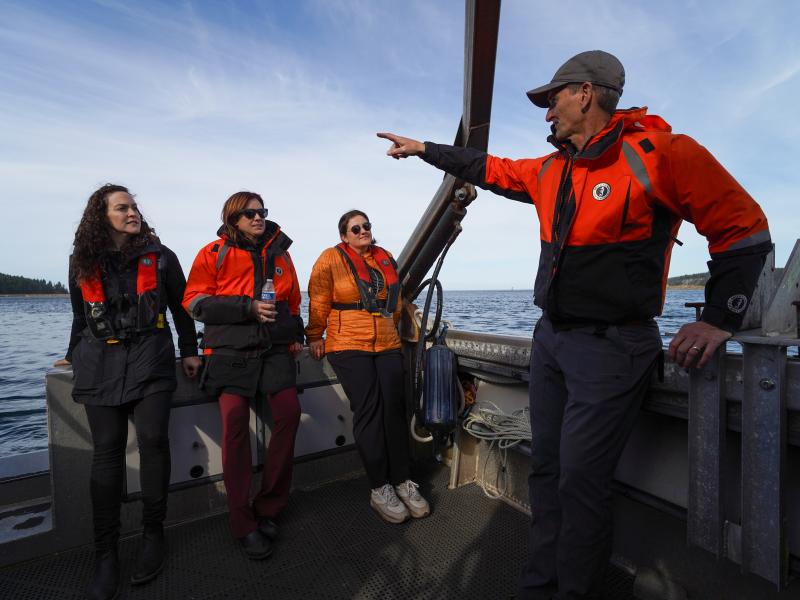
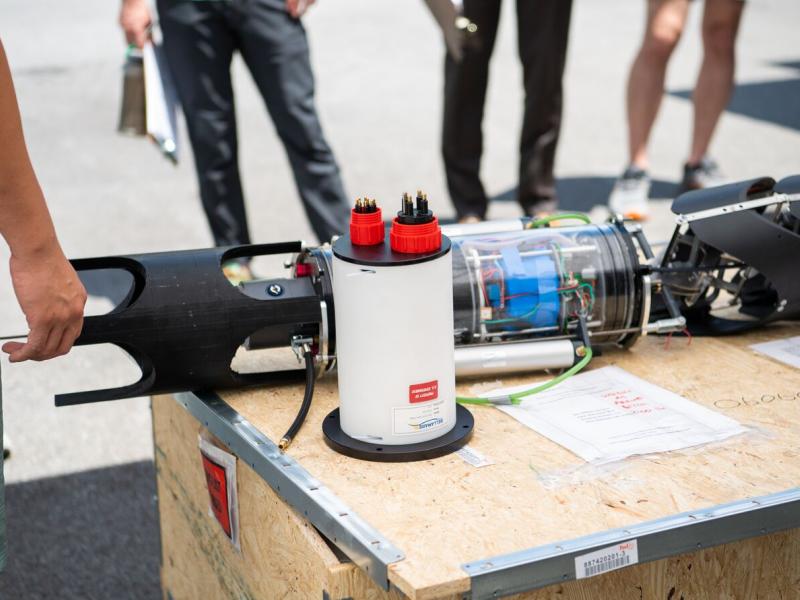
PNNL researchers developed the dummy payload to evaluate the performance of marine energy device prototypes in the Powering the Blue Economy: Ocean Observing Prize Competition.
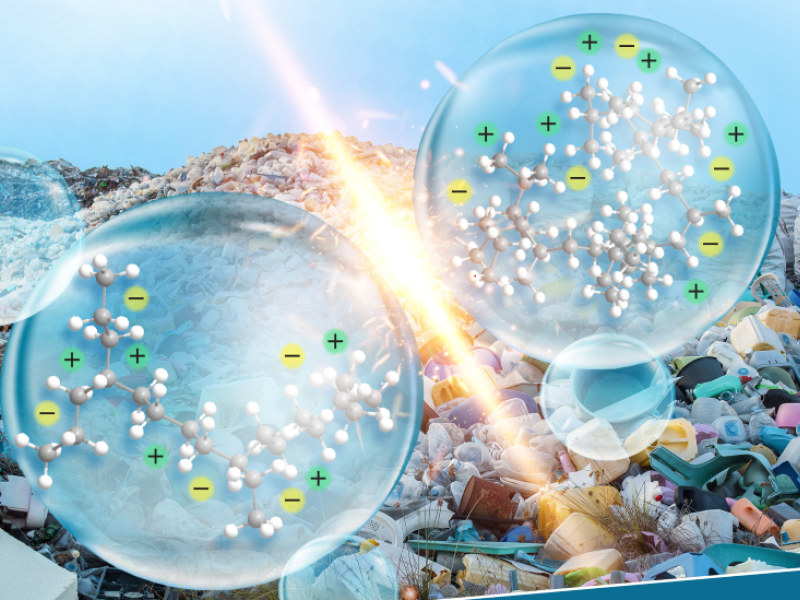
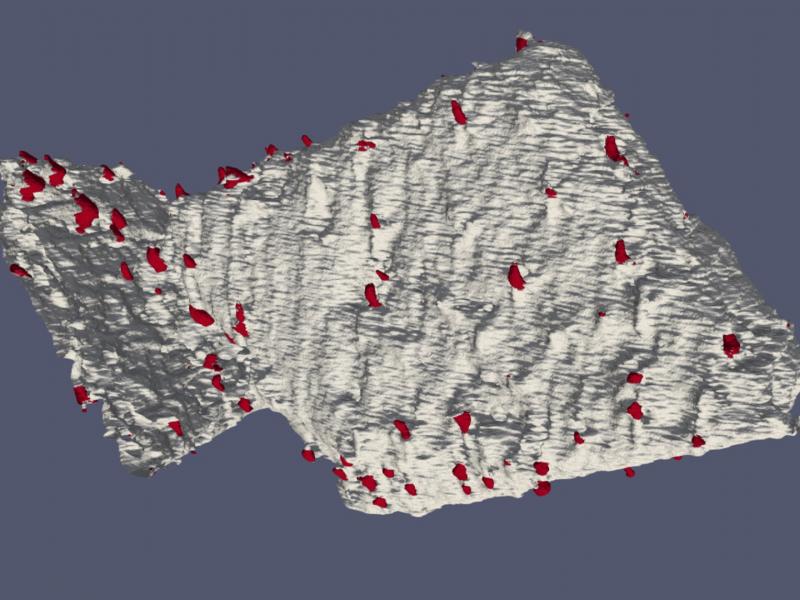
A process developed at PNNL that converts biomass and waste into a chemical intermediate or into gasoline, diesel, and jet fuel is available for commercial licensing.
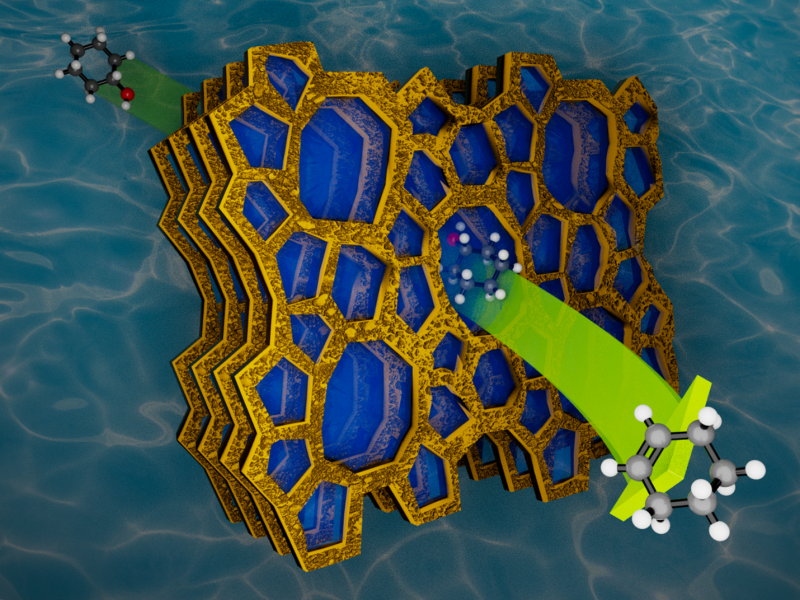
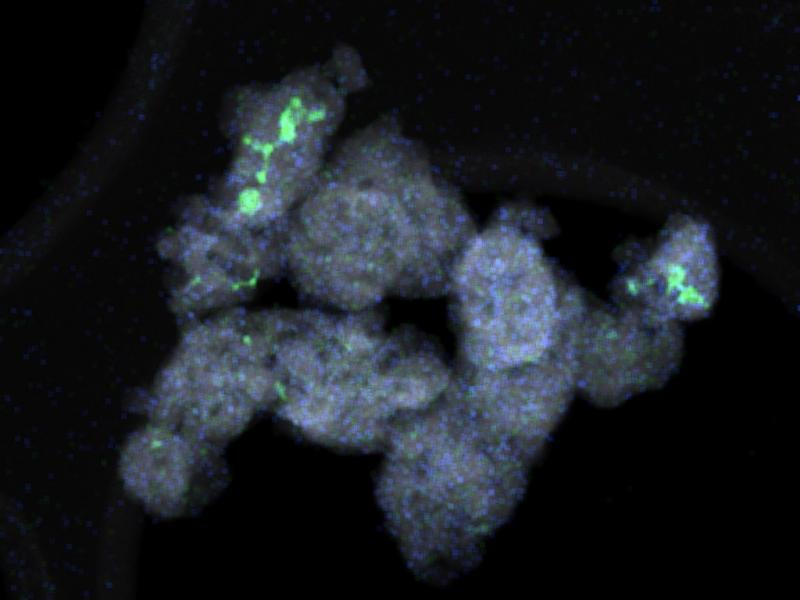
A new simple and scalable synthesis produces nanoparticle assemblies that can perform catalytic hydrogen sensing at room temperature for the first time.
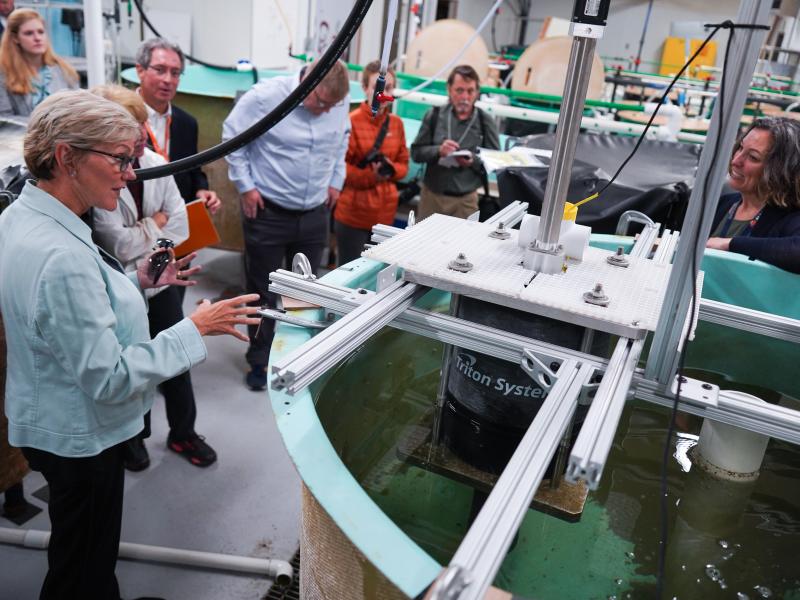
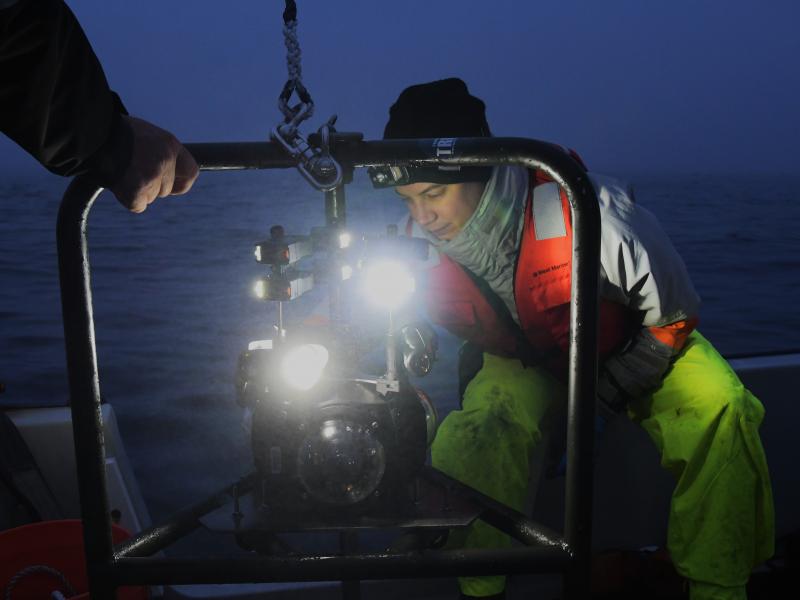
The Triton Initative discusses special issue publications from the Triton Field Trials on environmental monitoring recommendations for marine energy applications.