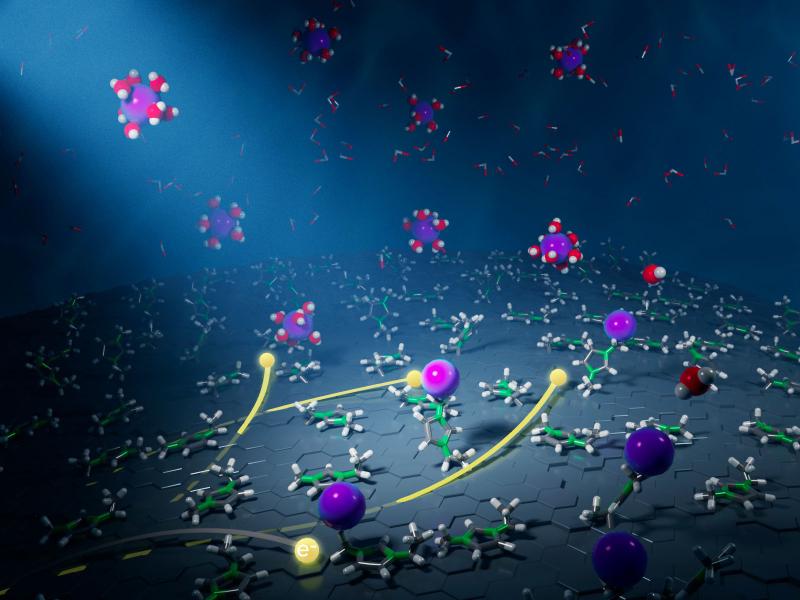
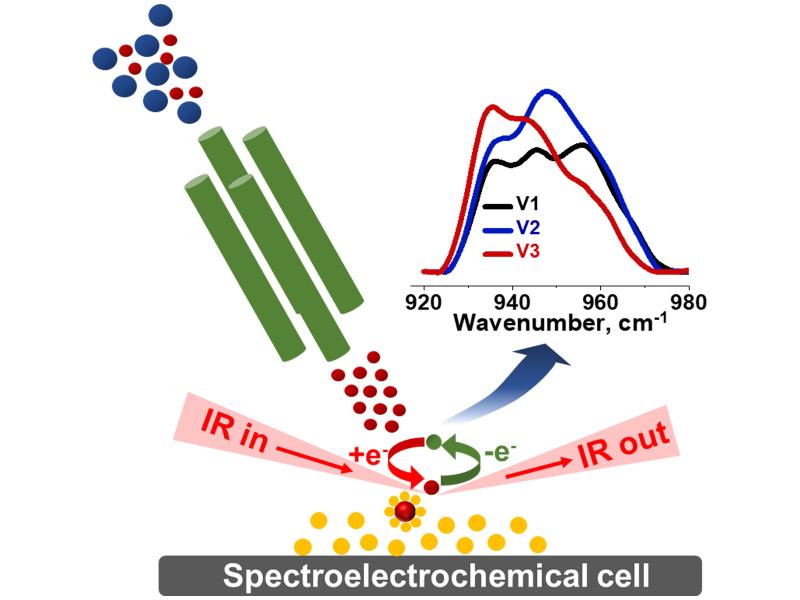
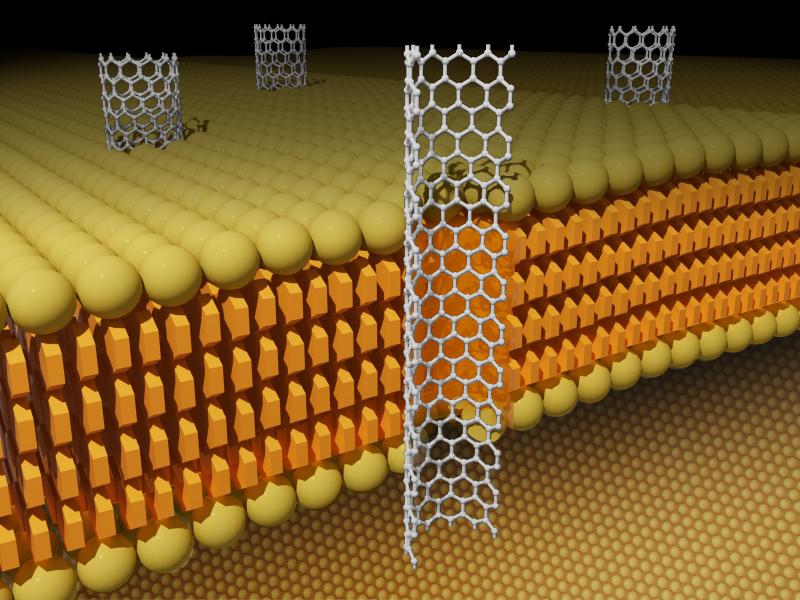
The surface oxygen functionality of graphene oxide may be tuned using ultraviolet light, affecting how differently charged ions move through the material.
Discovering and measuring the spatial organization of proteins within cells allows scientists to map complex proteoforms across tissues with near-cellular resolution.
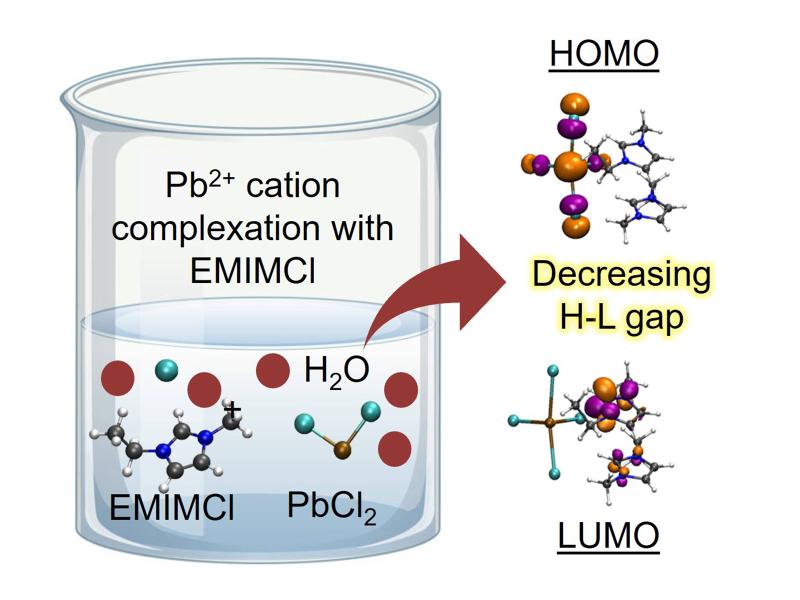
Practical decontamination of industrial wastewater depends on energy-efficient separations. This study explored using ionic liquids as part of the process, enabling efficient electrochemical separation from aqueous solutions.
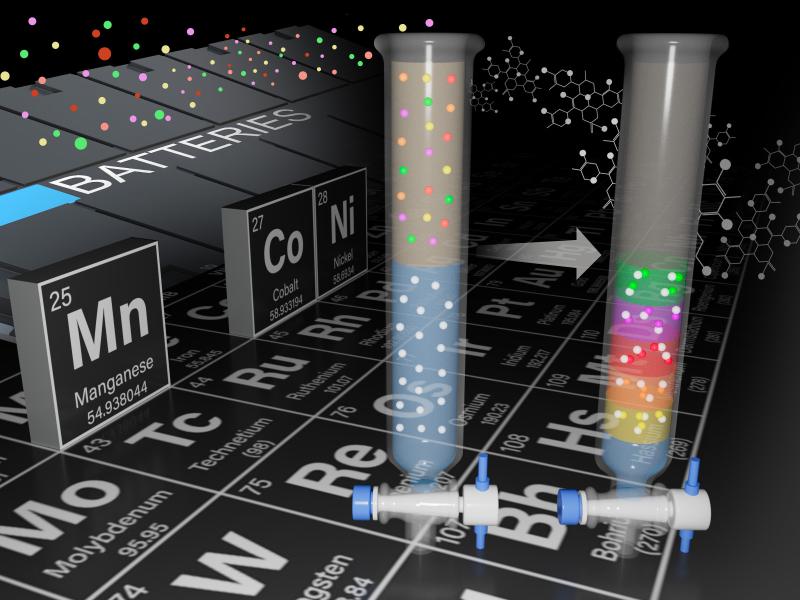
A simple gel-based system separates metals ions from a model solution of dissolved battery electrodes without the need for specialty chemicals, membranes, or toxic solvents.
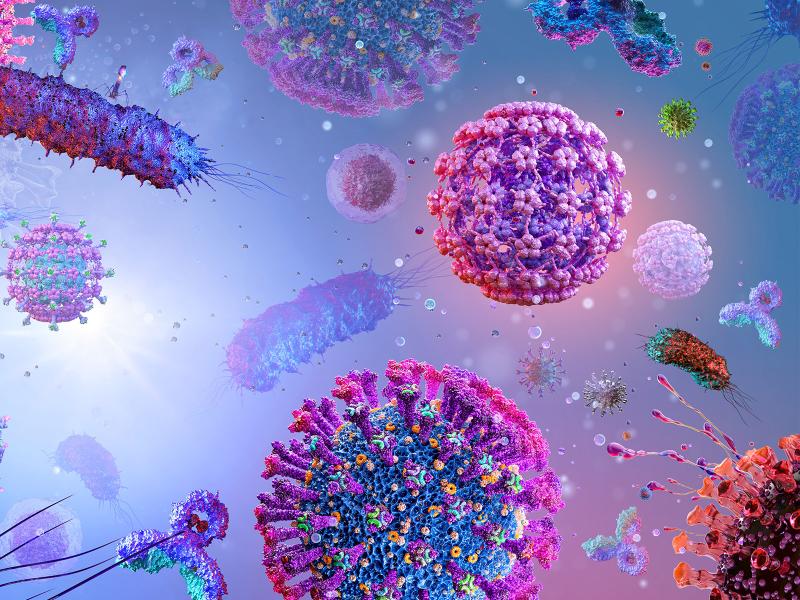
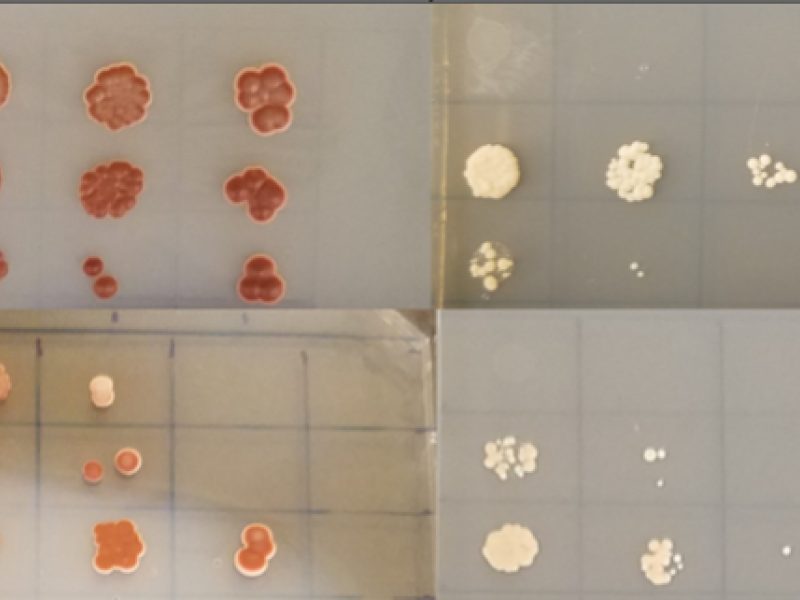
Scientists screen for nanobodies that recognize wild type and mutant functional proteins to develop a framework to disrupt protein interactions that can cause disease.
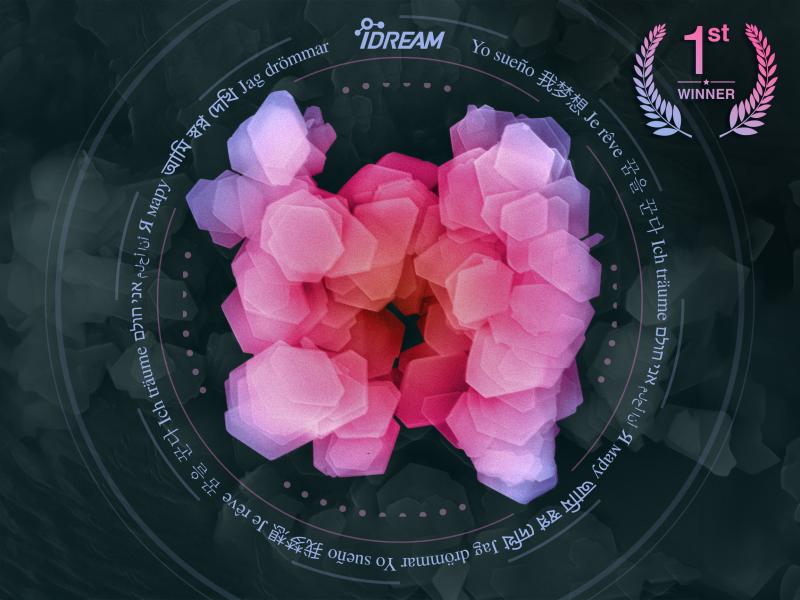
A poem inspired by radioactive tank waste—“Can a Scientist Dream it Alone?”—was awarded first place in the Department of Energy’s Poetry of Science Art Contest.
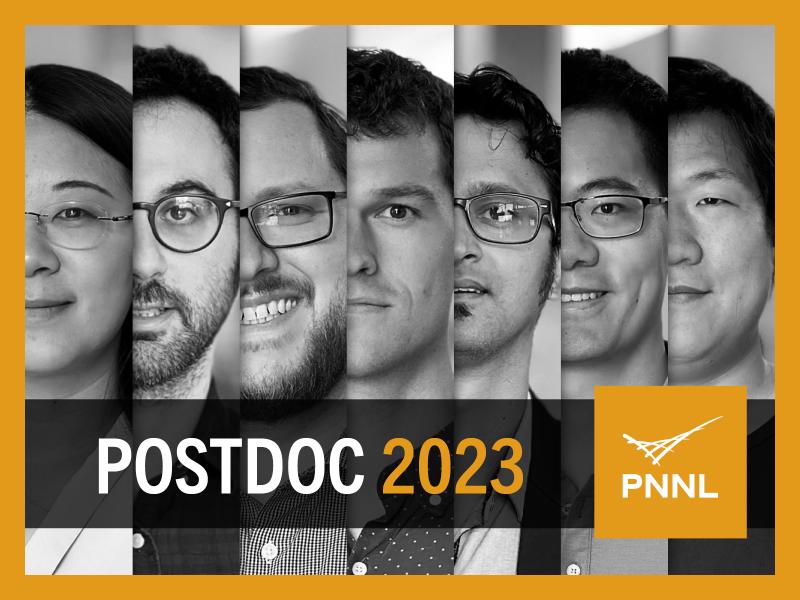
PNNL is honoring its postdoctoral researchers as part of the fourteenth annual National Postdoc Appreciation Week with seven profiles of postdocs from around the Laboratory.
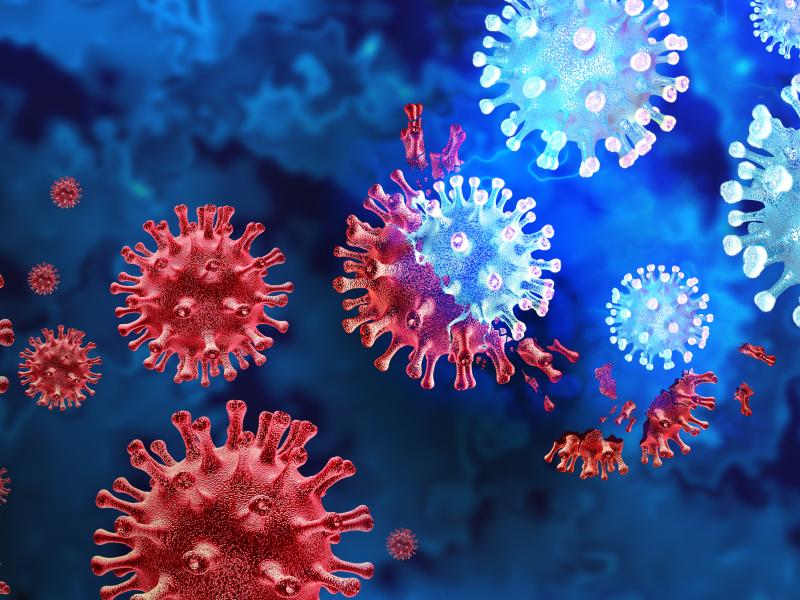
COVID-19 infections at PNNL early in the pandemic were caused by a wide variety of viral sequences, according to a new analysis by Laboratory researchers.
Gosline works to develop computational algorithms that are uniquely targeted for rare disease work by doing foundational research in model system development. This work can be expanded to all model systems in human disease.
To thwart pathogens, researchers in the epidemiology field of infectious disease (ID) prediction are continuously trying to forecast when, where, and how an ID event will occur.
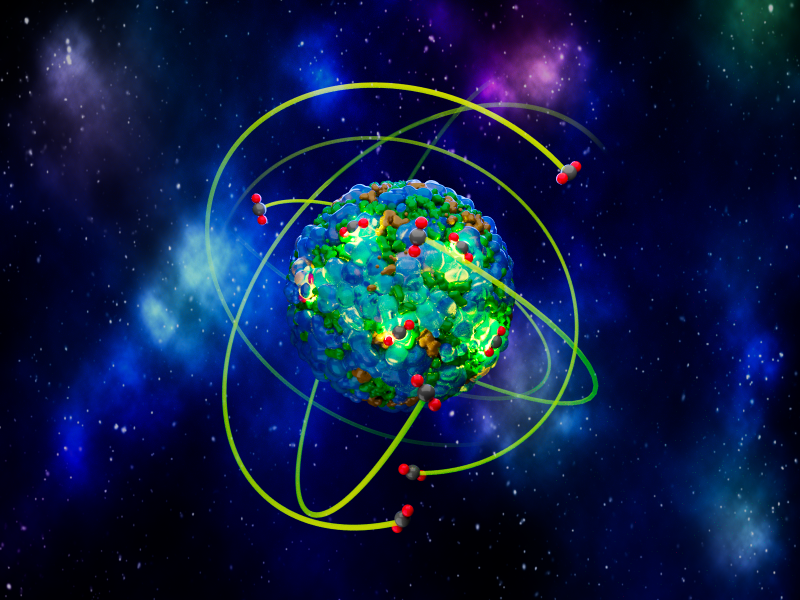
A new perspective article discusses how integrating carbon dioxide capture and conversion in solvents can lead to cheaper and more efficient carbon management systems.