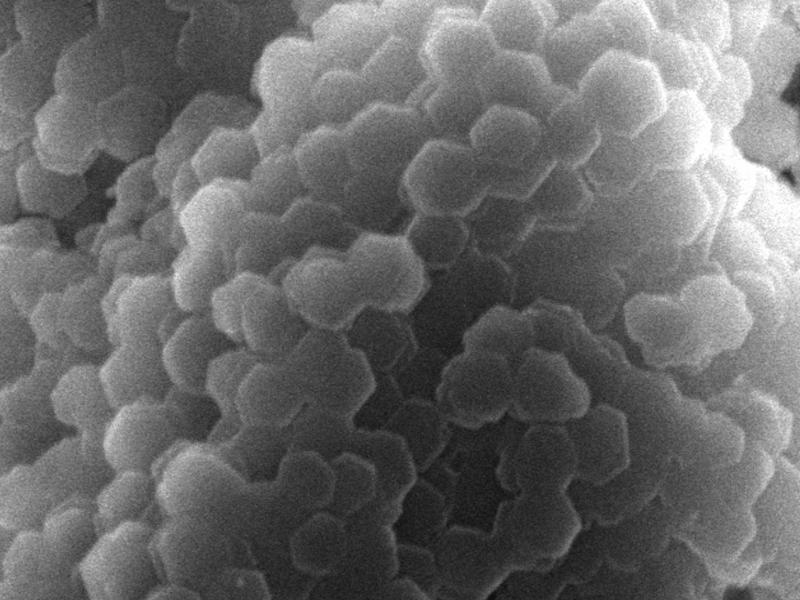
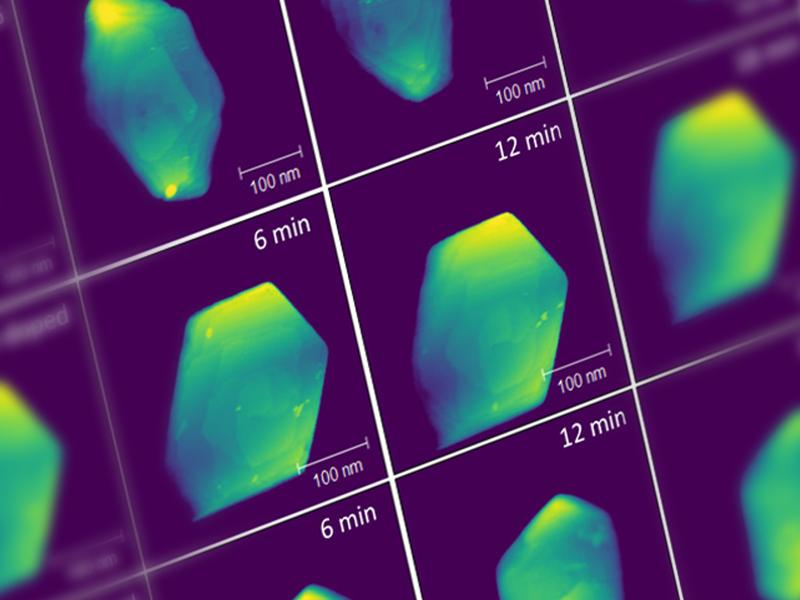
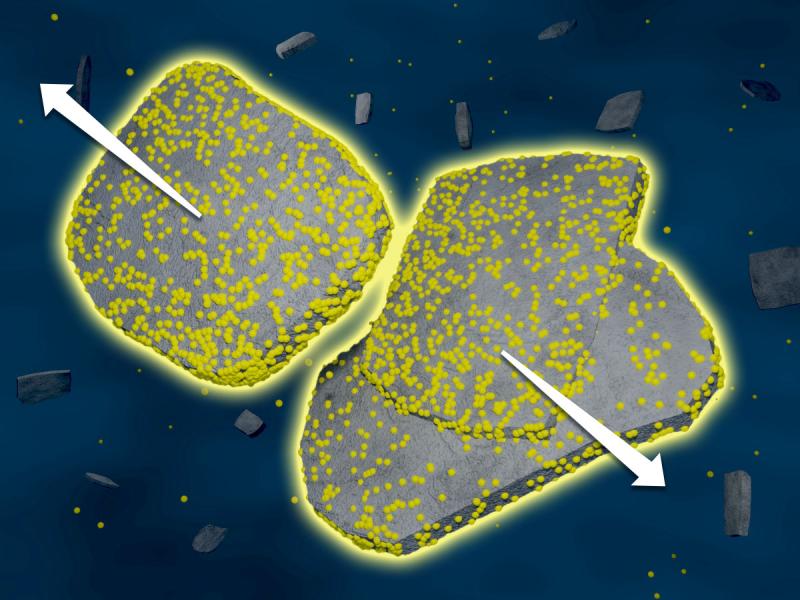
Using multiple specialized techniques, IDREAM researchers gained a better understanding of how trace impurities within gibbsite affect the hydrogen yield.
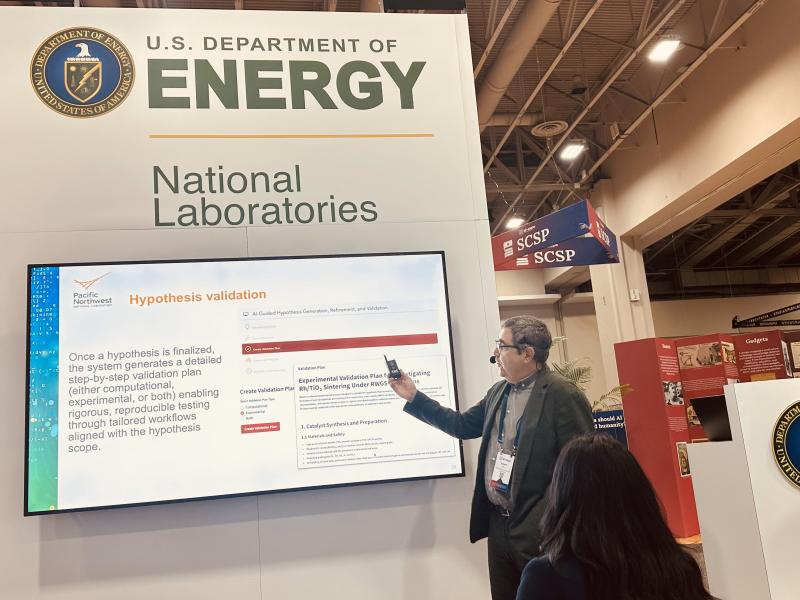
David Wunschel, a chemist and Laboratory Fellow, participated on a panel focused on how emerging technologies are transforming CBRN defense, detection, and response across military and government operations.
Distributed science is thriving at PNNL, where scientists share data and collaborate with researchers around the world to increase the impact of the work.
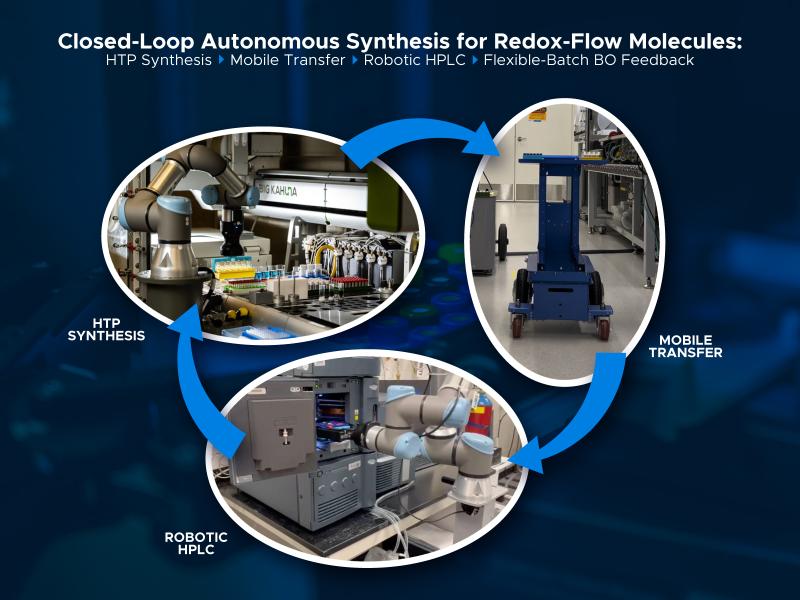
A closed-loop workflow brings together digital and physical frameworks to advance high-throughput experimentation on redox-active molecules in flow batteries.
In the latest issue of the Domestic Preparedness Journal, Ashley Bradley and Kristin Omberg share how new research is shedding light on the scientific and technological challenges with detecting fentanyl.
Recycling polyolefin materials is challenging. One waste management strategy is plastic upcycling. New work demonstrates a single-step upcycling route coupling cracking and alkylation, recycling carbon and keeping valuable resources active.