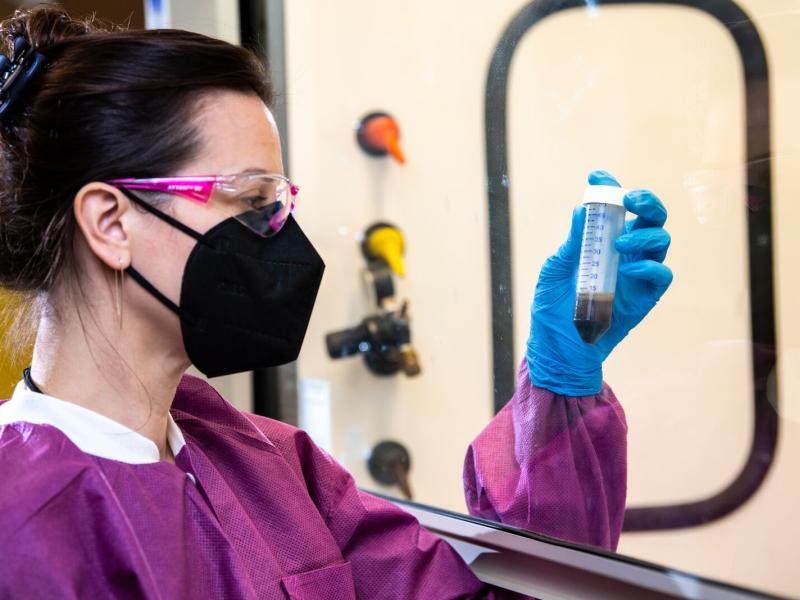
A PNNL team is working to counter the negative impacts of fentanyl in the environment. Their journal article was selected this summer by the Journal of Environmental Quality as its outstanding paper of 2025.
Chair of the NAE Materials Section, Jim De Yoreo brought together experts to explore how decades of materials innovation transformed the transistor into the foundation of modern technology.
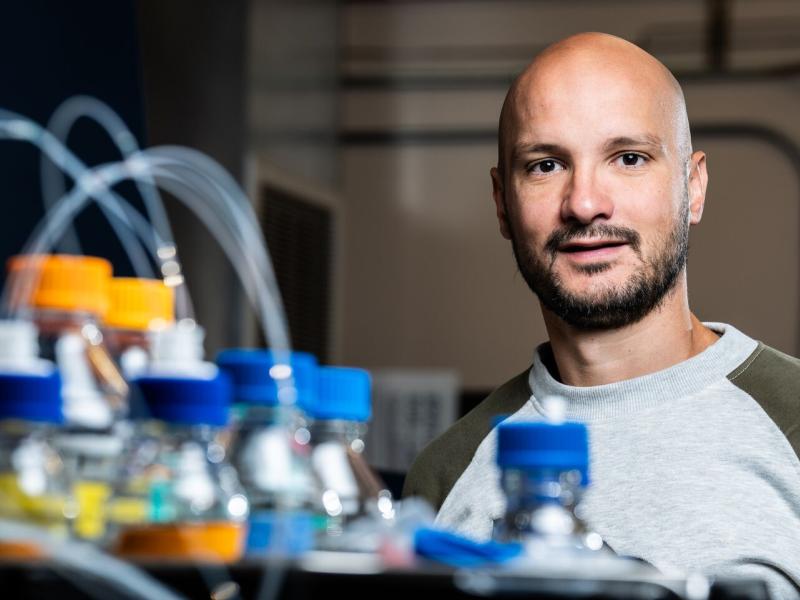
Dušan Veličković, a PNNL mass spectrometry imaging scientist received a $2.1 million grant to develop techniques to understand how changes in carbohydrate structure affect human health.
PNNL's ASSORT model will help airports balance passenger screening and security risks with throughput. It also quantifies risks for different traveler types and optimizes checkpoint operations, improving efficiency while enhancing safety.
At the 2024 Aviation Futures Workshop, researchers from PNNL joined other subject matter experts and representatives from the stakeholder community in reimagining the passenger experience.
Three PNNL-affiliated researchers have been named fellows of the American Association for the Advancement of Science, the world’s largest multidisciplinary scientific society.
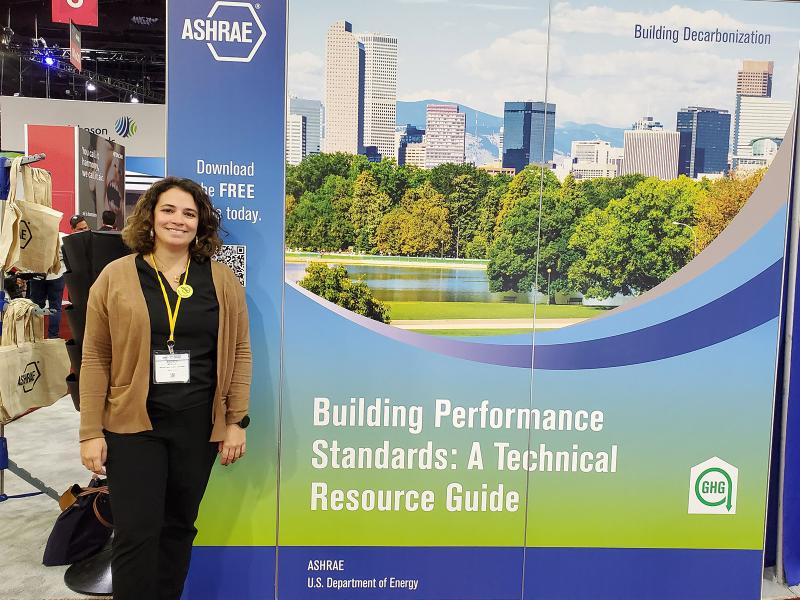
PNNL’s Andrea Mengual co-chaired a working group that produced Building Performance Standards: A Technical Resource Guide. PNNL’s Kim Cheslak, Bing Liu, and Jian Zhang contributed to the effort.
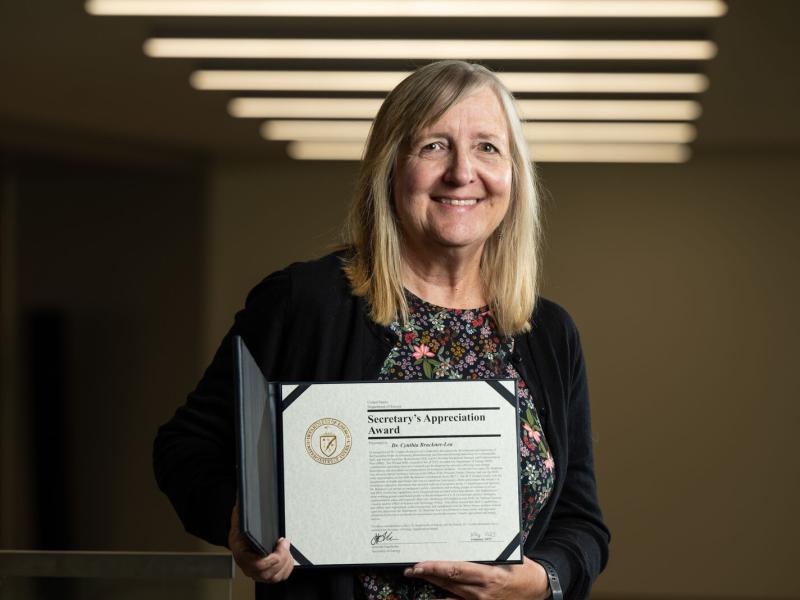
For her most recent efforts, Bruckner-Lea, a senior technical advisor at PNNL, received the Secretary’s Appreciation Award from the U.S. Secretary of Energy Jennifer Granholm in July.
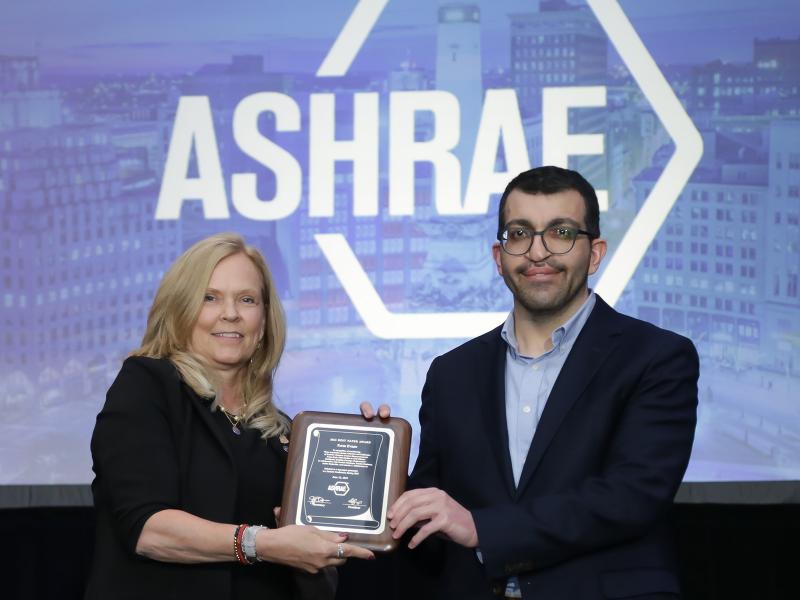
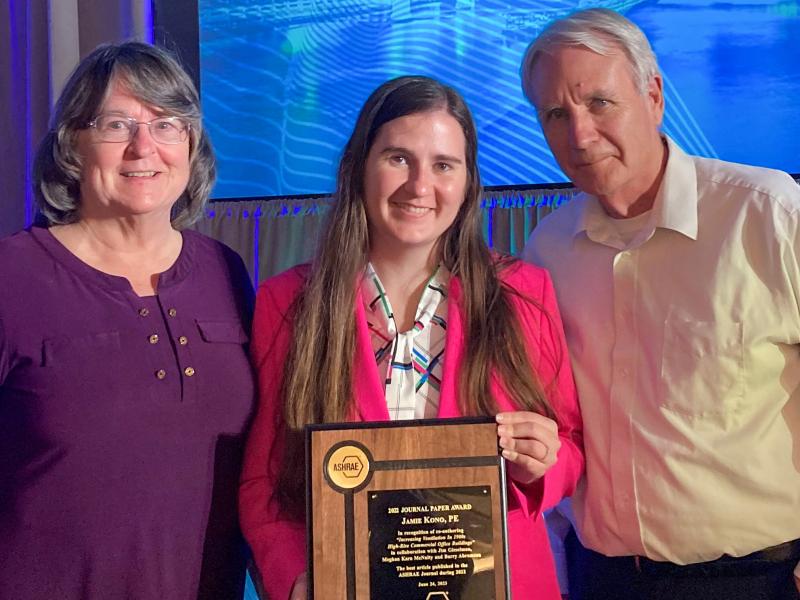
The American Society of Heating, Refrigerating and Air-Conditioning Engineers has given its 2022 Journal Paper Award to Jamie Kono, a PNNL building research engineer.
PNNL chemist Christopher Anderton recently named president-elect of the Imaging Mass Spectrometry Society (IMSS). In this new position, he will help lead the merge of IMSS with a European-based society, currently underway.
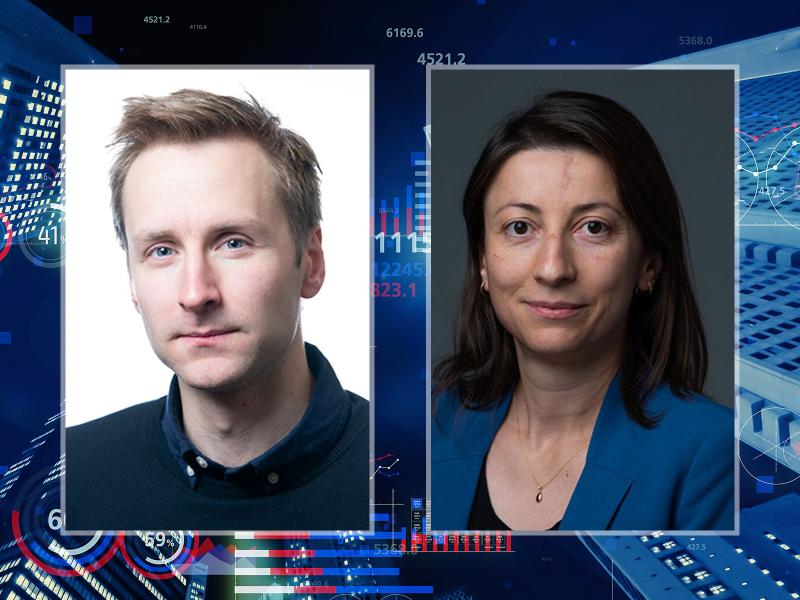
PNNL’s Ján Drgoňa and Draguna Vrabie are part of an international team that authored a most-cited paper on Model Predictive Control, an approach for improving operations, energy efficiency, and comfort in buildings.