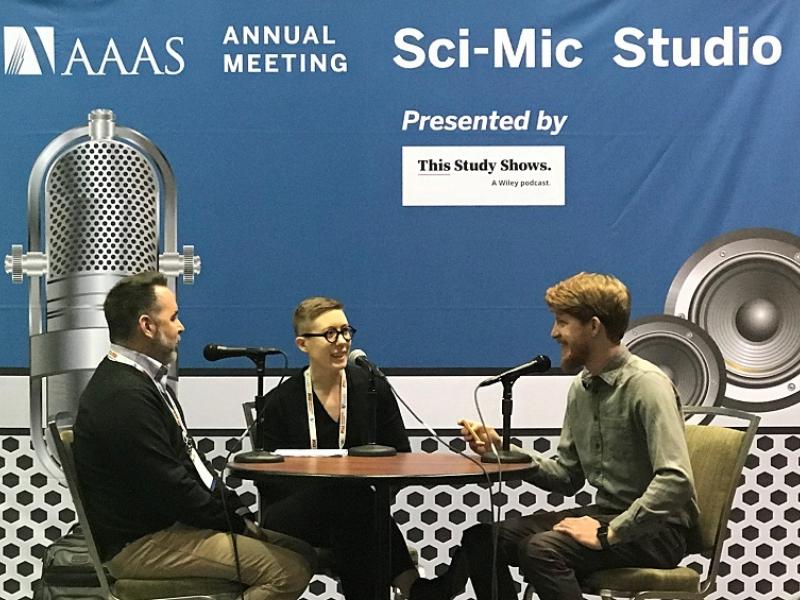
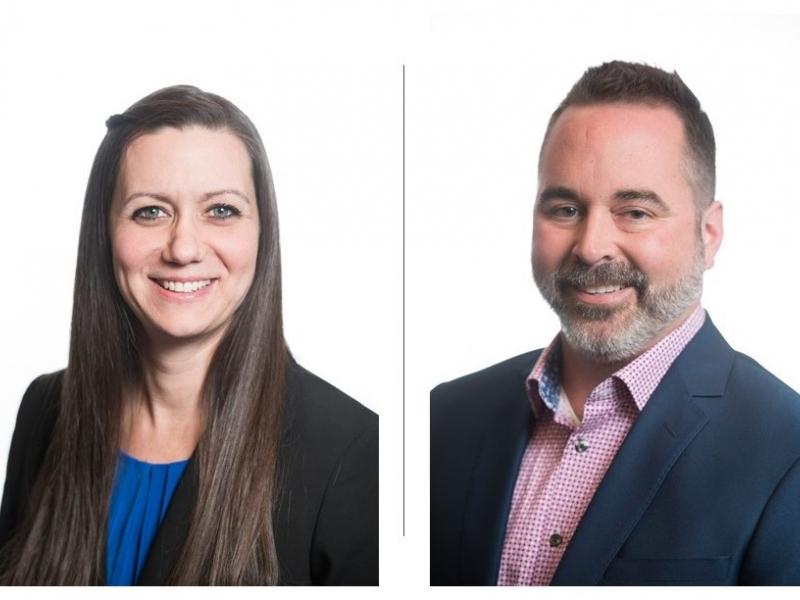
Two PNNL team members, Courtney Corley, a data scientist, and Kyle Bingman, an advisor on assured artificial intelligence (AI), were featured on a recent episode of the U.S. Department of Energy Direct Currents podcast.
Ten staff members from PNNL were invited to attend and lead the various breakout sessions at the Department of Energy Office of Science 5G Enabled Energy Innovation Workshop (5GEEIW), which was held in early March.
Two PNNL researchers are helping define the future of transparency and accountability for public and private use of autonomous and intelligent systems.
Bill Cannon, senior scientist and biophysicist in the Computational Mathematics Group, was a co-author of a recent article published in Nature Partner Journals-Digital Medicine.
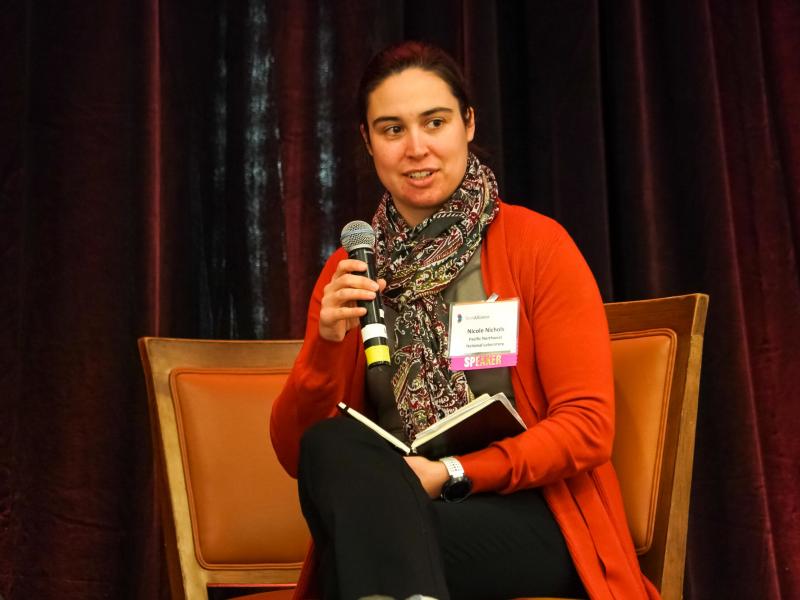
Nicole Nichols, a senior researcher at PNNL, spoke during the AI: Policy Matters Summit in Seattle, Washington on December 12. The summit, hosted by TechAlliance, brought together more than 200 leaders from across Washington State.
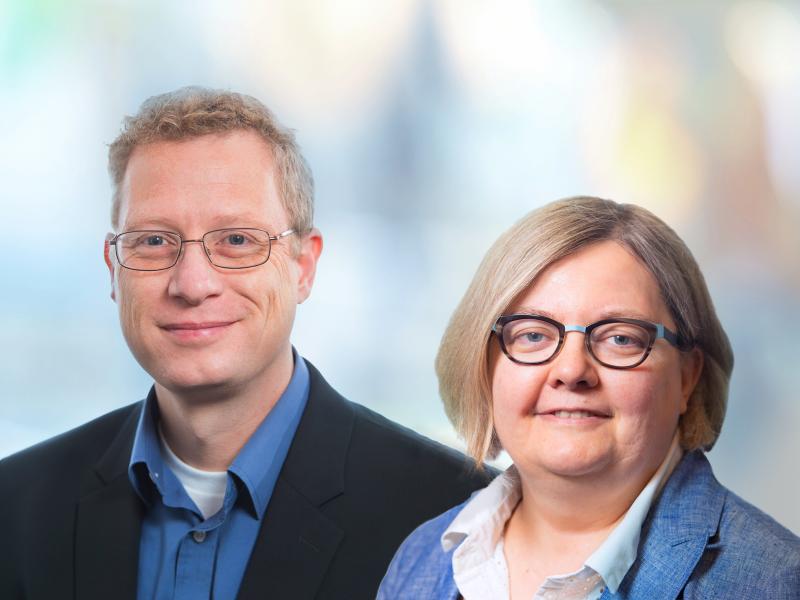
Sonja Glavaski and Kevin Schneider, both electrical engineers at PNNL, have been named as IEEE fellows. IEEE is the world's largest technical professional organization dedicated to advancing technology for the benefit of humanity.
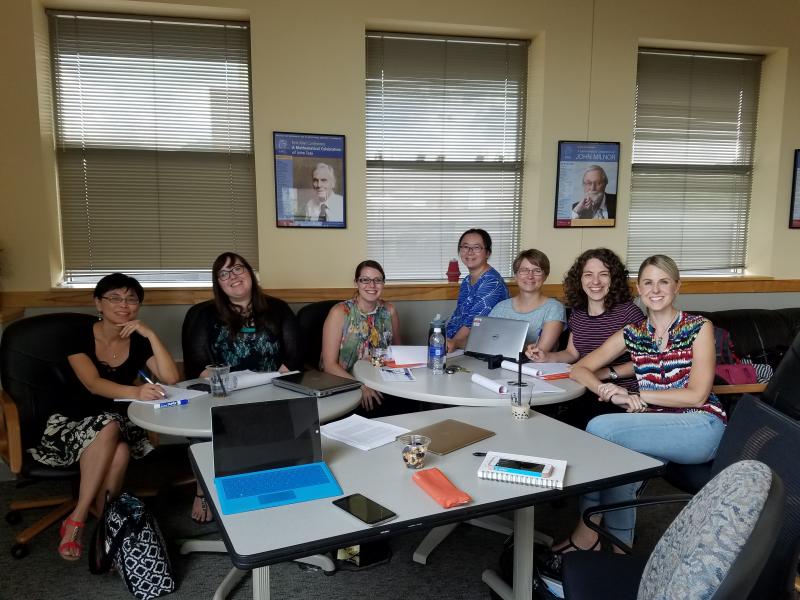
A group of female mathematicians and computer scientists, which includes PNNL’s Emilie Purvine, has published its third paper on joint research to understand and accurately represent object relationships through metric graphs.
Jason McDermott is a PNNL computational biologist whose research interests include machine learning, data integration, and network inference. He unravels complex data related to cancer, infectious disease, and soil microbiomes.
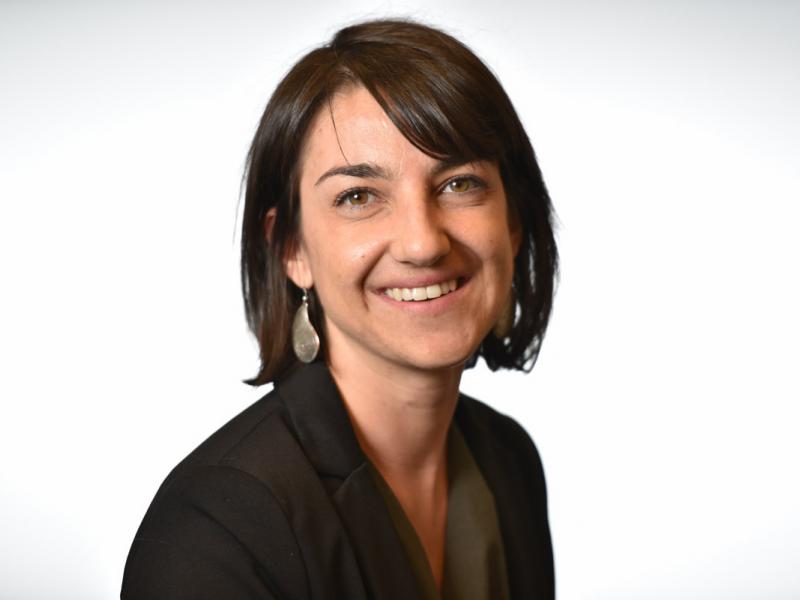
Through her role in the Department of Energy’s Advanced Scientific Computing Research-supported ExaLearn project, Jenna Pope is developing deep learning approaches for finding optimal water cluster structures for a variety of applications.
PNNL scientists Richard (Dick) Smith and Ljiljana (Lili) Paša-Tolić are recognized by The Analytical Scientist in its 2019 Power List as two of 2019’s top 100 minds in analytical science.
The first phase, which started in 2014, generated foundational data from developing mouse and human lungs, created a web portal for public data sharing, and established a repository of human lung tissues.