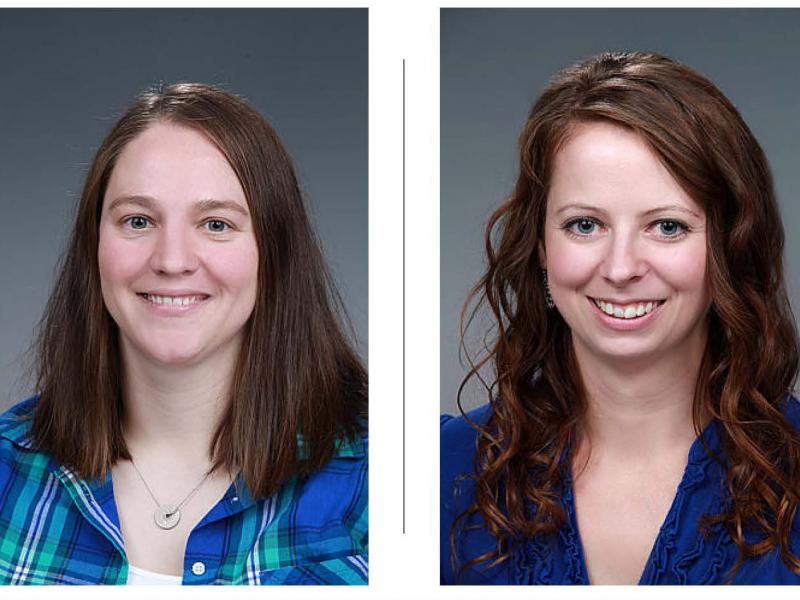
Two PNNL researchers are helping define the future of transparency and accountability for public and private use of autonomous and intelligent systems.
PNNL researchers Lisa Bramer and Sarah Reehl were on a team that received a patent for its work with electron microscopy. Electron microscopy allows scientists to make nanoscale observations of materials.
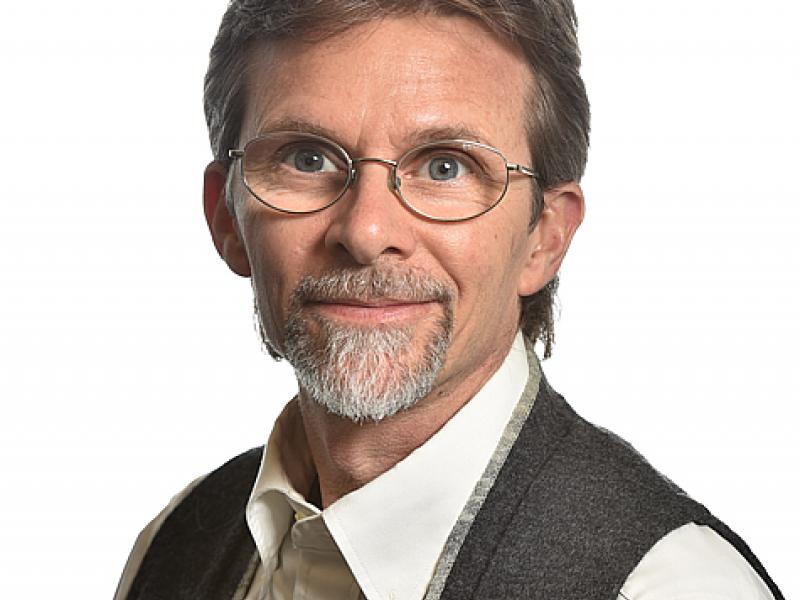
Bill Cannon, senior scientist and biophysicist in the Computational Mathematics Group, was a co-author of a recent article published in Nature Partner Journals-Digital Medicine.
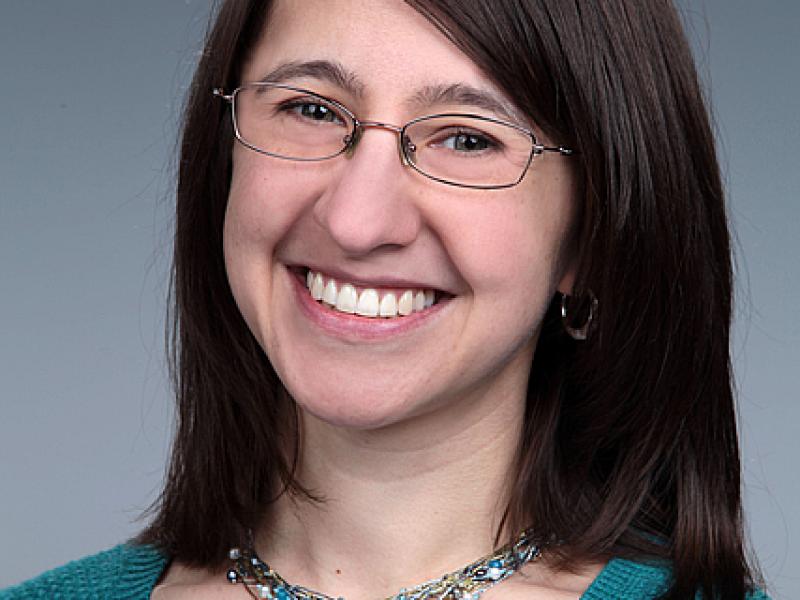
Francesca Grogan grew up in Southern California, gravitated to competitive swimming, and chose to stay close to her geographical roots for her undergraduate and postgraduate studies.
Frannie Smith, a chemist specializing in nuclear waste management and disposal, was recognized as a "Notable Woman in STEM" for 2019 by the nonprofit Washington STEM program.
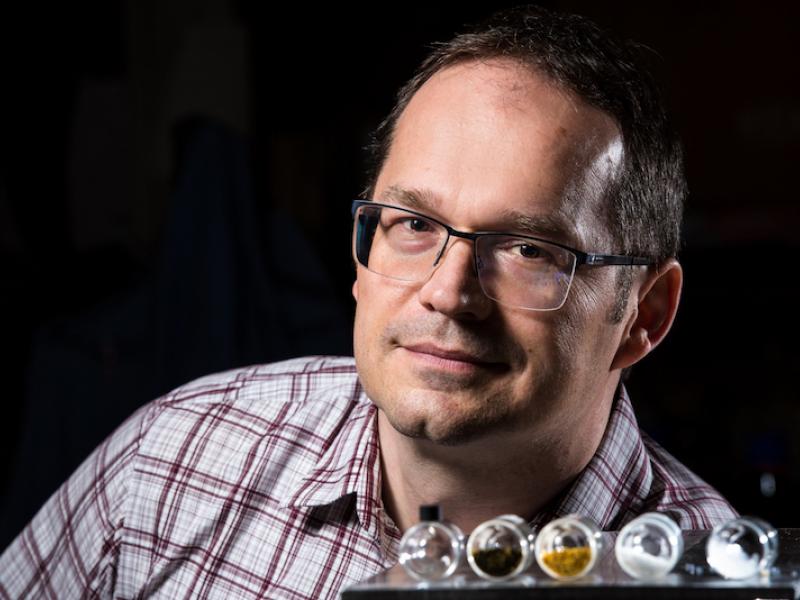
Josef "Pepa" Matyas, a materials scientist in PNNL’s Nuclear Sciences Division, has been elected a fellow of the American Ceramic Society (ACerS). He will be recognized at the ACerS annual meeting on September 30, 2019, in Portland, Ore.
An International Atomic Energy Agency effort, chaired by PNNL's Mike Truex, will help inform the process for achieving successful end states at contaminated sites worldwide.