Energy experts at PNNL are helping 56 states and territories deliver their state energy security plans (SESPs) through a transparent and collaborative review process.
Pacific Northwest National Laboratory (PNNL) is advancing AI that unlocks new scientific discoveries, ensures reliable energy, and strengthens national security through the Center for AI @PNNL and its partnership with the Department of Ener
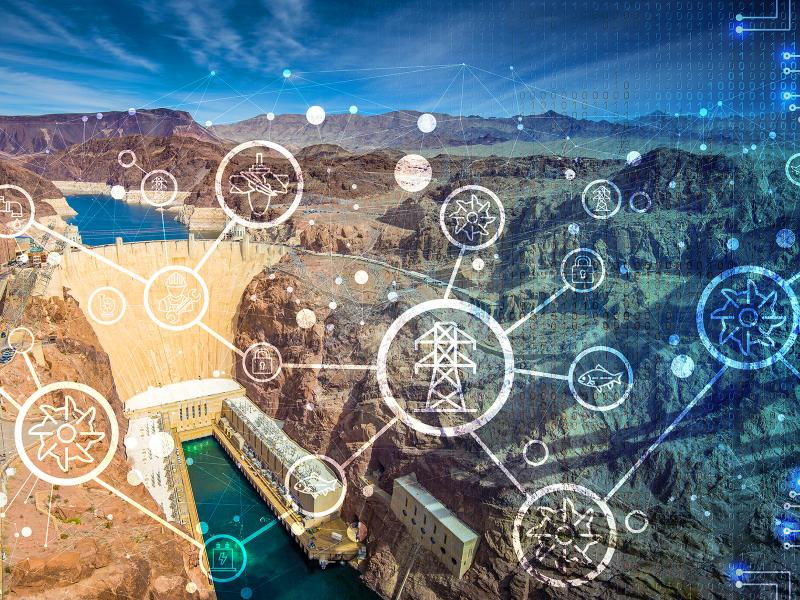
PNNL and ORNL are working together on Digital Twins to modernize the U.S. hydropower plant fleet, which will reduce operating costs, improve reliability, reduce downtime, enhance grid resiliency, and reduce environmental impacts.
In January 2024, CESER—in partnership with GDO, NASEO, and PNNL—created a set of state energy security cohorts to support the coordination and technical development of state energy security planning, assessment, and mitigation.
Pacific Northwest National Laboratory’s (PNNL) Generative AI (GenAI) investment aims to harness this transformative technology to drive innovation across the science, energy, and security research domains.
Pacific Northwest National Laboratory (PNNL) is a key partner in the Genesis Mission, the Department of Energy’s (DOE’s) integrated ecosystem to accelerate discovery and strengthen U.S. leadership in AI-powered science.
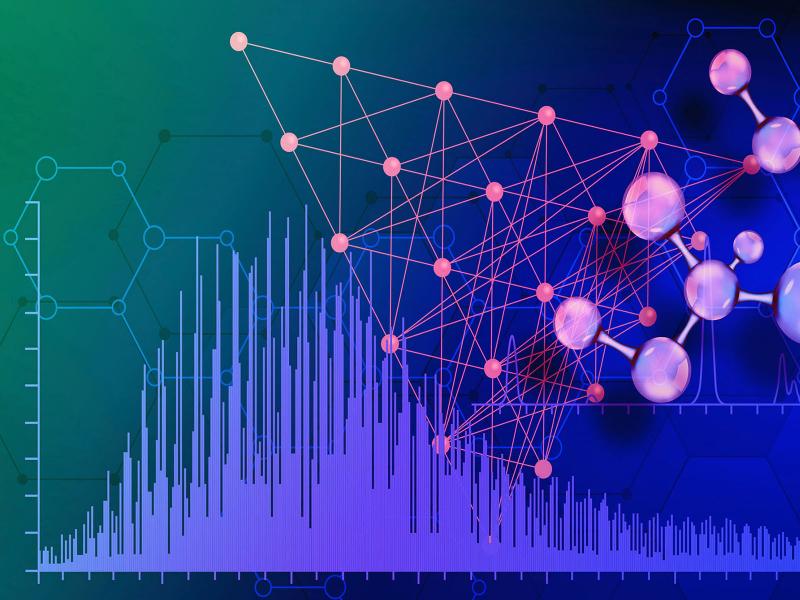
PNNL is heavily engaged in the development and use of mass spectrometry technology across its science, energy, and security missions, from fundamental research through mature operational capabilities.
Pacific Northwest National Laboratory supports innovations in data analytics, instrumentation, and experimental techniques for the Northwest (NW) Biopreparedness Research Virtual Environment (BRaVE) Initiative.
FEMP's operations and maintenance (O&M) resources offer federal agencies technology- and management-focused guidance to improve energy and water efficiency and ensure safer and more reliable operations.
Physics-informed machine learning (PIML) is a modeling approach that harnesses the power of machine learning and big data to improve the understanding of coupled, dynamic systems.