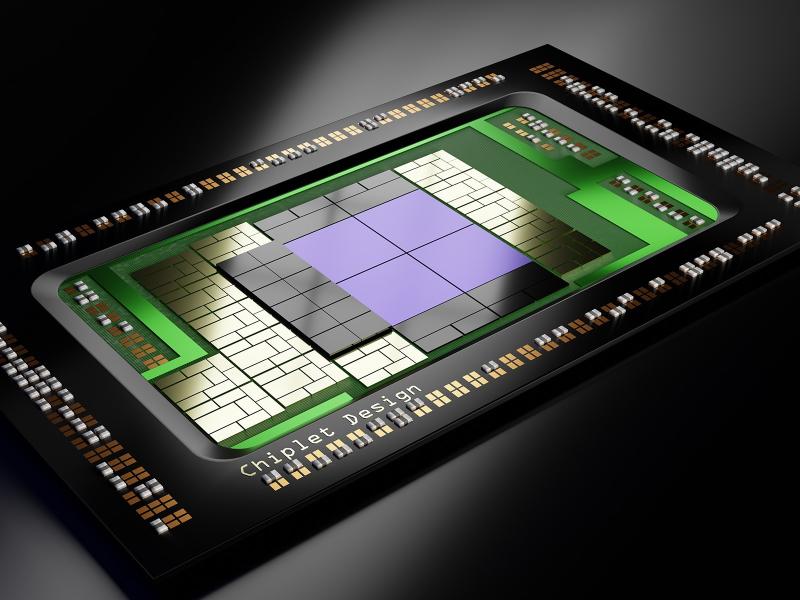
Through AMAIS, PNNL is developing new memory systems that can advance scientific computational research by broadening AI capabilities and powering high-speed analysis of large datasets.
The Data-Model Convergence (DMC) Initiative is a multidisciplinary effort to create the next generation of scientific computing capability through a software and hardware co-design methodology.
The Isotope Program at PNNL supports scientific advances in the production and use of radioisotopes for research, medicine, and industrial applications.
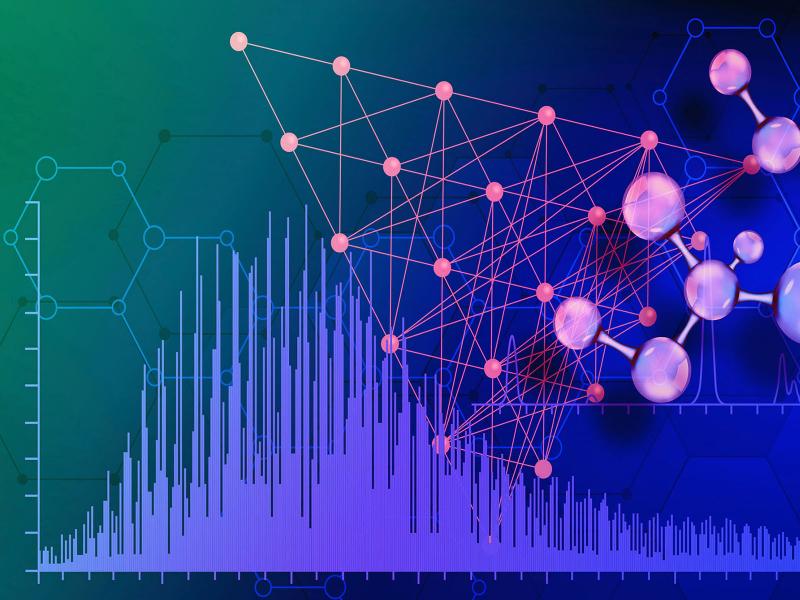
PNNL is heavily engaged in the development and use of mass spectrometry technology across its science, energy, and security missions, from fundamental research through mature operational capabilities.
The QuAADS Initiative seeks to develop the computing processes, tools, and knowledge to transition from current technologies to quantum computing technologies by leveraging codesign and hybrid computing approaches.
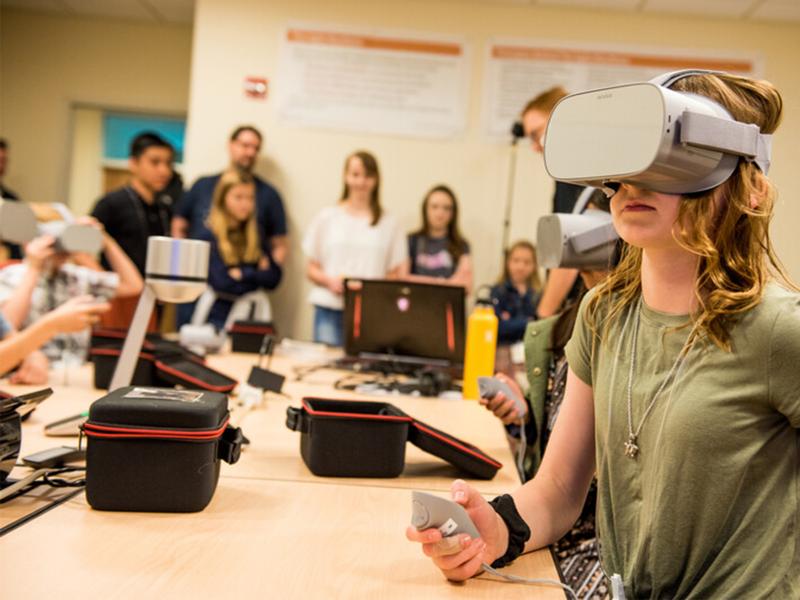
PNNL creates immersive software experiences to meet a variety of challenges. One such challenge in science, technology, engineering, and mathematics (STEM) education is providing quality computer science education for all students.