Testing the assumption that different future socio-economic development patterns, which result in different land-use changes, can be paired with different future climate outcomes for risk assessments in a multi-model framework.
Incorporating spatially explicit land characteristics in a global model illustrates the complex effects of applying uniform regional protection assumptions in a global analysis.
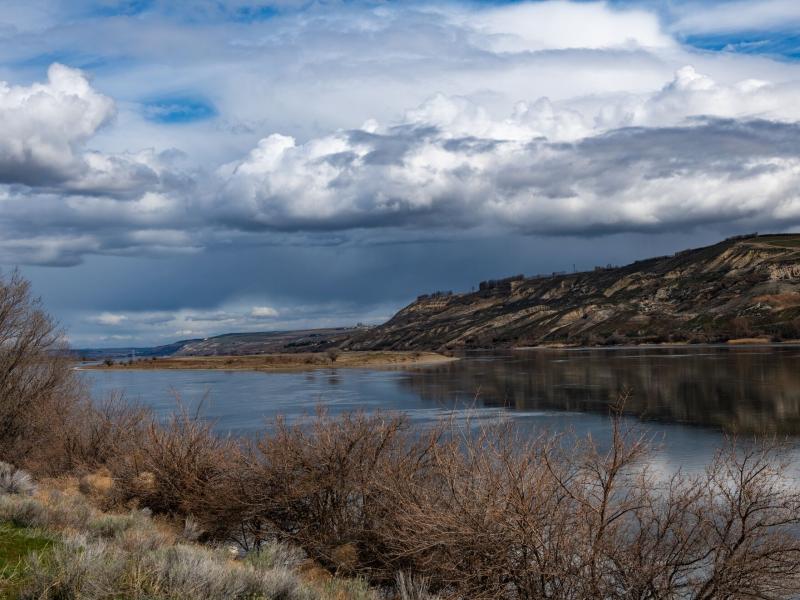
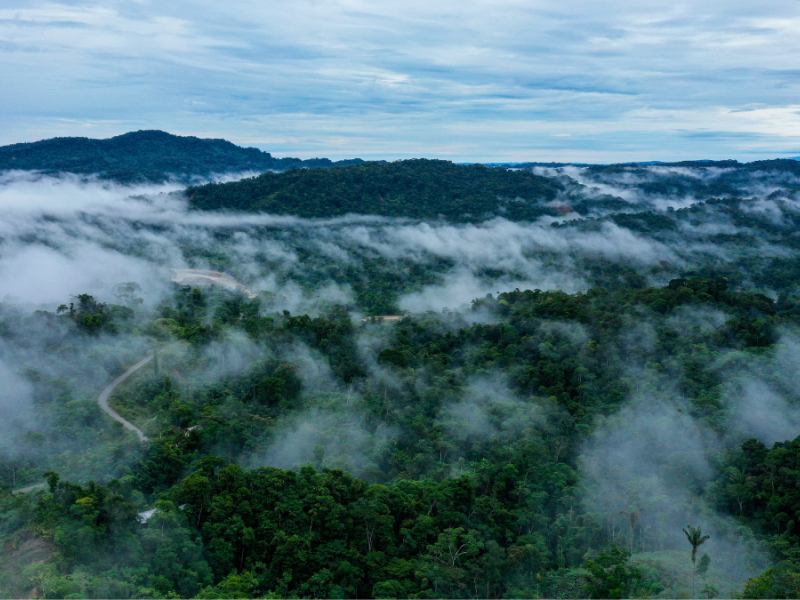
The diversity and function of organic matter in rivers at a large scale are influenced by factors, such as the types of vegetation covering the land, the energy characteristics, and the breakdown potential of the molecules.
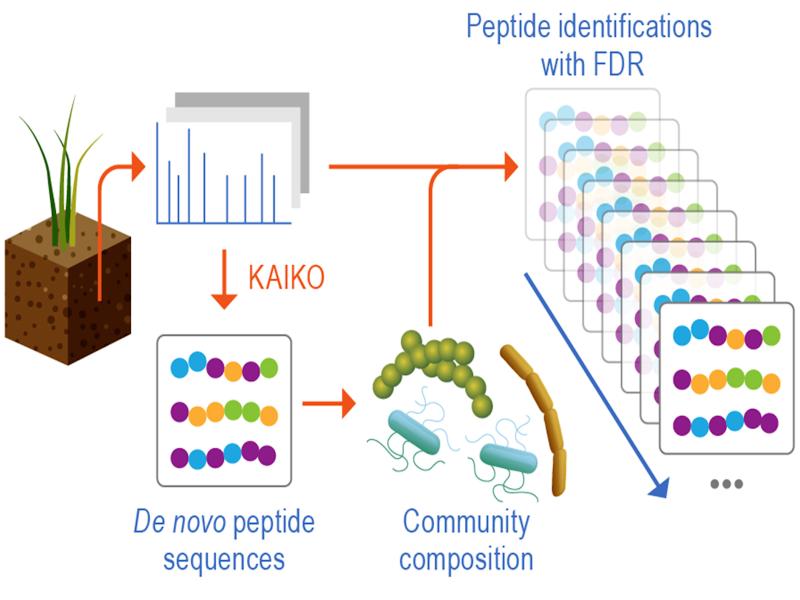
Scientists can now generate a protein database directly from proteomics data gathered from a specific soil sample using a digital tool and deep learning computer model called Kaiko.
Researchers from Pacific Northwest National Laboratory created and embedded a physics-informed deep neural network that can learn as it processes data.
Randomly constructed neural networks can learn how to represent light interacting with atmospheric aerosols accurately at a low computational cost and improve climate modeling capabilities.
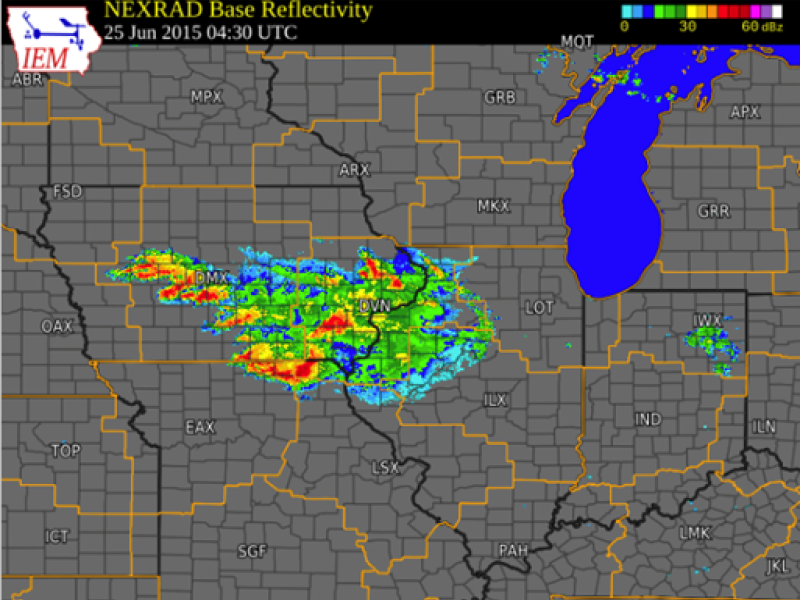
A success story of applying convergence testing to detect and address issues of numerical discretization in nonlinear representations of turbulence and clouds.
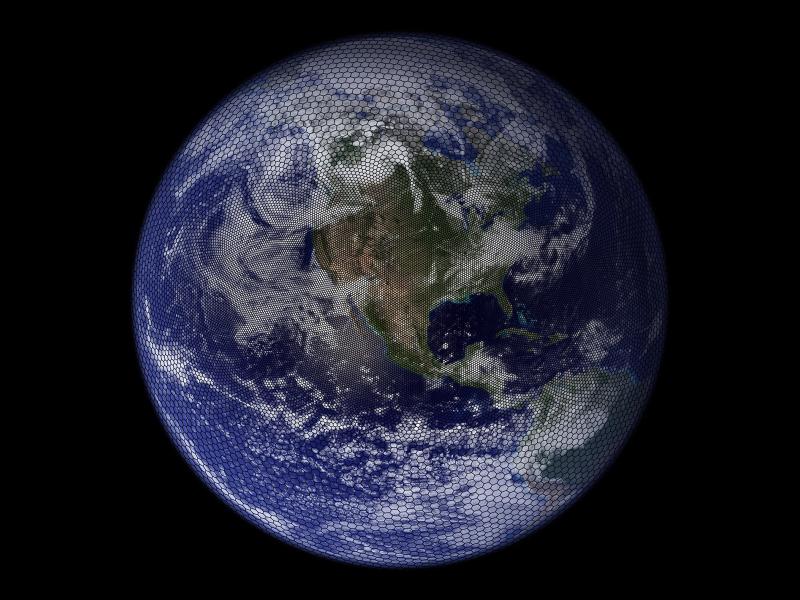
A new open-source feature tracking package is now available to facilitate advanced model evaluation, model development efforts, and scientific discovery.
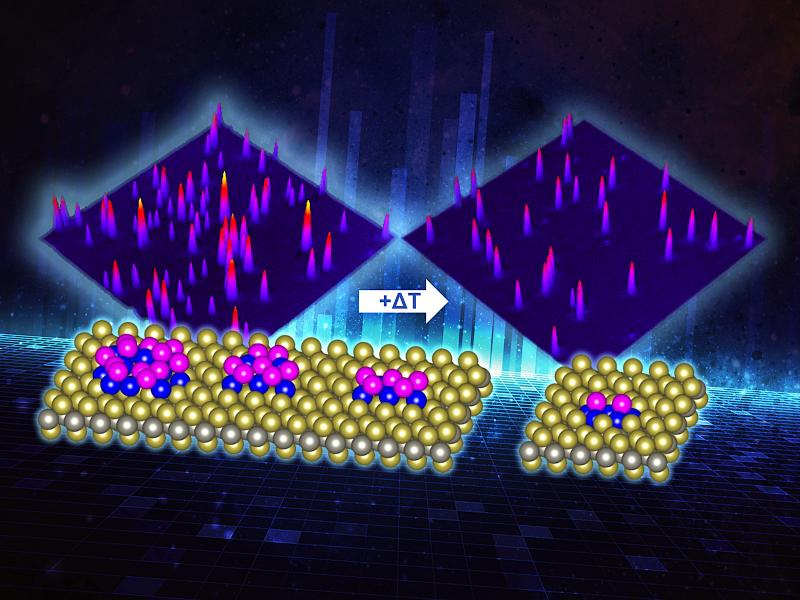
PNNL researchers demonstrated a simple method to create stable, identical nanoparticles of PdTe2-like composition, which is known to be superconducting, on a WTe2 TMD support.