PNNL’s nondestructive evaluation capabilities support advancements in nuclear energy, including research for the U.S. Nuclear Regulatory Commission to preserve the nation’s existing nuclear fleet.
PNNL has formed a partnership with the Orlando-based firm Refinity, which has licensed a key process from PNNL that will help the company convert mixed plastic waste into valuable industrial products like chemicals, plastics, and fuels.
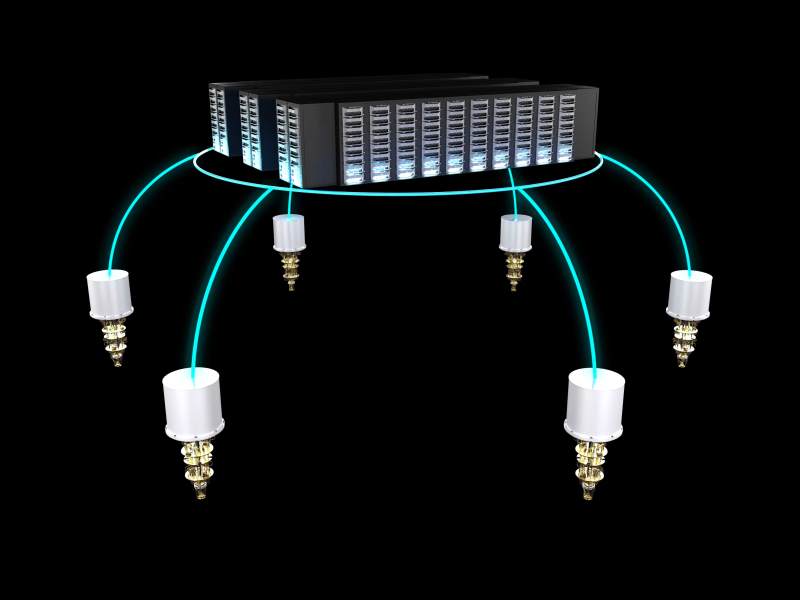
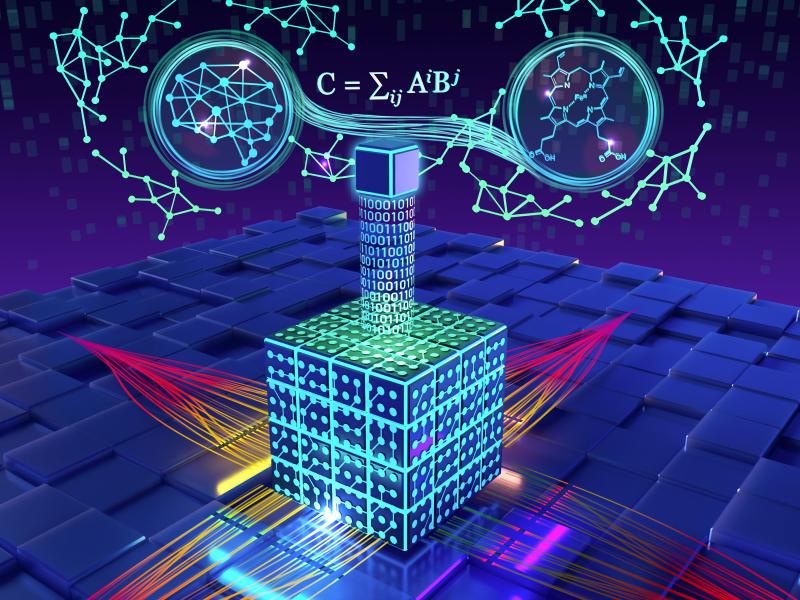
PNNL convenes leaders from the Department of Energy, national laboratories, computing industry and academia for a two-day workshop to advance quantum computing for computational chemistry.
A new report highlights a public workshop hosted by the National Academies Forum on Microbial Threats and features PNNL's Lauren Charles and the AI-Driven One Health Security program.
A research team from Pacific Northwest National Laboratory used machine reasoning to schedule scientific workflows while guaranteeing quality of service (QoS).
PNNL researchers highlighted advances in AI for scientific discovery at the AI+ Expo, showcasing generative AI, autonomous research workflows, and scalable AI systems supporting energy, security, and national competitiveness.
Researchers at PNNL have developed an interpretable, lightweight AI model that can easily predict weld microstructure features using only basic machine sensor inputs.
At a geospatial intelligence conference, senior data scientist Adam Attarian participated in a panel discussing how national laboratories are delivering science, technology, and partnerships to enhance modeling, analysis, and innovation.
A newly published custom collection of glass formulas for nuclear waste vitrification — developed and validated by PNNL over the past three years — was made possible in that timeframe with AI tools, including a PNNL machine learning model.
David Wunschel, a chemist and Laboratory Fellow, participated on a panel focused on how emerging technologies are transforming CBRN defense, detection, and response across military and government operations.