Sam Rosenberg, a data research scientist in the Energy and Environment Directorate at PNNL, has been appointed voting member of the Regional Technical Forum for the Northwest Power Conservation Council.
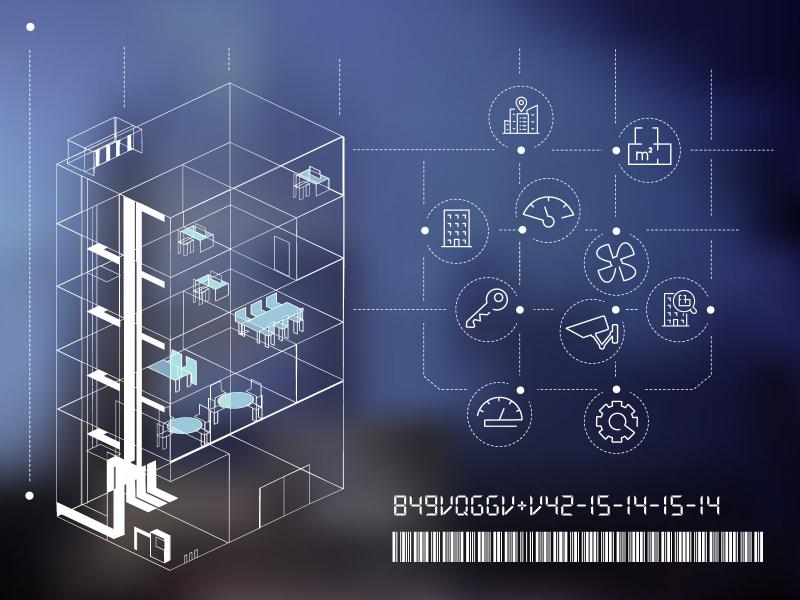
PNNL researchers develop software that uses geographical data to build a free, open-source grid reference system to provide a precise system to locate structures.
From water purification, to better batteries and tools to foil a cyberattack—a look back at how PNNL helped to invent a brighter and better future over the last year.
Human-machine teaming may sound like something from the distant future. In “Human-Machine Teaming: A Vision of Future Law Enforcement” in Domestic Preparedness, Corey Fallon, Kris Cook, and Grant Tietje of PNNL examine this topic.
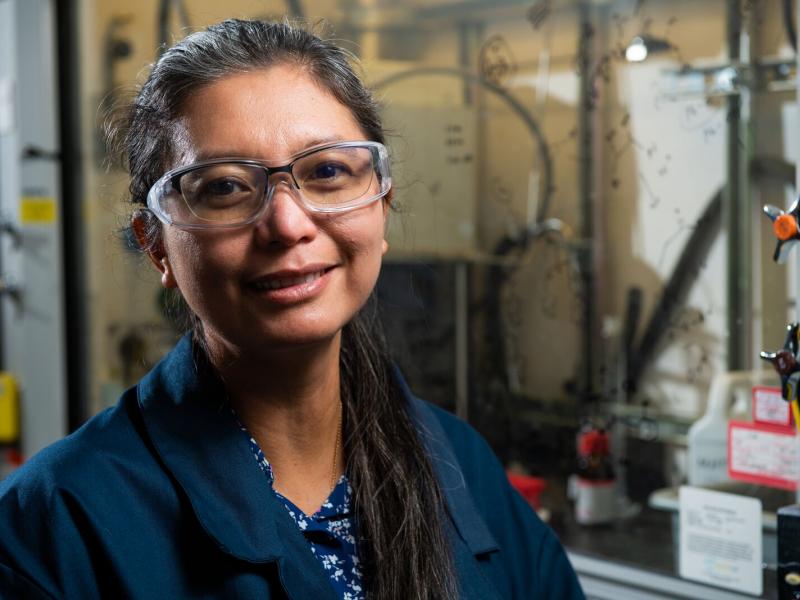
PNNL is highlighting scientific and technical experts in the national security domain who were recently promoted to scientist and engineer level 5, one of PNNL’s most senior research roles.
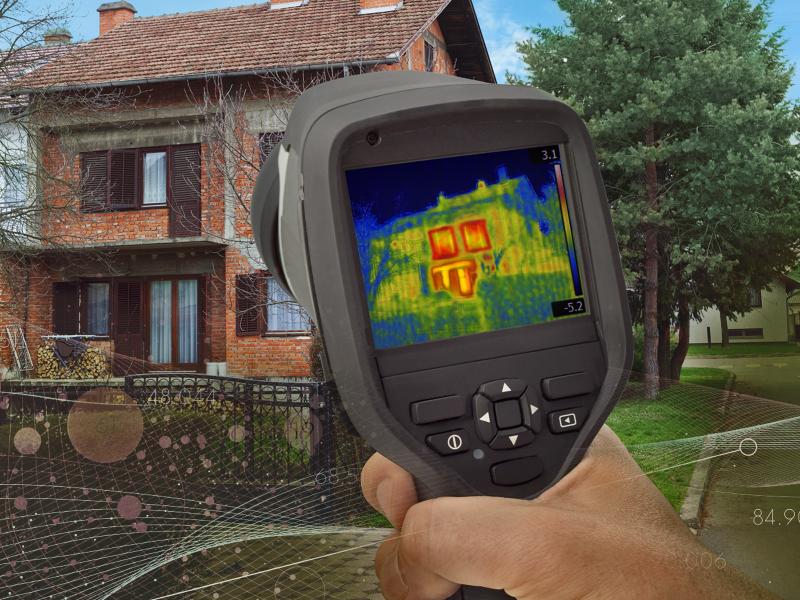
New building energy codes could reduce utility bills by $138 billion and prevent 900 million metric tons of CO2 emissions coming from buildings. Now, they will be easier to adopt.
A research team is exploring the safety and feasibility of clean hydrogen to replace some fossil fuel in medium- and heavy-duty vehicles and maritime uses at the Port of Seattle.
Royer’s research has focused on ensuring that energy efficient lighting technologies, like LEDs, offer quality light so they reach their potential for energy savings.