First-ever measurements provide evidence that supercooled water exists in two distinct structures that co-exist and vary in proportion dependent on temperature.
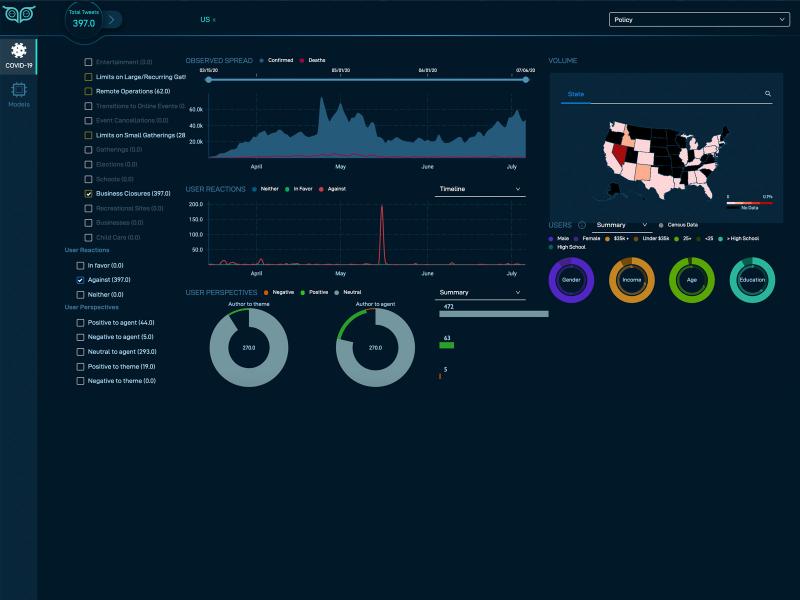
PNNL scientists have created a tool called WatchOwl to collect more than 4 million tweets per day related to the COVID-19 pandemic. The tool analyzes tweets related to interventions like social distancing and movement restrictions.
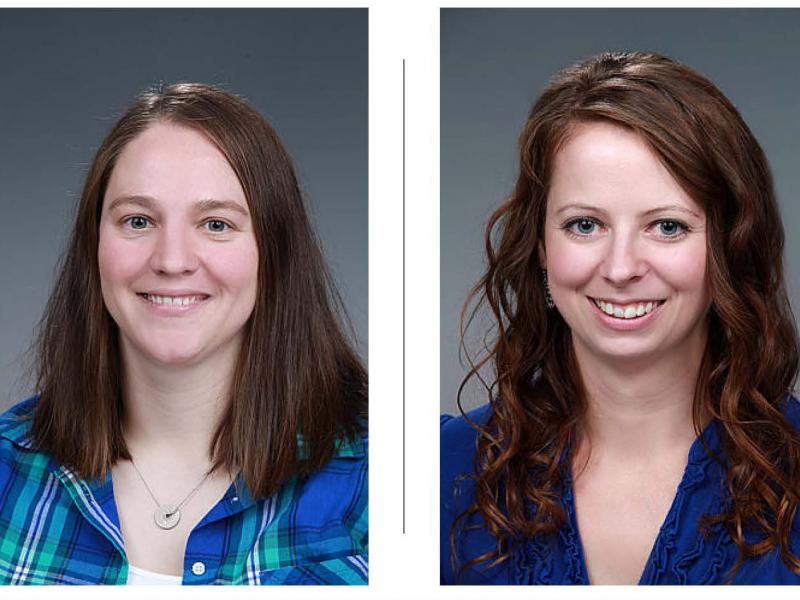
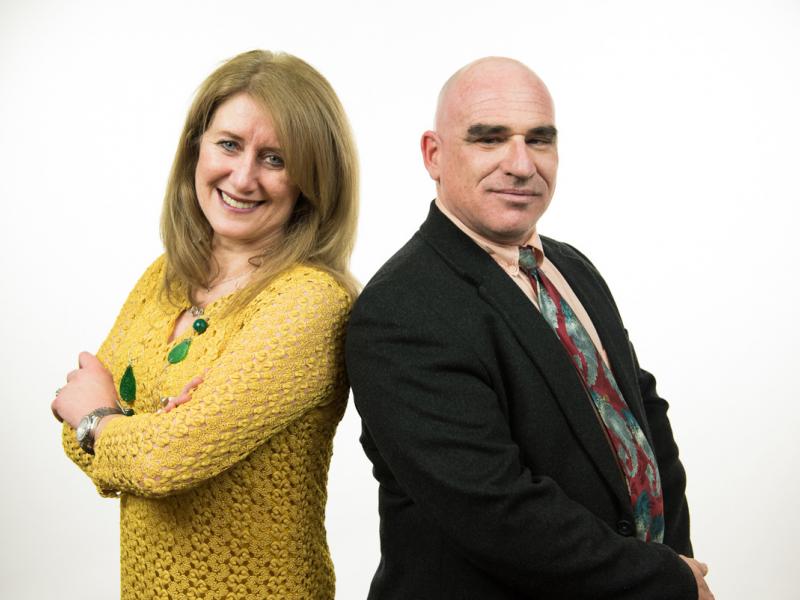
PNNL researchers Lisa Bramer and Sarah Reehl were on a team that received a patent for its work with electron microscopy. Electron microscopy allows scientists to make nanoscale observations of materials.
The National Association of Mathematics named PNNL Data Analyst Brett Jefferson best speaker for his presentation on an innovative mathematical finding that could be used to improve electric grid coverage.
A new book by PNNL biochemist Erick Merkley details forensic proteomics, a technique that directly analyzes proteins in unknown samples, in pursuit of making proteomics a widespread forensic method when DNA is missing or ambiguous.
At a conference featuring the most advanced computing hardware and software, ML in its various guises was on full display and highlighted by Nathan Baker’s featured invited presentation.
PNNL researcher Bruce Kay has been elected to membership in the Washington State Academy of sciences and three other staff members have been elected to positions on the WSAS board of directors.
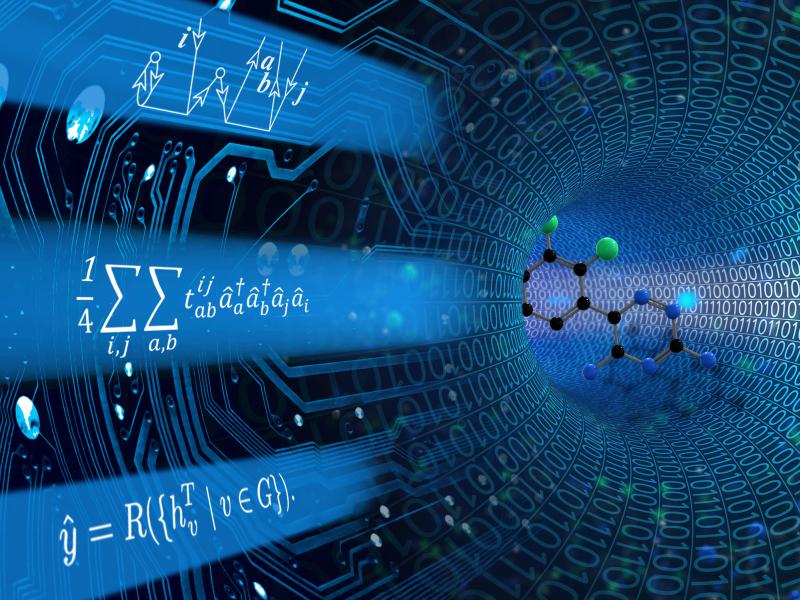
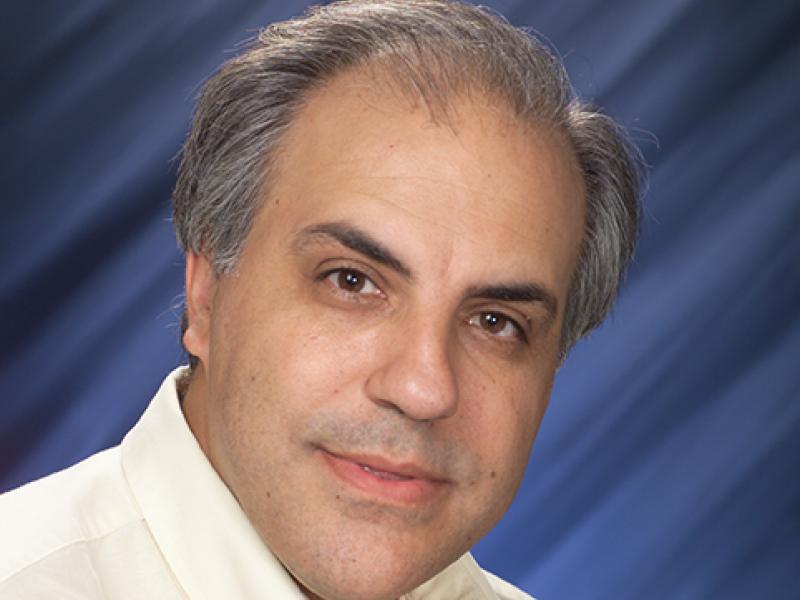
Working with researchers with Tokyo Tech's World Research Hub Initiative in Japan and Canada, Xantheas will combine laboratory methods with computational explorations to study the biological functions of serotonin and nicotine.
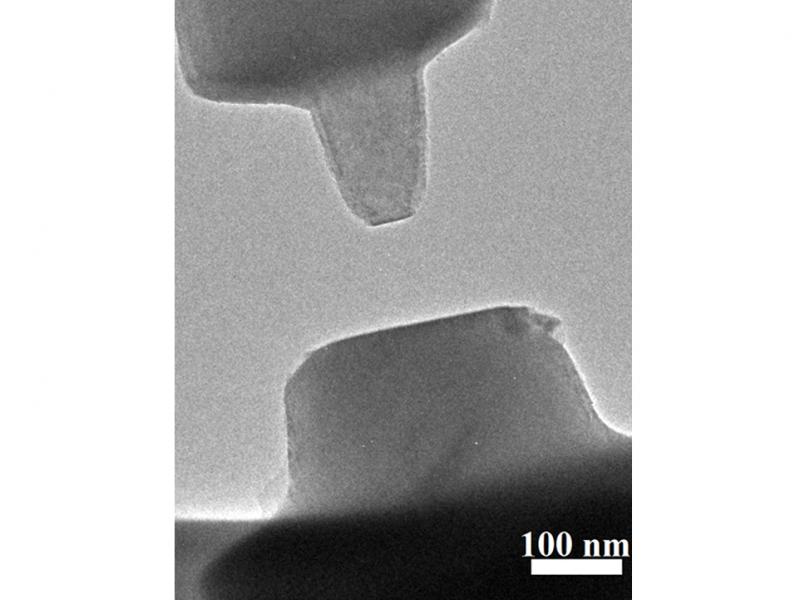
For the first time, researchers have measured the force that draws tiny crystals together and visualized how they swivel and align. Called van der Waals forces, the attraction provides insights into how crystals self-assemble, an activity t
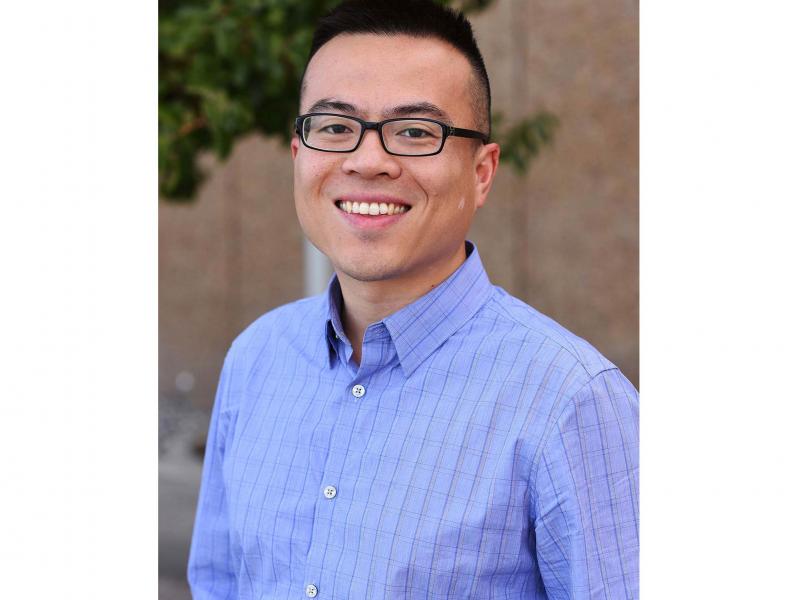
Bo Peng, a Linus Pauling Fellow and molecular sciences researcher at Pacific Northwest National Laboratory, was recognized at the Sanibel Symposium with the Löwdin Postdoctoral Associate Award.
At next week's American Chemical Society meeting, experts spanning a wide range of disciplines will get together to toss around ideas on technologies to capture the carbon dioxide.