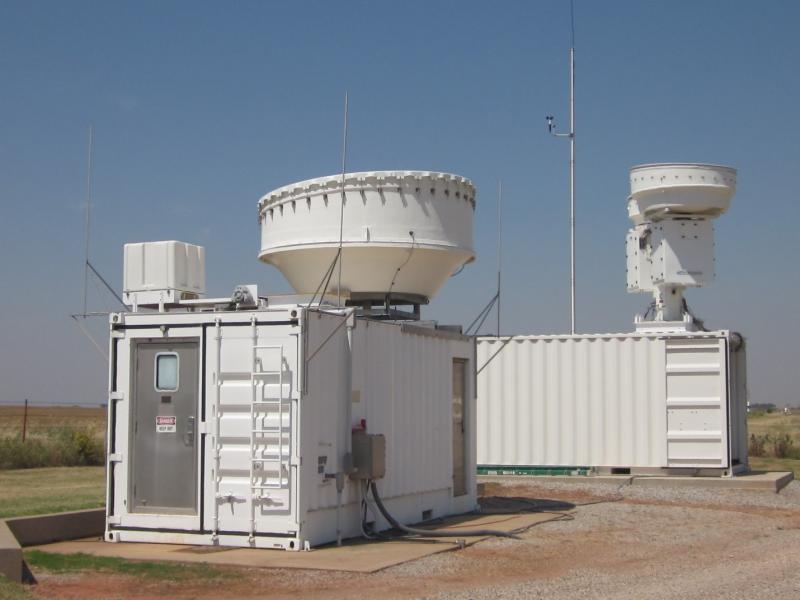
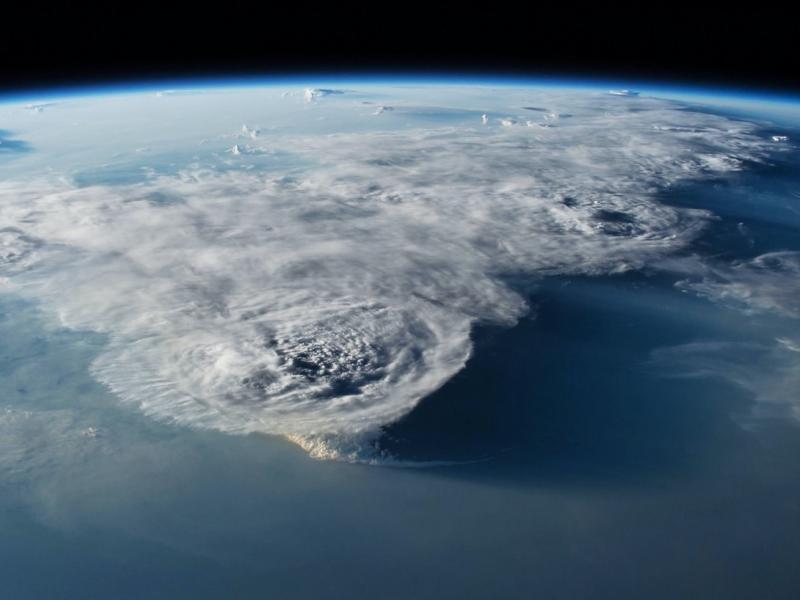
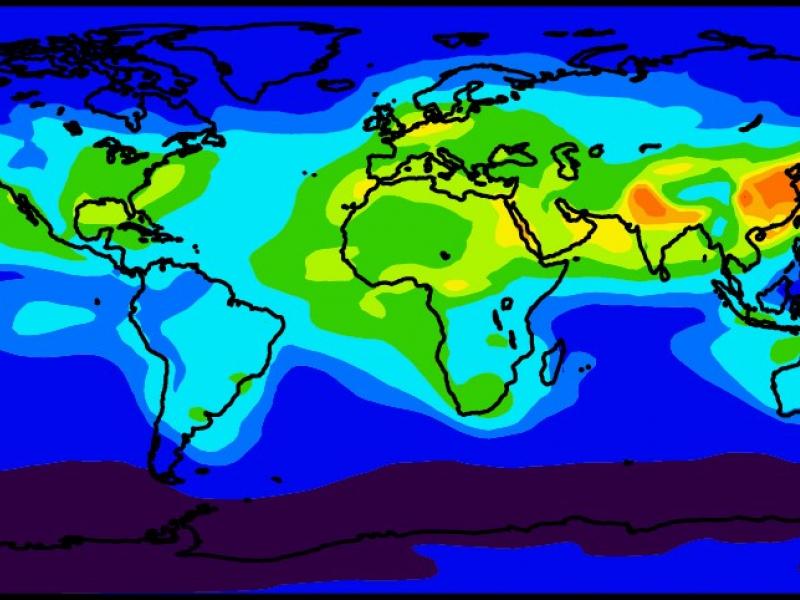
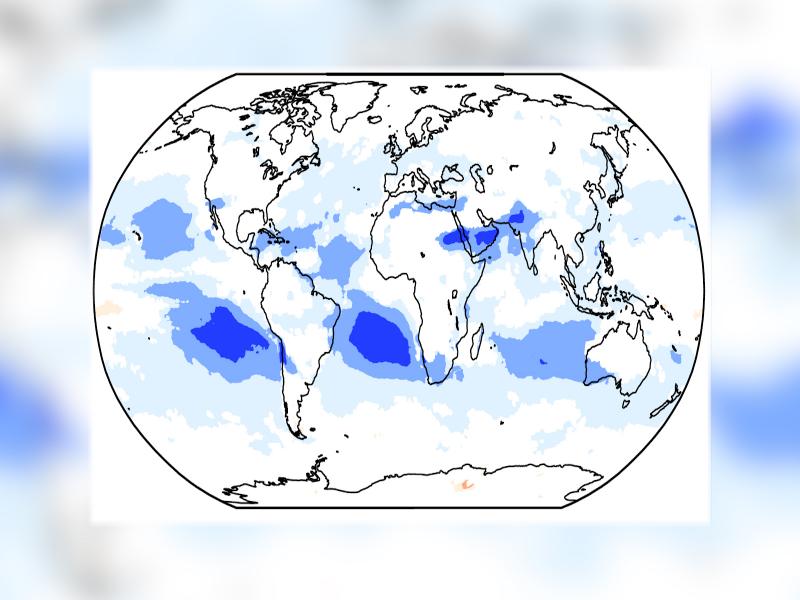
A research project that brings together mathematicians and atmospheric scientists has developed into a deep collaboration for improving atmospheric models.
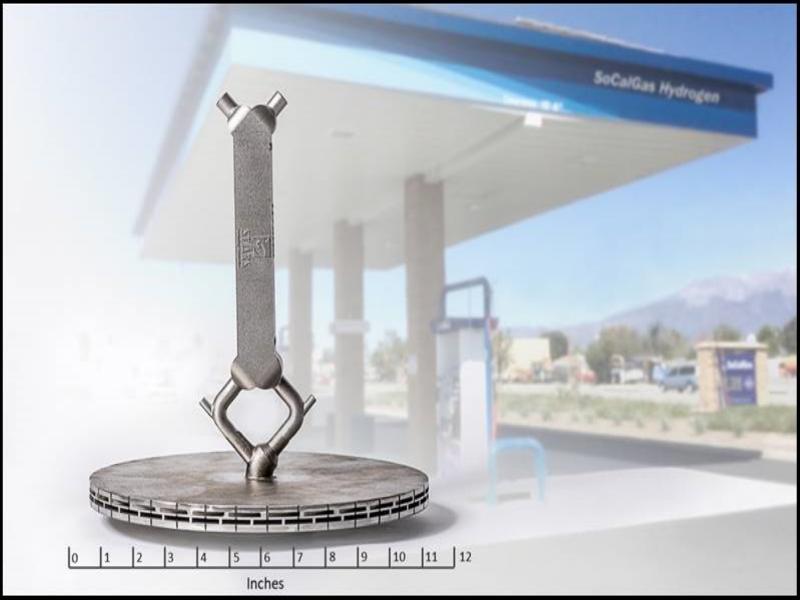
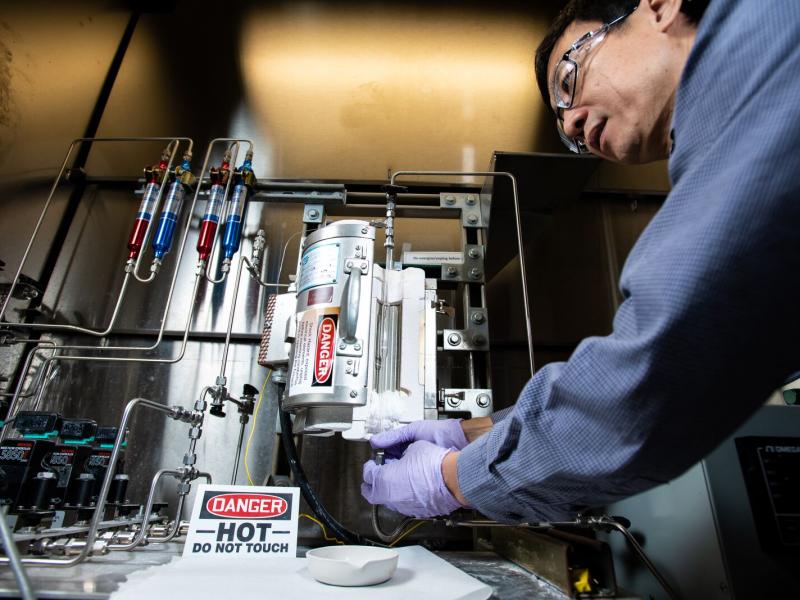
PNNL licensed two technologies to generate hydrogen. One, a reactor design, generates hydrogen from natural gas. The second innovation uses a 3D printing method to economically manufacture the generator.
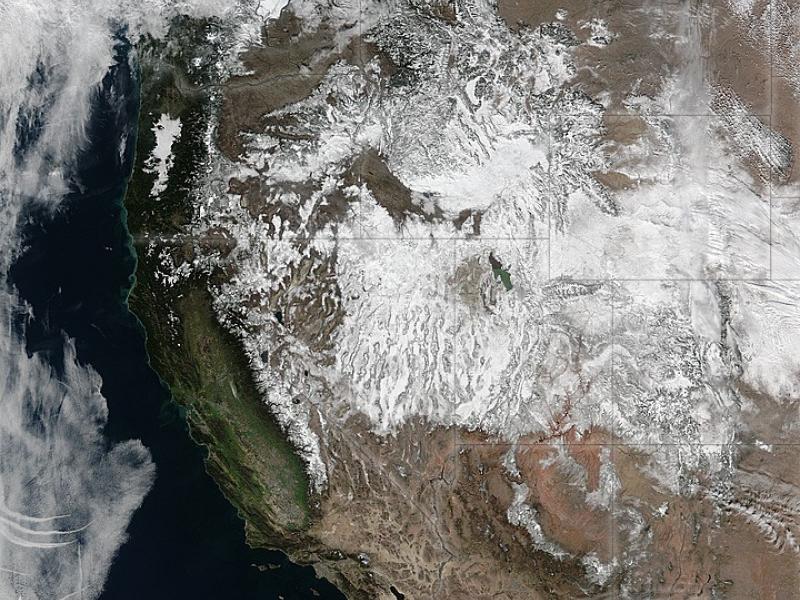
Researchers found that warmer local sea surfaces increase the winter snowpack in the Sierra Nevada mountains, but reduce snowpack in the Cascade range.
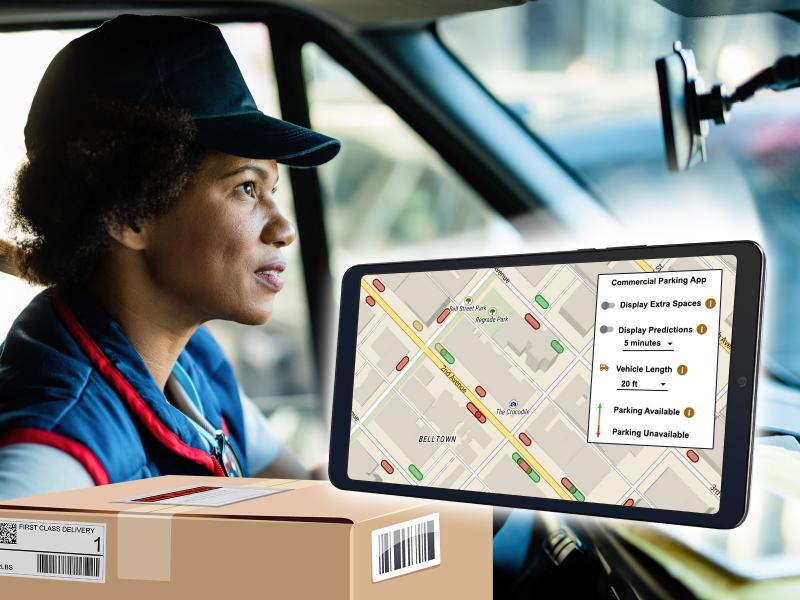
A webapp developed by PNNL in collaboration with the University of Washington to help drive efficiencies for urban delivery drivers is now in the prototype stage and ready for testing.
A collaboration among PNNL, Washington State University, and Tsinghua University has led to the discovery of a mechanism behind the decline in performance of an advanced copper-based catalyst.
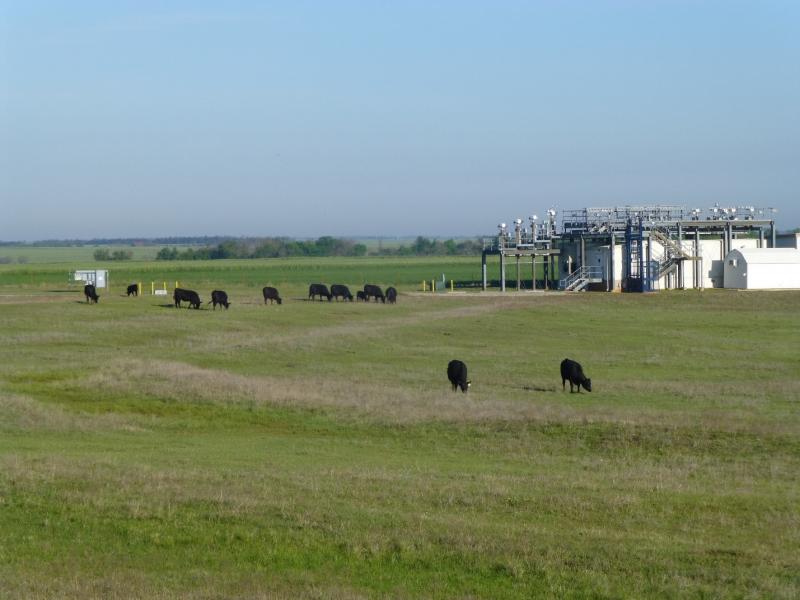
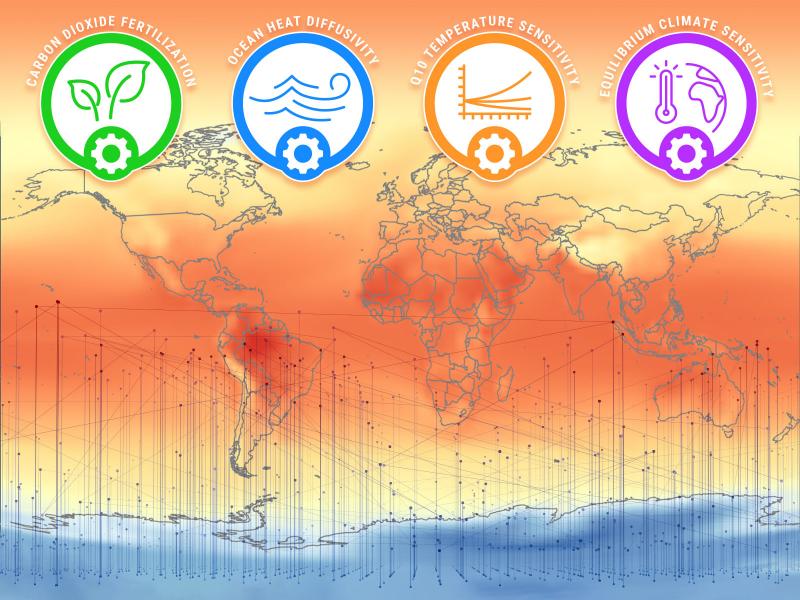
Researchers developed a strategy for quantifying the numerical errors in global simulations of atmospheric clouds and attributing them to components in the computational model.
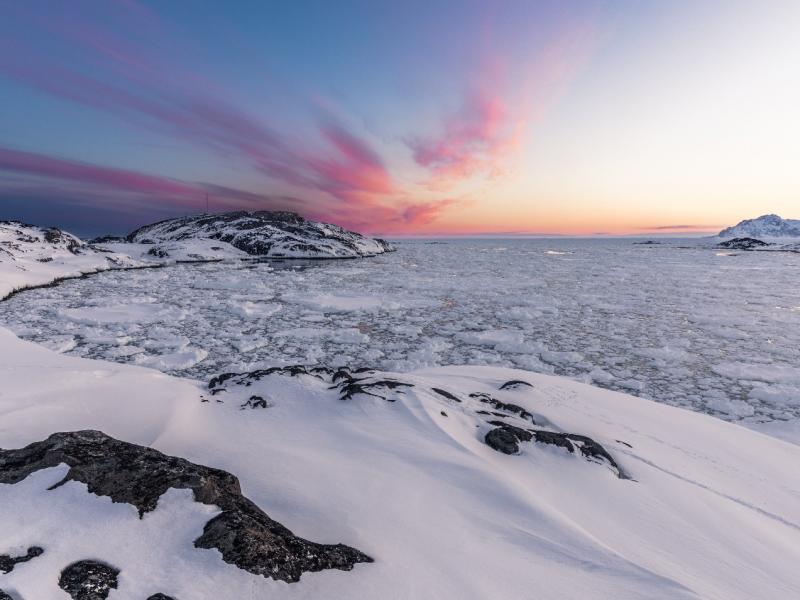
A new decomposition method allows scientists to unravel the atmosphere-ice-ocean interactions that drive Arctic sea ice changes under increasing carbon dioxide levels.
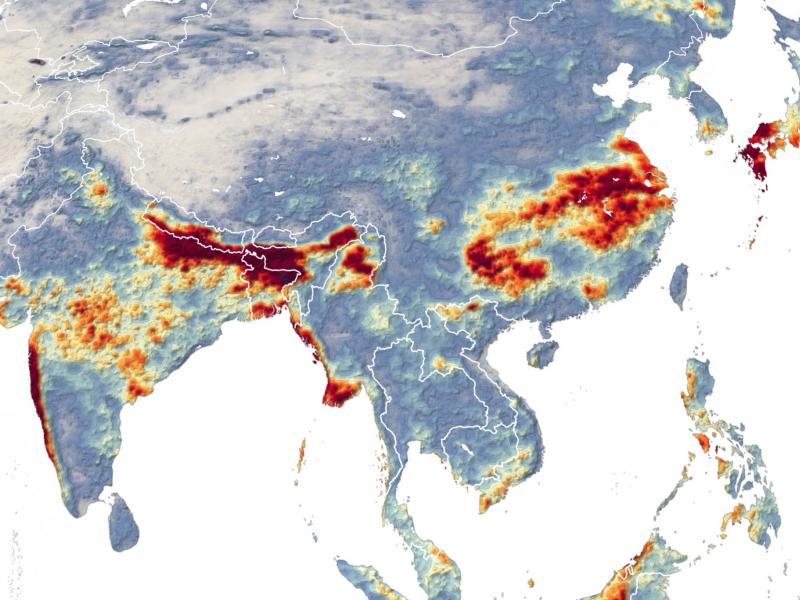
The persistent double-ITCZ bias in Earth system models influences projections of future precipitation in regions that are already under severe water stress.