PNNL has published a workshop report that outlines recommended actions to bring sustainable aviation fuel to the airline industry, using a PNNL-developed technology.
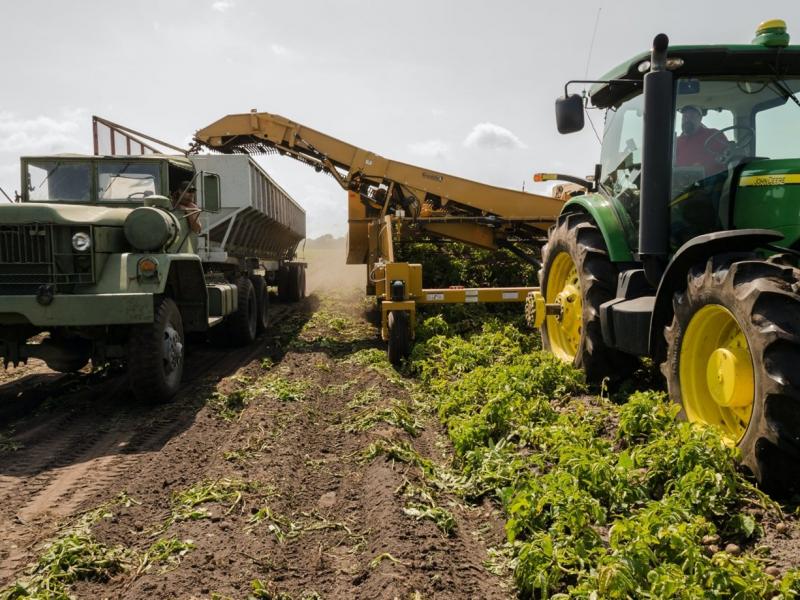
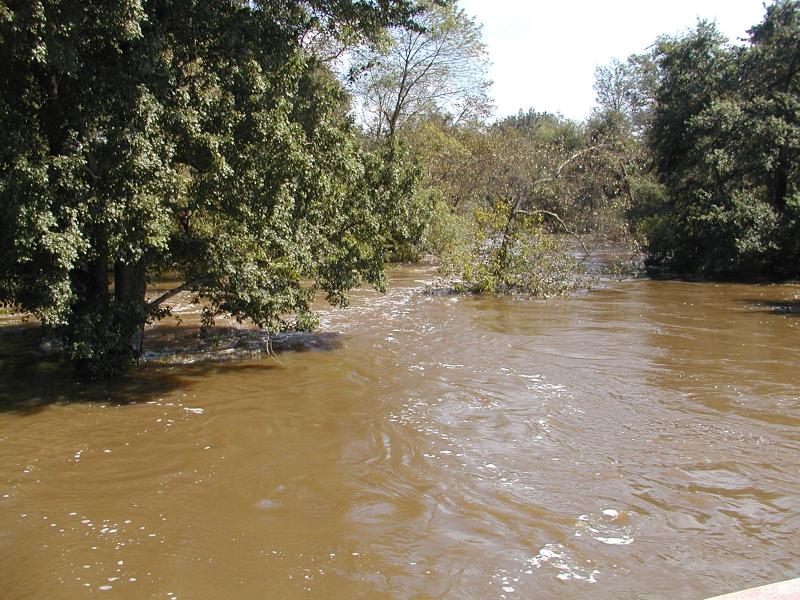
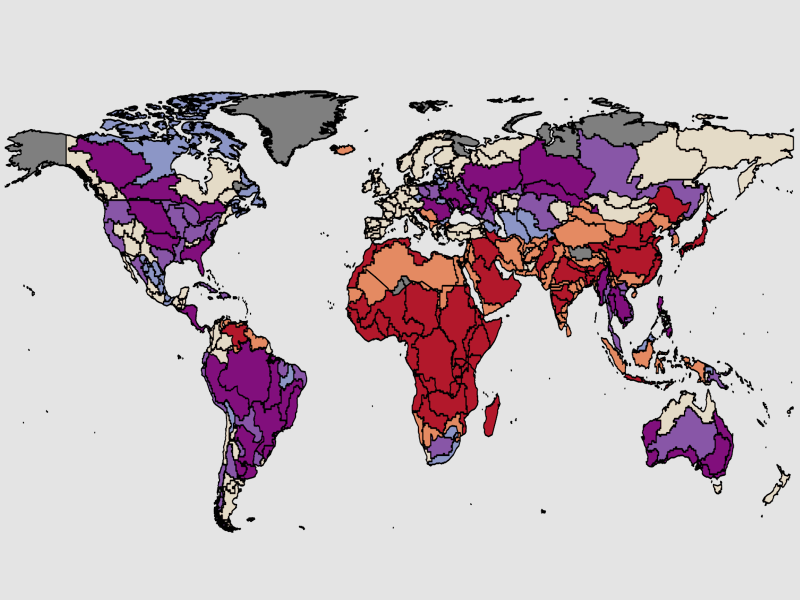
Developing a new approach for defining energy-water-agriculture linkages highlights U.S. regions where focusing on individual sectors may miss cross-sectoral impacts.
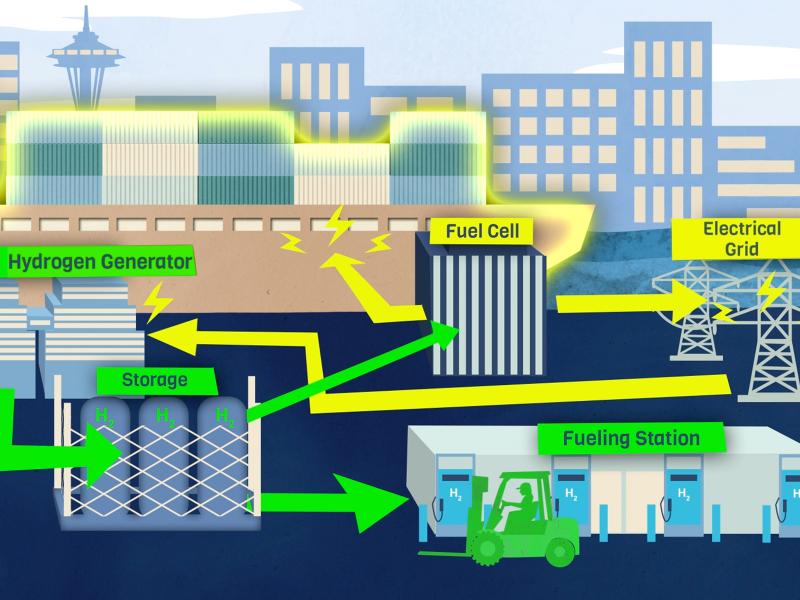
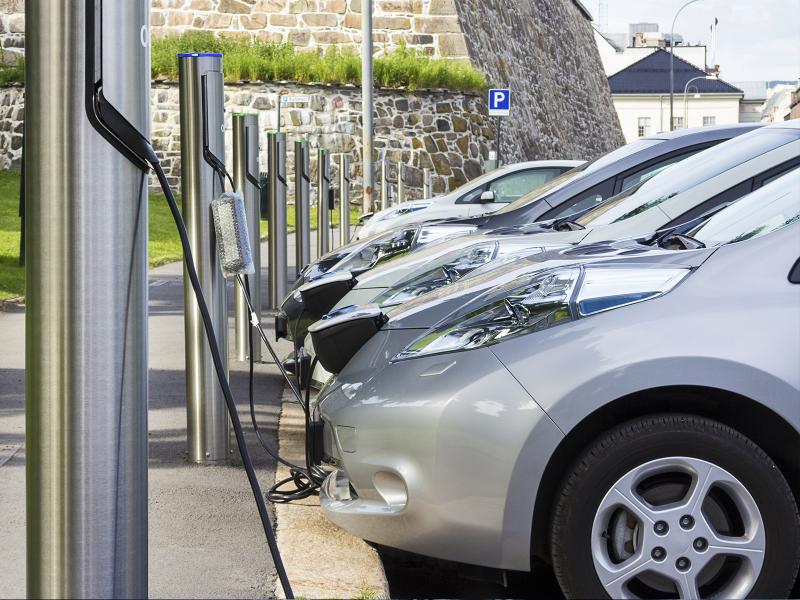
A research team is exploring the safety and feasibility of clean hydrogen to replace some fossil fuel in medium- and heavy-duty vehicles and maritime uses at the Port of Seattle.
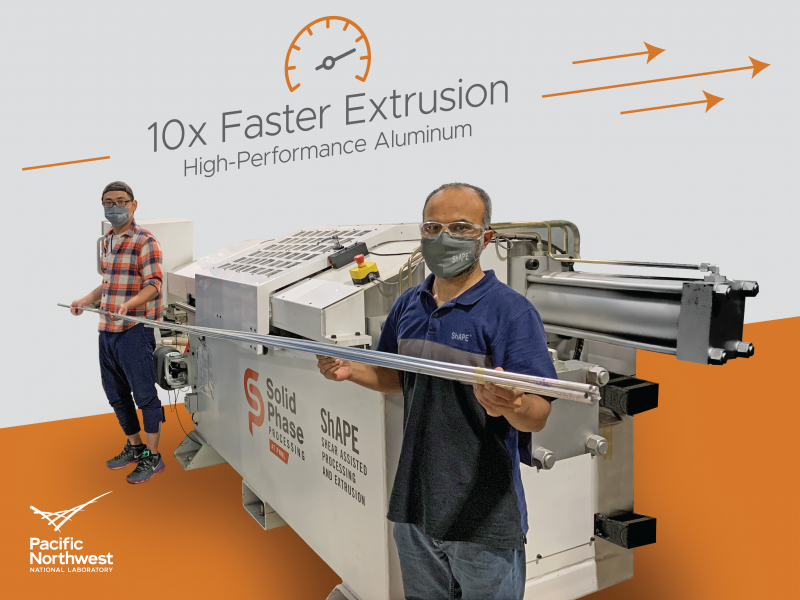
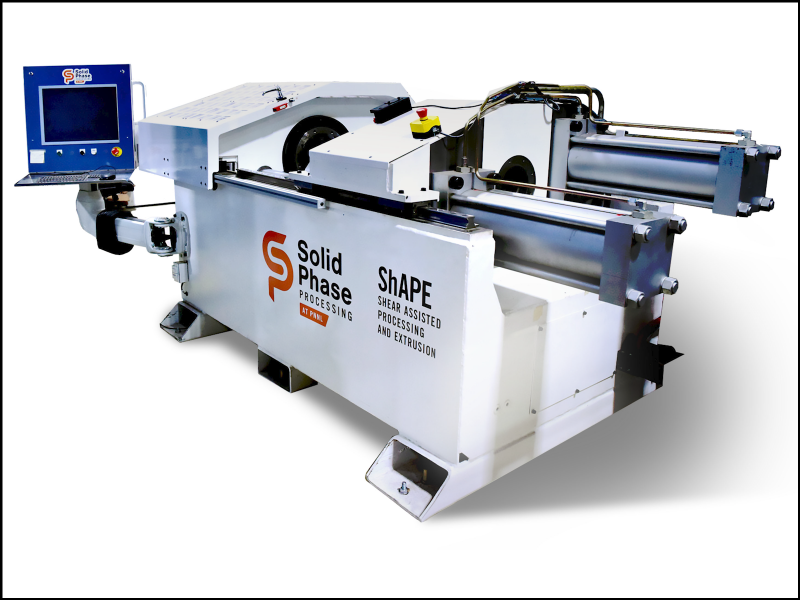
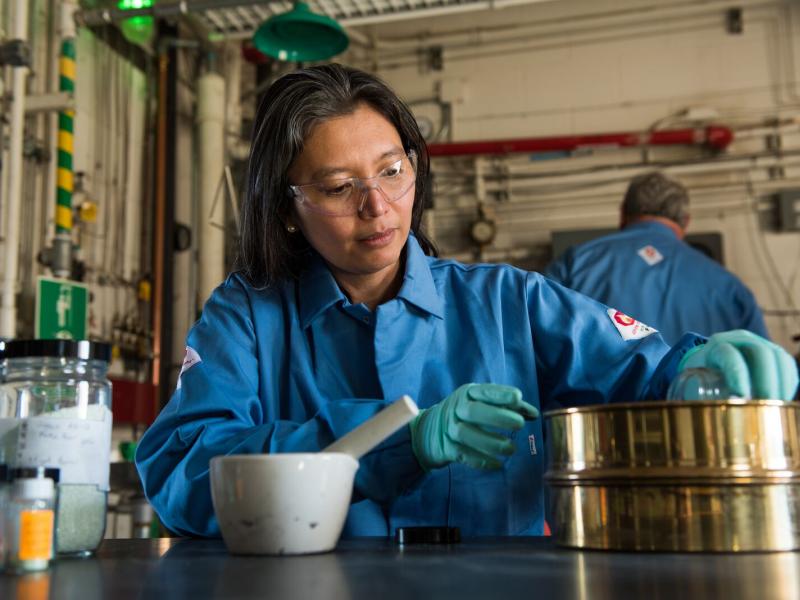
Developed at PNNL, Shear Assisted Processing and Extrusion, or ShAPE™, uses significantly less energy and can deliver components like wire, tubes and bars 10 times faster than conventional extrusion, with no sacrifice in quality.
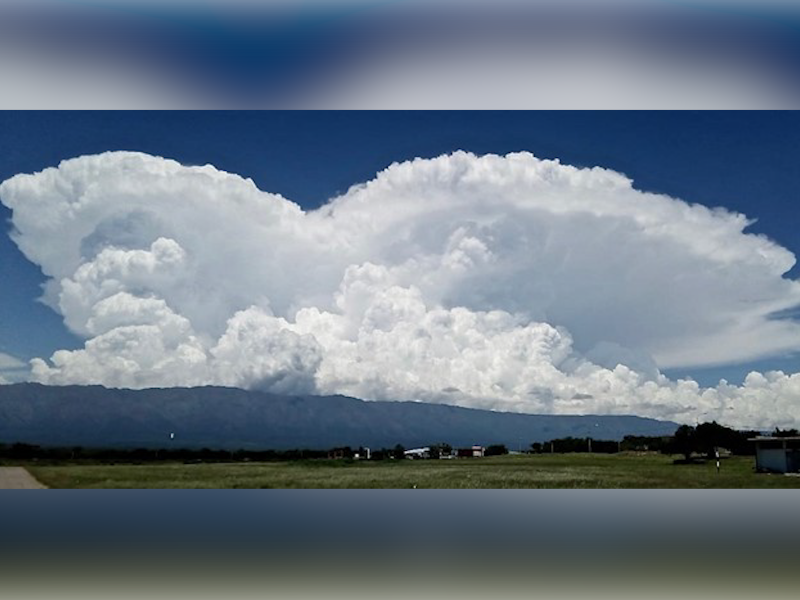
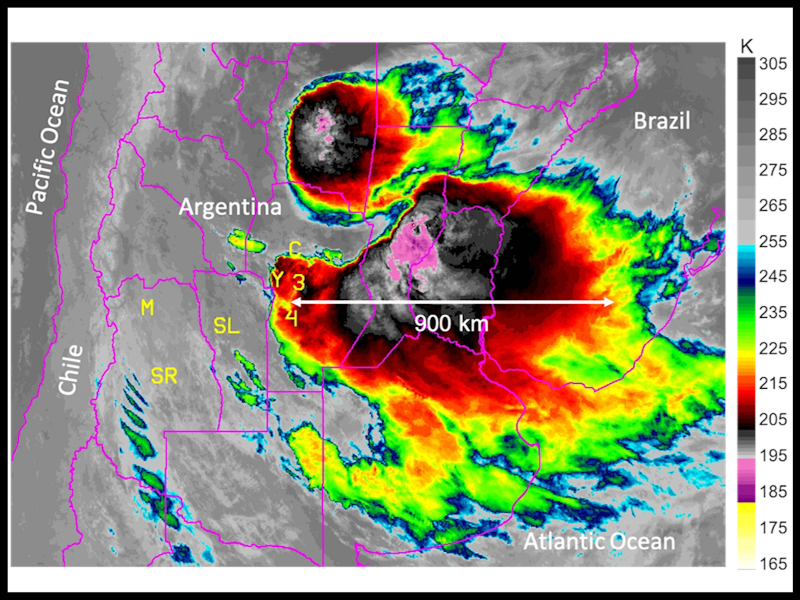
Simulations accurately predicted storm cloud shield timing and growth, but not rain intensities, for over 300 tracked storm complexes in a storm-generating hotspot in Argentina.
PNNL has received 119 R&D 100 Awards since 1969, when the laboratory began submitting entries in the contest that recognizes top 100 inventions each year.
An energy-efficient method to extrude metal components wins Association of Washington Business Green Manufacturing Award. PNNL’s Shear Assisted Processing and Extrusion™ technology consumes less energy and enhances material properties.
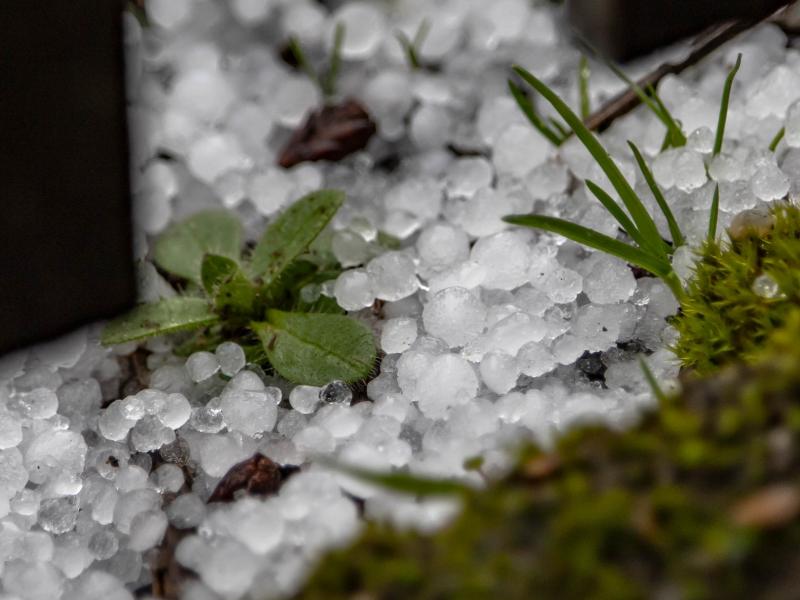
Four factors, the El Niño-Southern Oscillation, North Atlantic subtropical high, low-level jet, and water vapor transport from Gulf of Mexico, primarily influence hail occurrence in the Northern Great Plains