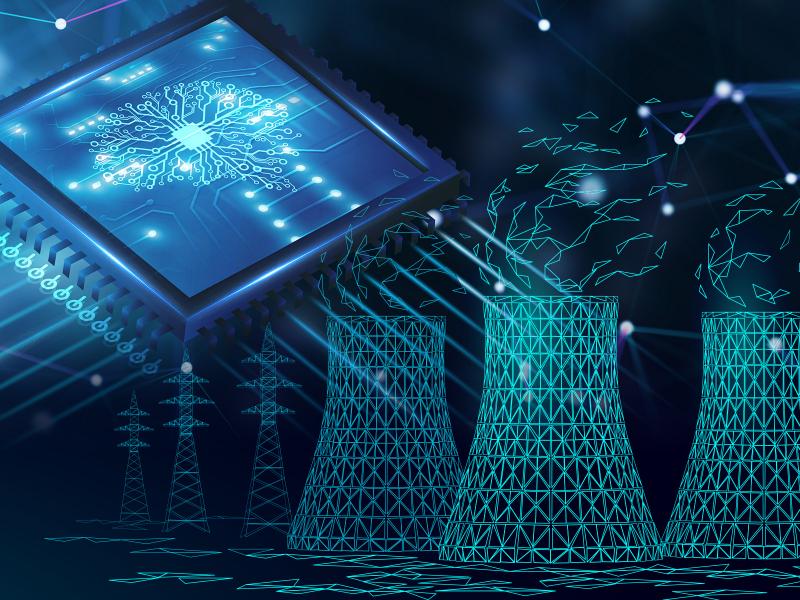
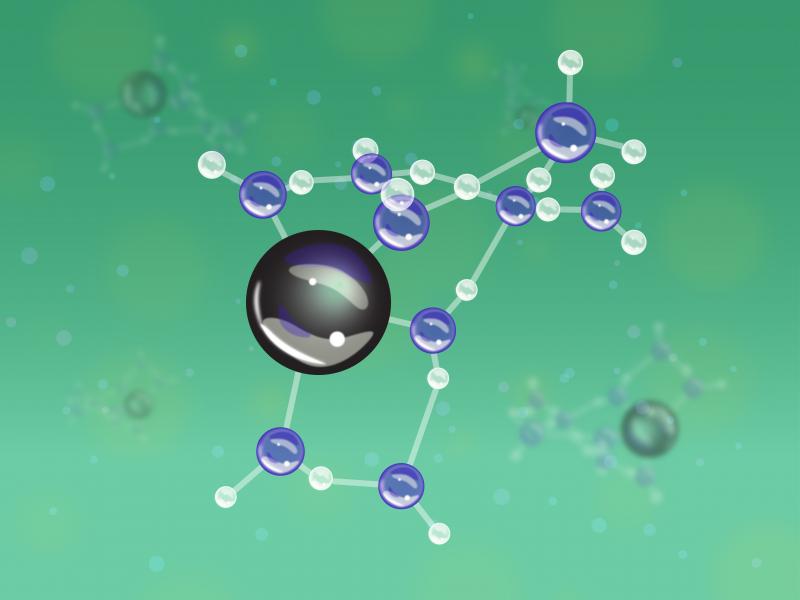
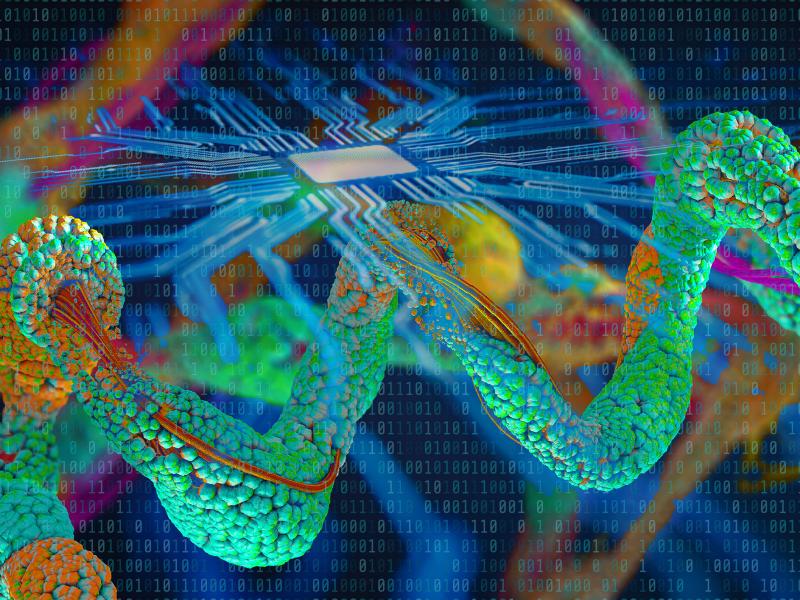
To overcome high-performance computing bottlenecks, a research team at PNNL proposed using graph theory, a mathematical field that explores relationships and connections between a number, or cluster, of points in a space.
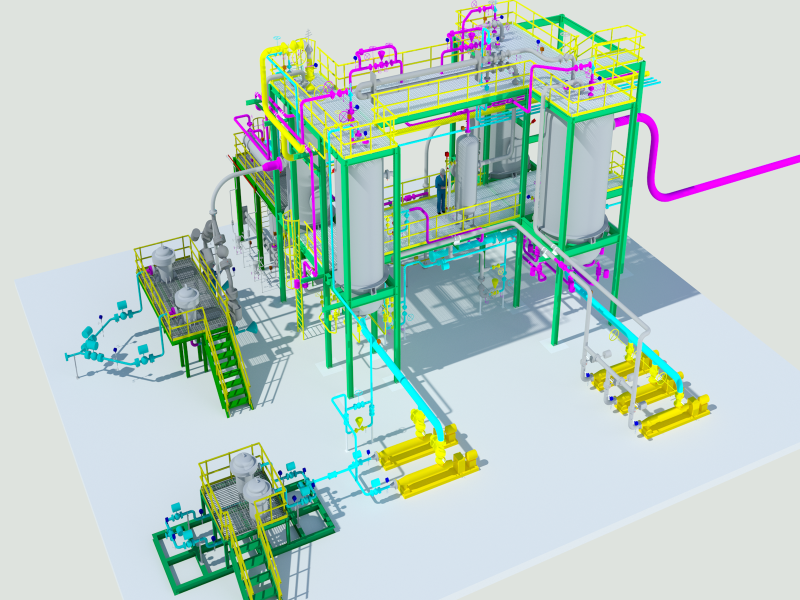
A PNNL innovation uses steam to recover heat from the high-temperature reactor effluent in the HTL process, substantially reducing the propensity for fouling and potentially reducing costs.
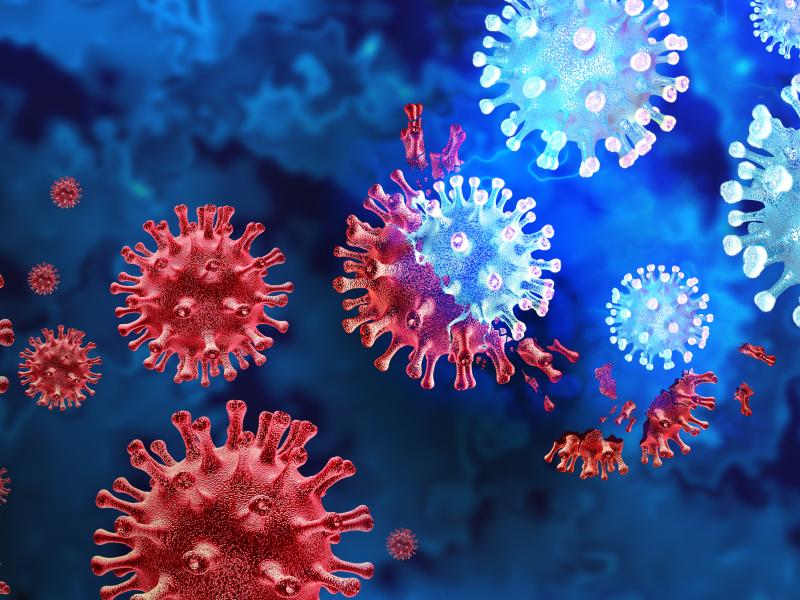
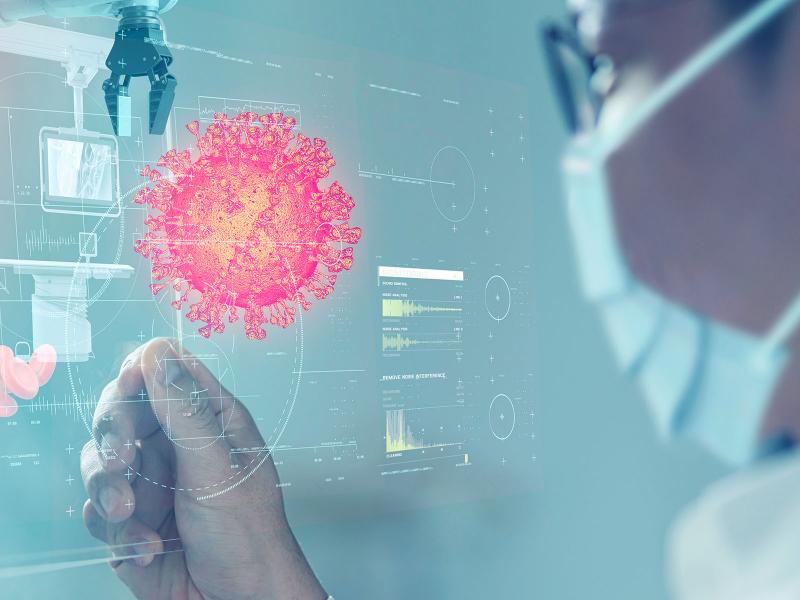
To thwart pathogens, researchers in the epidemiology field of infectious disease (ID) prediction are continuously trying to forecast when, where, and how an ID event will occur.
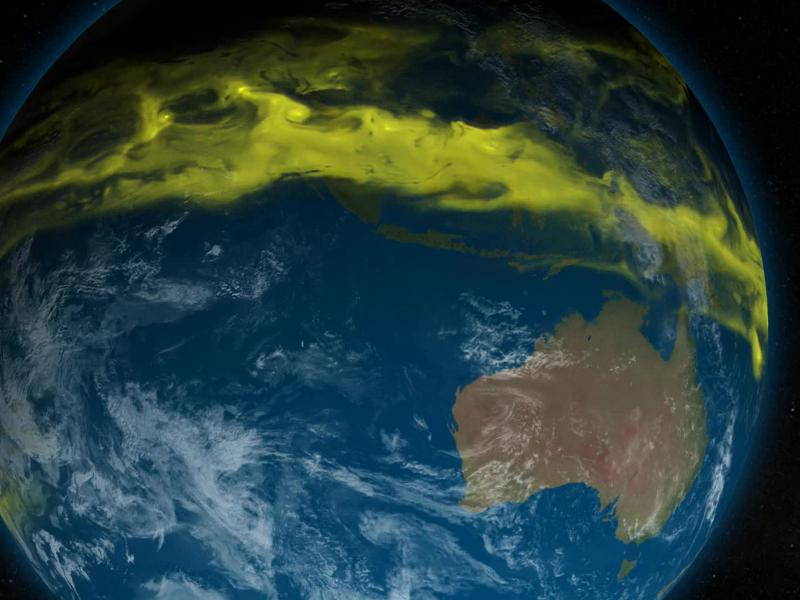
A new web-based tool provides easy-to-understand progress metrics and other data about groundwater cleanup sites overseen by the DOE Office of Environmental Management.
A process developed at PNNL that converts biomass and waste into a chemical intermediate or into gasoline, diesel, and jet fuel is available for commercial licensing.
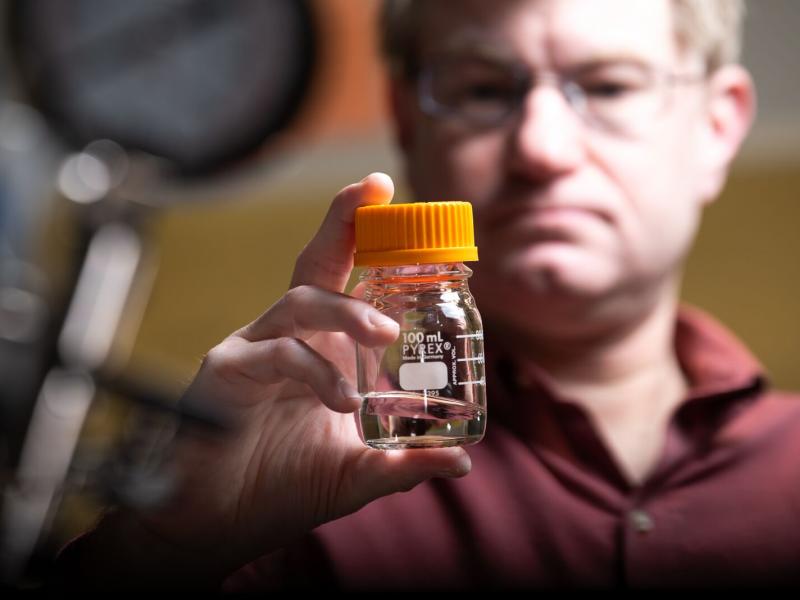
Mowei Zhou, a chemist with the Environmental Molecular Sciences Laboratory, is speaking at the ACS spring conference on his latest protein discoveries for a plant that could transform biofuels production.