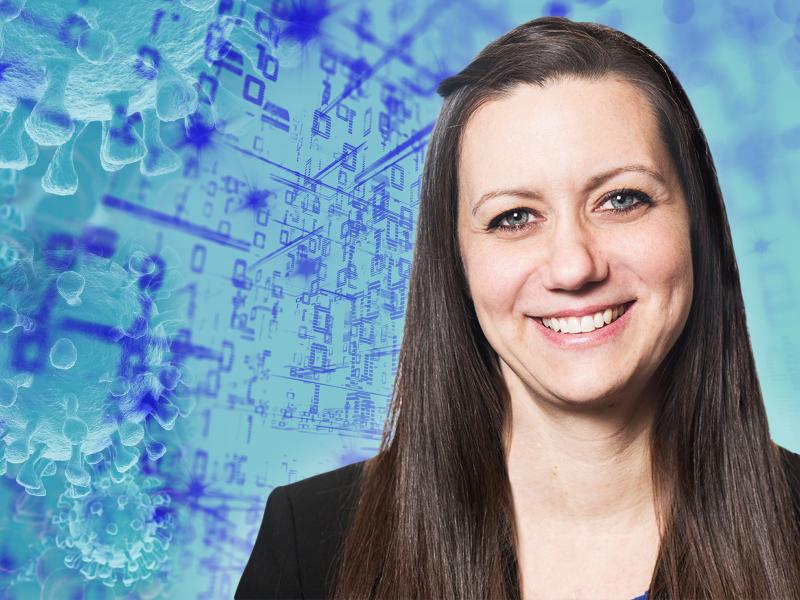
Anika Halappanavar’s research into COVID-19 misinformation earned her recognition by the Washington State Academy of Sciences as one of the state’s top high school researchers.
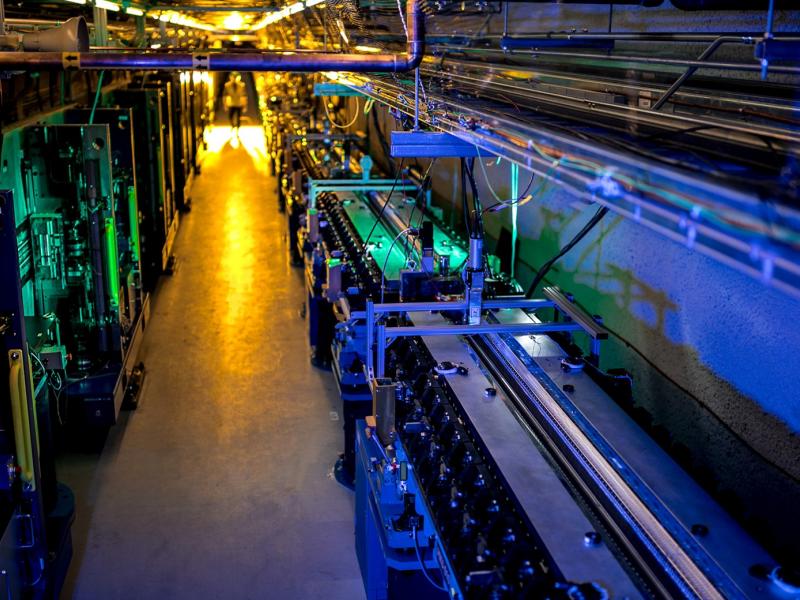
IDREAM researchers assess the potential of photon-in/photon-out XFEL techniques to explore early time reaction steps and ultimately improve nuclear waste processing strategies.
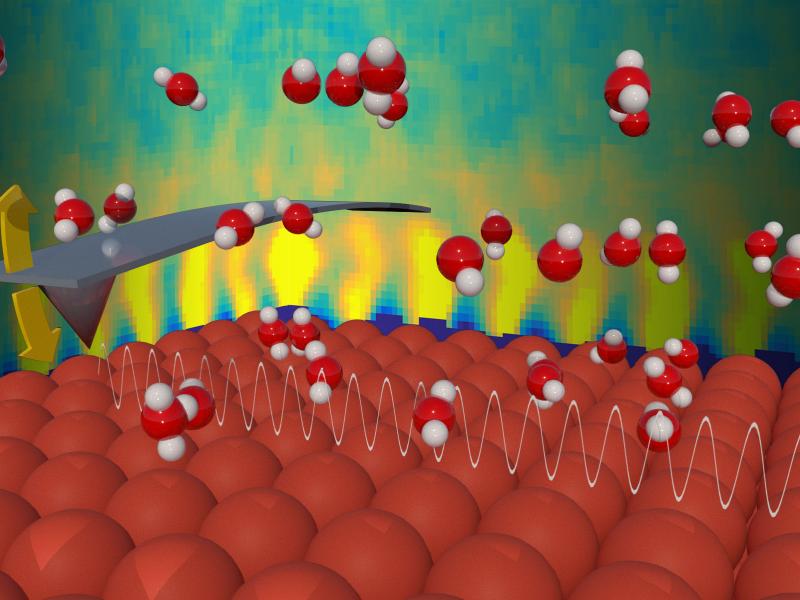
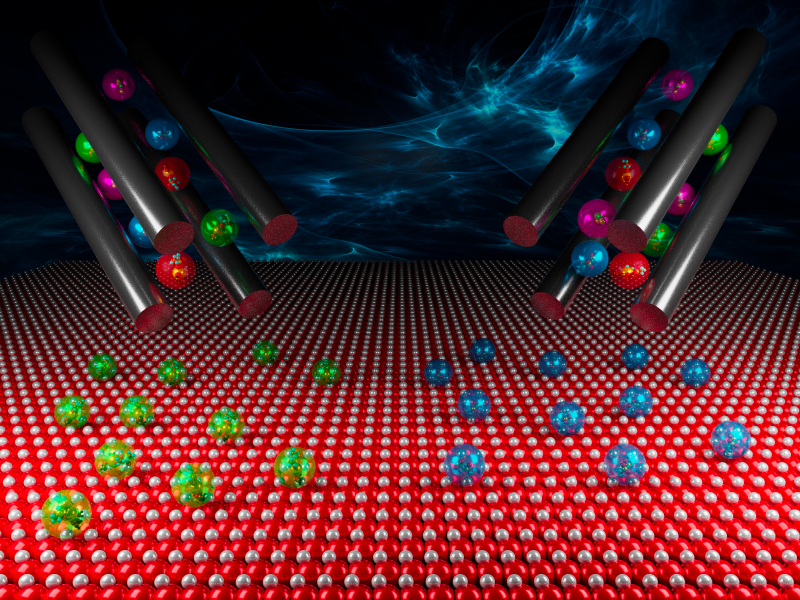
In adjoining Energy Sciences Center laboratories, researchers develop better energy storage devices by understanding the fundamental reactions that form interfaces.
PNNL is highlighting scientific and technical experts in the national security domain who were recently promoted to scientist and engineer Level 5, one of PNNL’s most senior research roles.
IDREAM wins Department of Energy art contest with entry that illuminates how IDREAM scientists pivoted during pandemic to accomplish critical nuclear research.
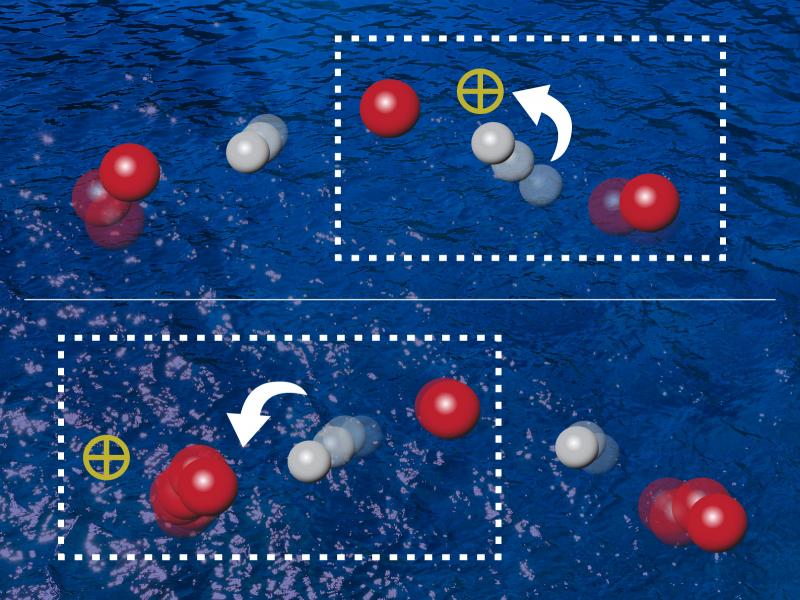
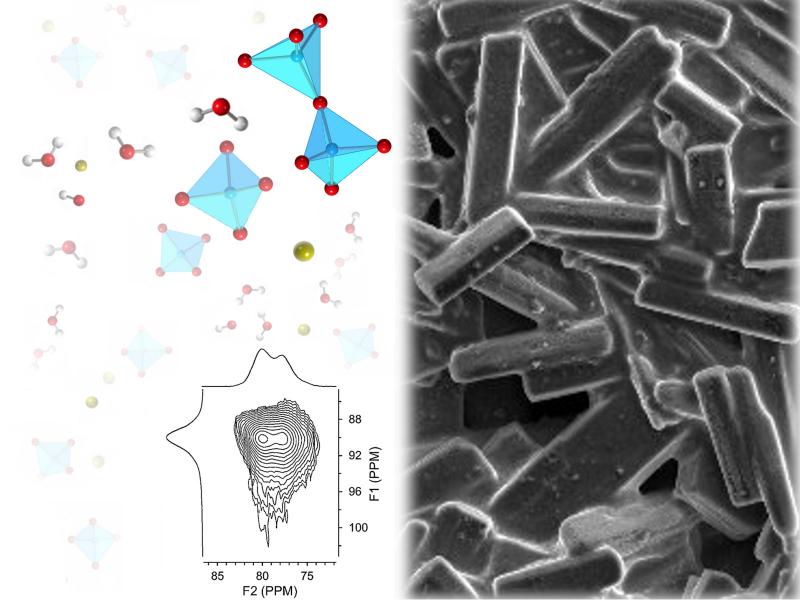
IDREAM study characterizes chemical species and mechanisms that control aluminum salt and mineral crystallization for nuclear waste retrieval, processing.
A team of PNNL researchers are looking at how to evaluate robustness and accountability, fairness, and transparency of artificial intelligence models used to detect and quantify deceptive content online.
A Q&A with Lauren Charles, veterinarian and PNNL data scientist, on zoonotic diseases and the role biosurveillance plays in mitigating the growing threat to global health.
More than 30 PNNL interns contributed to the Airport Risk Assessment Model, a web-based tool that helps airport security stakeholders prioritize resource allocations.
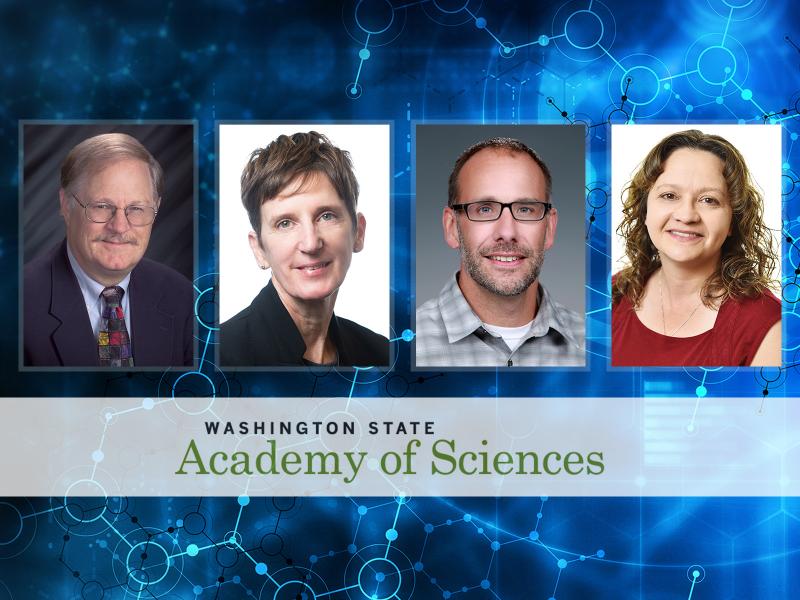
The Washington State Academy of Sciences consists of more than 300 elected members who are nationally recognized for their scientific and technical expertise.