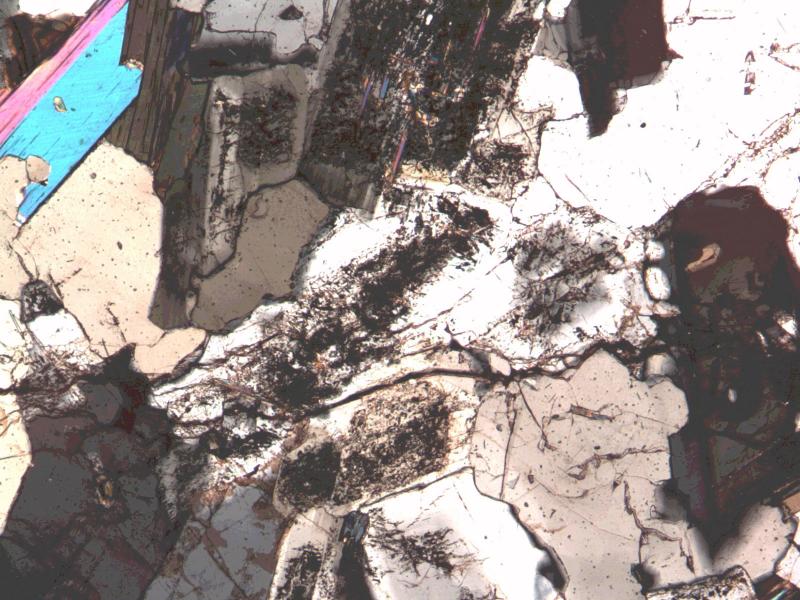
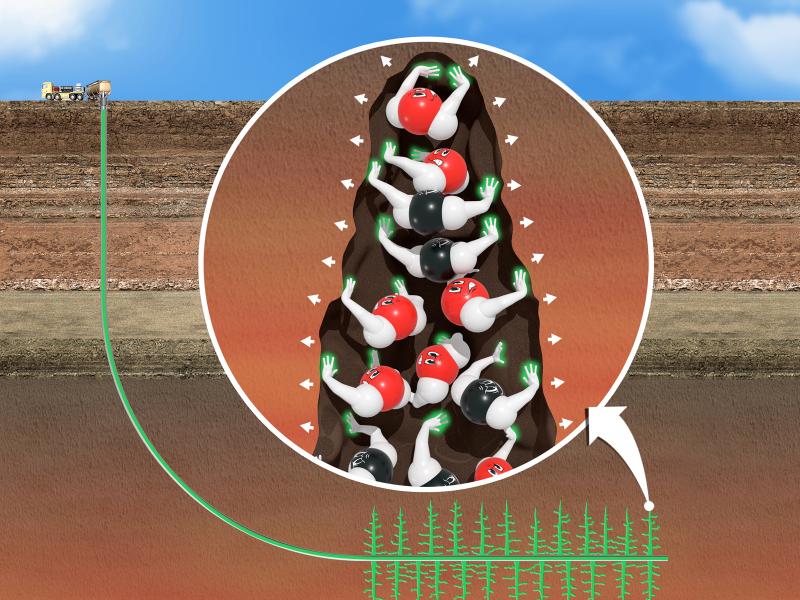
A research team from Pacific Northwest National Laboratory developed an apparatus that evaluates the performance of high-temperature fluids in hydraulic fracturing for enhanced geothermal systems.
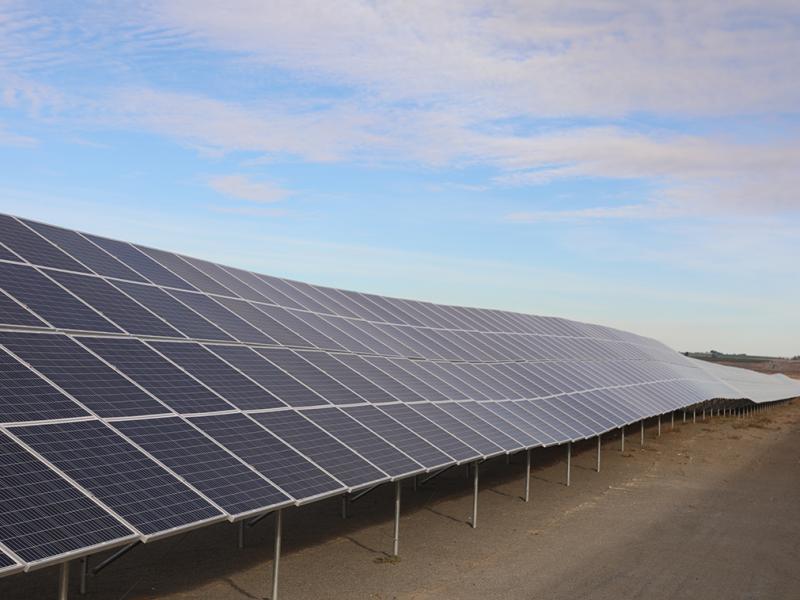
PNNL is one of the collaborating partners on a new grid-scale solar and energy storage installation near the PNNL campus in a project led by Energy Northwest.
Five PNNL technologies were recently awarded six R&D 100 honors. The R&D 100 Awards, now in its 58th year, recognize pioneers in science and technology from industry, the federal government, and academia.
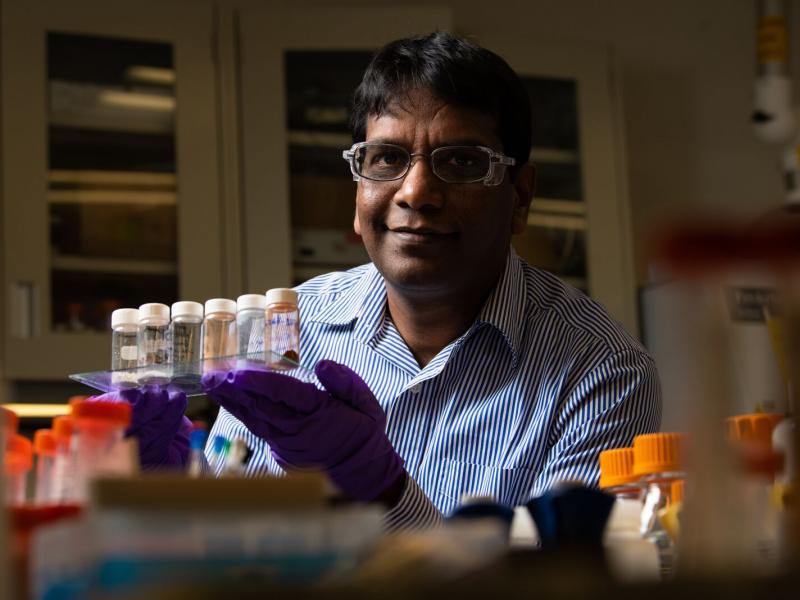
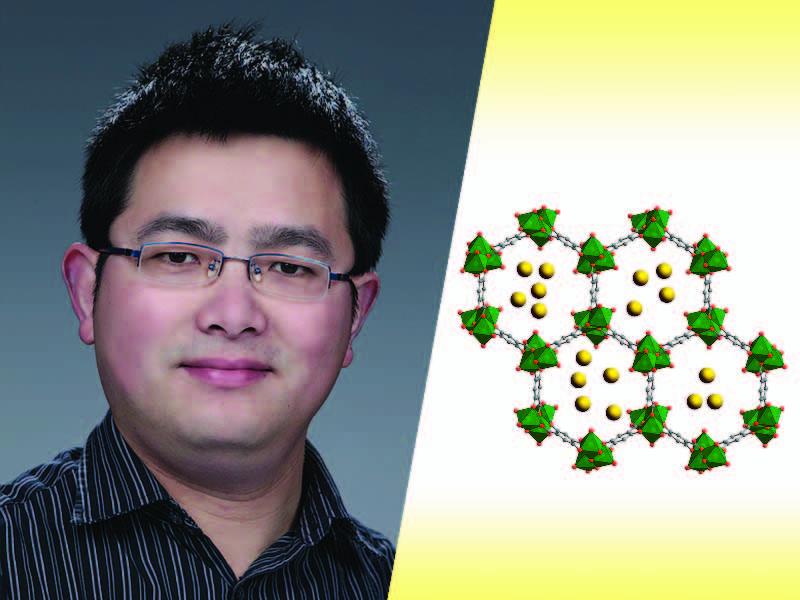
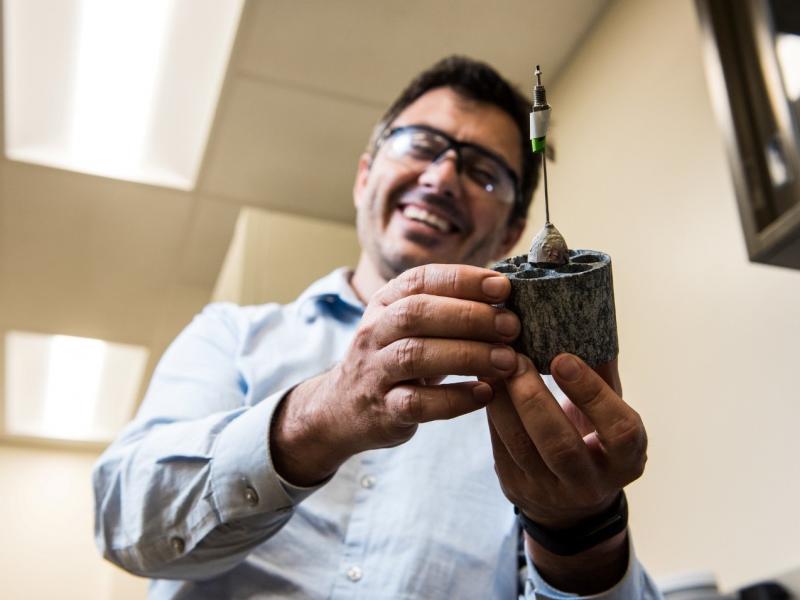
PNNL scientists have created an improved metal-organic framework (MOF) for adsorption cooling, that performs at least 40 percent better than its predecessors.
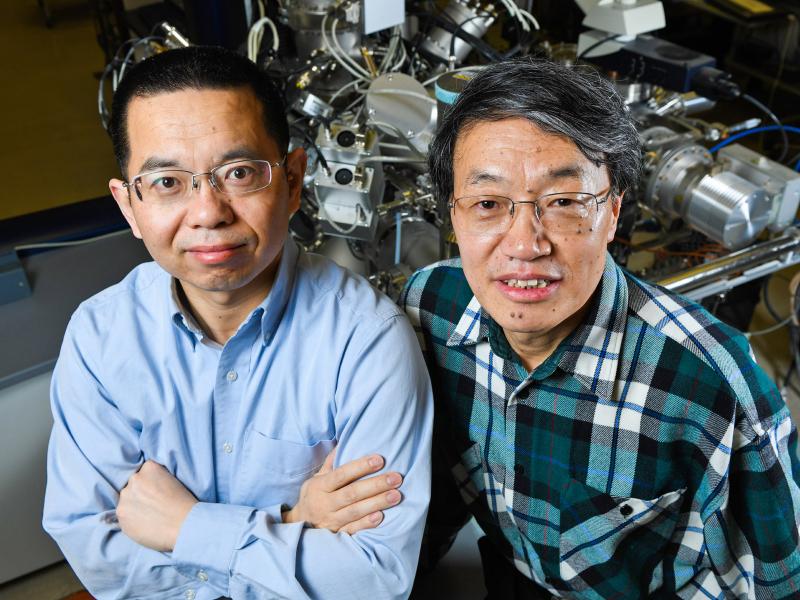
PNNL and Oklahoma State University join forces to understand the chemistry of sodium-ion and potassium-ion batteries thanks to an award from the U.S. Department of Energy's Established Program to Stimulate Competitive Research (EPSCoR).
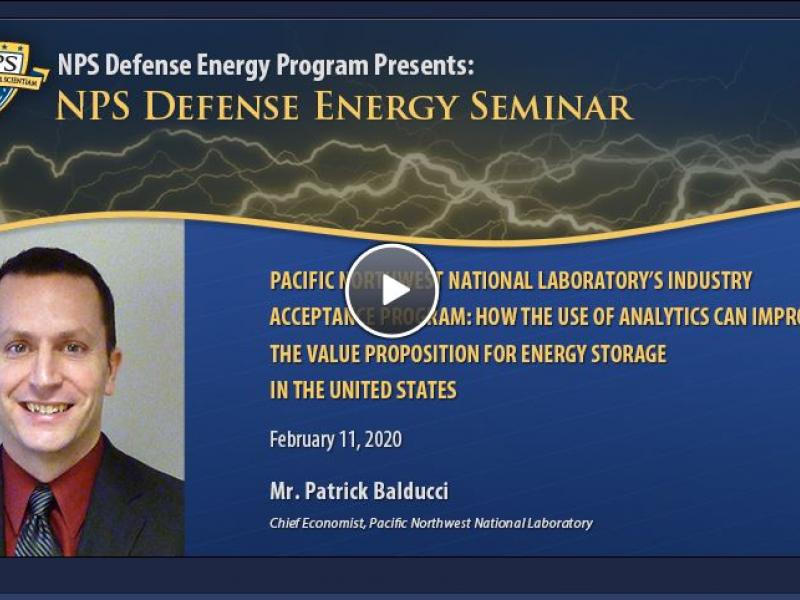
PNNL’s Patrick Balducci delivered an information-packed tutorial on grid energy storage valuation at the Naval Postgraduate School in Monterey, California.
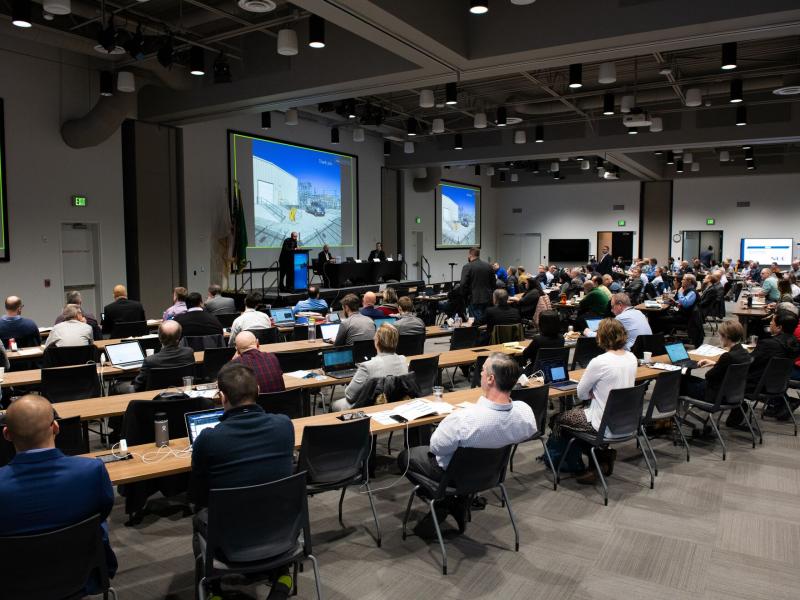
The Energy Storage System Safety and Reliability Forum at PNNL brought together more than 120 energy storage experts from the U.S. Department of Energy, the national laboratories, utilities, industry and academia.
Researchers have identified two processes responsible for fracturing rock at lower pressures for geothermal energy production using PNNL’s fracturing fluid, StimuFrac™.
PNNL will lead three new grid modernization projects funded by the Department of Energy. The projects focus on scalability and usability, networked microgrids, and machine learning for a more resilient, flexible and secure power grid.
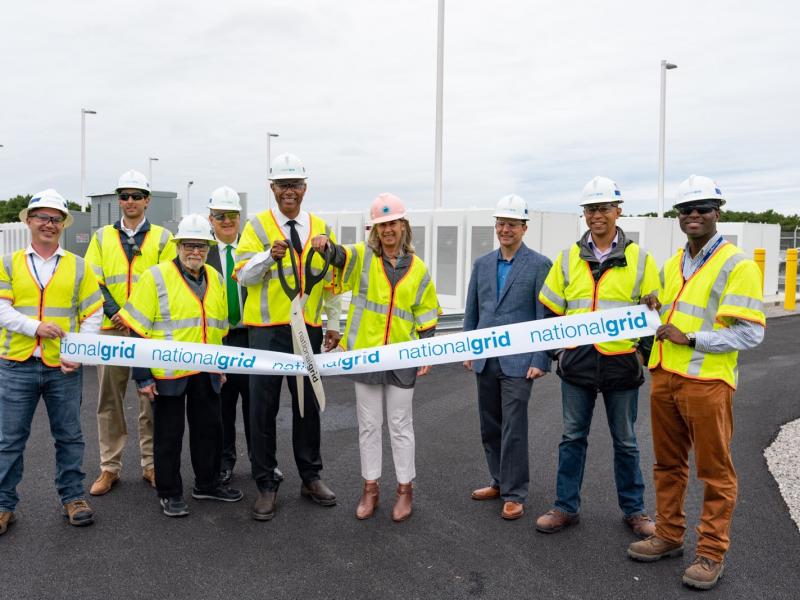
With support from DOE’s Office of Electricity and National Grid, PNNL led a groundbreaking study to accurately assess the full value of grid energy storage investments across a wide variety of use cases.
Energy storage is slowly shifting utility planning practices from the current paradigm, which ensures grid reliability by building reserve generation resources, to ensuring grid reliability by optimizing grid services.
When the weather heats up, so does power demand for air conditioners and refrigerators. But what if you could cool things down by using heat itself instead of electricity?
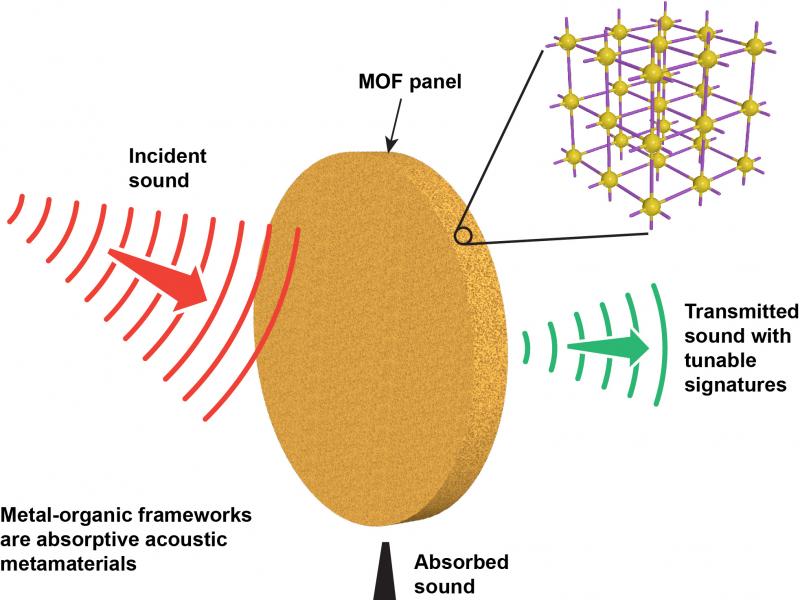
Researchers at PNNL are developing a new class of acoustically active nanomaterials designed to improve the high-resolution tracking of exploratory fluids injected into the subsurface. These could improve subsurface geophysical monitoring.