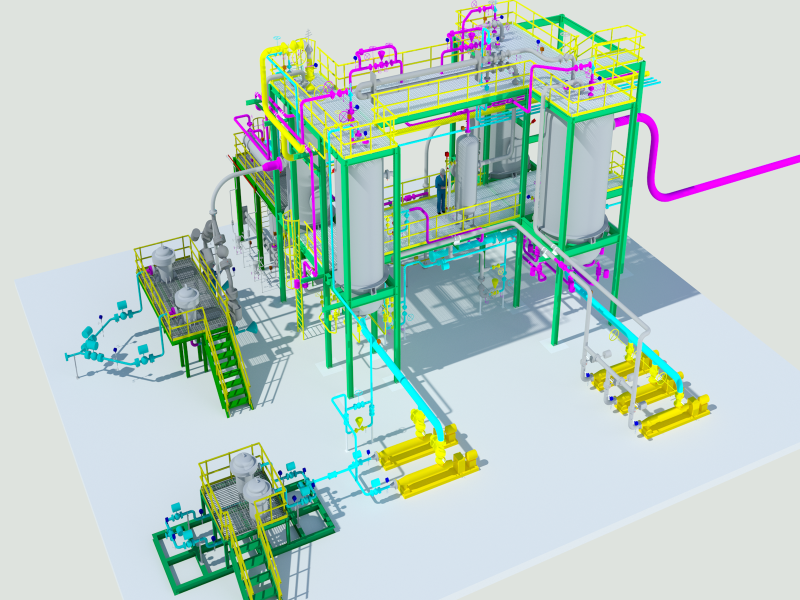
A PNNL innovation uses steam to recover heat from the high-temperature reactor effluent in the HTL process, substantially reducing the propensity for fouling and potentially reducing costs.
A new web-based tool provides easy-to-understand progress metrics and other data about groundwater cleanup sites overseen by the DOE Office of Environmental Management.
A process developed at PNNL that converts biomass and waste into a chemical intermediate or into gasoline, diesel, and jet fuel is available for commercial licensing.
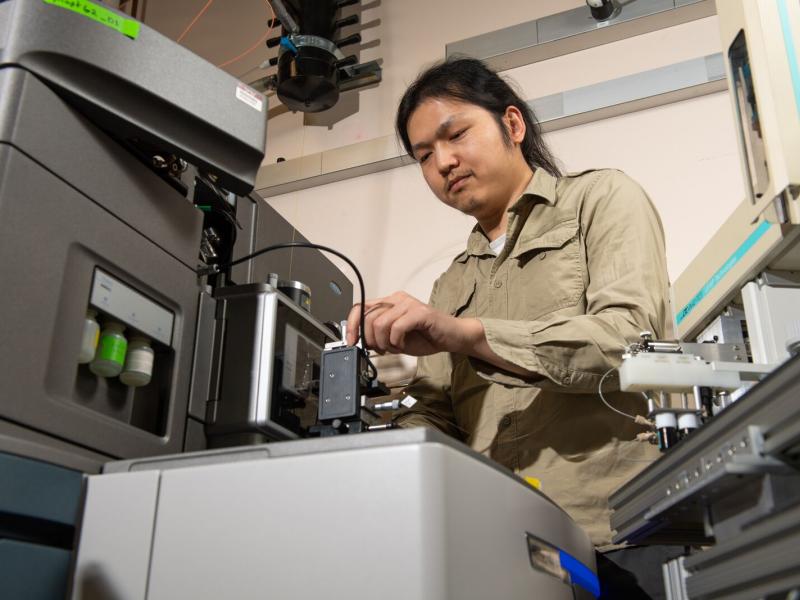
Mowei Zhou, a chemist with the Environmental Molecular Sciences Laboratory, is speaking at the ACS spring conference on his latest protein discoveries for a plant that could transform biofuels production.
Anika Halappanavar’s research into COVID-19 misinformation earned her recognition by the Washington State Academy of Sciences as one of the state’s top high school researchers.
PNNL data scientists Svitlana Volkova and Emily Saldanha, along with former PNNL intern Pamela Bilo Thomas, will publish their research on online information spread in Nature's Scientific Reports.
As a member of the NAM board of directors, Brett Jefferson, PNNL data scientist, will help lead the professional association’s mission to advance mathematical excellence of underrepresented minorities.
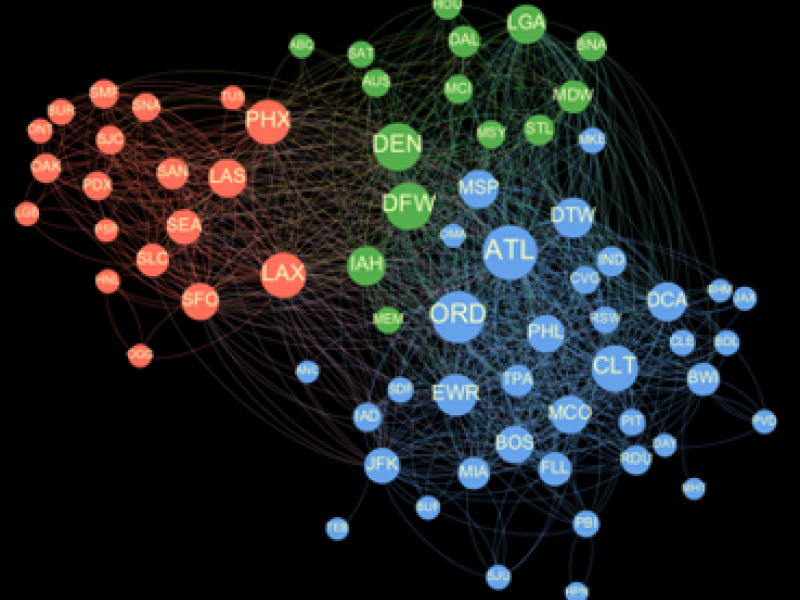
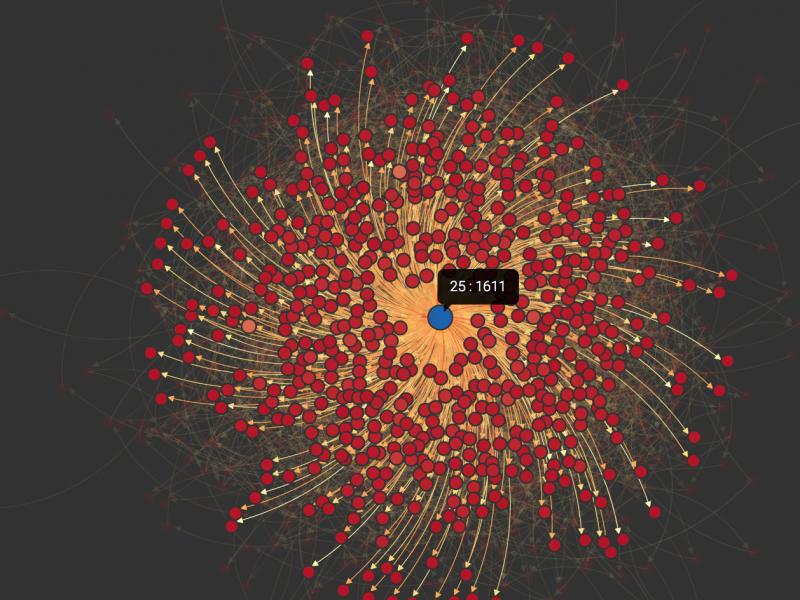
First-of-its-kind network analysis on a supercomputer can speed real-time applications for cybersecurity, transportation, and infectious disease tracking
At a conference featuring the most advanced computing hardware and software, ML in its various guises was on full display and highlighted by Nathan Baker’s featured invited presentation.
Monitoring the activity within a network in real-time can allow cybersecurity staff to detect cyberattacks quickly, before thieves steal data or crash your system.