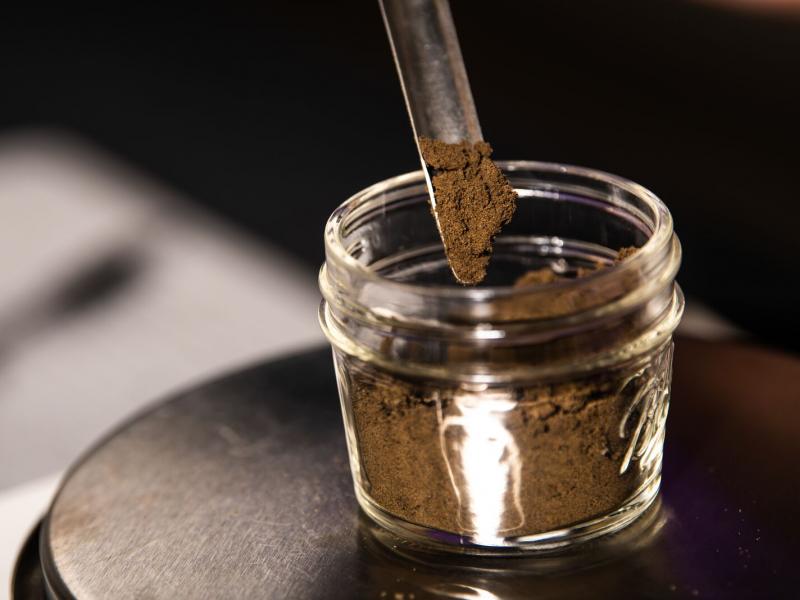
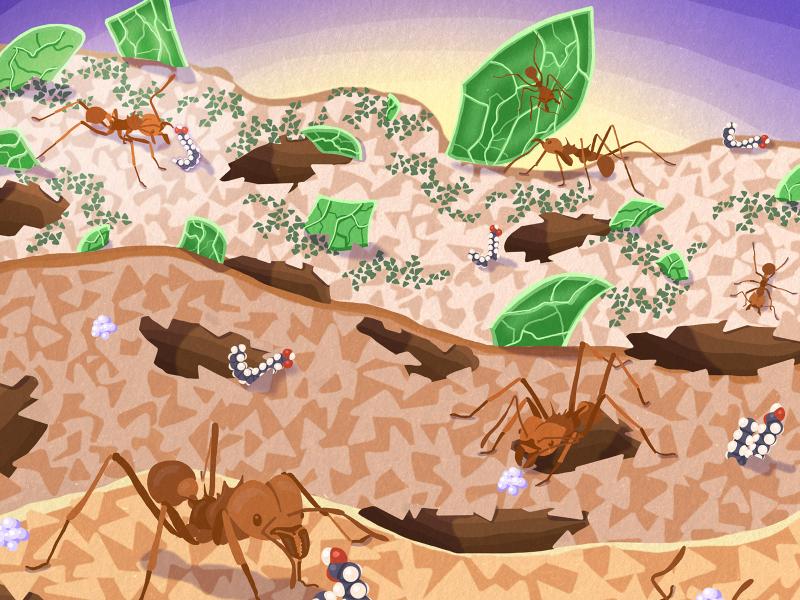
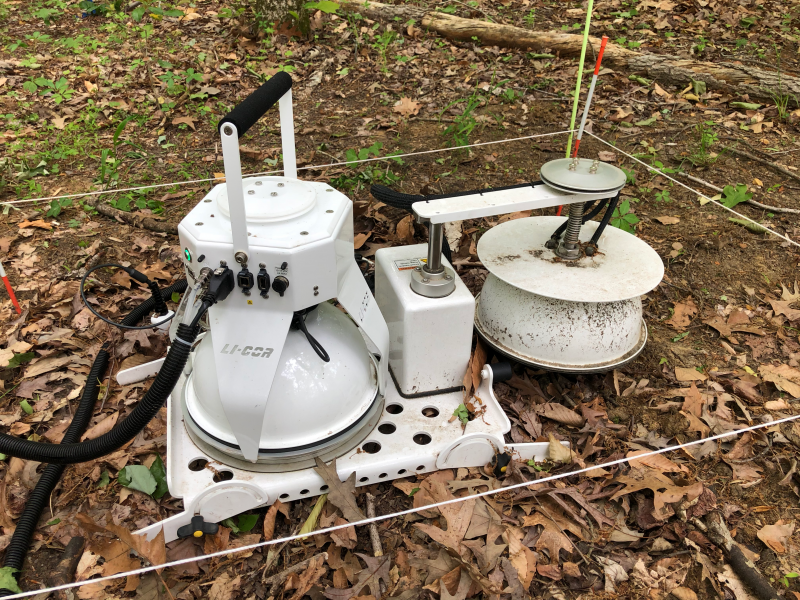
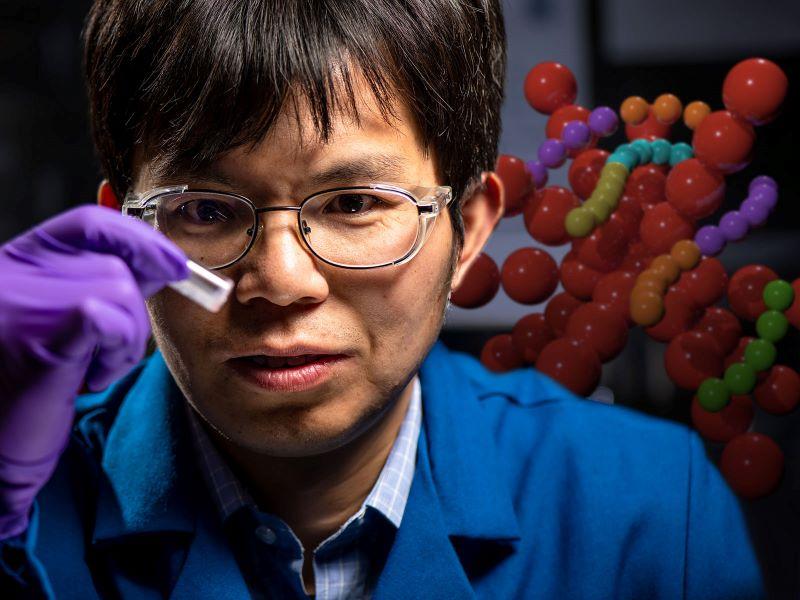
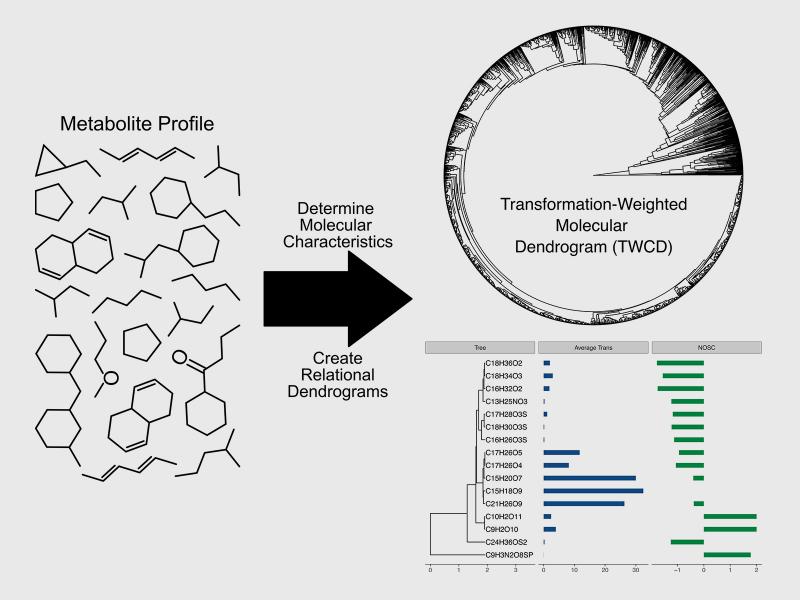
Understanding lipid composition of ant fungal gardens provides new knowledge on interkingdom communications band and also advances toward the development of microbial systems that can produce valuable compounds from plant biomass.
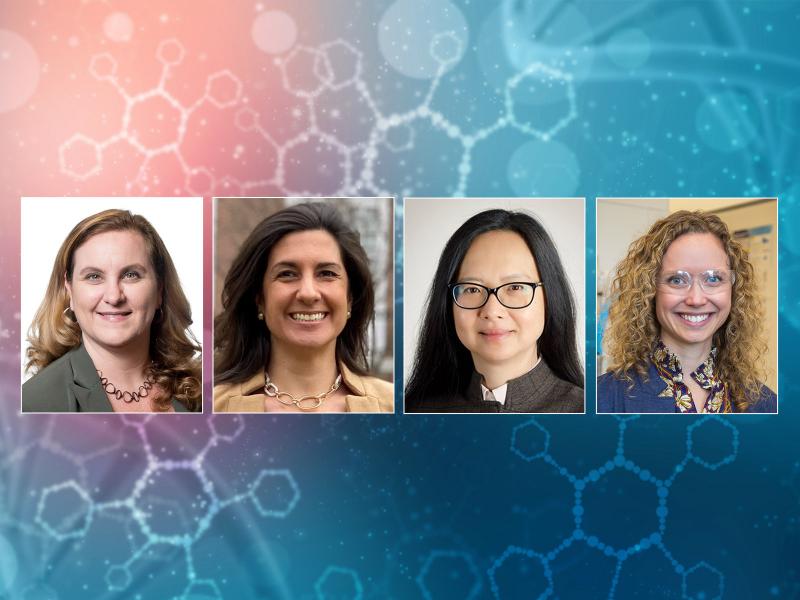
PNNL highlights four researchers whose joint appointments are creating new and diverse opportunities for expanding knowledge and scientific impact across institutions.
Niri Govind and Amity Andersen co-hosted a workshop to explain how to use theory and modeling in the interpretation of X-ray absorption spectroscopy data.
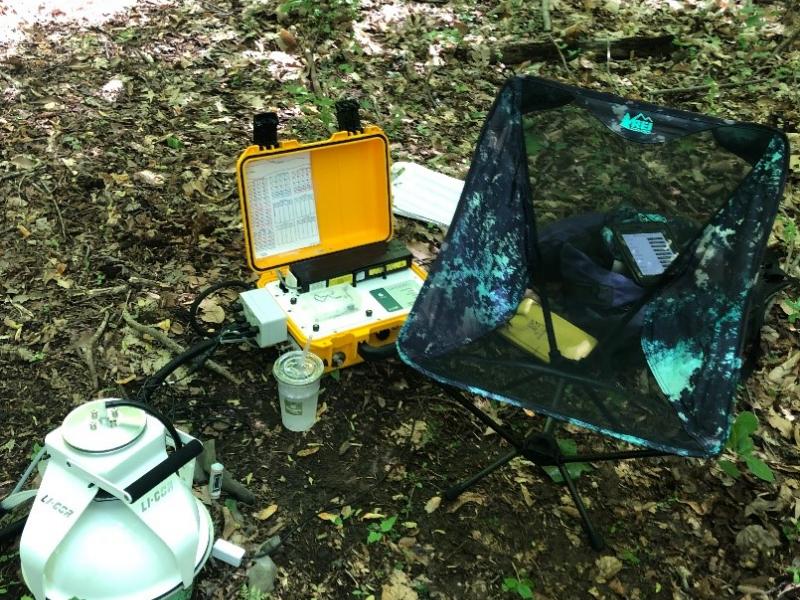
Night shift work disrupts the natural 24-hour rhythms in the activity of certain cancer-related genes, making workers more vulnerable to damage to their DNA.
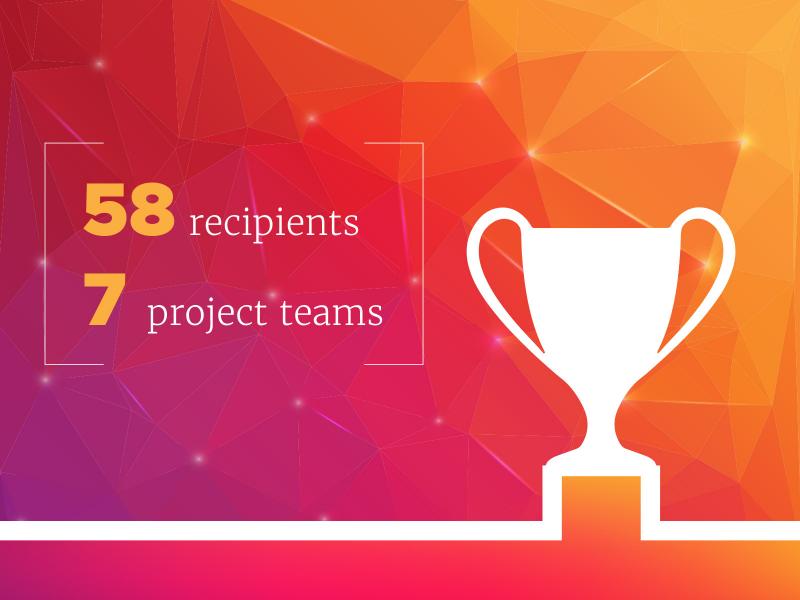
Fifty-eight PNNL staff members were recognized as members of enterprise-wide teams that helped address challenges in national health and security through transformative science and technology solutions.
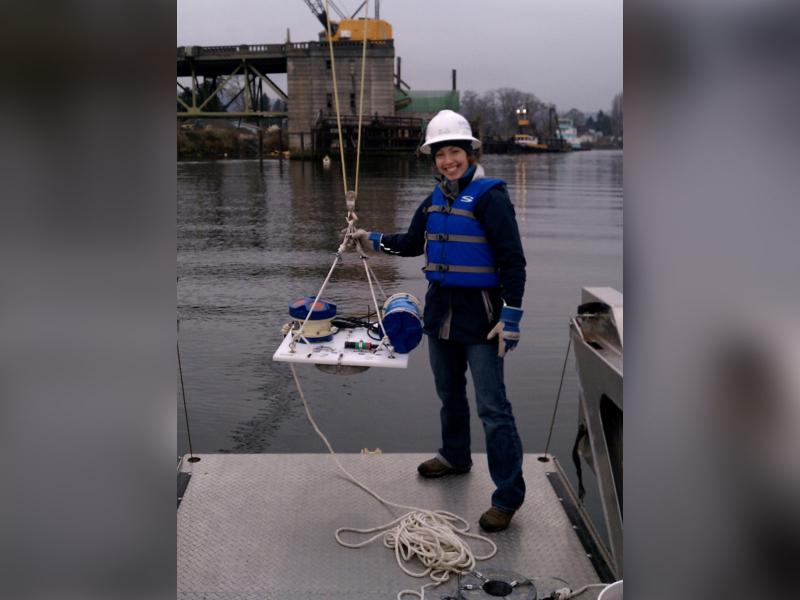
PNNL physical oceanographer Maggie McKeon will speak February 3 at the U.S. launch meeting for the United Nations’ Ocean Decade. She will present on improving diversity in the Superfund site workforce.
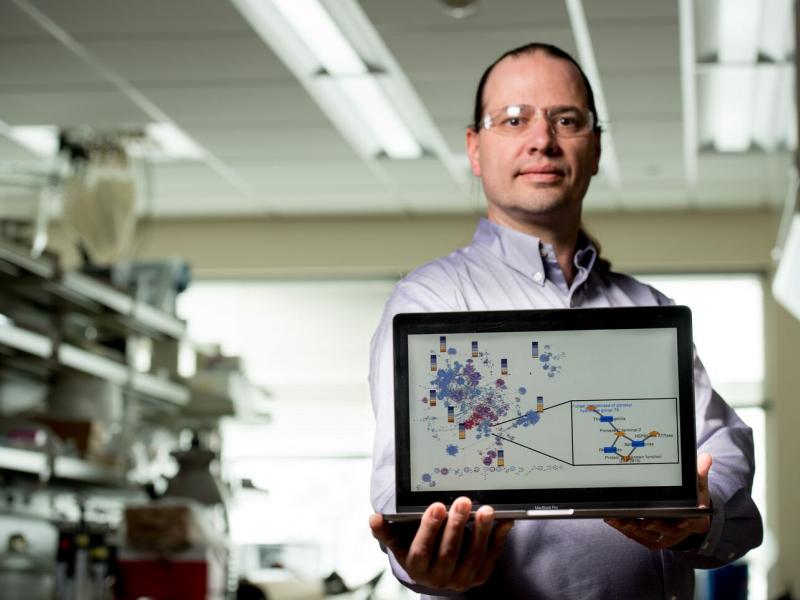
In a first-of-its-kind study, PNNL scientists are learning about how e-cigarettes can lead to changes in proteins at the molecular level that could contribute to disease or other health problems.
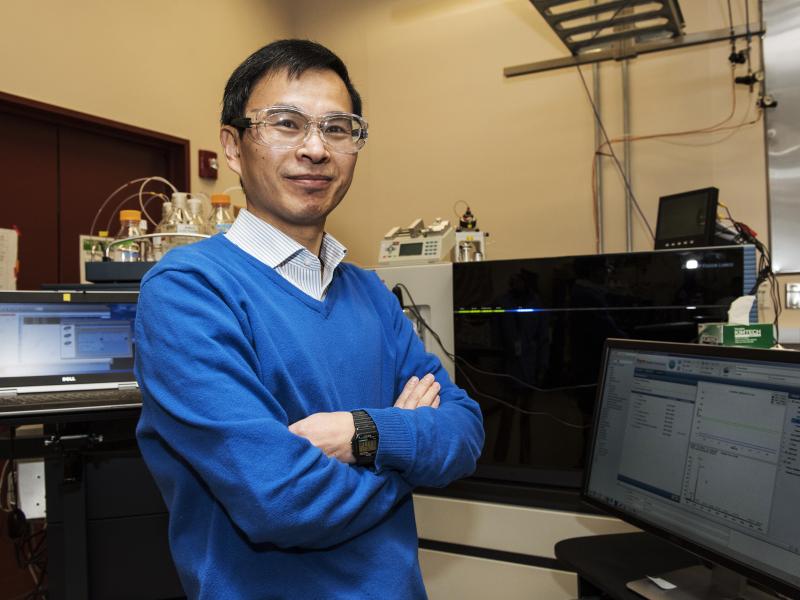
A new review paper led by senior research scientist Chun-Long Chen and featured on the cover of Accounts of Chemical Research summarizes advances by PNNL scientists in developing sequence-defined peptoids.