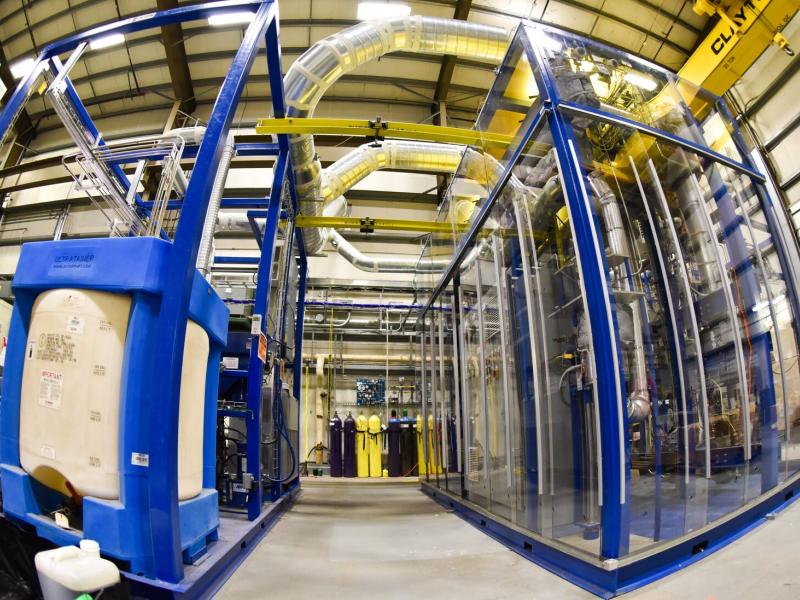
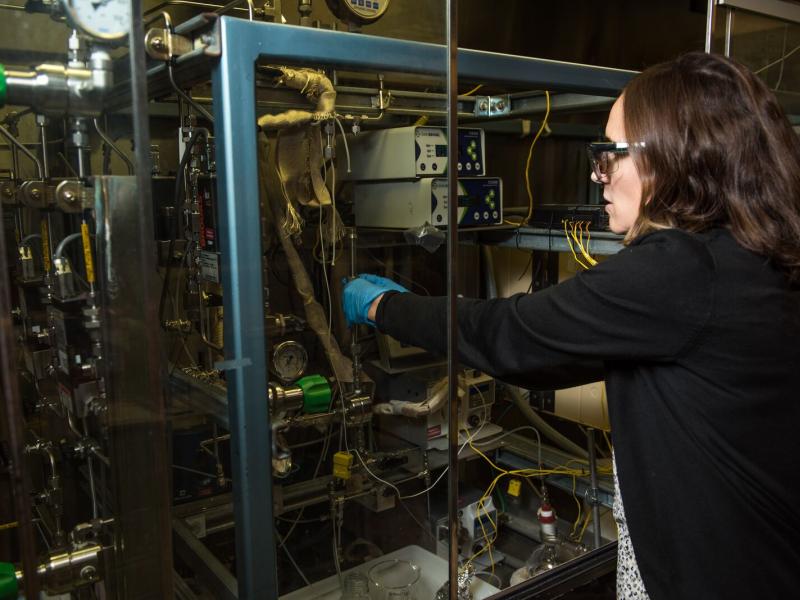
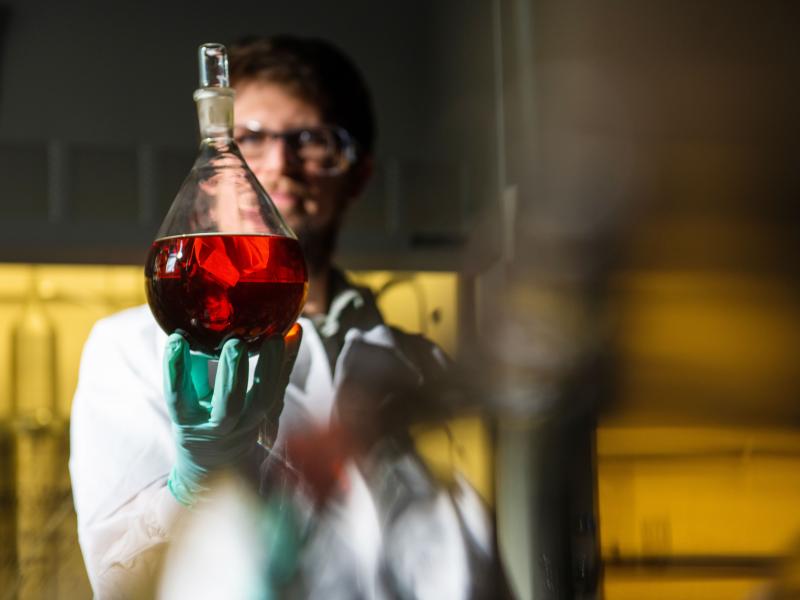
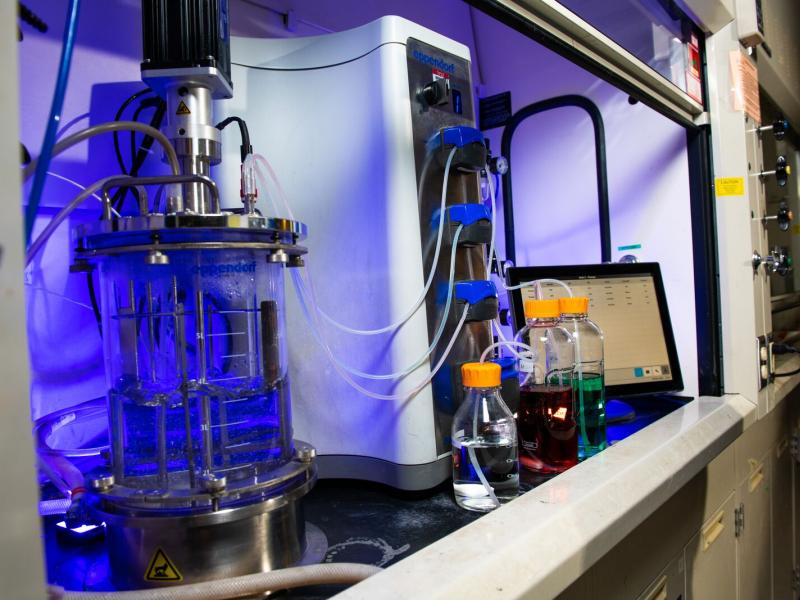
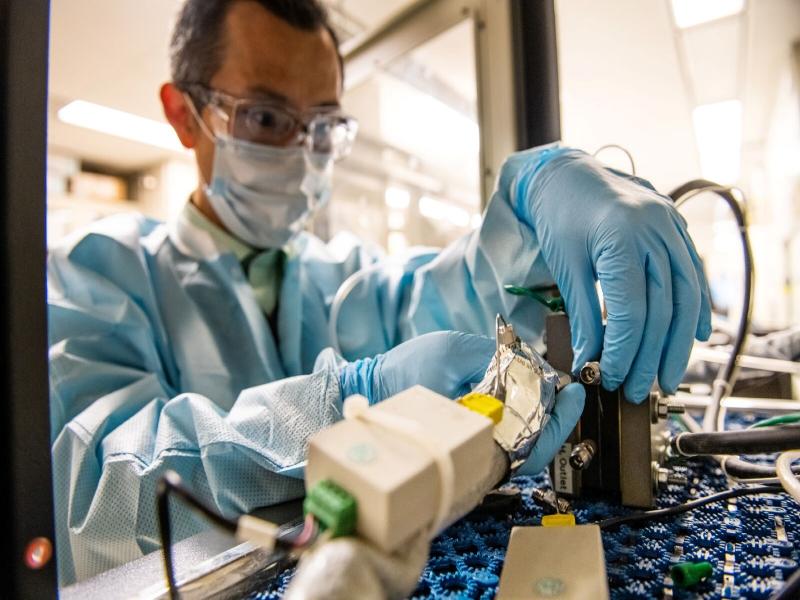
A demonstration converting biocrude to renewable diesel fuel has passed a significant test, operating for more than 2,000 hours continuously without losing effectiveness.
PNNL teamed with academia and industry to develop a novel zero-emission methane pyrolysis process that produces both hydrogen and high-value carbon solids suitable for an array of manufacturing applications.
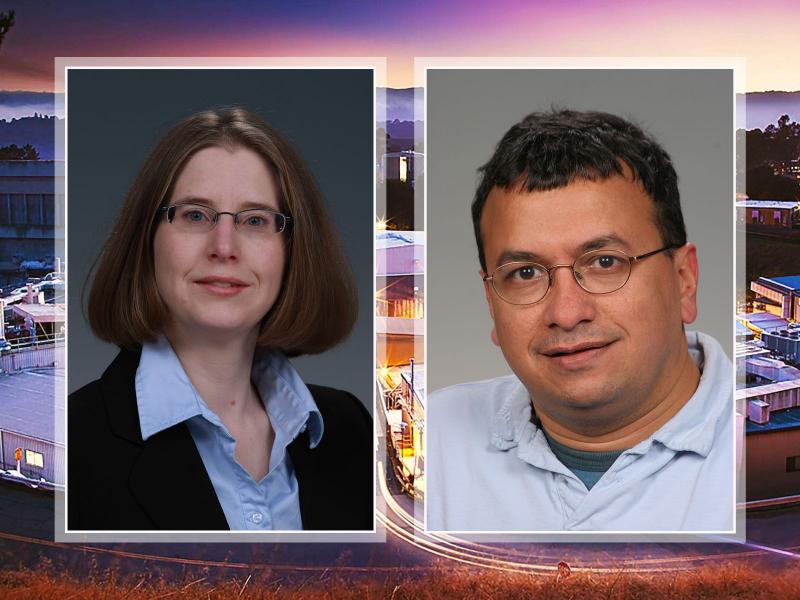
Niri Govind and Amity Andersen co-hosted a workshop to explain how to use theory and modeling in the interpretation of X-ray absorption spectroscopy data.
PNNL catalysis experts Oliver Y. Gutierrez and Jamie Holladay, along with a colleague from The City College of New York, led a special issue of the Journal of Applied Electrochemistry.
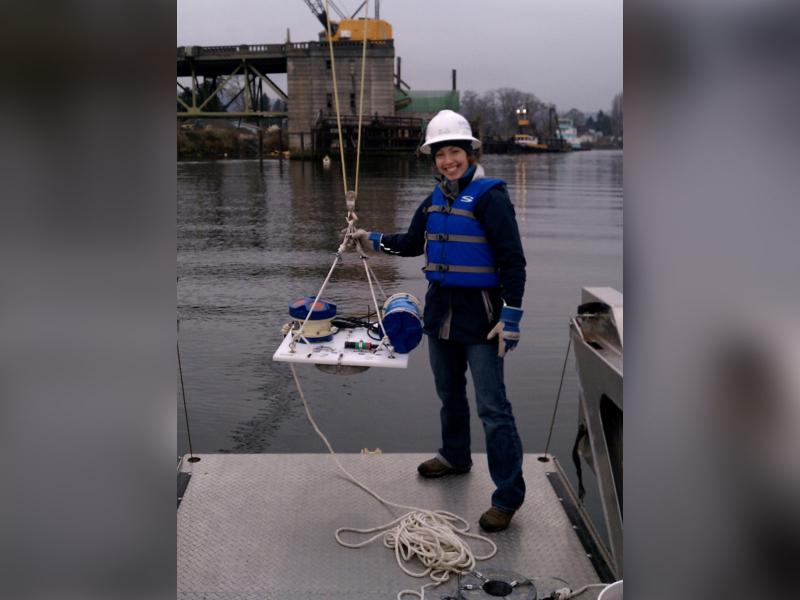
PNNL physical oceanographer Maggie McKeon will speak February 3 at the U.S. launch meeting for the United Nations’ Ocean Decade. She will present on improving diversity in the Superfund site workforce.
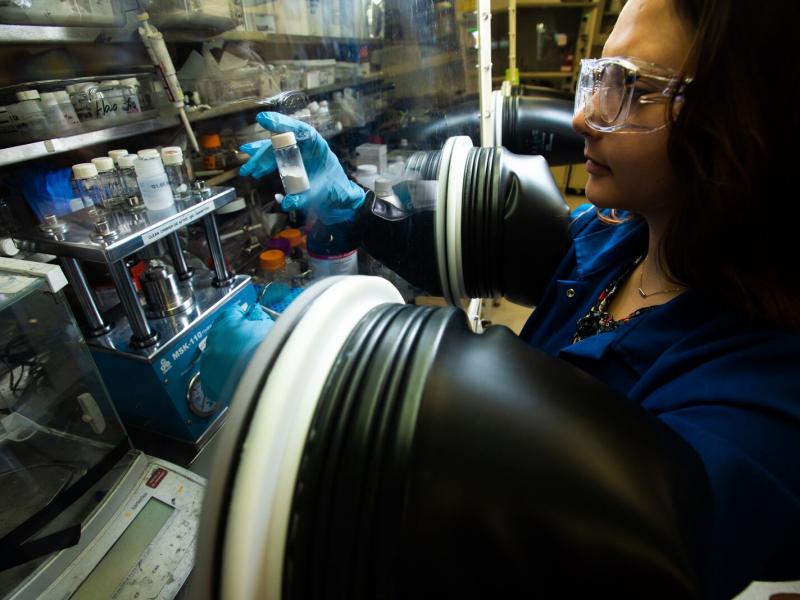
Through two U.S. Department of Energy funding calls awarded in 2020, PNNL is partnering with industry and academia to advance battery materials and processes.
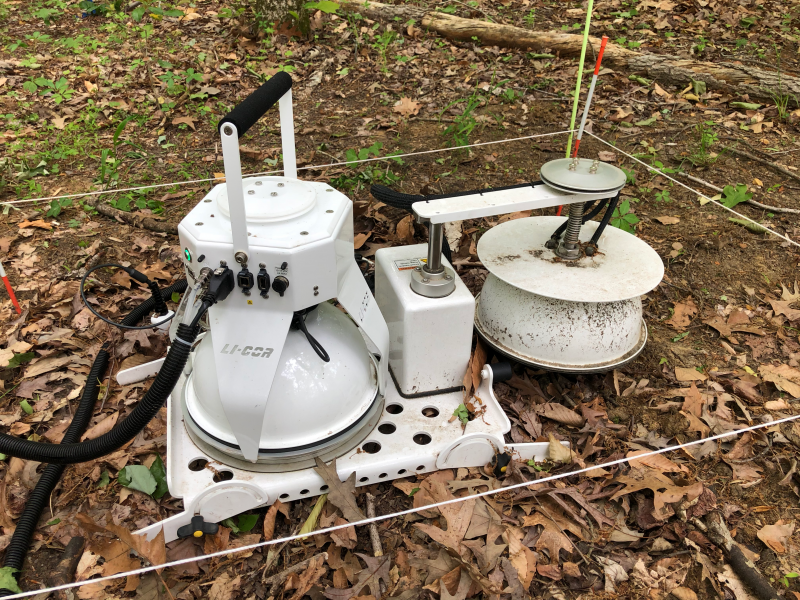
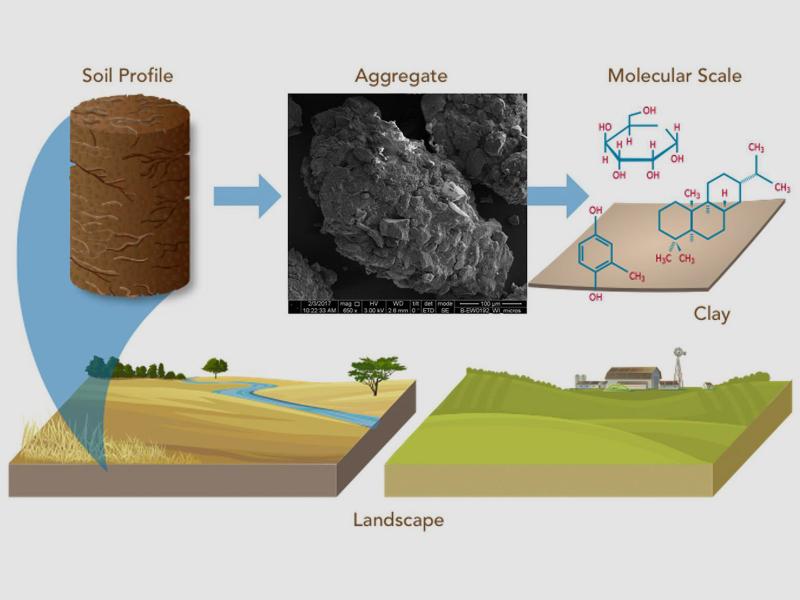
Microbiome and soil chemistry characterization at long-term bioenergy research sites challenges idea that switchgrass increases carbon accrual in surface soils of marginal lands.
PNNL led a multi-institutional effort to design a highly active and more durable catalyst made from cobalt, which sets the foundation for fuel cells to power transportation, stationary and backup power, and more.
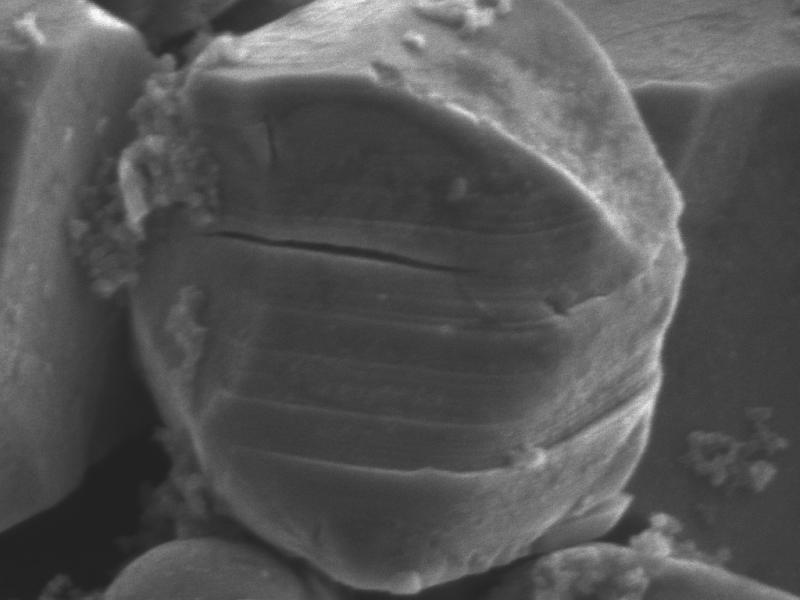
Scientists have created a single-crystal, nickel-rich cathode that is hardier and more efficient than before—important progress on the road to better lithium-ion batteries for electric vehicles.
The map fills in a portion of the study site missing from sampling studies and enables a better understanding of hydrological dynamics in a complex river corridor.