Electrical engineer Aditya Ashok and cybersecurity researcher Thomas Edgar win best paper award for their work to create a new high-fidelity dataset that will help advance cybersecurity solutions for critical infrastructure protection.
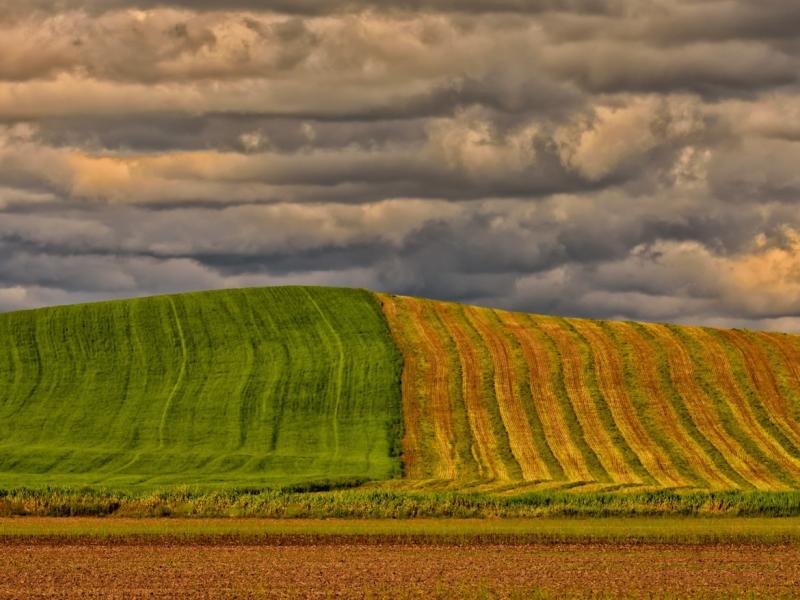
Model results show that uncertainties in farmers’ expectations of market and weather conditions amplify agricultural supply and demand variability under a changing climate.
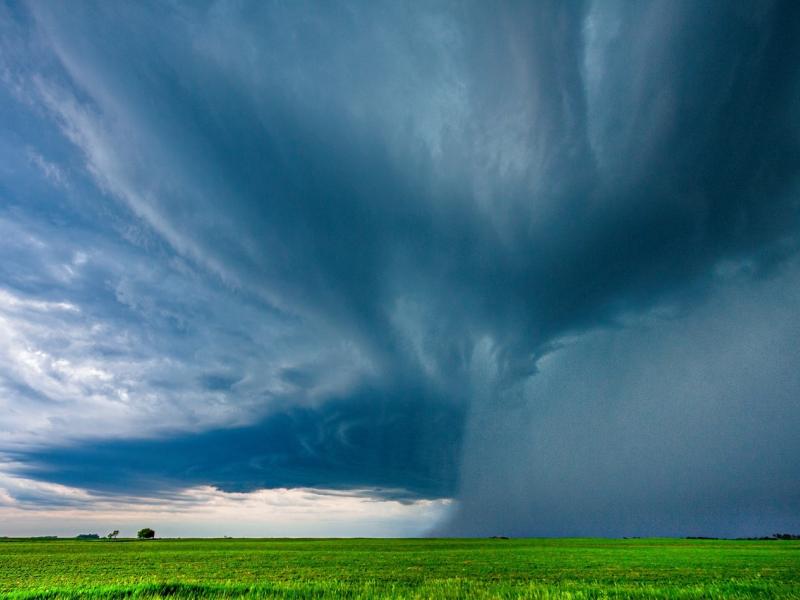
Investigating the soil moisture–precipitation feedbacks that are associated with mesoscale convective system and non-mesoscale convective system rainfall.
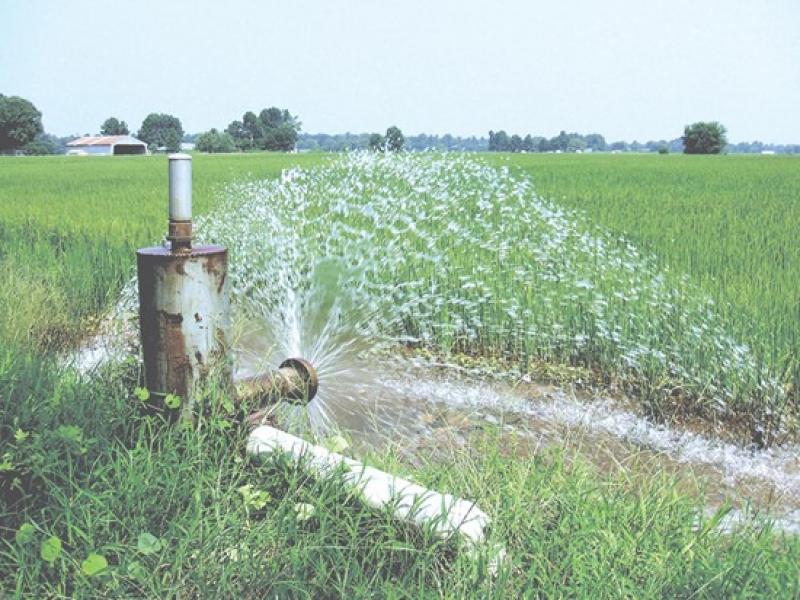
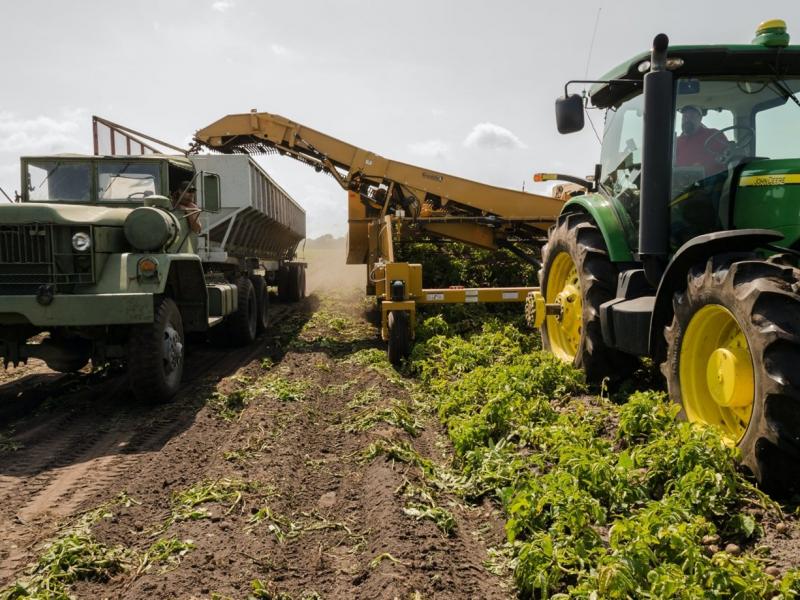
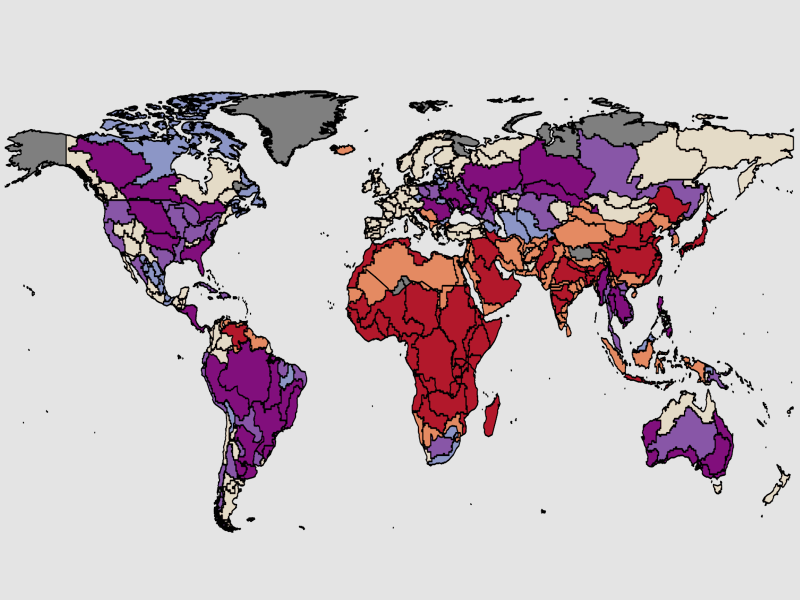
Researchers found that increasing restrictions on nonrenewable groundwater use for irrigation shifts agricultural production from western states to the east.
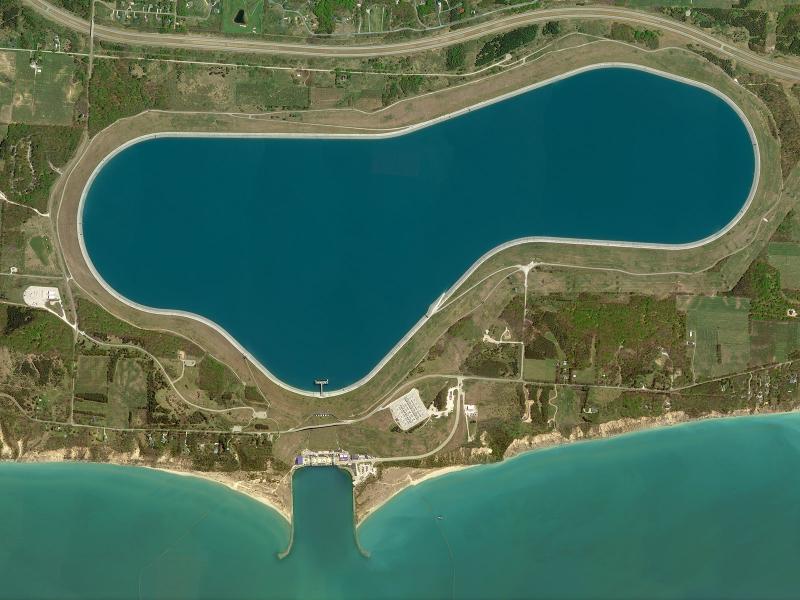
Developing a new approach for defining energy-water-agriculture linkages highlights U.S. regions where focusing on individual sectors may miss cross-sectoral impacts.
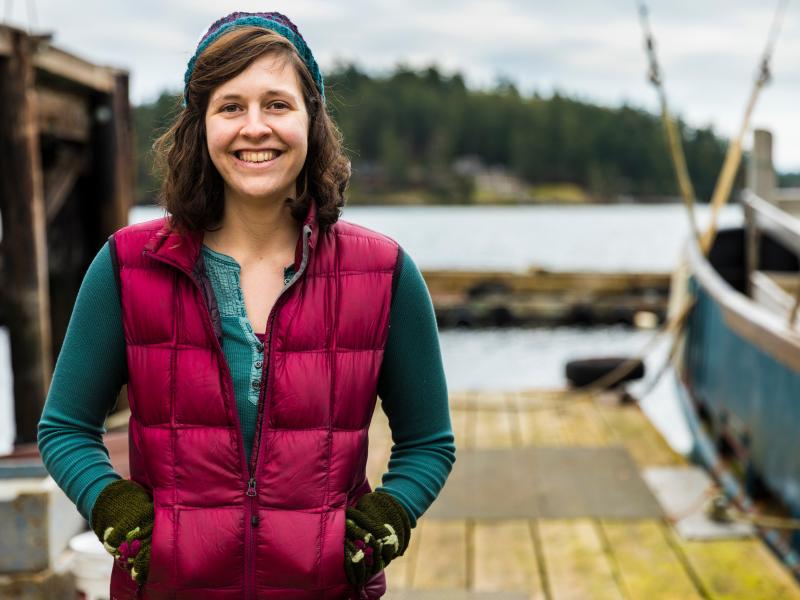
Molly Grear, an ocean engineer in the Coastal Sciences Division at PNNL, recently helped middle school summer science camp students from Blatchley Middle School in Sitka, Alaska, design their own energy wave converters.
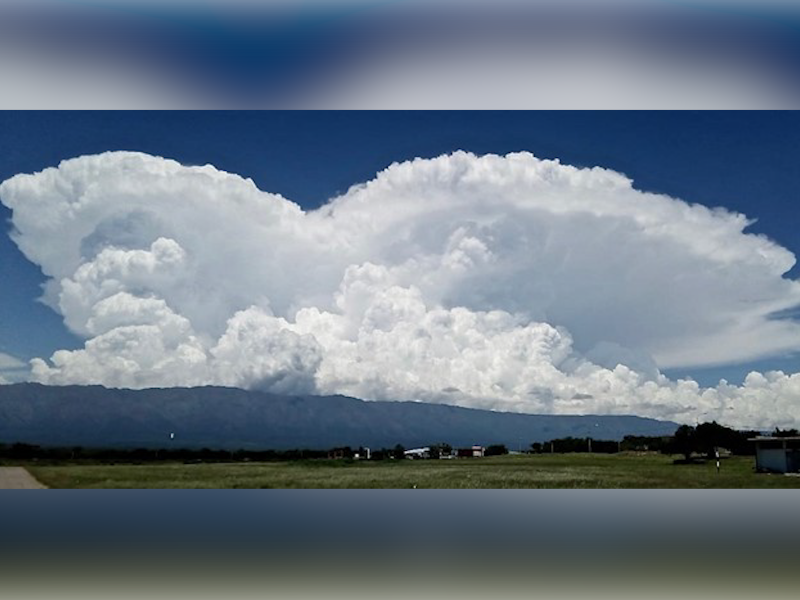
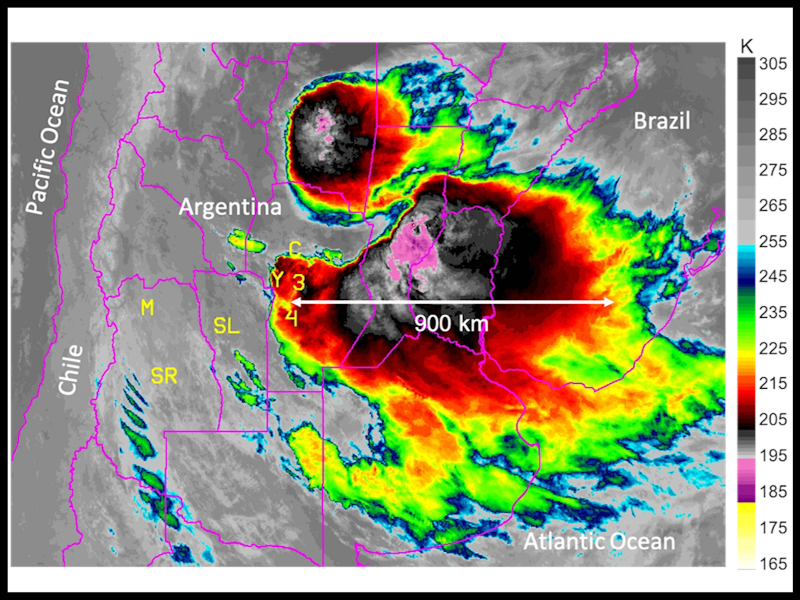
Simulations accurately predicted storm cloud shield timing and growth, but not rain intensities, for over 300 tracked storm complexes in a storm-generating hotspot in Argentina.
PNNL has received 119 R&D 100 Awards since 1969, when the laboratory began submitting entries in the contest that recognizes top 100 inventions each year.
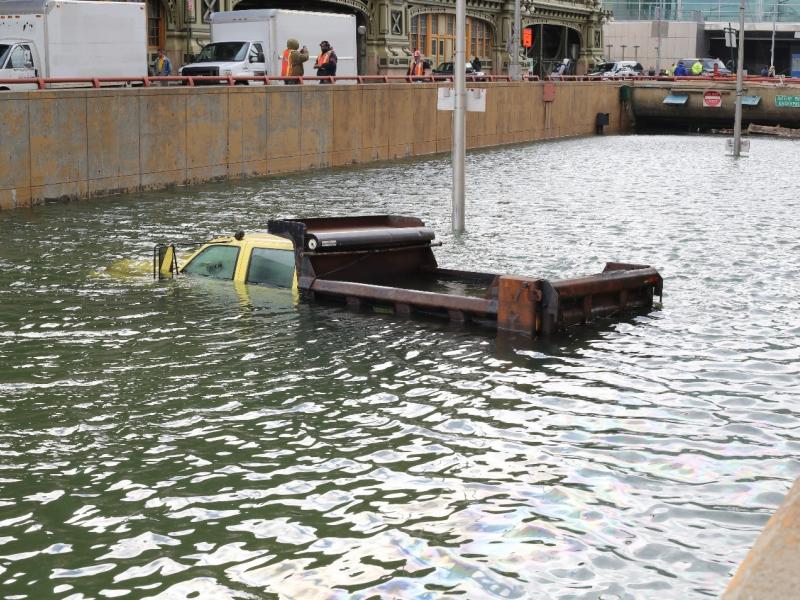
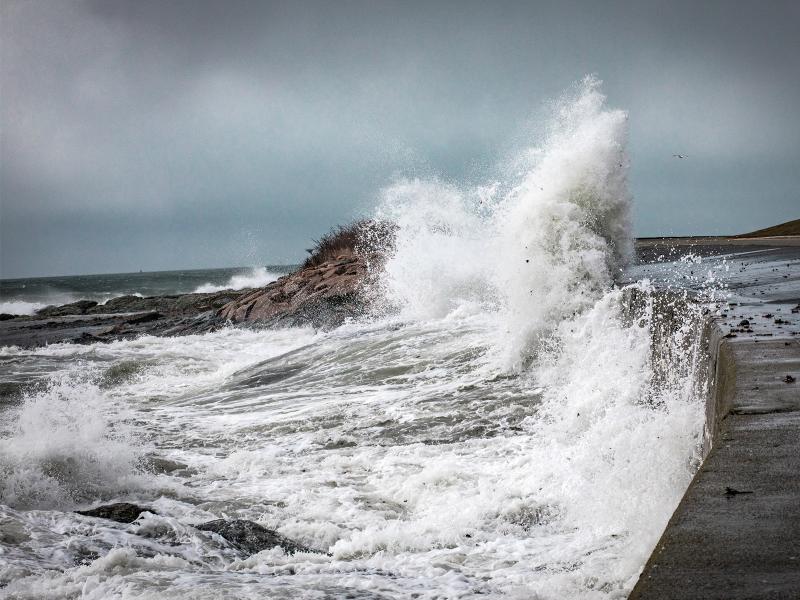
Incorporating green infrastructure into flood protection plans alongside gray infrastructure can shield communities, reduce maintenance, and provide additional social and environmental benefits.