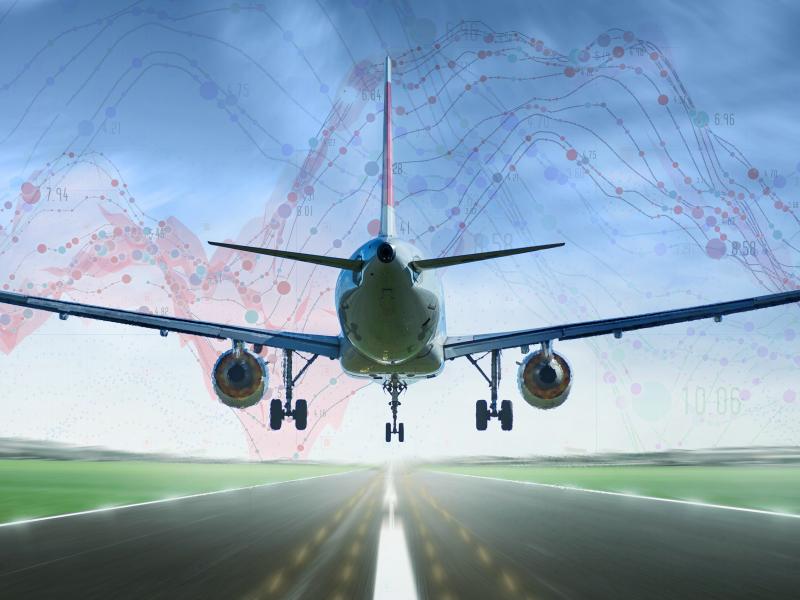
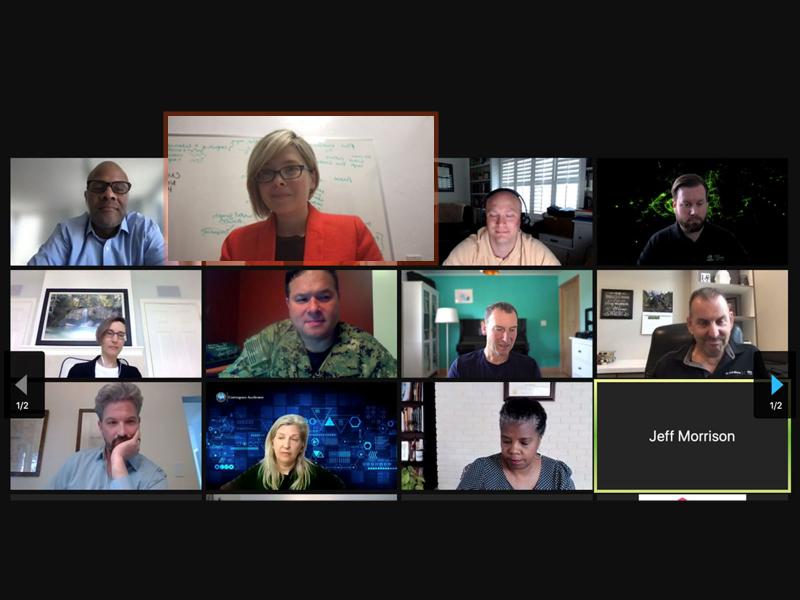
More than 30 PNNL interns contributed to the Airport Risk Assessment Model, a web-based tool that helps airport security stakeholders prioritize resource allocations.
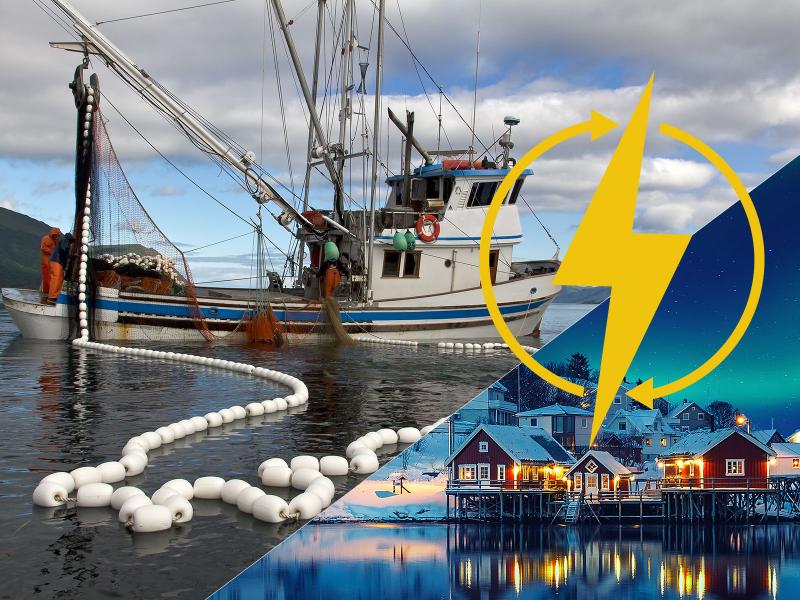
Using existing fish processing plants, kelp and fish waste can be converted to a diesel-like fuel to power generators or fishing boats in remote, coastal Alaska.
PNNL’s data-infused approach to electron microscopes’ use in scientific experimentation will help researchers and industry interpret large data streams and drive down costs.
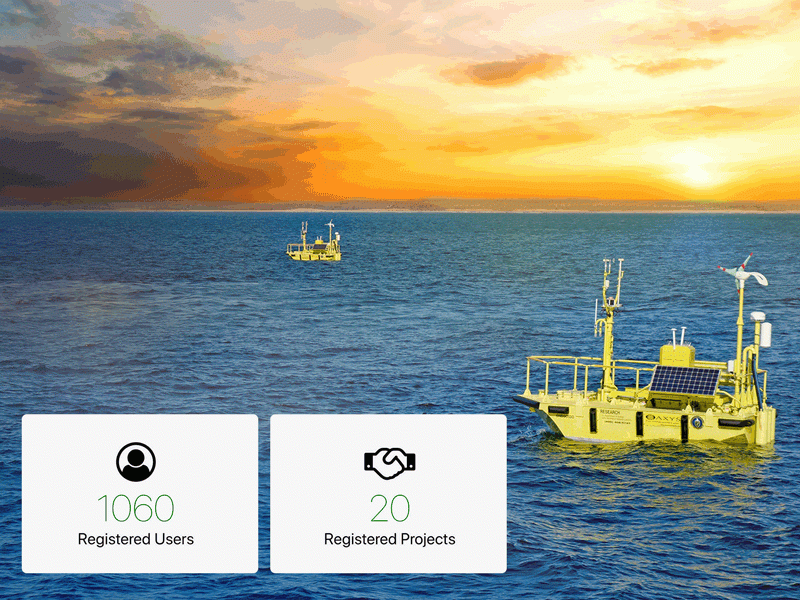
Cailene Gunn discusses her work in science communication and how she communicates the Triton Initiative's research to help advance the marine energy industry.
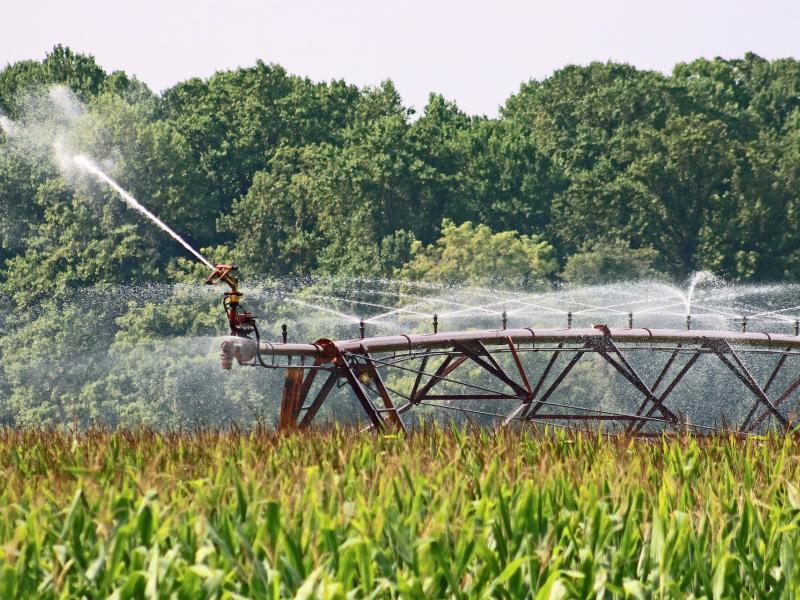
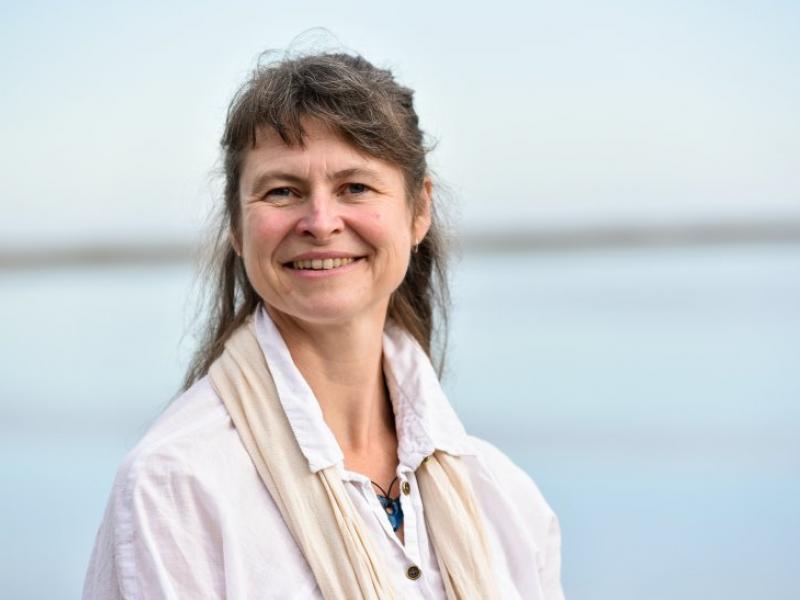
Sagadevan Mundree, director of the Queensland University of Technology Centre for Agriculture and the Bioeconomy, is joining PNNL as a joint appointee.
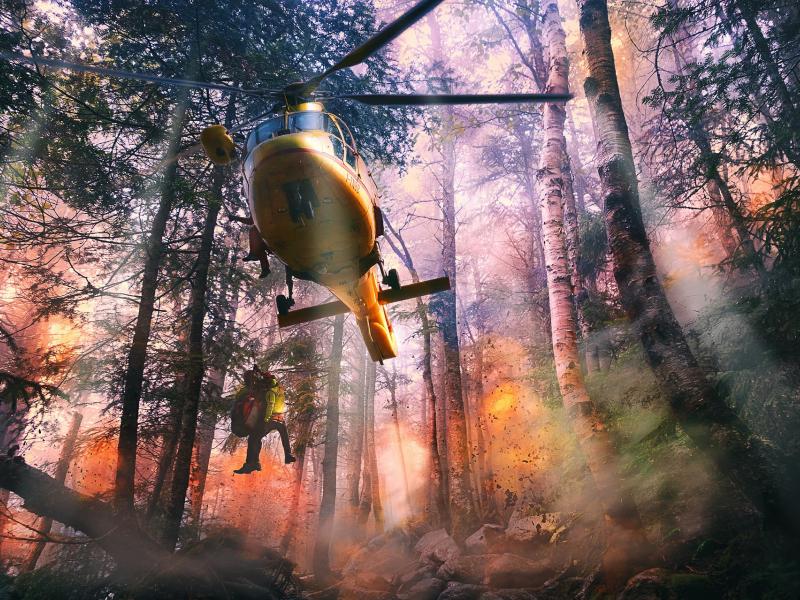
PNNL combines AI and cloud computing with damage assessment tool to predict path of wildfires and quickly evaluate the impact of natural disasters, giving first responders an upper hand.
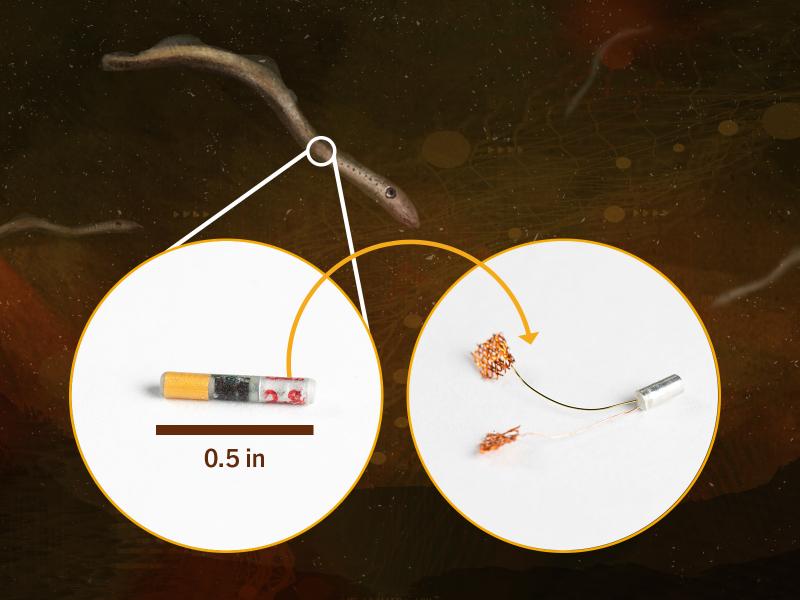
PNNL scientists developed a new, tiny battery and tag to track younger, smaller species, to evaluate behavior and estimate survival during downstream migration.
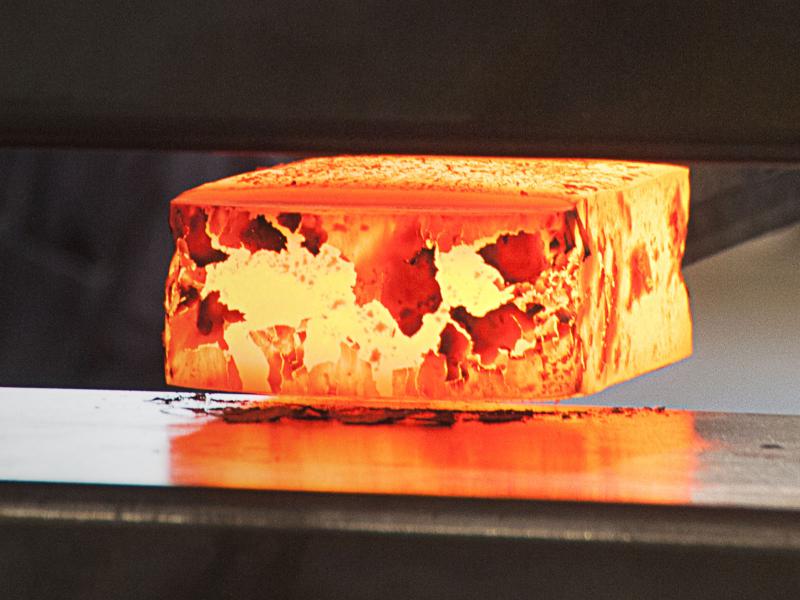
Machine learning techniques are accelerating the development of stronger alloys for power plants, which will yield efficiency, cost, and decarbonization benefits.
Svitlana Volkova, chief scientist for decision intelligence and analytics at PNNL, was invited as a panelist at the SIAM International Conference on Data Mining
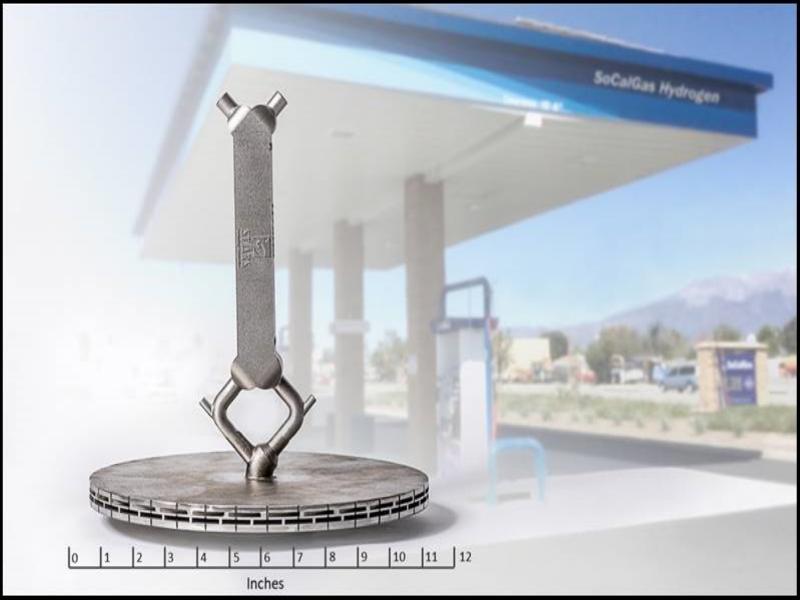
PNNL licensed two technologies to generate hydrogen. One, a reactor design, generates hydrogen from natural gas. The second innovation uses a 3D printing method to economically manufacture the generator.
National Nuclear Security Administration Graduate Fellow Marc Wonders has spent the past year working with researchers exploring artificial intelligence in the national security mission space.