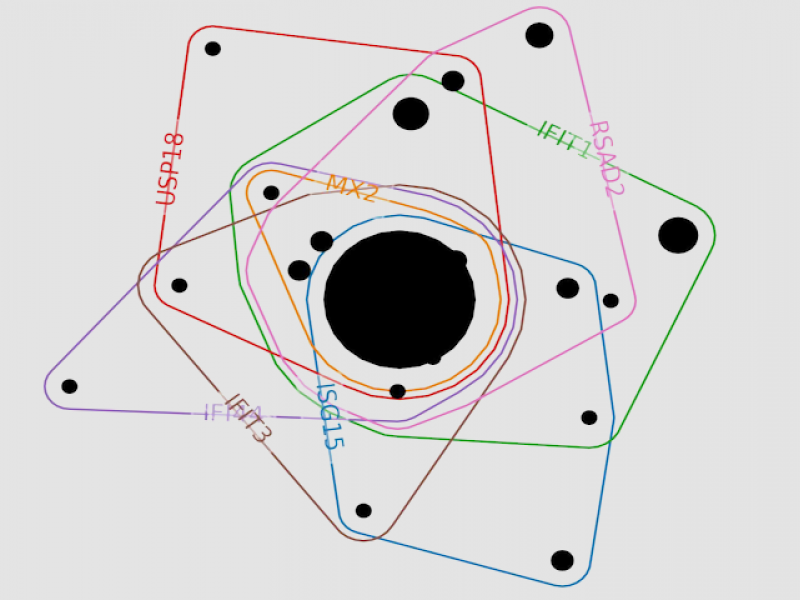
A paper by PNNL scientists on nuclear explosion monitoring technology is among top articles in nuclear instruments journal to draw most social media “buzz.”
A team of PNNL researchers are looking at how to evaluate robustness and accountability, fairness, and transparency of artificial intelligence models used to detect and quantify deceptive content online.
A Q&A with Lauren Charles, veterinarian and PNNL data scientist, on zoonotic diseases and the role biosurveillance plays in mitigating the growing threat to global health.
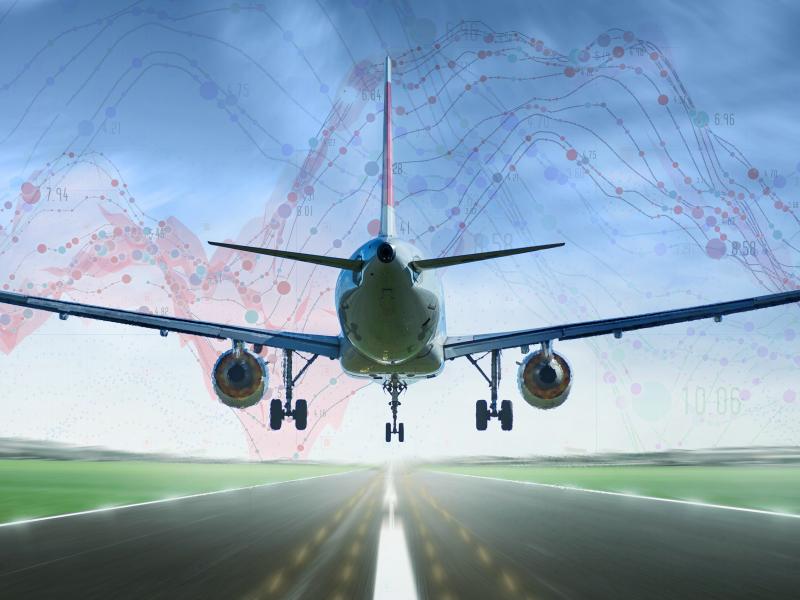
More than 30 PNNL interns contributed to the Airport Risk Assessment Model, a web-based tool that helps airport security stakeholders prioritize resource allocations.
The Washington State Academy of Sciences consists of more than 300 elected members who are nationally recognized for their scientific and technical expertise.
PNNL provided ultra-low measurements of argon-39 to date groundwater as part of a collaborative study of the aquifer in California’s San Joaquin Valley. PNNL is one of only a few laboratories worldwide with this capability.
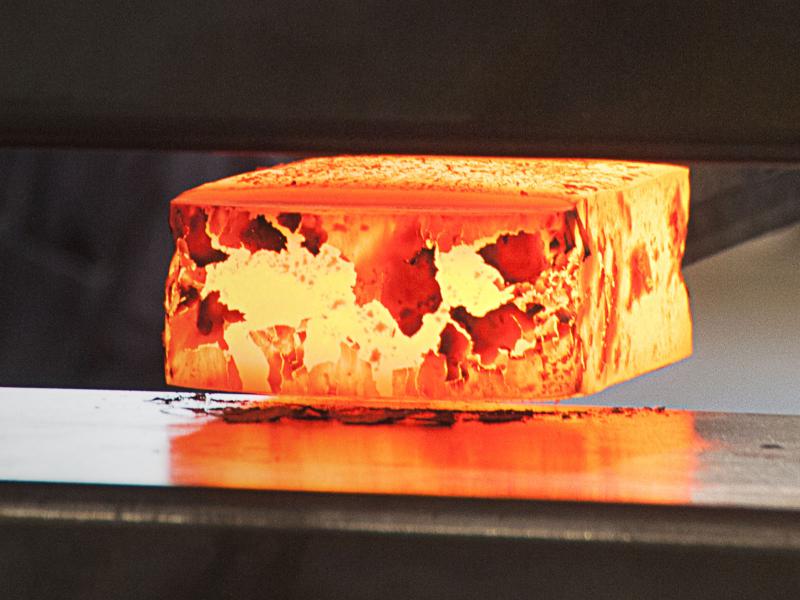
Machine learning techniques are accelerating the development of stronger alloys for power plants, which will yield efficiency, cost, and decarbonization benefits.
Svitlana Volkova, chief scientist for decision intelligence and analytics at PNNL, was invited as a panelist at the SIAM International Conference on Data Mining
PNNL data scientists Svitlana Volkova and Emily Saldanha, along with former PNNL intern Pamela Bilo Thomas, will publish their research on online information spread in Nature's Scientific Reports.
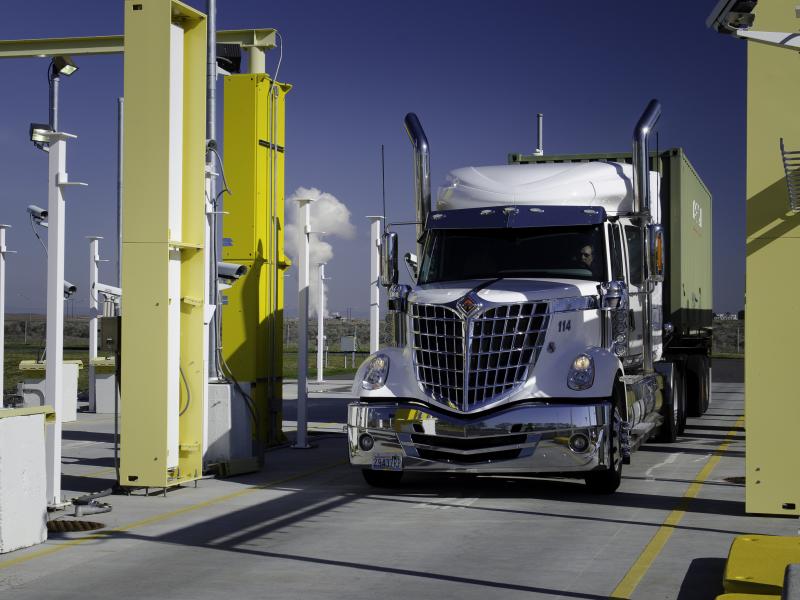
Sentry-SECURE is a new communication and response platform developed by PNNL, VPI, and Microsoft Azure that rapidly and securely transfers radiological alarm data through the cloud.