Fifty-eight PNNL staff members were recognized as members of enterprise-wide teams that helped address challenges in national health and security through transformative science and technology solutions.
New 140,000-square-foot facility will advance fundamental chemistry and materials science for higher-performing, cost-effective catalysts and batteries, and other energy efficiency technologies.
In 2020, virtual Washington State University teams successfully worked together in a program sponsored by the National Nuclear Security Administration’s (NNSA) Office of International Nuclear Safeguards.
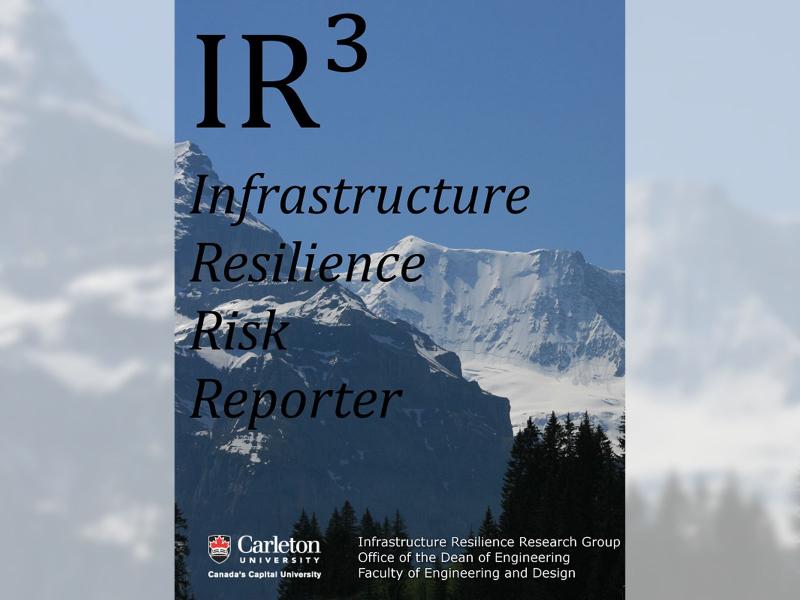
A recent edition of the Infrastructure Resilience Research Group Journal featured an article written by PNNL researchers Rob Siefken and Jake Burns about “Design Basis Threat and the Low Threat Environment.”
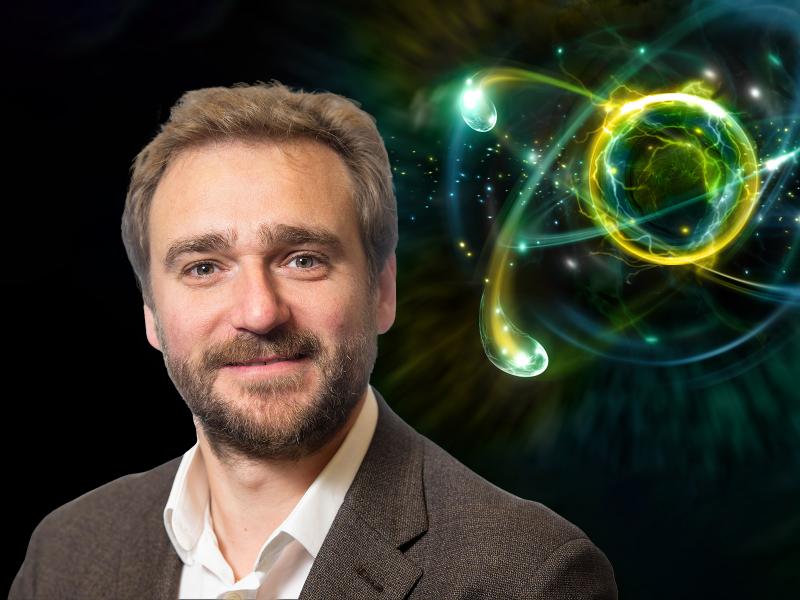
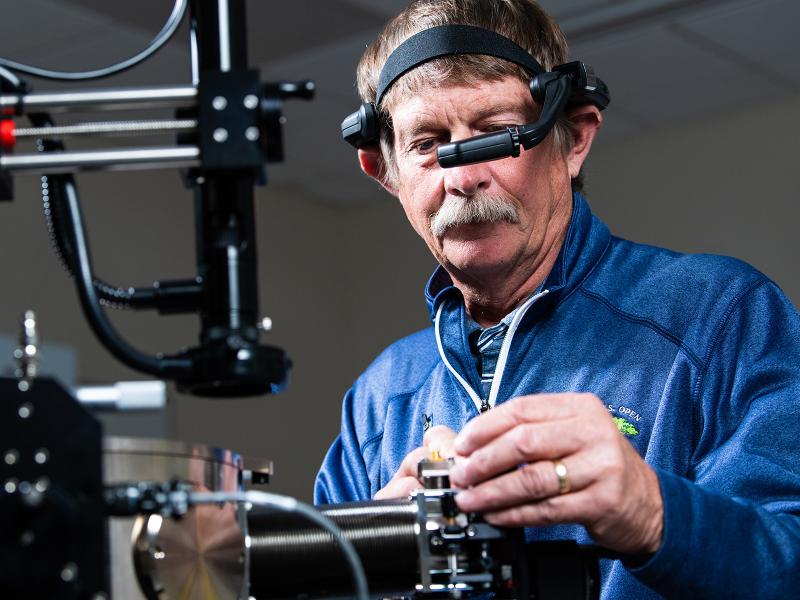
As a physicist at PNNL, Jon Burnett’s work is about developing instruments to detect ultra-trace radionuclide signatures, analyze samples from around the world to look for evidence of nuclear explosions, and then interpret that information.
As COVID-19 was limiting in-person contact, halting travel, and creating additional barriers, researchers at PNNL were working to find solutions on how they could still get work done while establishing new safety protocols.
Rey Suarez was the keynote speaker at the Preparatory Commission of the Comprehensive Nuclear-Test-Ban Treaty Organization’s Specialized Technical Meeting on Preventive and Predicative Maintenance of the International Monitoring System.
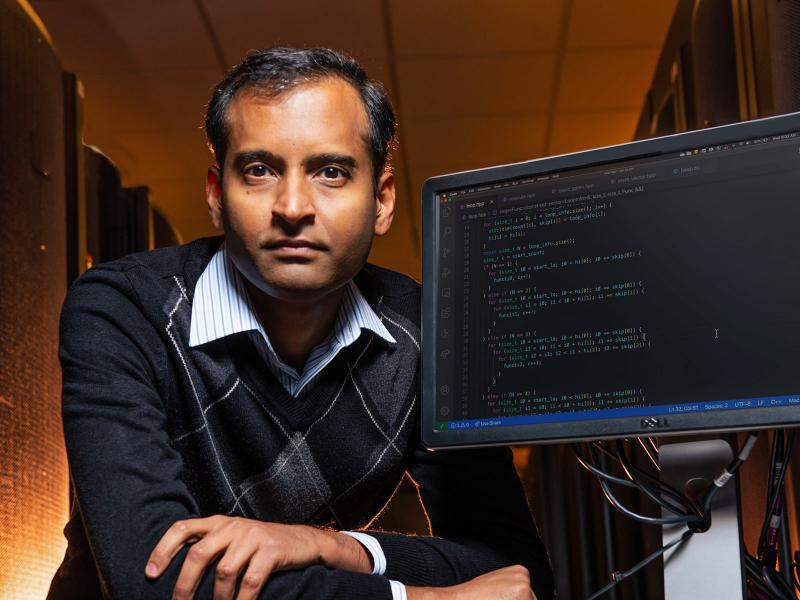
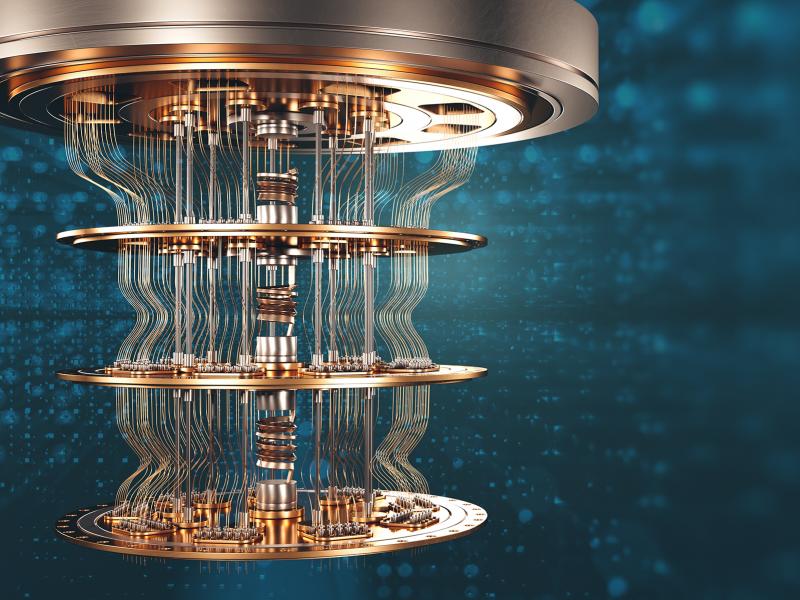
Pacific Northwest National Laboratory researchers developed a graphical processing unit (GPU)-centered quantum computer simulator that can be 10 times faster than any other quantum computer simulator.
Brian Milbrath, a physicist in PNNL’s National Security Directorate, was named a senior member of the Institute of Electrical and Electronics Engineers (IEEE).
In a new video series this fall, PNNL is highlighting six scientific and technical experts in the national security domain. Each was promoted to Scientist and Engineer Level 5, one of PNNL’s most senior research roles.
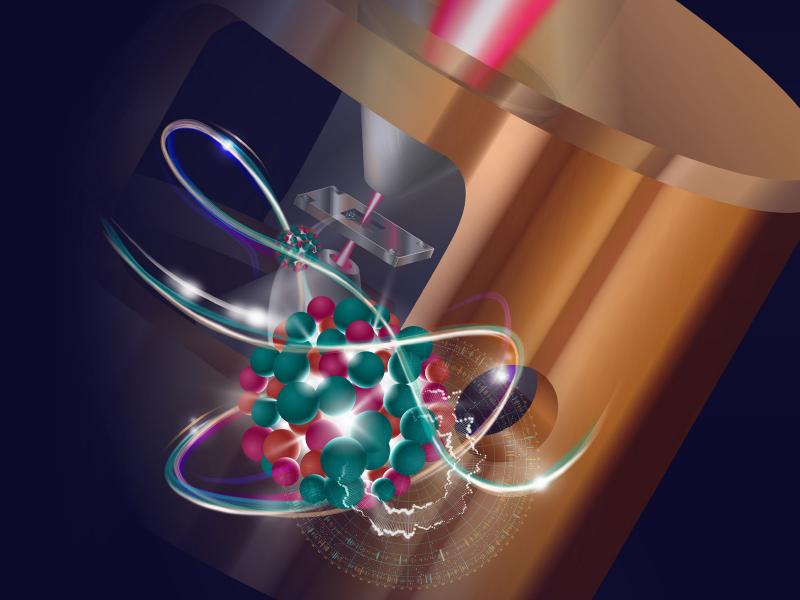
Infusing data science and artificial intelligence into electron microscopy could advance energy storage, quantum information science, and materials design.