From developing new energy storage materials to revealing patterns of Earth’s complex systems, studies led by PNNL researchers are recognized for their innovation and influence.
The ability of a storm-resolving weather model to predict the growth of storms over central Argentina was evaluated with data from the Clouds, Aerosols, and Complex Terrain Interactions (CACTI) field campaign in central Argentina.
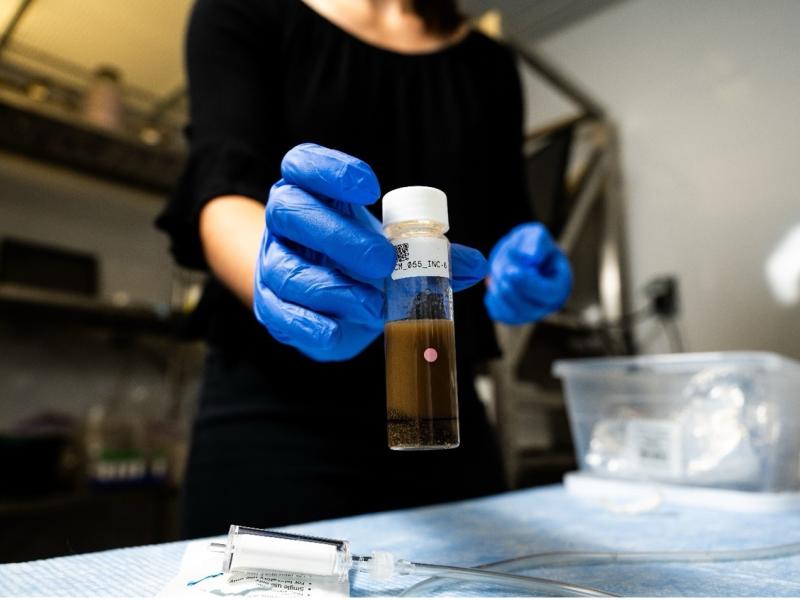
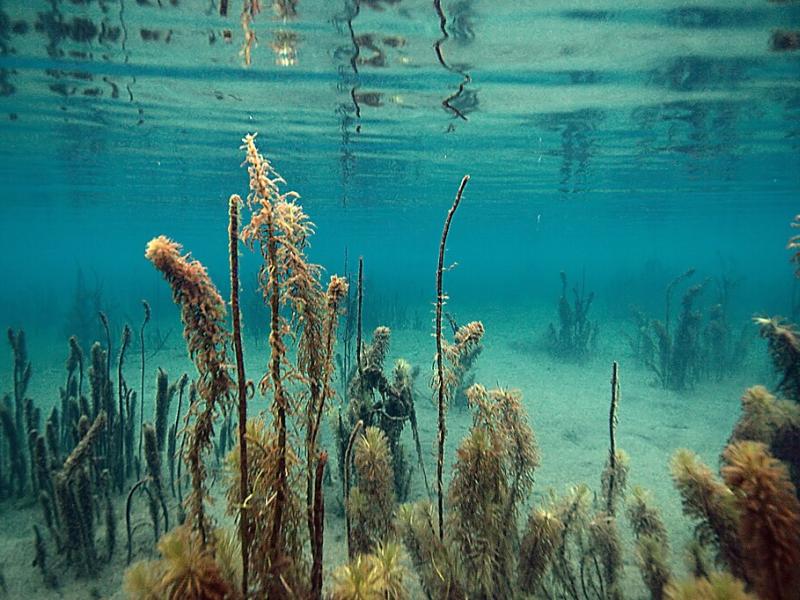
Researchers from PNNL and Parallel Works, Inc., applied machine learning methods to predict how much oxygen and nutrients are used by microorganisms in river sediments.
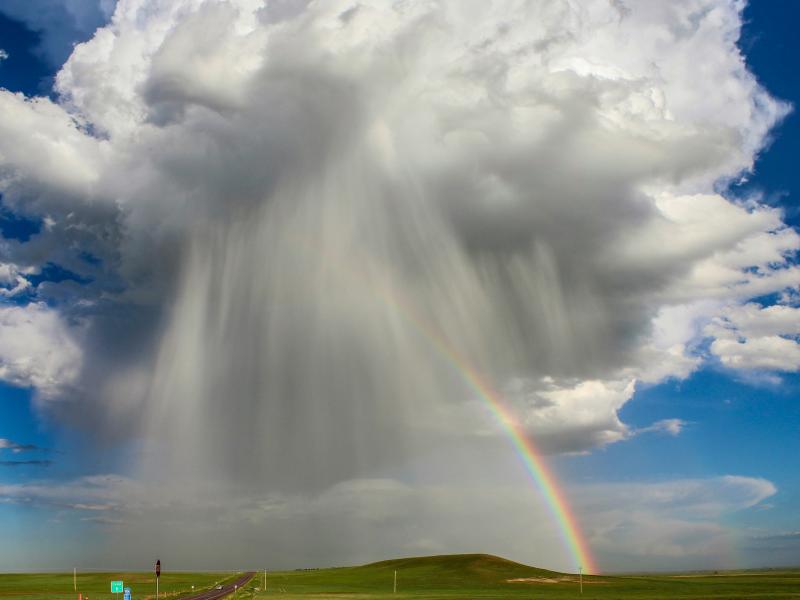
The rate of conversion of cloud droplets to precipitation, known as the autoconversion rate, remains a major source of uncertainty in characterizing aerosol’s cloud lifetime effects and precipitation in global and regional models.
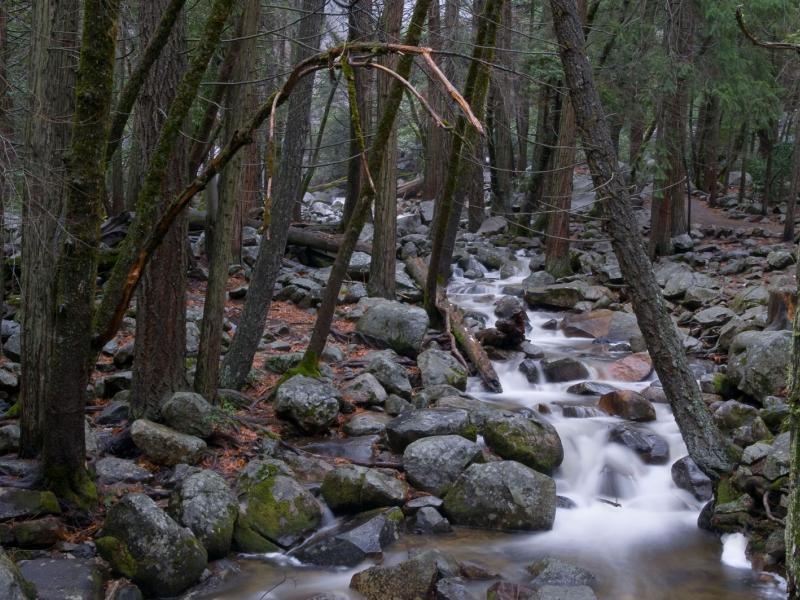
To assess the impact of observation period and gauge location, model parameters were learned on scenarios using different chunks of streamflow observations.
This study presents an automated method to detect and classify open- and closed-cell mesoscale cellular convection (MCC) using long-term ground-based radar observations.
Chemist April Carman was recognized for her career accomplishments with the Professional Achievement Award from the University of Nevada, Reno, College of Science.
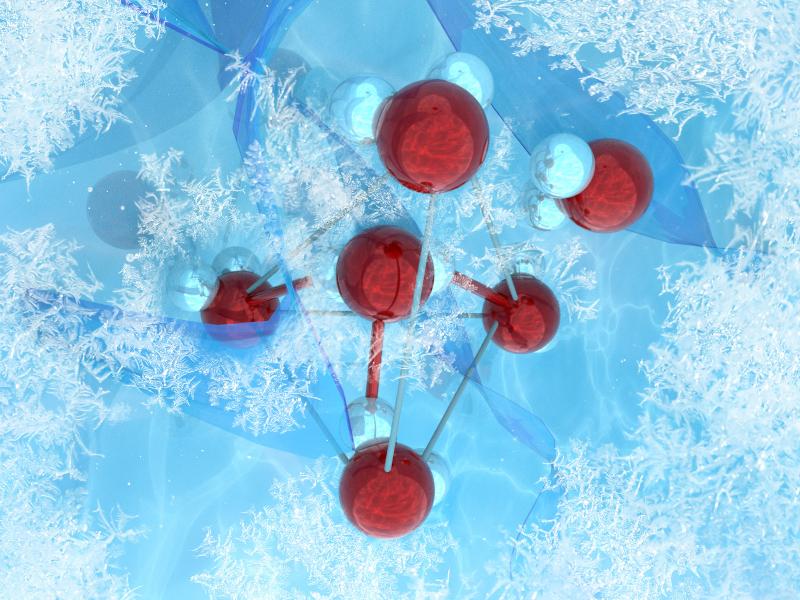
New study elucidates the complex relaxation kinetics of supercooled water using a pulsed laser heating technique at previously inaccessible temperatures.
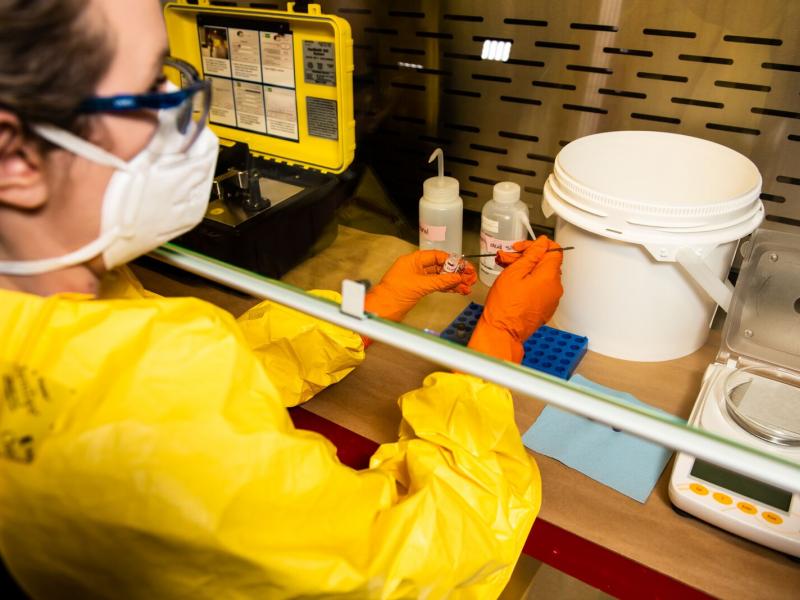
PNNL's Rich Ozanich, project manager of opioids standards and equipment testing, served on an expert panel about opioid detection as part of a Department of Homeland Security S&T research and development showcase.
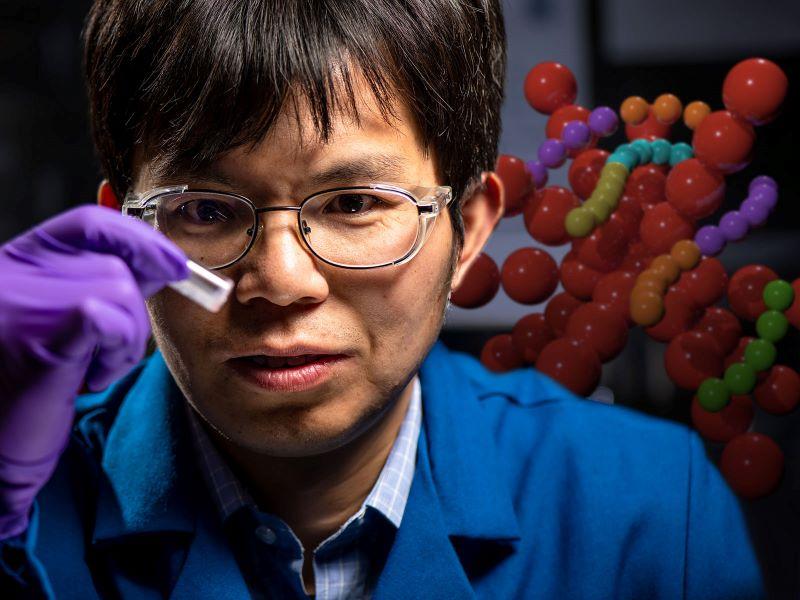
A new review paper led by senior research scientist Chun-Long Chen and featured on the cover of Accounts of Chemical Research summarizes advances by PNNL scientists in developing sequence-defined peptoids.
In a new video series, PNNL is highlighting six scientific and technical experts in the national security domain throughout the fall. Each was promoted to scientist and engineer Level 5, one of PNNL’s most senior research roles.
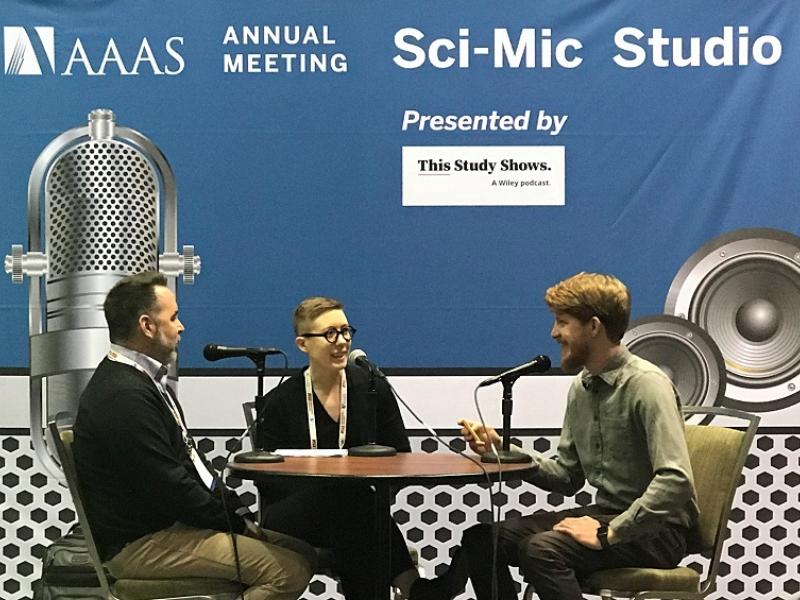
PNNL researchers and professional staff led discussions ranging from biothreats and climate change to science careers at the 2020 annual meeting of the American Association for the Advancement of Science, held this year in Seattle.
When two powerful earthquakes rocked southern California earlier this month, officials’ attention focused, understandably, on safety. How many people were injured? Were buildings up to code? How good are we at predicting earthquakes?