Reactive transport models (RTMs) are used to describe and predict the distribution of chemicals in time and space, in both marine and terrestrial (surface and near-surface) environments where microbially-mediated processes govern...
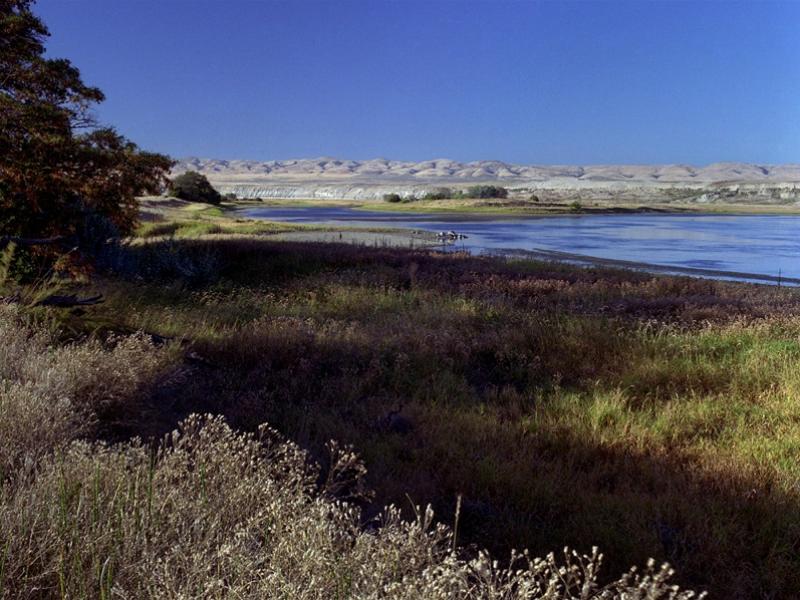
Hydrologic exchange flows (HEFs) increase the contact between river water and subsurface sediments thereby playing a critical role in biogeochemical and ecological functions along river corridors.
Hydrologic exchange fluxes (HEFs) between rivers and surrounding subsurface environments strongly influence water temperatures and biogeochemical processes. Yet, quantitative measures of their effects on the strength and direction of such e
Despite a breadth of research on carbon accrual and persistence in soils, scientist lack a strong, general understanding of the mechanisms through which soil organic carbon (SOC) is destabilized in soils. In a new review article, researcher
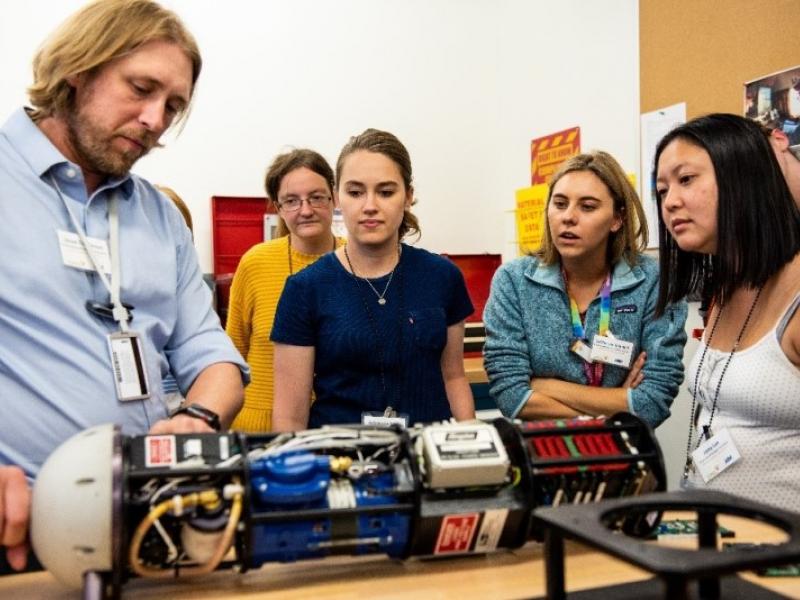
PNNL helped teach the next generation of principal investigators about aerosols—tiny atmospheric particles that can affect the Earth’s climate—during the 2019 Aerosol Summer School.
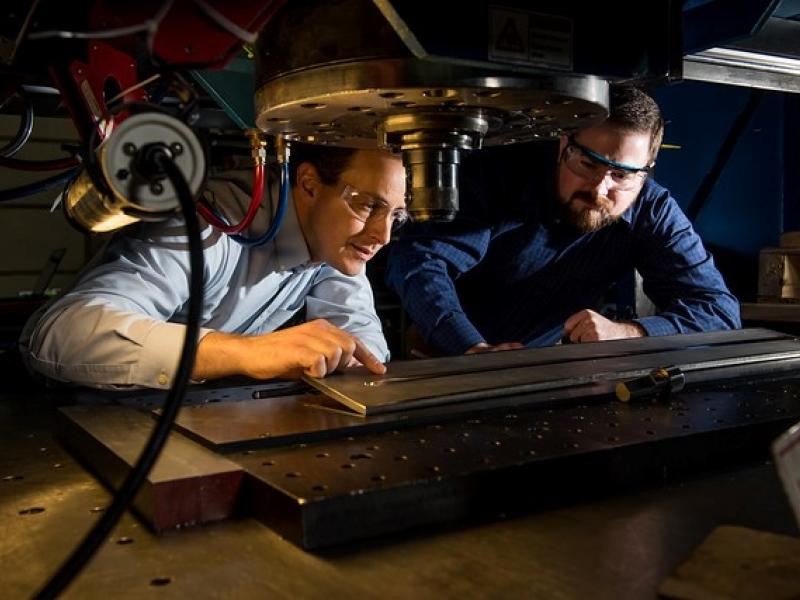
Superman may be known as the "Man of Steel," but scientific superheroes at the Department of Energy's Pacific Northwest National Laboratory are developing a novel approach for manufacturing metals with superior strength.
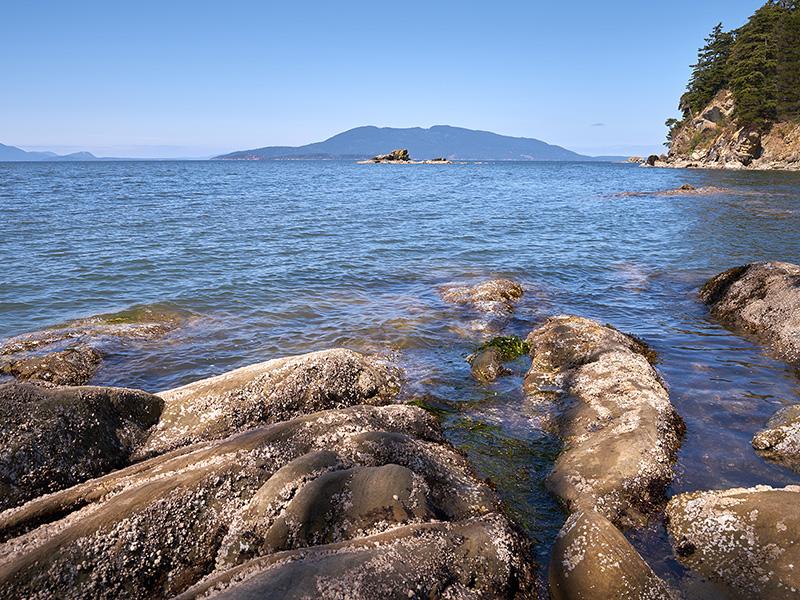
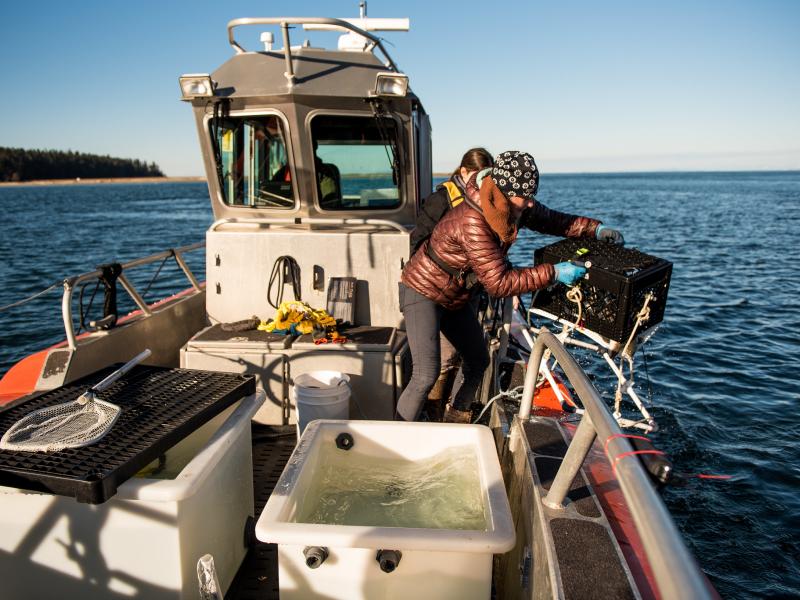
The inner Salish Sea’s future response to climate change, while significant, is predicted to be less severe than that of the open ocean based on parameters like algal blooms, ocean acidification, and annual occurrences of hypoxia.
A new data system—gcamdata—with its robust, clear, and easy-to-use application, was developed to be applied to a variety of Global Change Assessment Model scenarios.
After 10 years, a specialized research aircraft operated by PNNL for the DOE completed is final campaign. PNNL staff are leading efforts to instrument a new plane for future research.
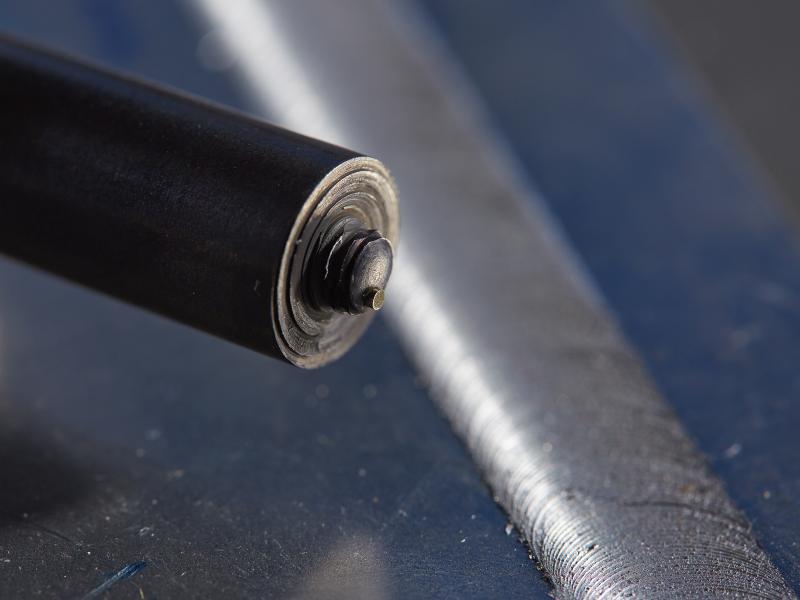
A PNNL study that evaluated the use of friction stir technology on stainless steel has shown that the steel resists erosion more than three times that of its unprocessed counterpart.
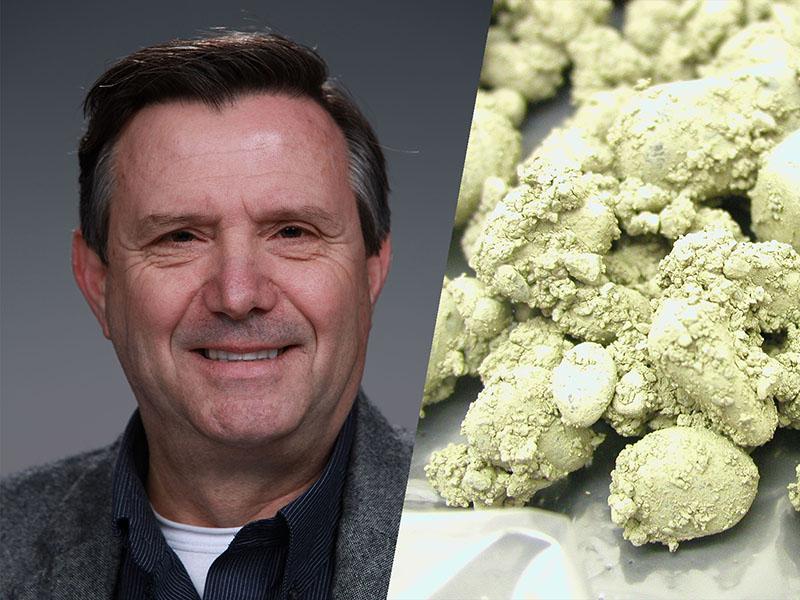
The Soil Science Society of America presents Nik Qafoku with the 2019 Jackson Award for contributions in soil chemistry and mineralogy—ranging from agricultural fertilizer efficiency in Albania to soil contaminant transport at Hanford.
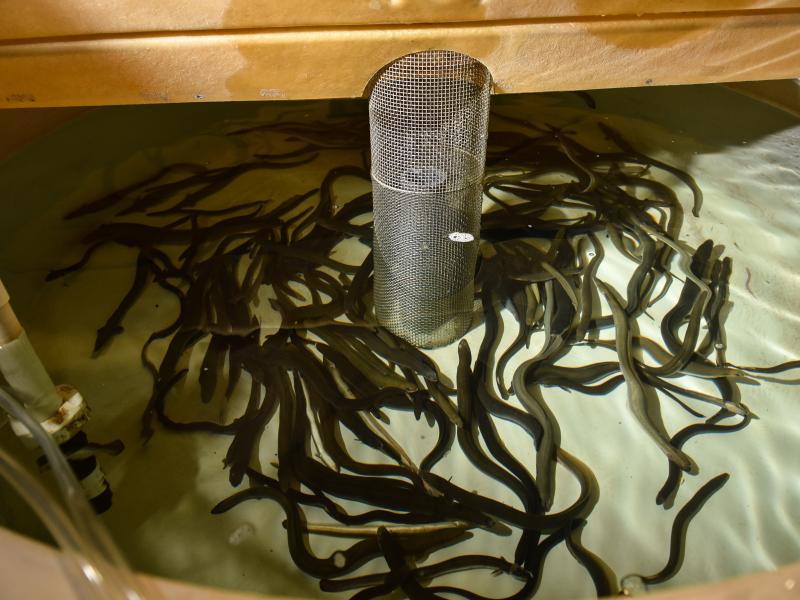
Three PNNL fish researchers recently published a video journal article on how to properly implant miniature acoustic tags in juvenile Pacific lamprey and American eel and how the tags could benefit migration.
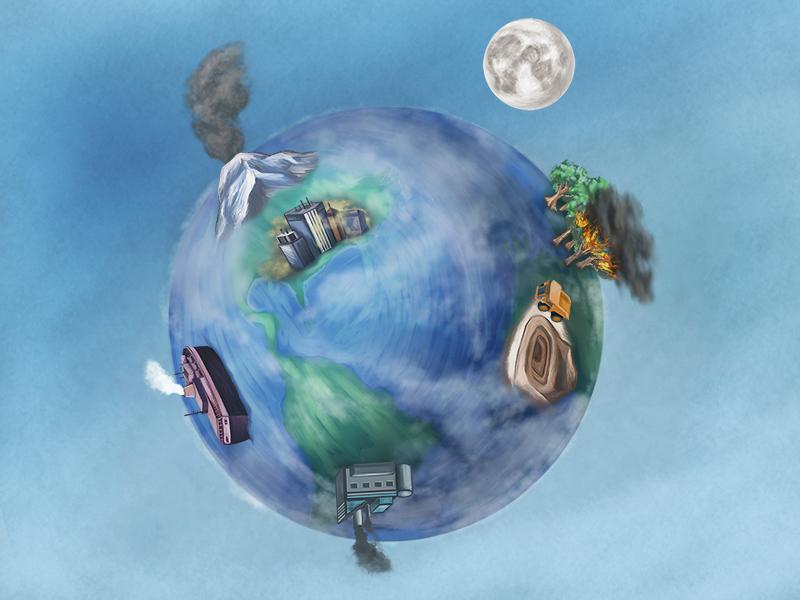
A study co-led by PNNL and reviewed in Science investigates how nanomaterials—both ancient and modern—cycle through the Earth’s air, water, and land, and calls for a better understanding of how they affect the environment and human health.
Like its namesake, Triton, a Greek god dubbed the herald of the sea, the Triton Initiative aims to deliver messages from the ocean about marine energy and how it affects nearby marine animals.
The U.S. Nuclear Regulatory Commission, U.S. Army Corps of Engineers, and PNNL partnered to complete—in record time—an environmental impact statement for the nation’s first small modular nuclear reactor, to be sited at Clinch River, Tenn.