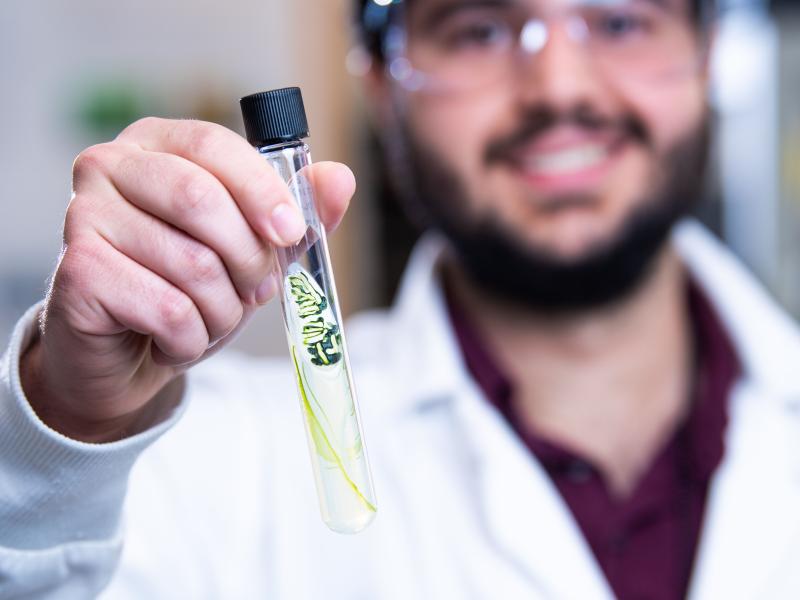
PNNL researchers have found yet another way to turn trash into treasure: using algal biochar, a waste production from hydrothermal liquefaction, as a supplementary material for cement.
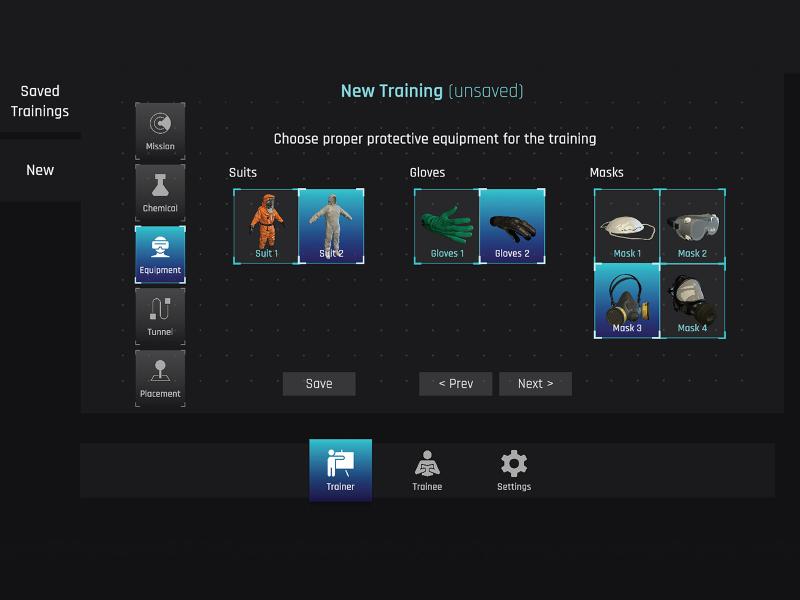
A team of researchers recently coordinated a series of international workshops aimed at enhancing chemical research security and fostering collaboration among scientists and academic researchers from both countries.
With her broad experience and background, Starr Abdelhadi was selected from many applicants to join the Women in IT Networking at SC (WINS) program for Super Computing 2024 (SC24).
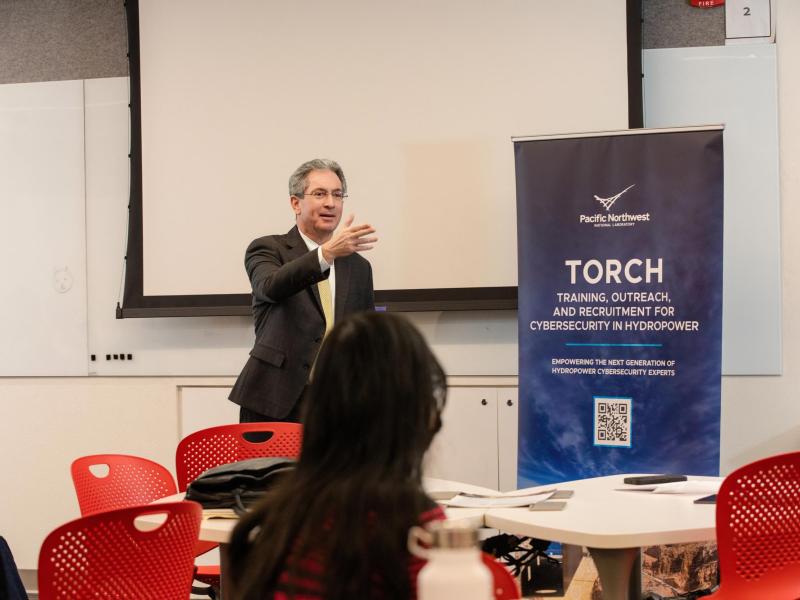
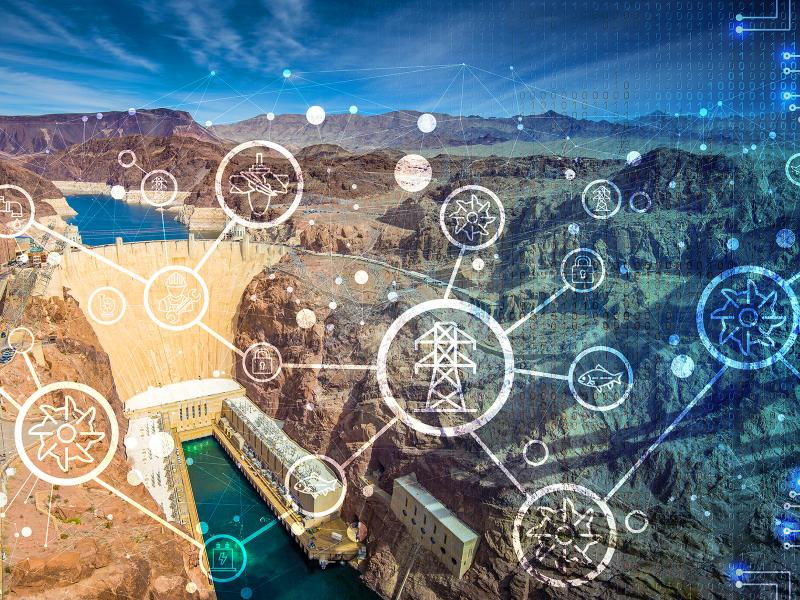
Pacific Northwest National Laboratory launches the Training Outreach and Recruitment for Cybersecurity Hydropower program at the University of Texas at El Paso.
PNNL researchers helped design and conduct an international exercise hosted by the Ministry of Finance of Finland to help improve financial sector resilience.
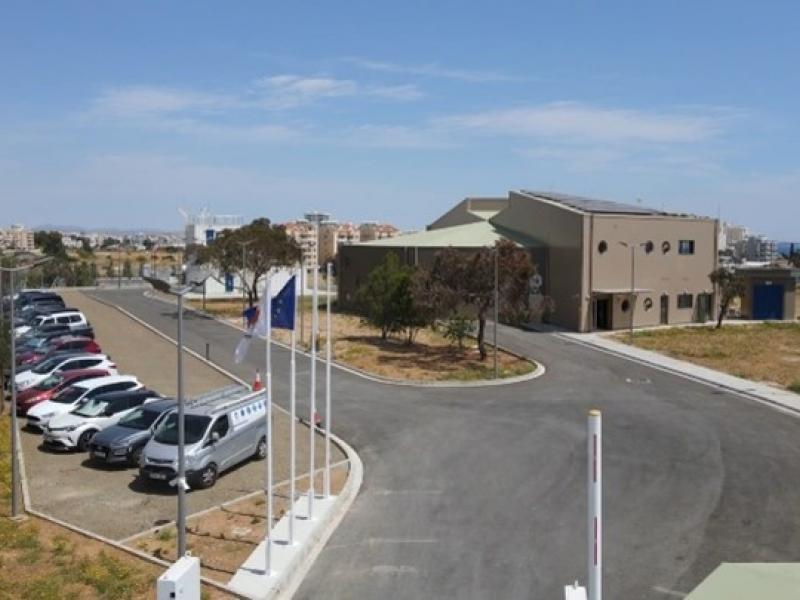
A new, state-of-the-art training facility in Larnaca, Cyprus provides unique training opportunities for border security officials from partner nations.
Human-machine teaming may sound like something from the distant future. In “Human-Machine Teaming: A Vision of Future Law Enforcement” in Domestic Preparedness, Corey Fallon, Kris Cook, and Grant Tietje of PNNL examine this topic.
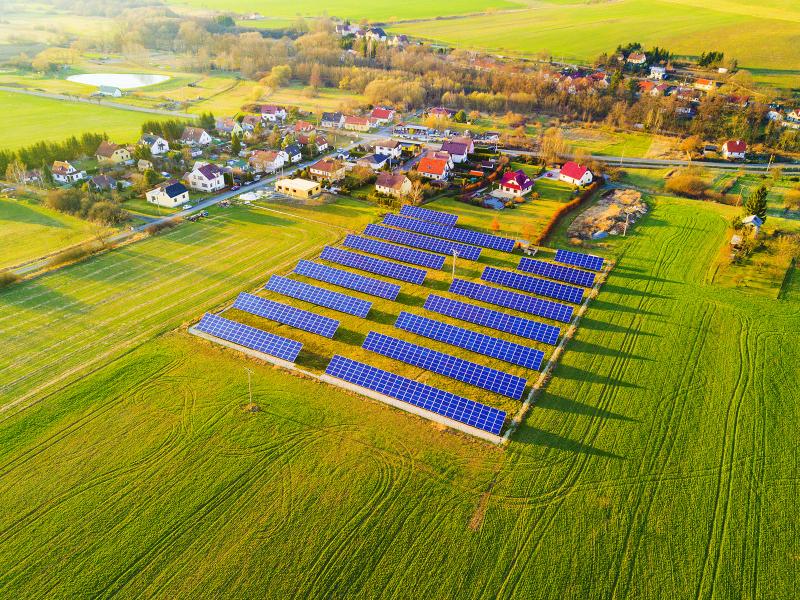
With an eye on renewable, accessible, and resilient power, PNNL researchers show hyper-local microgrids are a viable option, if designed with the right mix of sources.
Electrical engineer Aditya Ashok and cybersecurity researcher Thomas Edgar win best paper award for their work to create a new high-fidelity dataset that will help advance cybersecurity solutions for critical infrastructure protection.
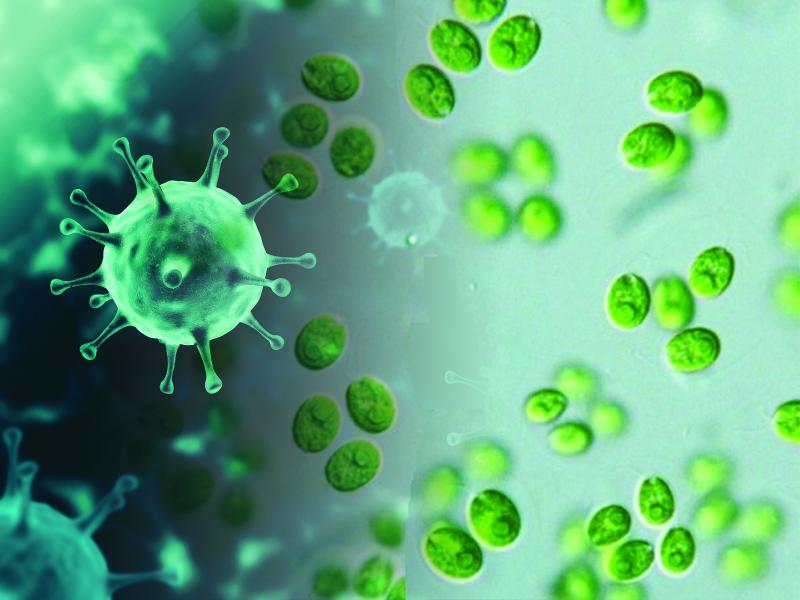
A comprehensive literature review linking algae and antivirals determines compounds in algae may demonstrate an exceptional—and as yet untapped—potential to combat viral diseases at every point along the viral infection pathway.
A recent edition of the Infrastructure Resilience Research Group Journal featured an article written by PNNL researchers Rob Siefken and Jake Burns about “Design Basis Threat and the Low Threat Environment.”