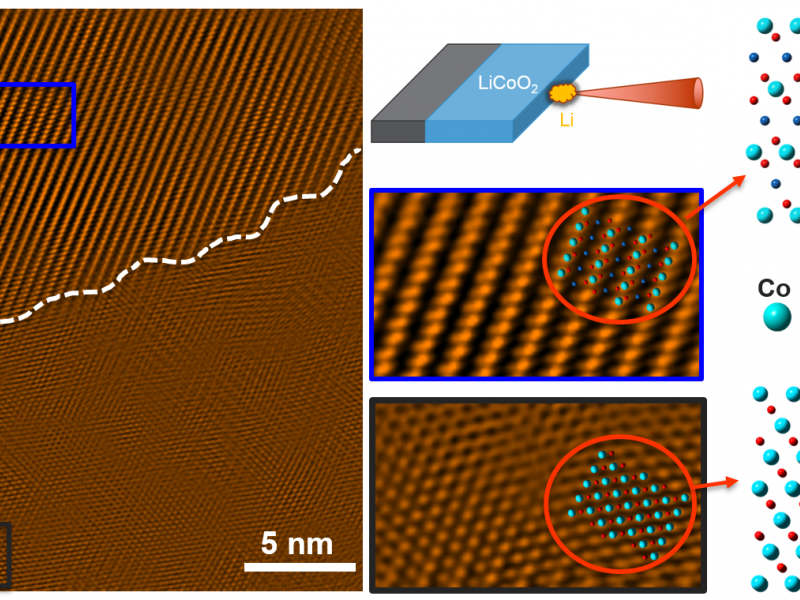
A recent study pinpointed the reaction front where lithium (Li) dendrites can come into contact with cathode materials. It also detailed the Li propagation pathway and reaction steps that lead to cathode failure.
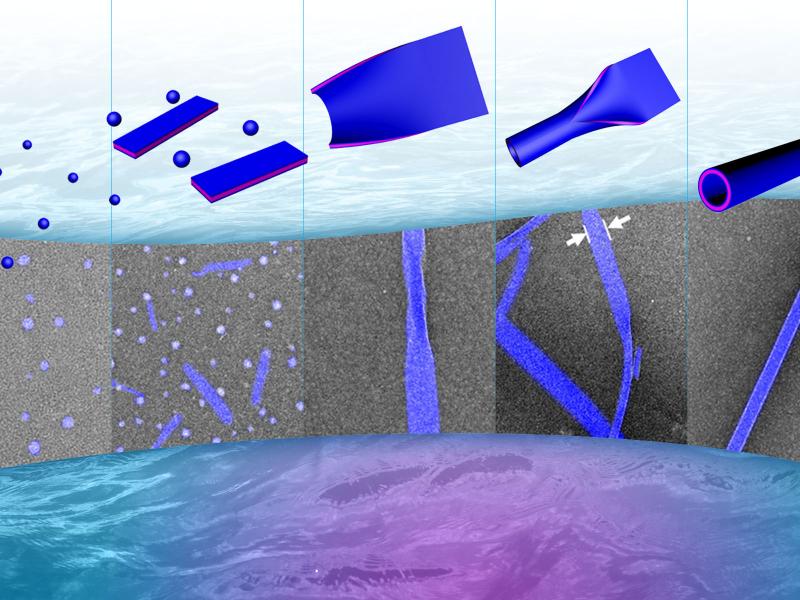
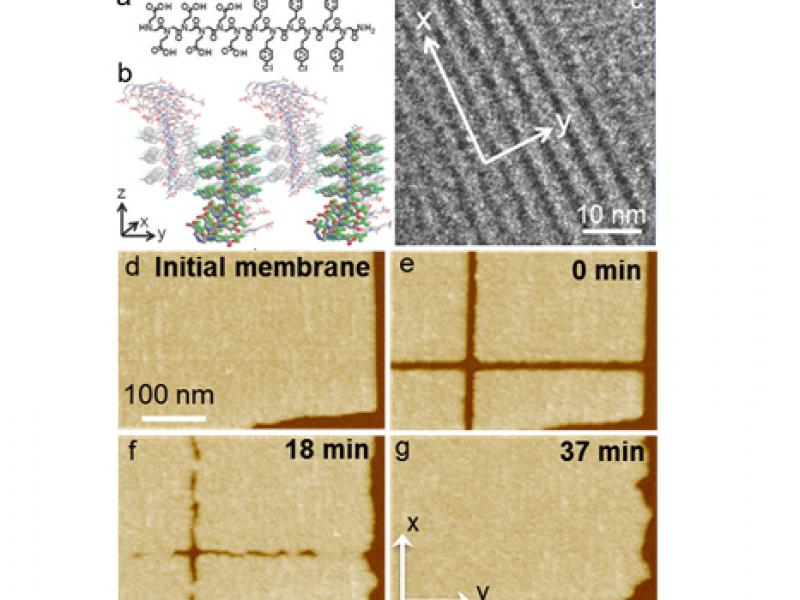
Imagine a hollow tube thousands of times smaller than a human hair. Now envision filthy water flowing through an array of such tubes, each designed to capture contaminants on the inside, with clean water emerging at the other end.
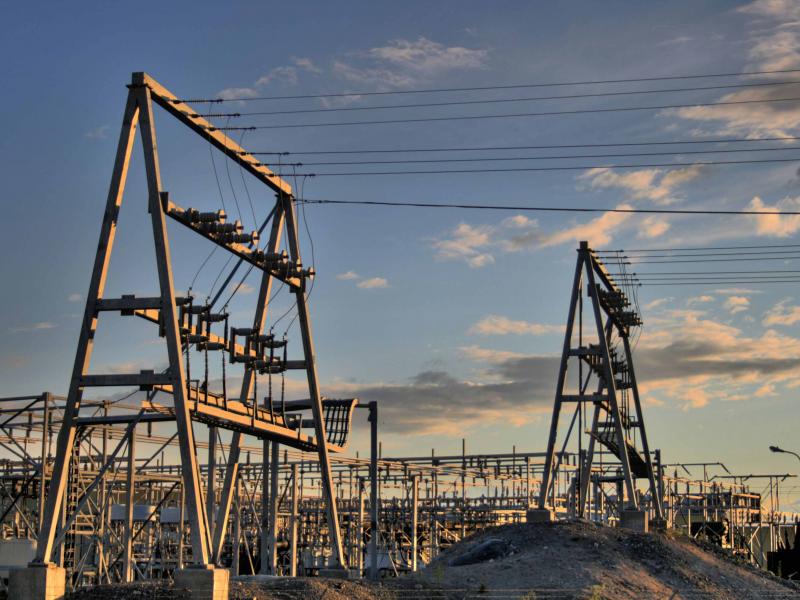
PNNL will lead two new projects to advance resilient distribution systems and partner on three additional demonstrations aimed at validating new approaches and technologies to make the aging grid more resilient and secure.