Twelve researchers from PNNL presented at the 2020 Metabolomics Association of North America virtual conference in mid-September. Their presentations included a plenary talk, keynote talks, oral presentations, posters, and a lightning talk.
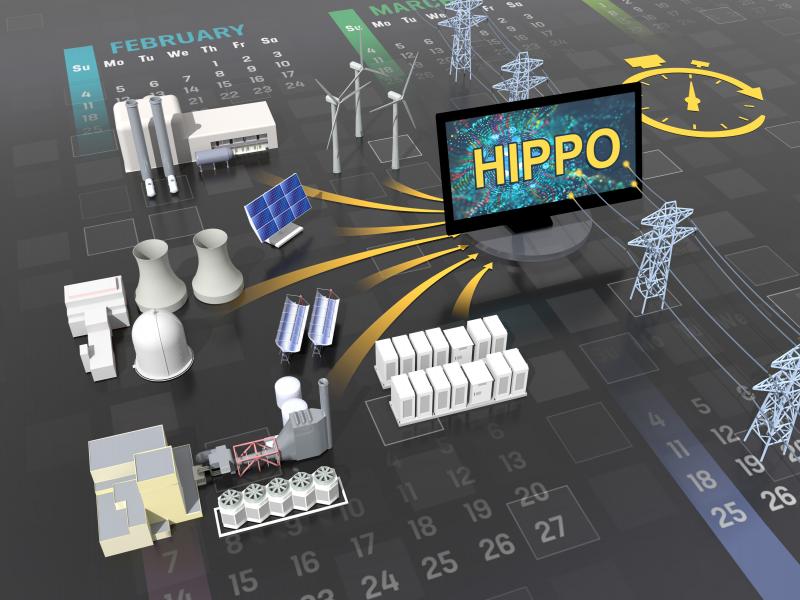
Making sure there’s enough electricity at the lowest price is a critical endeavor undertaken daily by electricity market operators. Now, there’s an approach that provides more timely and accurate information to make day-ahead decisions.
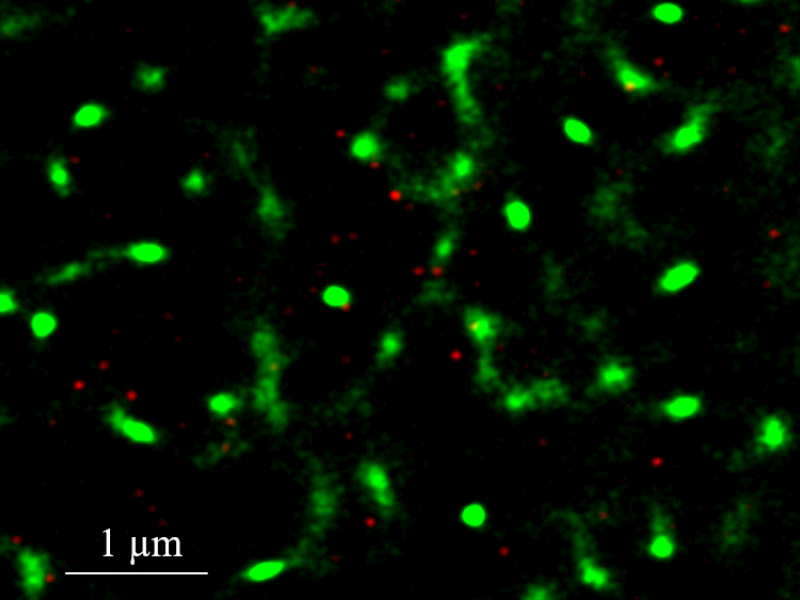
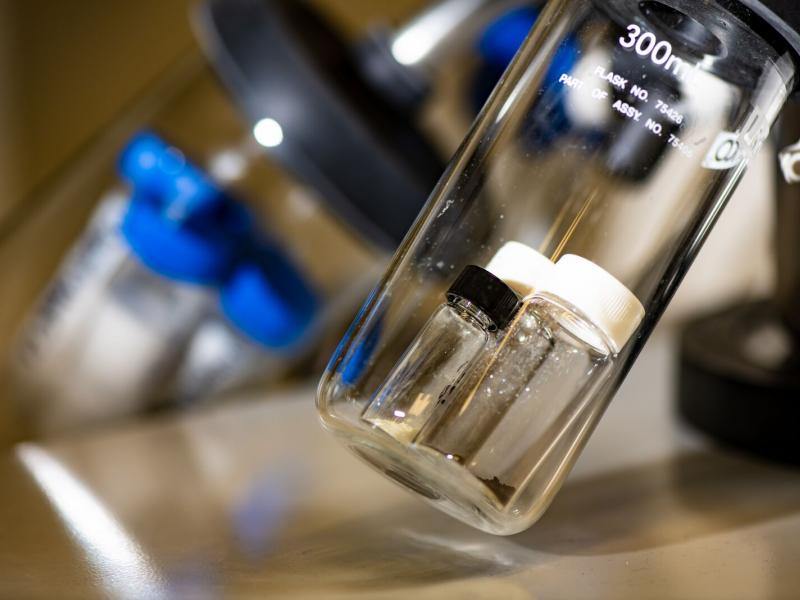
Pacific Northwest National Laboratory (PNNL) is part of a continuing National Science Foundation (NSF) team investigating the environmental impact of nanoparticles at the molecular level.
To study the impact of accelerated dryland expansion and degradation on global dryland gross primary production (GPP,) PNNL and Washington State University researchers assessed GPP data from 2000-2014 and the CMIP5 aridity index (AI).
Contributions from researchers across Pacific Northwest National Laboratory (PNNL) were recently recognized in the preliminary findings of a Secretary of Energy Advisory Board (SEAB) report.
Researchers from PNNL have helped colleagues at OHSU identify lipid molecules required for Zika infection in human cells. The specific lipids involved could also be a clue to why the virus primarily infects brain tissue.
A new PNNL report says the western U.S. power system can handle large-scale vehicle electrification up to 24 million vehicles through 2028, but more than that and cities could start feeling the squeeze.
Biomedical scientist Brian Thrall co-edited the issue published in the journal NanoImpact. Three of the articles in the issue include multiple PNNL authors.
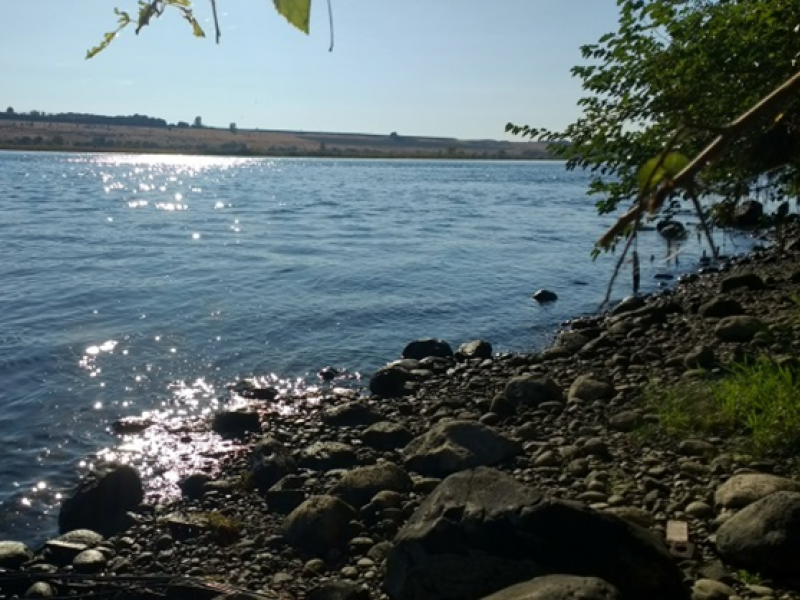
Researchers performed controlled laboratory experiments using river sediment to test organic matter thermodynamics as a mechanism of metabolic control in areas where groundwater and surface water mix.
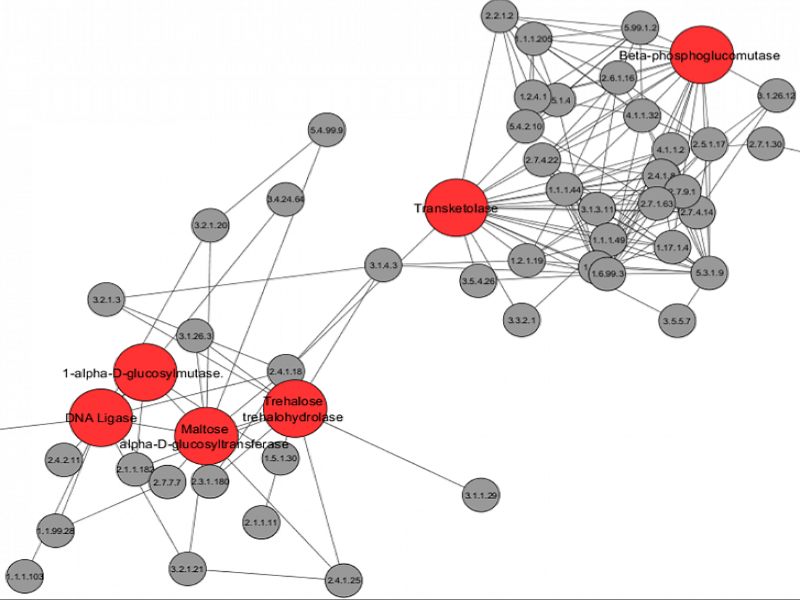
Researchers performed a combined analysis of metabolic and gene co-expression networks to explore how the soil microbiome responds to changes in moisture and nutrient conditions.
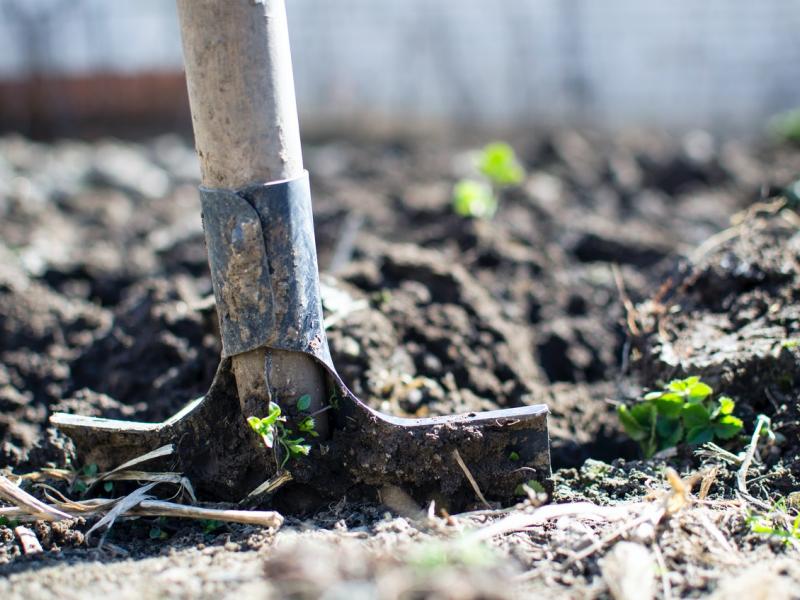
By studying discrete functional components of the soil microbiome at high resolution, researchers obtained a more complete picture of soil diversity compared to analysis of the entire soil community.
PNNL's Northwest Regional Technology Center interviews Assistant Chief of Resource Management for Seattle Fire Department Willie Barrington about how his team faced the unknown when the COVID-19 pandemic hit Seattle, Washington.
PNNL and Oklahoma State University join forces to understand the chemistry of sodium-ion and potassium-ion batteries thanks to an award from the U.S. Department of Energy's Established Program to Stimulate Competitive Research (EPSCoR).
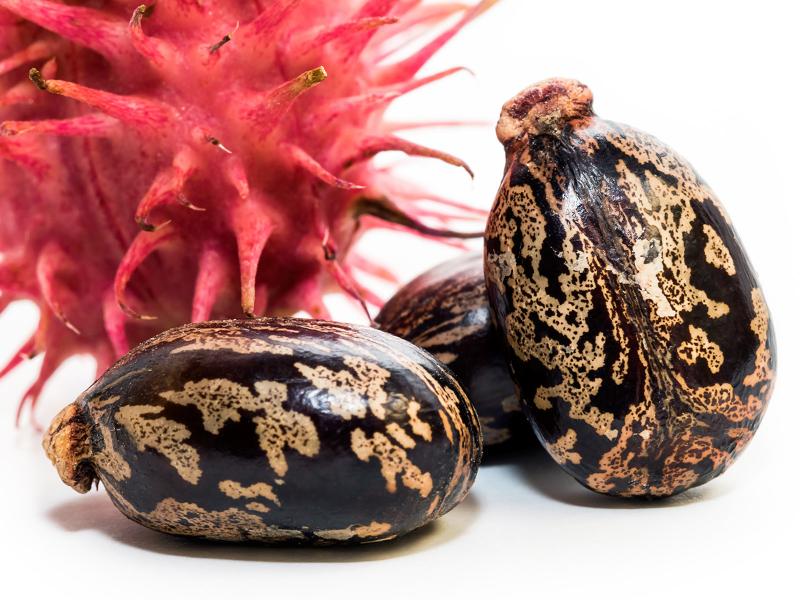
As author of her first publication, PNNL bioinformaticist Isabelle O’Bryon developed the first forensic proteomics method to more quickly detect ricin, a toxin often crudely made in home laboratories that can kill in trace amounts.
Their consistency and predictability makes tidal energy attractive, not only as a source of electricity but, potentially, as a mechanism to provide reliability and resilience to regional or local power grids.
Six months into a pandemic that has claimed more than 570,000 lives worldwide, scores of PNNL scientists are engaged in dozens of projects in the fight against COVID-19.