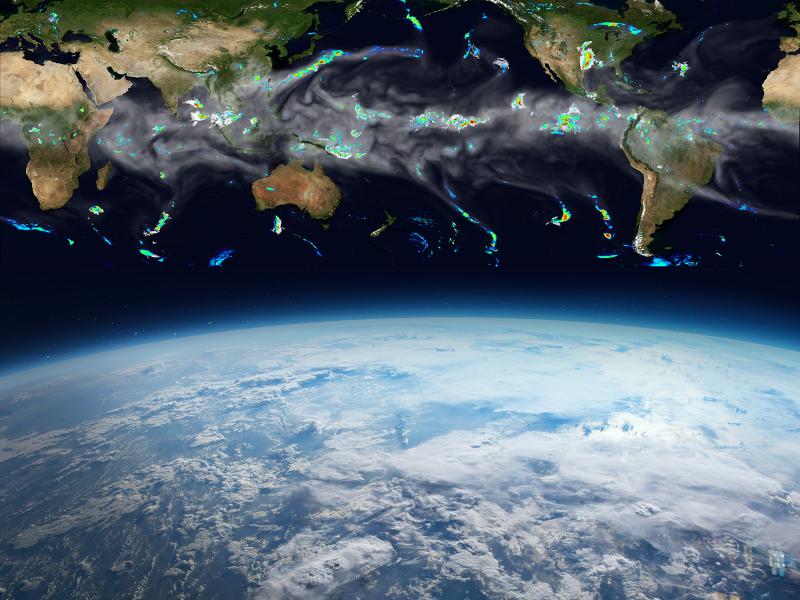
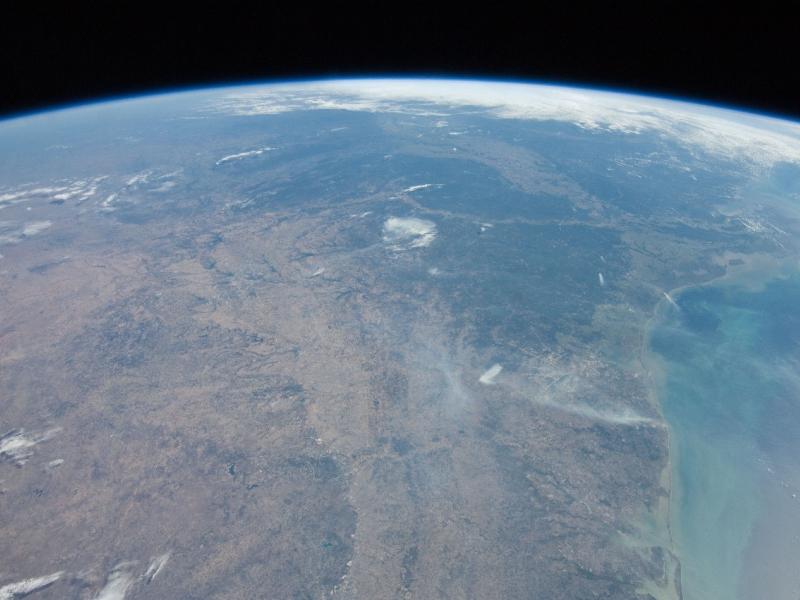
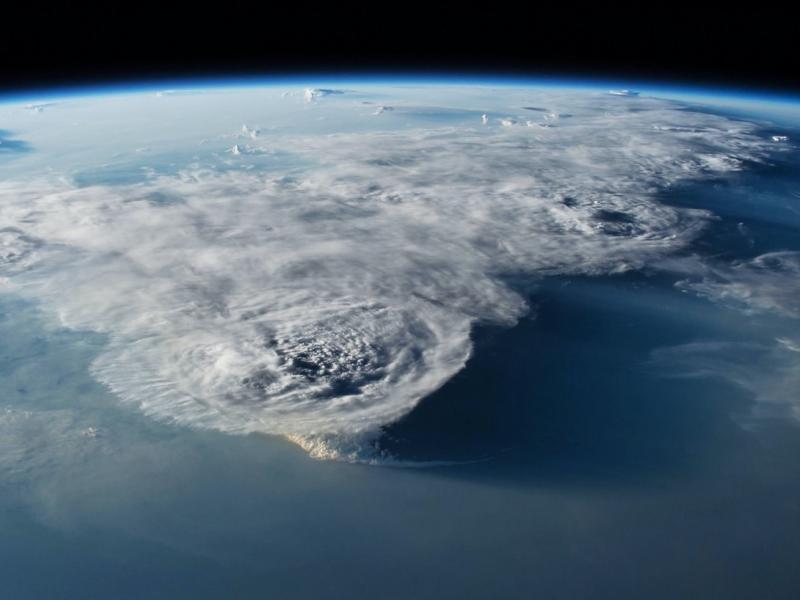
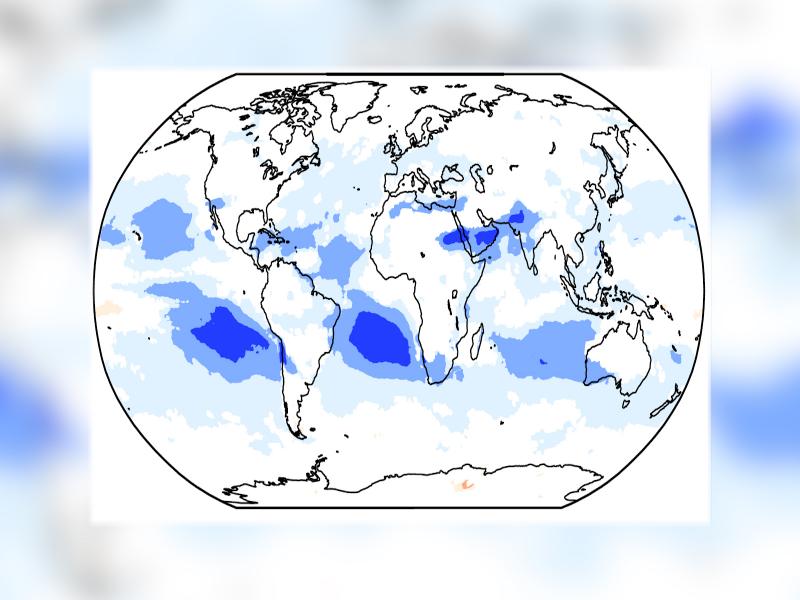
A high-resolution dataset captures a more complete view of the global distribution and characteristics of strong storms called mesoscale convective systems.
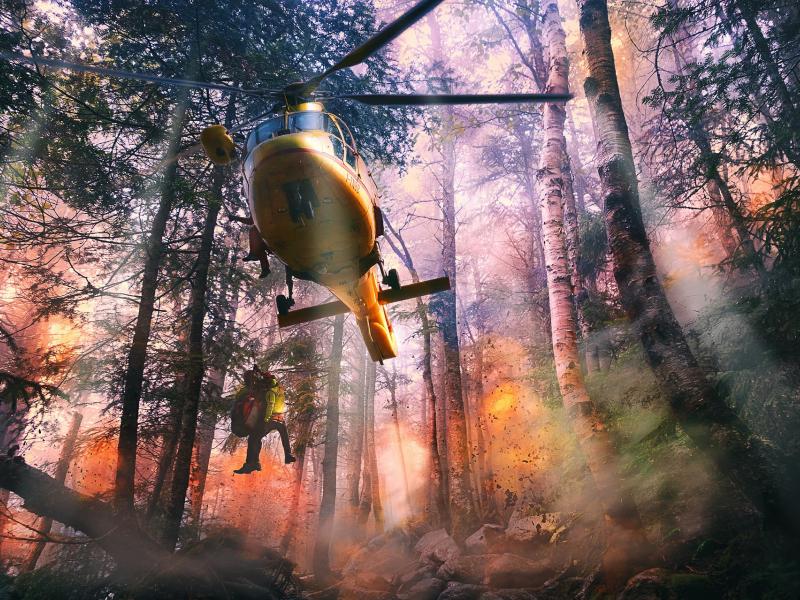
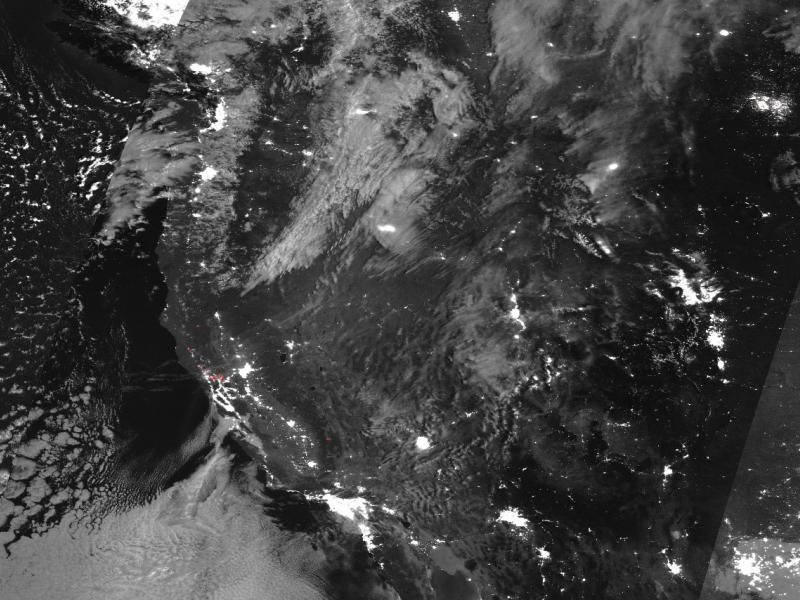
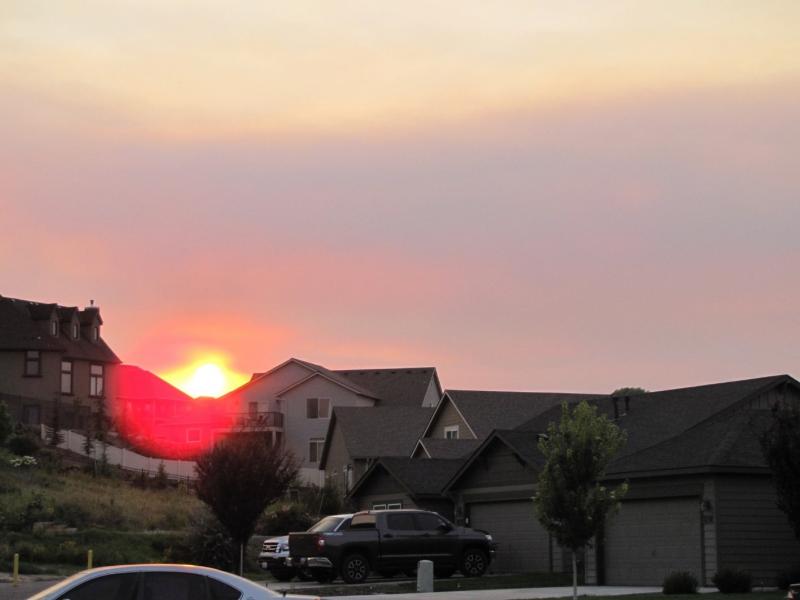
PNNL combines AI and cloud computing with damage assessment tool to predict path of wildfires and quickly evaluate the impact of natural disasters, giving first responders an upper hand.
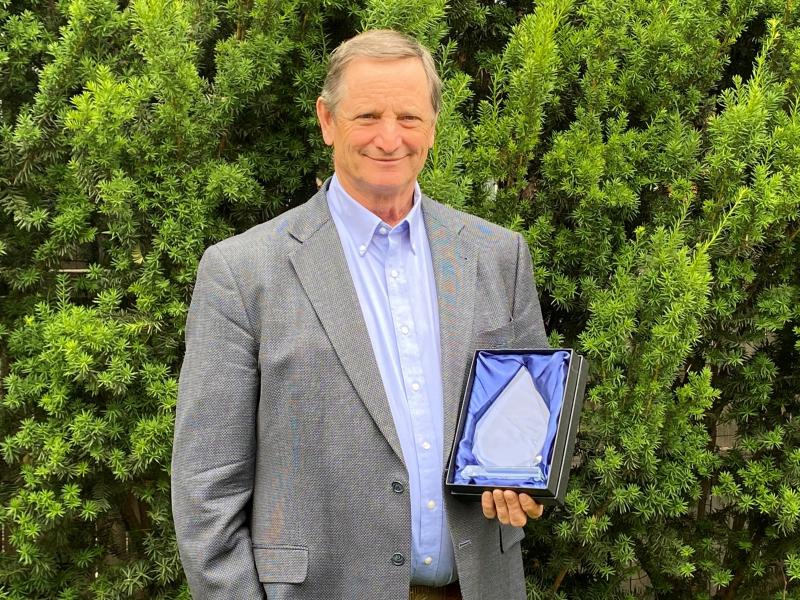
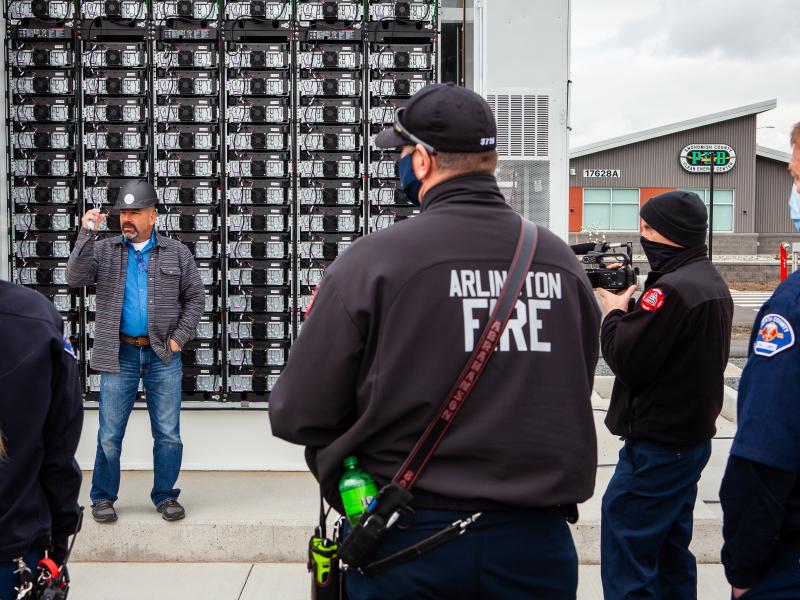
Grid Forward, an industry association dedicated to promoting and accelerating innovation in the regional electric system, honored PNNL's Carl Imhoff with the 2021 Grid Innovator Award.
A research project that brings together mathematicians and atmospheric scientists has developed into a deep collaboration for improving atmospheric models.
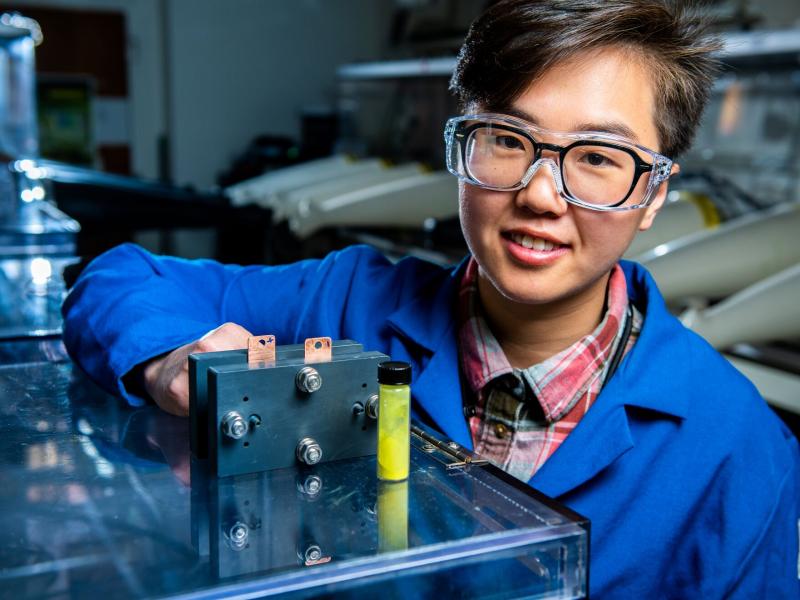
A compound used in candles offers promise for a modern energy challenge—storing massive amounts of energy to be fed into the electric grid as the need arises.
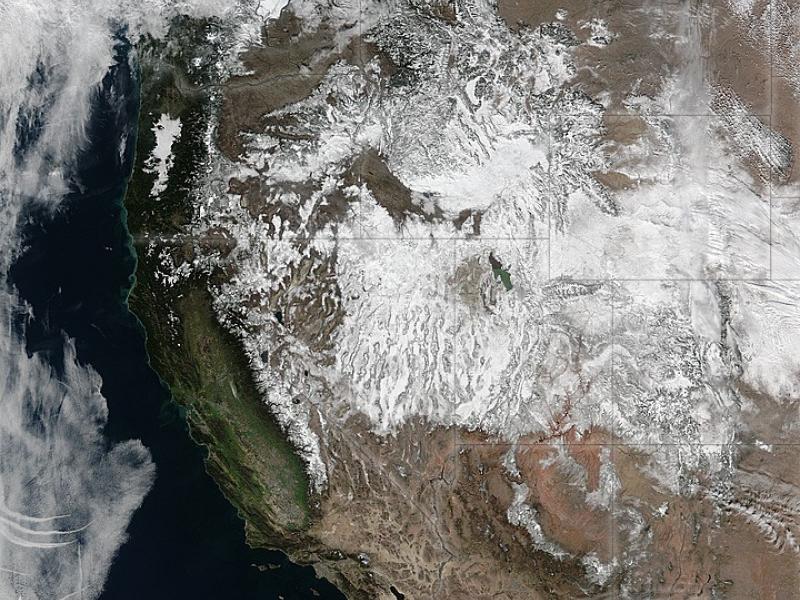
Researchers found that warmer local sea surfaces increase the winter snowpack in the Sierra Nevada mountains, but reduce snowpack in the Cascade range.
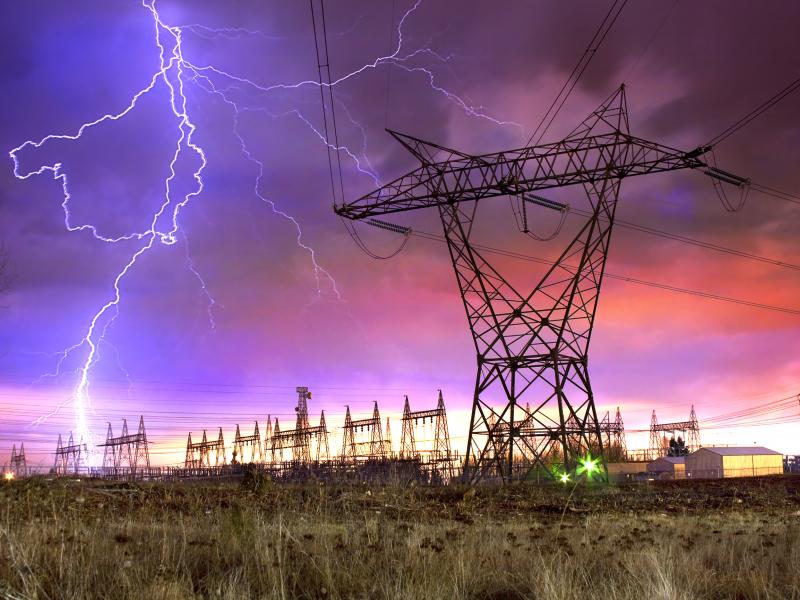
PNNL has released the first version of ExaGO, an open-source grid modeling software that can take advantage of emerging heterogeneous computing architecture to help grid operators plan ahead for extreme events.
Researchers developed a strategy for quantifying the numerical errors in global simulations of atmospheric clouds and attributing them to components in the computational model.