PNNL scientists joined international leaders in artificial intelligence research to discuss the latest advances, opportunities, and challenges for neural information processing—the foundation for AI.
Red teaming for CPS, the process of challenging systems, involves a group of cybersecurity experts to emulate end-to-end cyberattacks following a set of realistic tactics, techniques, and procedures.
A recent edition of the Infrastructure Resilience Research Group Journal featured an article written by PNNL researchers Rob Siefken and Jake Burns about “Design Basis Threat and the Low Threat Environment.”
Through two U.S. Department of Energy funding calls awarded in 2020, PNNL is partnering with industry and academia to advance battery materials and processes.
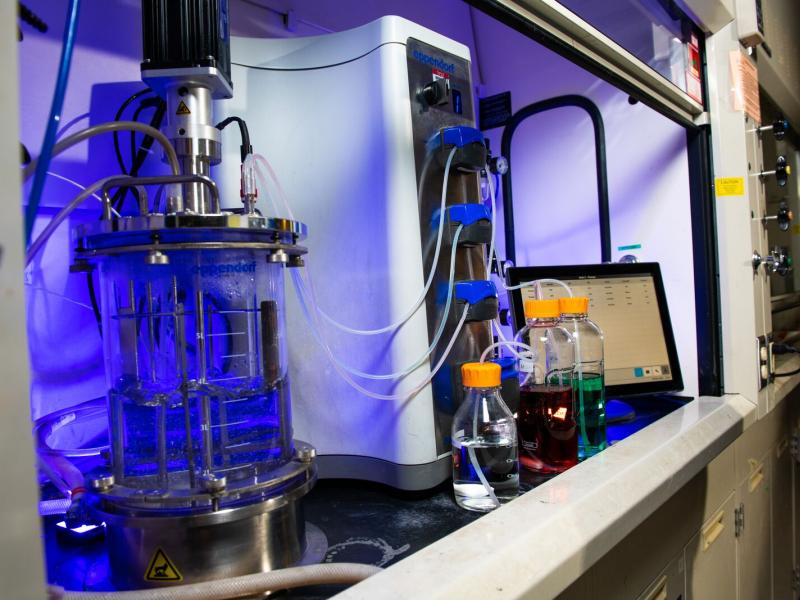
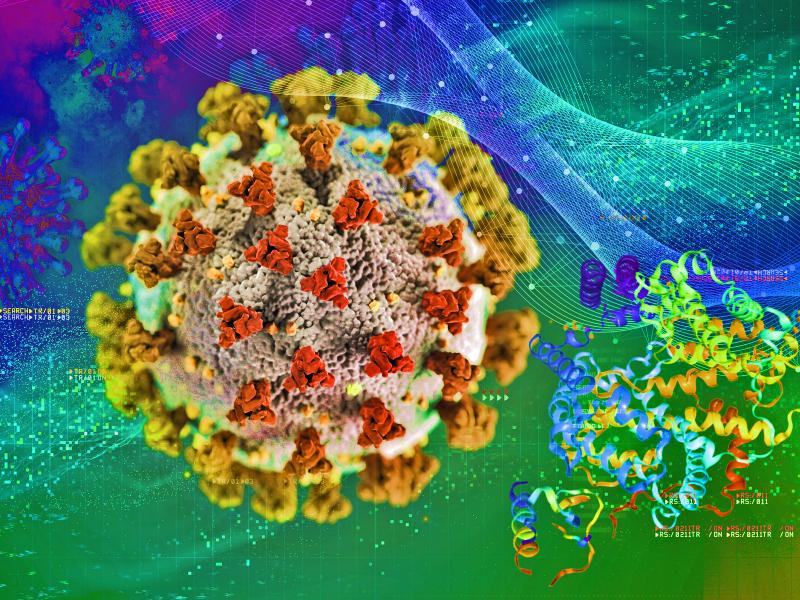
PNNL computational biologists, structural biologists, and analytical chemists are using their expertise to safely accelerate the design step of the COVID-19 drug discovery process.
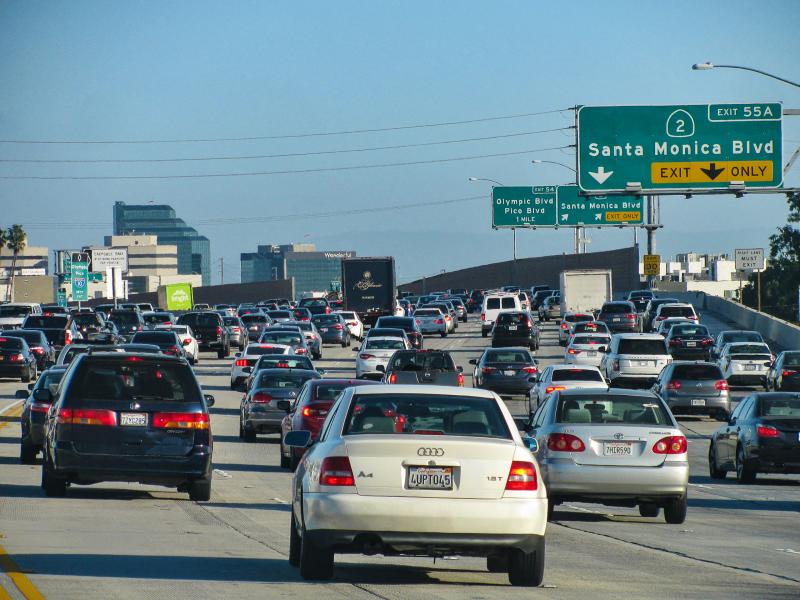
Using public data from the entire 1,500-square-mile Los Angeles metropolitan area, PNNL researchers reduced the time needed to create a traffic congestion model by an order of magnitude, from hours to minutes.
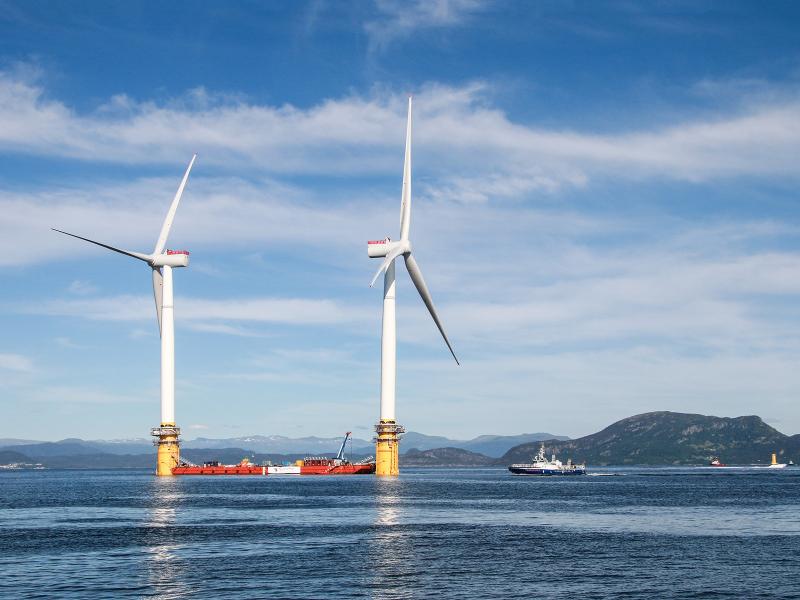
PNNL researchers say that offshore wind energy can add value to the electric grid, beyond just the power it can produce, if locations and strategies are optimized.
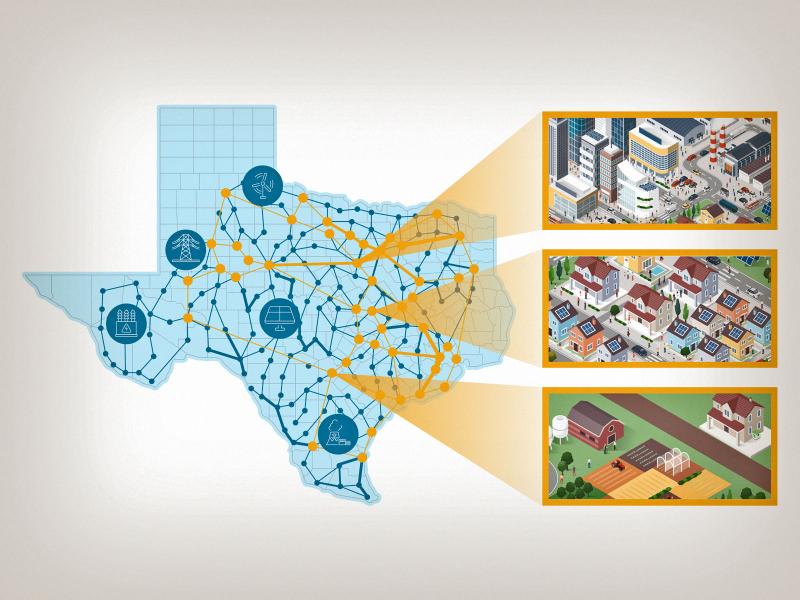
PNNL’s longstanding grid and buildings capabilities are driving two projects that test transactive energy concepts on a grand scale and lay the groundwork for a more efficient U.S. energy system.
PNNL researchers have shown an improved binarized neural network can deliver a low-cost and low-energy computation to help the performance of smart devices and the power grid.
The project received an Innovative and Novel Computational Impact on Theory and Experiment (INCITE) award, a highly competitive U.S. Department of Energy Office of Science program.
Pacific Northwest National Laboratory researchers developed a graphical processing unit (GPU)-centered quantum computer simulator that can be 10 times faster than any other quantum computer simulator.
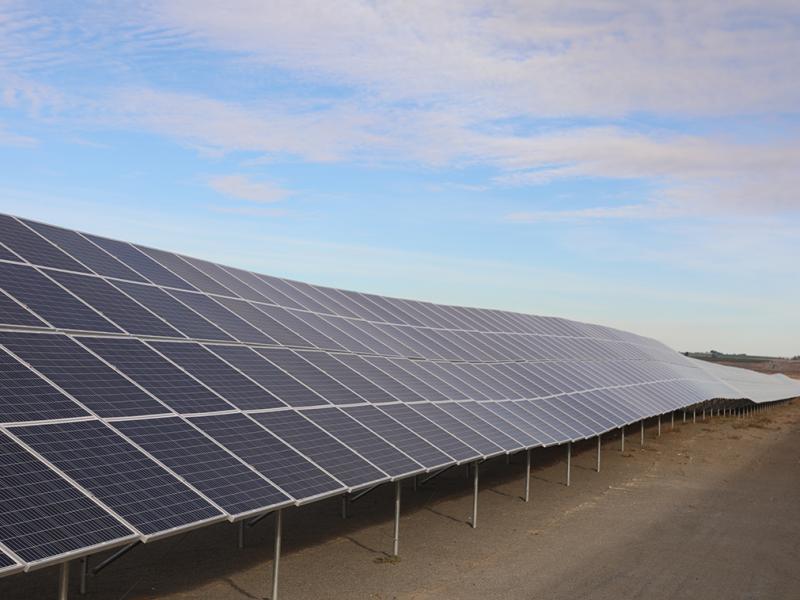
PNNL is one of the collaborating partners on a new grid-scale solar and energy storage installation near the PNNL campus in a project led by Energy Northwest.