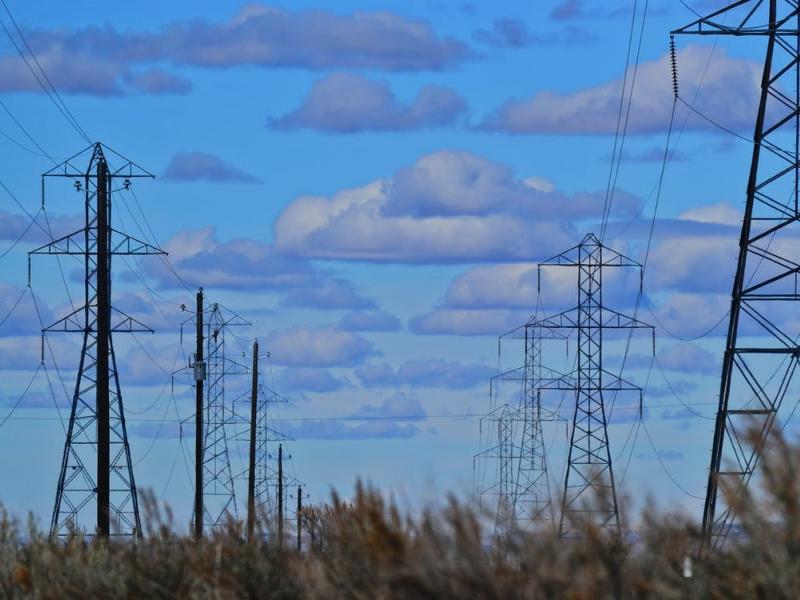
A recent edition of the Infrastructure Resilience Research Group Journal featured an article written by PNNL researchers Rob Siefken and Jake Burns about “Design Basis Threat and the Low Threat Environment.”
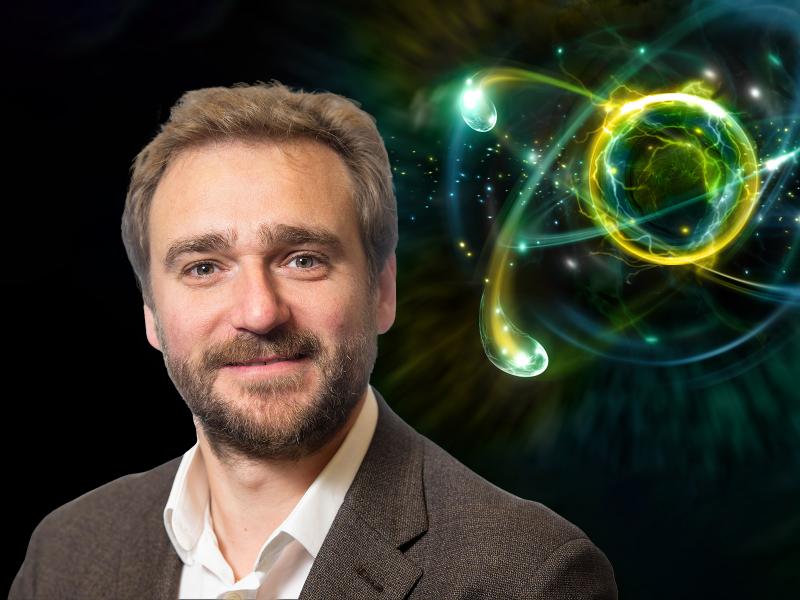
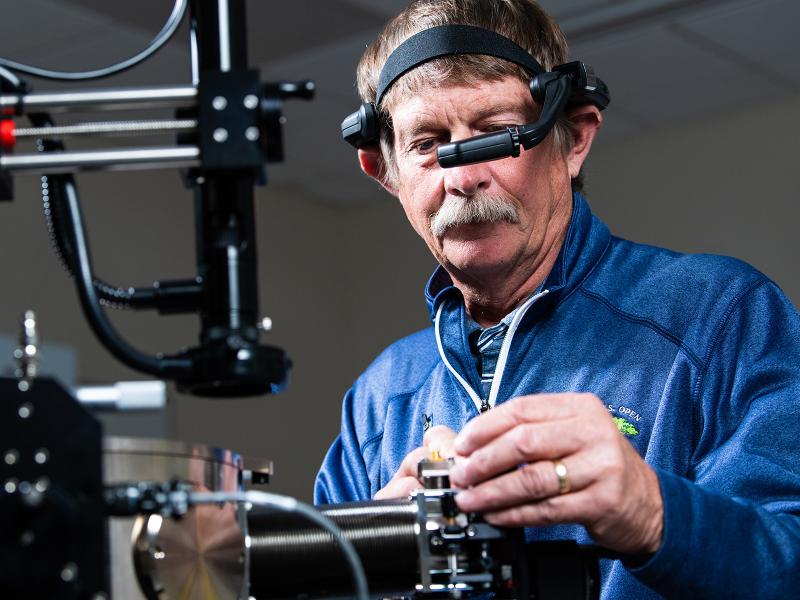
As a physicist at PNNL, Jon Burnett’s work is about developing instruments to detect ultra-trace radionuclide signatures, analyze samples from around the world to look for evidence of nuclear explosions, and then interpret that information.
As COVID-19 was limiting in-person contact, halting travel, and creating additional barriers, researchers at PNNL were working to find solutions on how they could still get work done while establishing new safety protocols.
PNNL’s Fred Morris was awarded the National Nuclear Security Administration Administrator Lifetime Achievement and Distinguished Service Silver awards.
Rey Suarez was the keynote speaker at the Preparatory Commission of the Comprehensive Nuclear-Test-Ban Treaty Organization’s Specialized Technical Meeting on Preventive and Predicative Maintenance of the International Monitoring System.
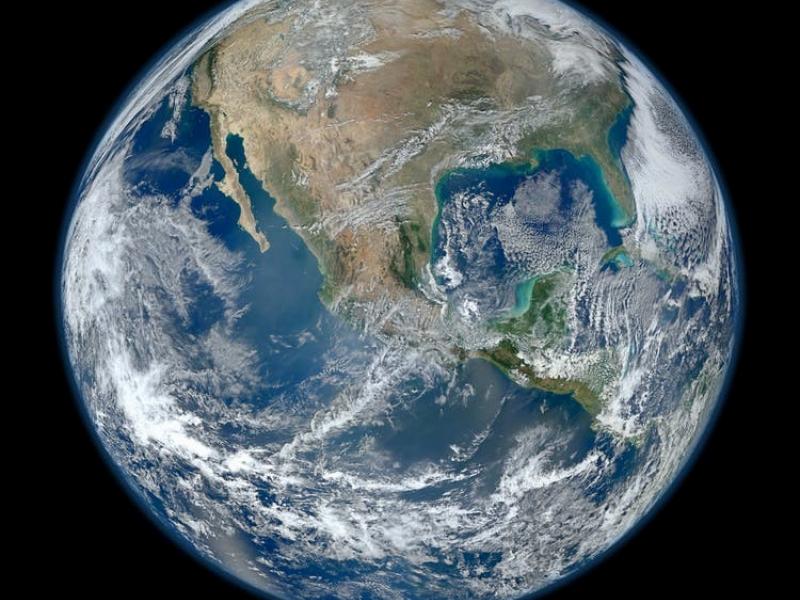
Researchers introduced a simulated carbon cycle to the Energy Exascale Earth System Model, broadening its utility and enabling new research directions.
Pacific Northwest National Laboratory Global Security Technology and Policy group manager, Sarah Frazar, was named to the Board of Trustees for the World Affairs Council of Seattle.
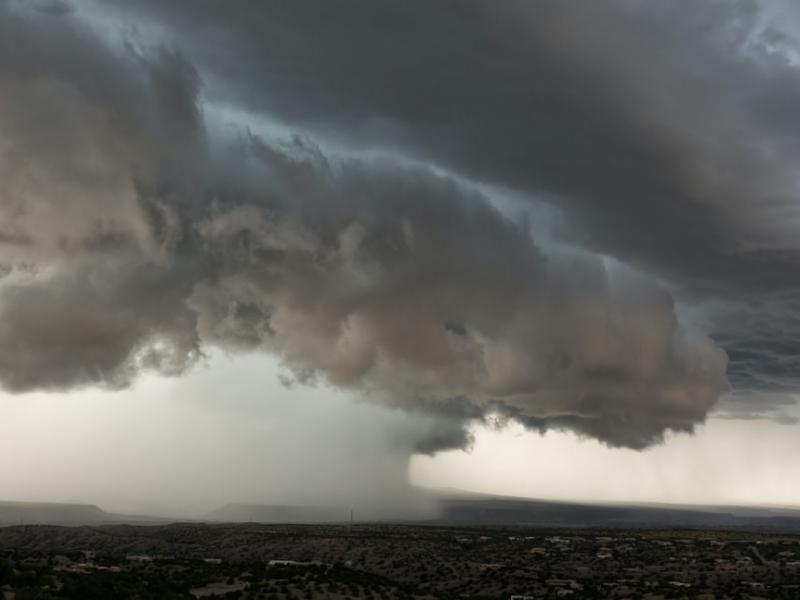
Differences in the rainfall intensity of mesoscale convective systems and other types of warm—season rainfall in the central United States lead to differences in their impacts over land.