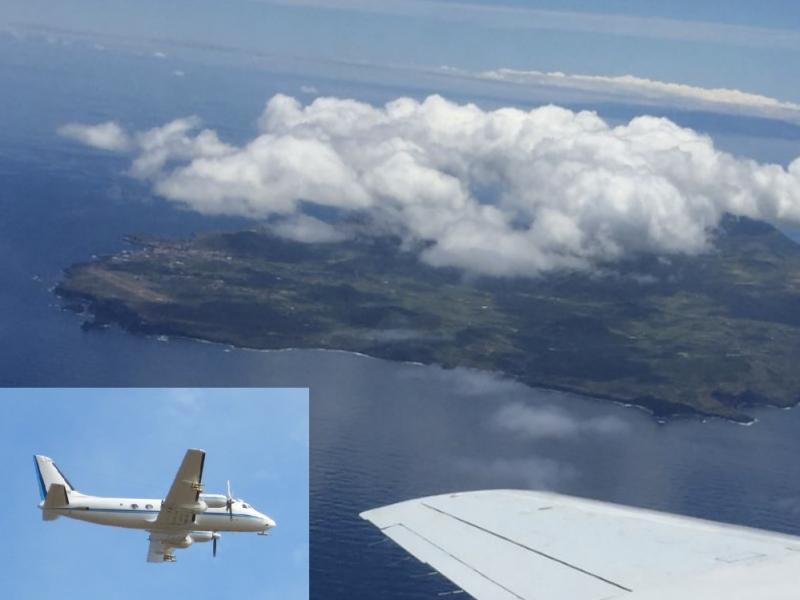
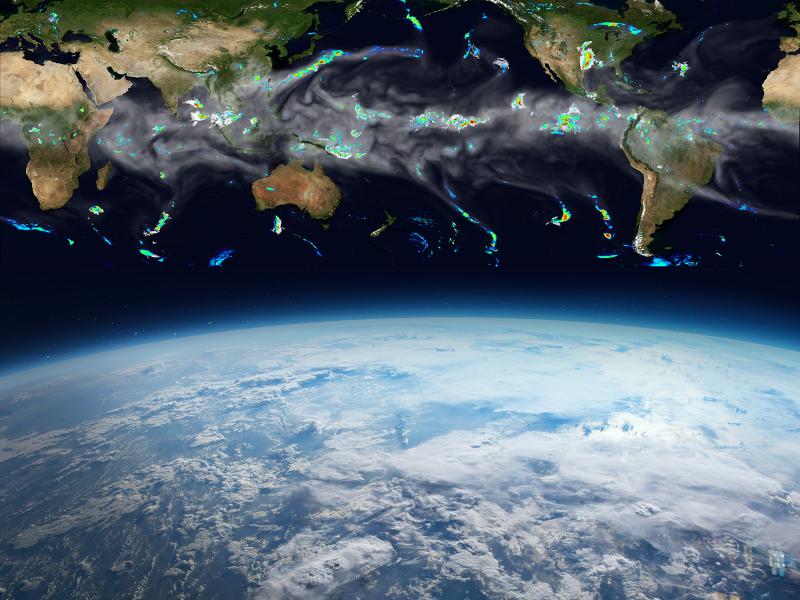
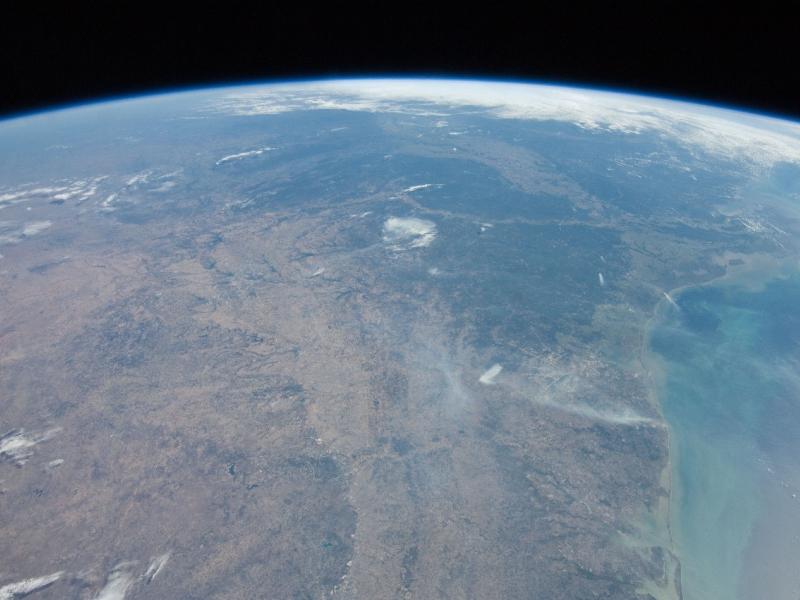
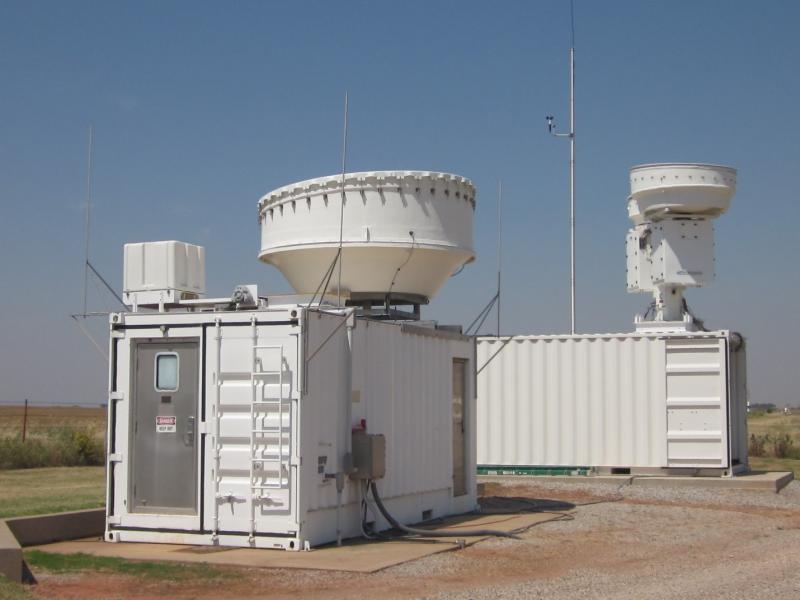
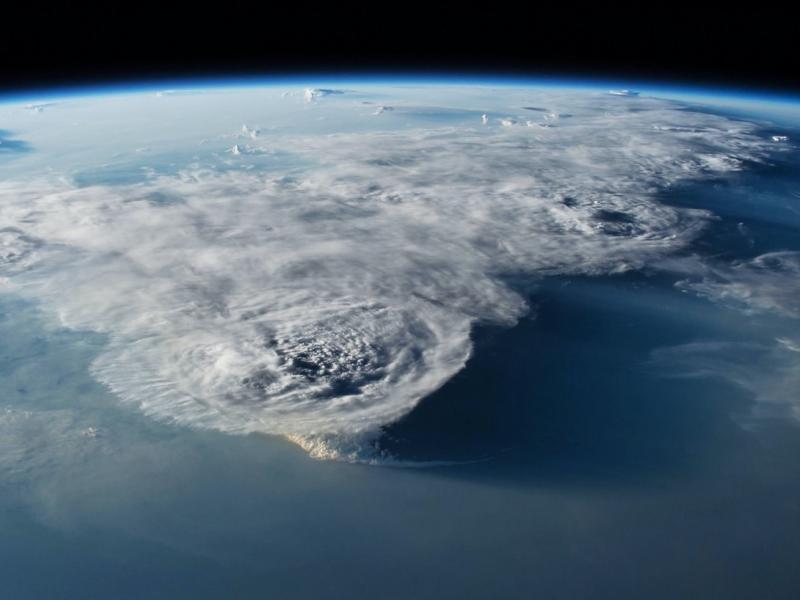
A high-resolution dataset captures a more complete view of the global distribution and characteristics of strong storms called mesoscale convective systems.
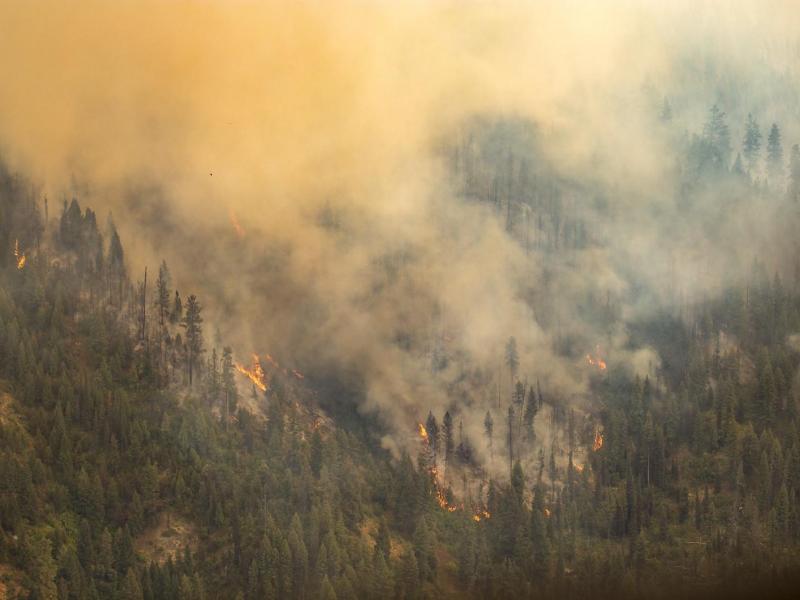
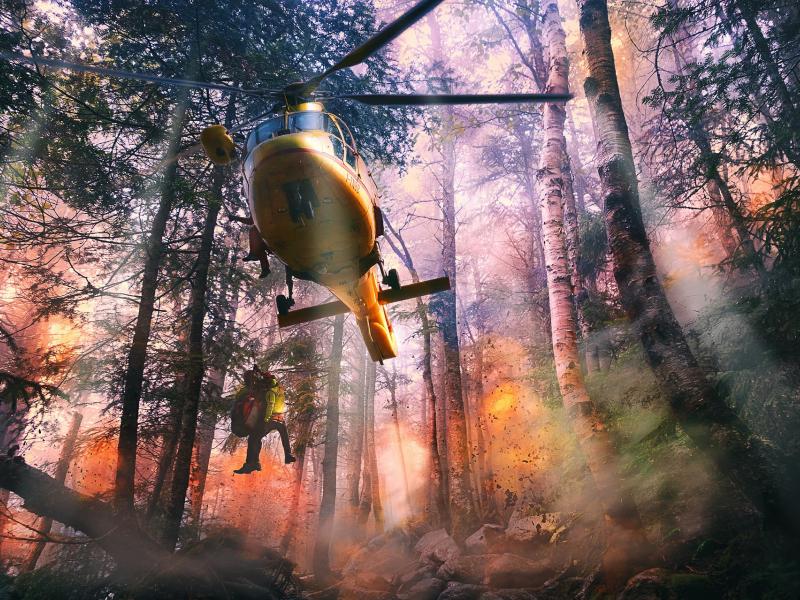
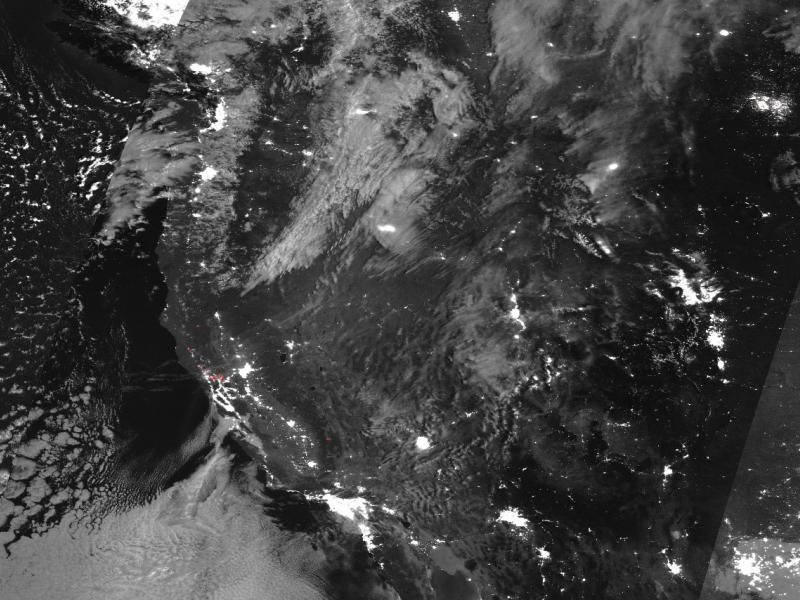
PNNL combines AI and cloud computing with damage assessment tool to predict path of wildfires and quickly evaluate the impact of natural disasters, giving first responders an upper hand.
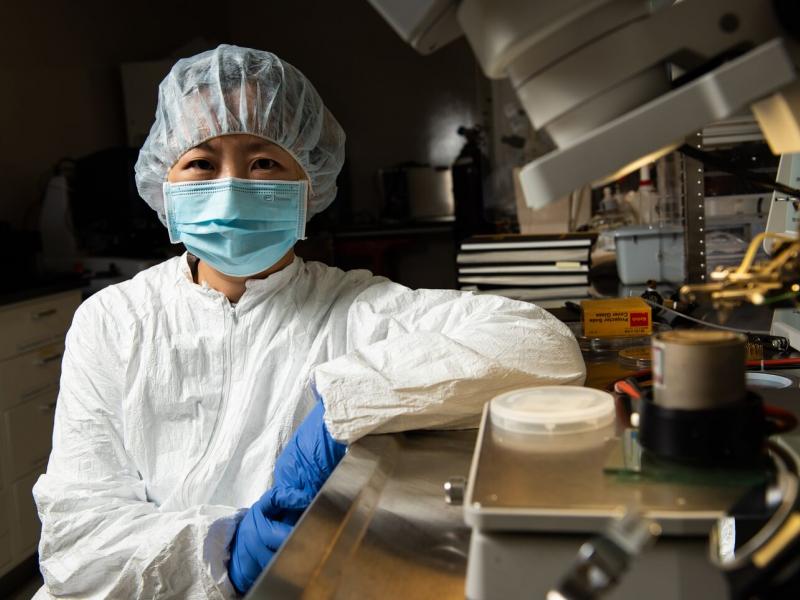
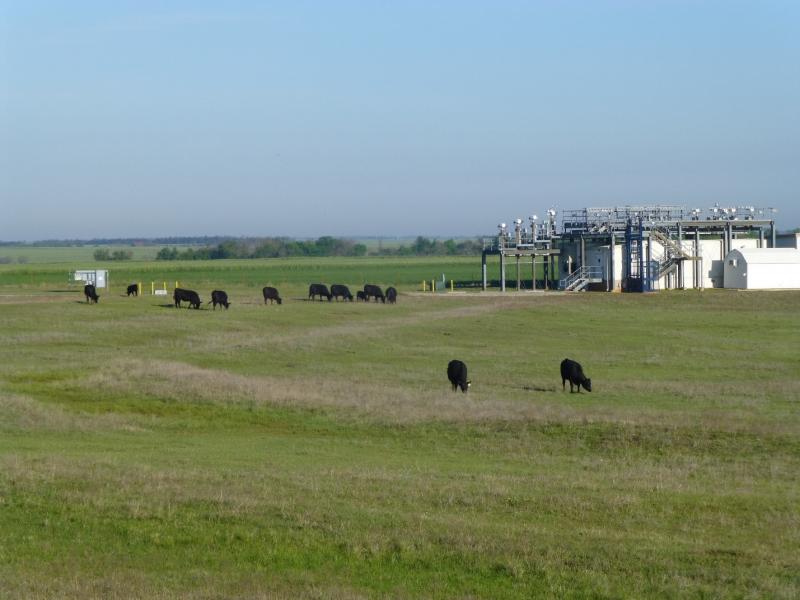
PNNL provided ultra-low measurements of argon-39 to date groundwater as part of a collaborative study of the aquifer in California’s San Joaquin Valley. PNNL is one of only a few laboratories worldwide with this capability.
A research project that brings together mathematicians and atmospheric scientists has developed into a deep collaboration for improving atmospheric models.
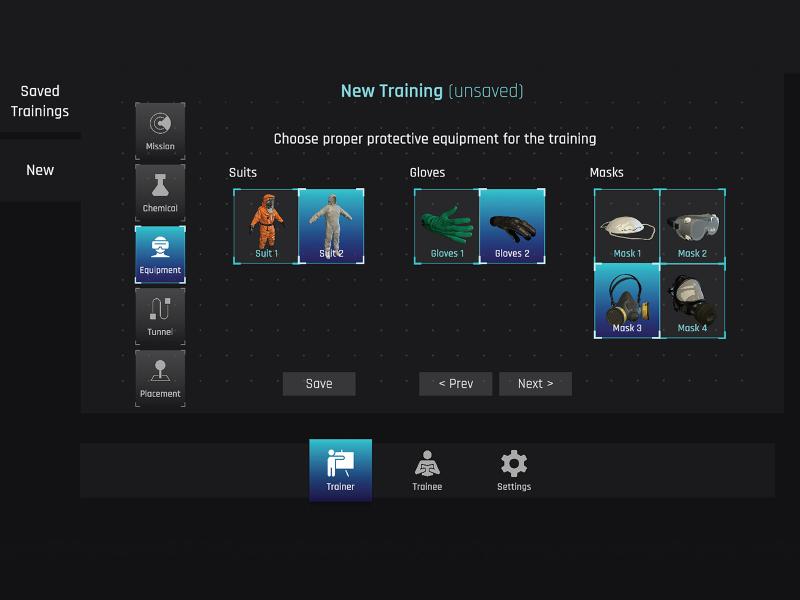
National Nuclear Security Administration Graduate Fellow Marc Wonders has spent the past year working with researchers exploring artificial intelligence in the national security mission space.
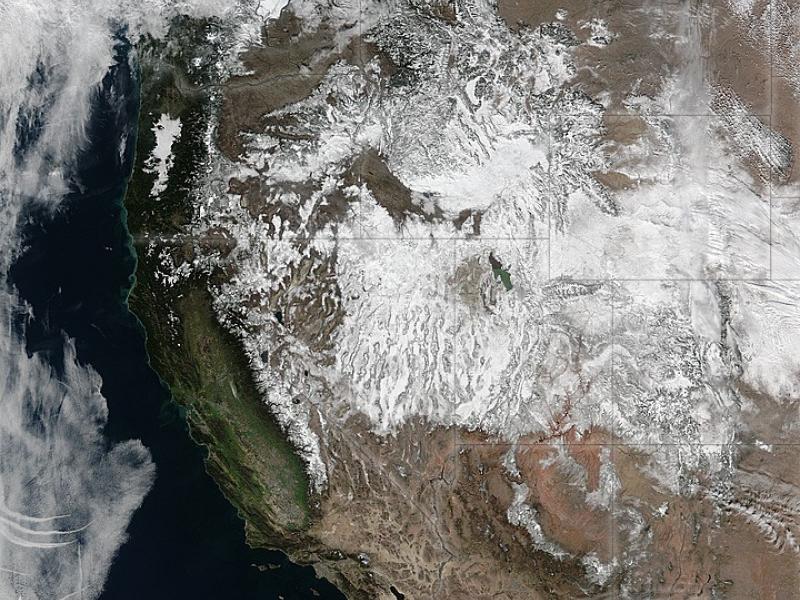
Researchers found that warmer local sea surfaces increase the winter snowpack in the Sierra Nevada mountains, but reduce snowpack in the Cascade range.