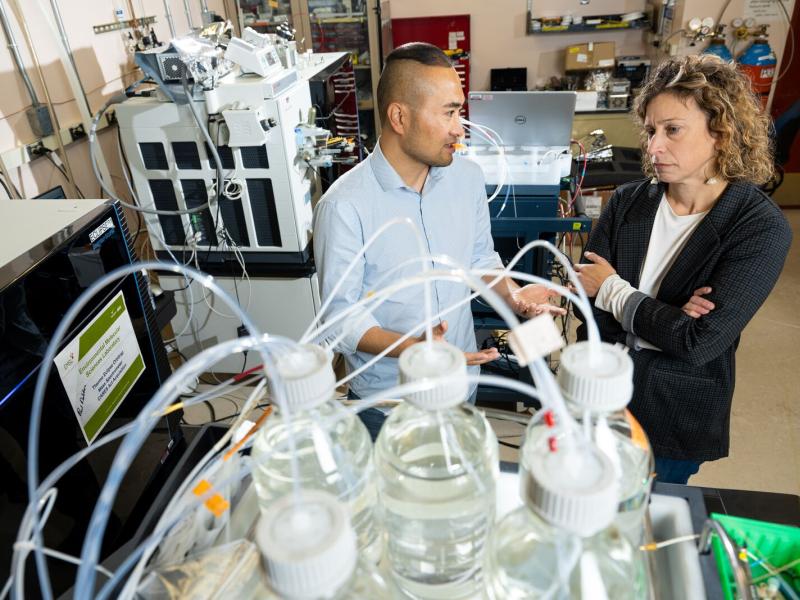
A multi-omics analysis provides the framework for gaining insights into the structure and function of microbial communities across multiple habitats on a planetary scale
Gosline works to develop computational algorithms that are uniquely targeted for rare disease work by doing foundational research in model system development. This work can be expanded to all model systems in human disease.
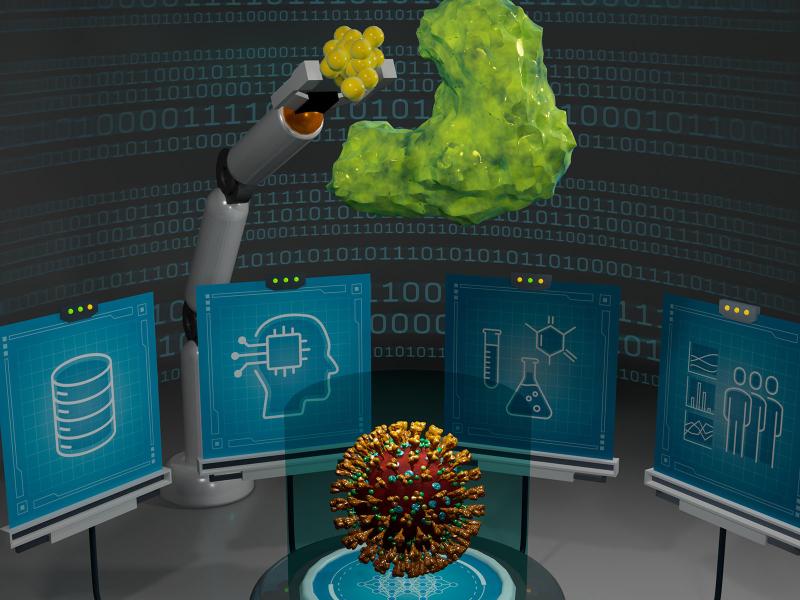
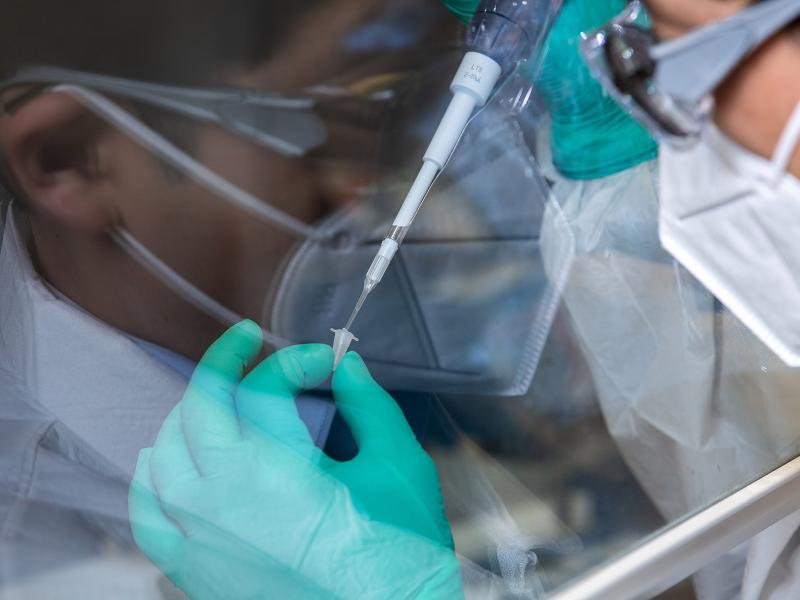
Data-driven autonomous technology to rapidly design and deliver antiviral interventions targeting SARS-CoV-2 to reduce drug discovery timeline and advance bio preparedness capabilities.
Kathleen Doty recently shared legal insight on the challenge of space debris in her presentation “Regulating Space Junk” as part of the University of Georgia School of Law’s Spring 2023 Space Law Speaker Series.
PNNL physicist in the Signature Sciences and Technology Division was officially announced as a member of the FRIB User Organization Executive Committee.
PNNL research analysist specializing in biological and chemical weapons nonproliferation invited to join editorial board for Frontiers in Microbiology.
PNNL Biomedical Scientist Geremy Clair has taken on new roles as an editor for two journals; Frontiers In Cellular And Infection Microbiology and Frontiers In Molecular Biosciences.
The Joint Appointment program at PNNL is one of the most diverse among other U.S. national laboratories, involving nearly 60 universities and research institutions in the United States and abroad.
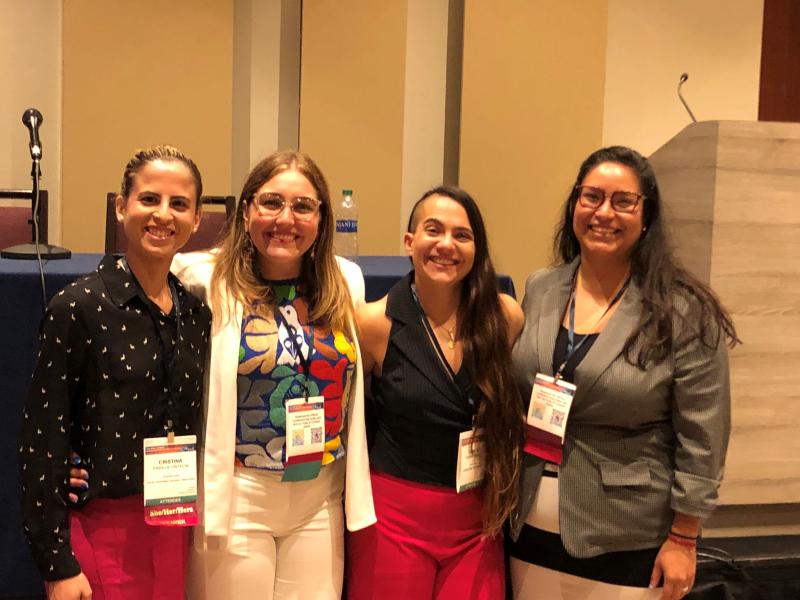
Researchers at PNNL leveraged their experiences to connect with attendees at the 2022 SACNAS National Diversity in STEM Conference, October 27–29, 2022, in San Juan, Puerto Rico.
New research findings published in Science Advances (November 2022), help explain the progression of Alzheimer-related dementia in each patient. The findings outline a biological classification system that predicts disease severity.