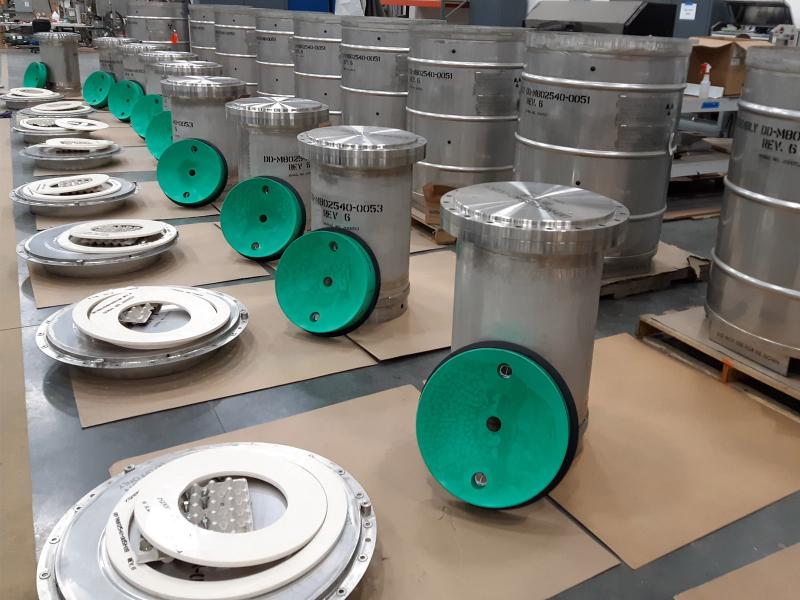
A PNNL team is leading the design, fabrication, and regulatory testing, and delivery of new packaging units that will be used to ship radioactive materials safely and securely.
The eighth Arab-American Frontiers of Science, Engineering, and Medicine Symposium, co-organized by PNNL engineer and research line manager Leonard Pease, brought together multi-disciplinary researchers from around the globe.
From water purification, to better batteries and tools to foil a cyberattack—a look back at how PNNL helped to invent a brighter and better future over the last year.
Human-machine teaming may sound like something from the distant future. In “Human-Machine Teaming: A Vision of Future Law Enforcement” in Domestic Preparedness, Corey Fallon, Kris Cook, and Grant Tietje of PNNL examine this topic.
PNNL engages in expert panels to address emerging policy issues surrounding deep space exploration; forms new partnership with University of Washington Space Policy and Research Center.
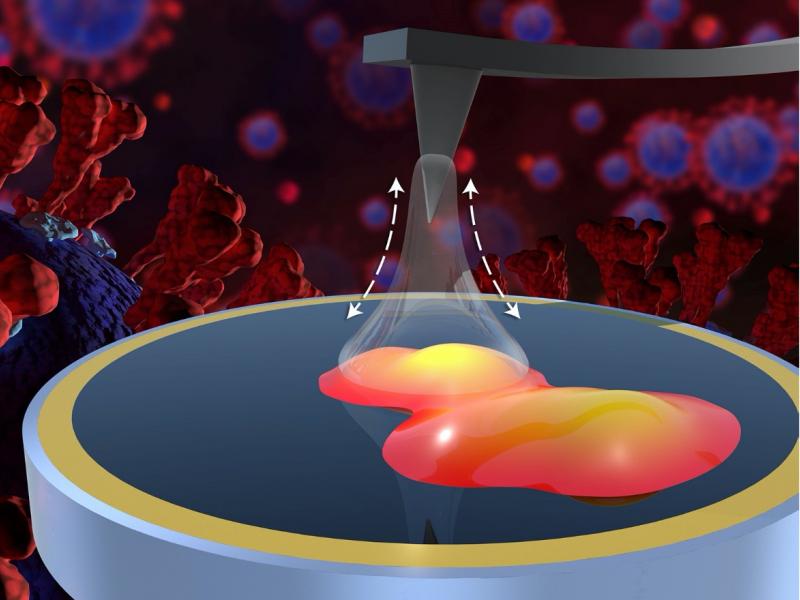
A multi-institutional team has obtained information about nanoscale interactions between the spike protein of the novel coronavirus SARS-CoV-2 and common household inorganic surfaces.
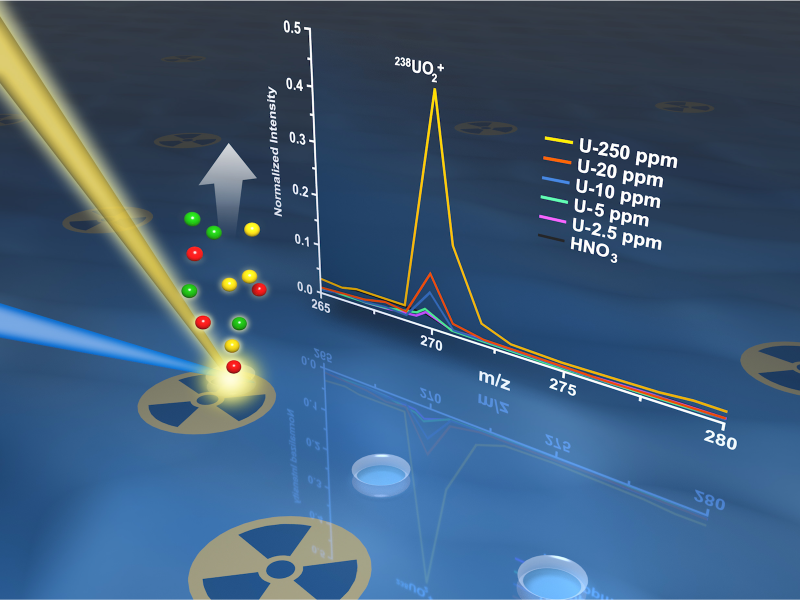
Pacific Northwest National Laboratory researchers developed a patented, nearly non-destructive approach, known as liquid secondary ion mass spectrometry, to analyze nuclear samples.
Nuclear Engineer Jacob Benz was inducted into the Council of Outstanding Early Career Engineers, recognizing notable alumni for service, community, and leadership.
PNNL is highlighting scientific and technical experts in the national security domain who were recently promoted to scientist and engineer level 5, one of PNNL’s most senior research roles.