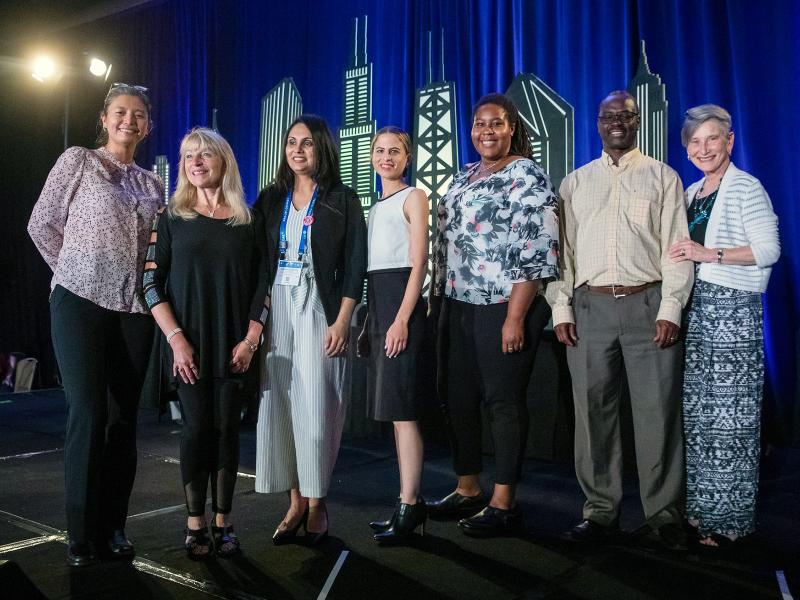
PNNL’s fall Pathways to Excellence award ceremony celebrated nearly 50 staff for their contributions across science, engineering, operations, and STEM education.
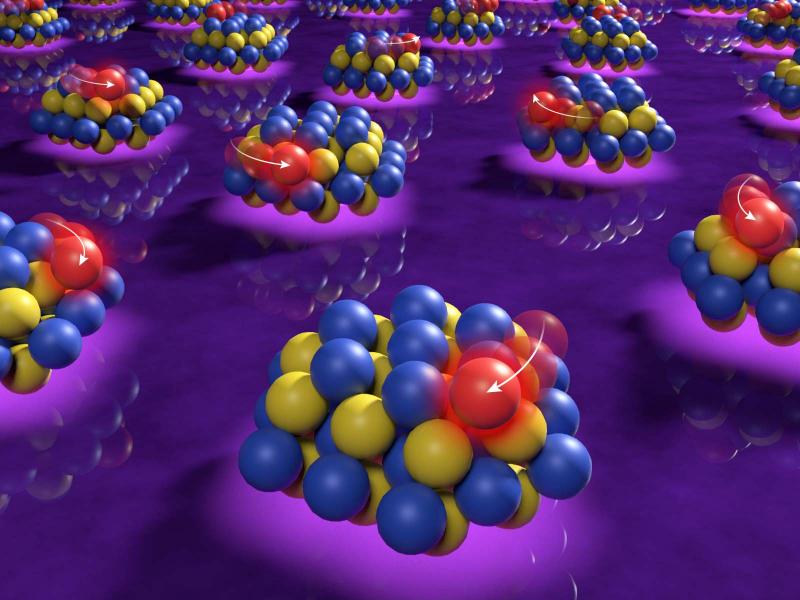
A new discovery simultaneously reduces the need for rare and expensive platinum and improves its ability to speed up economically important chemical reactions.
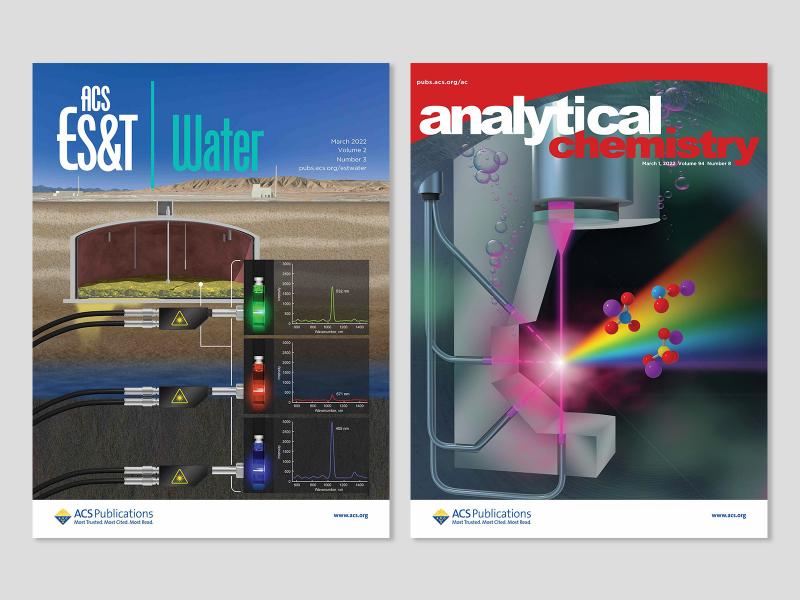
PNNL research, featured on the cover of two science journals, describes advancements in using Raman spectrometry for Hanford Site nuclear waste remediation.
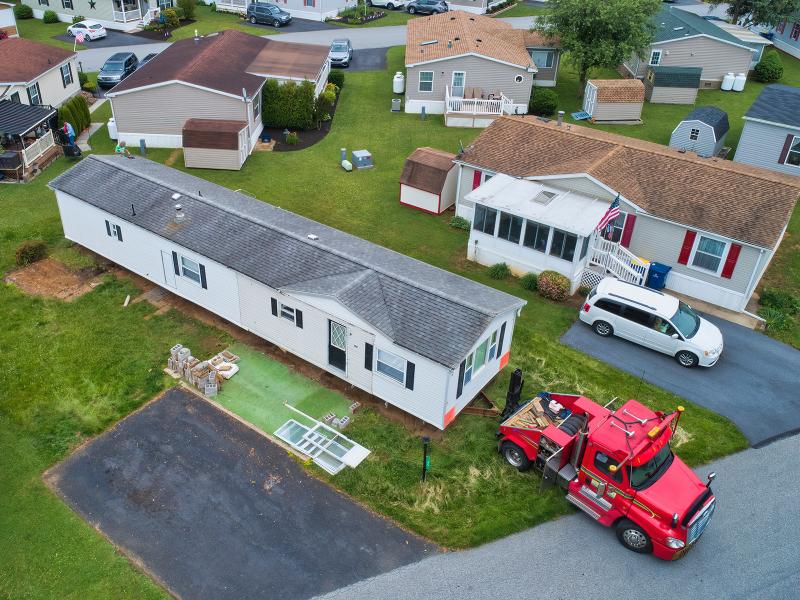
The Department of Energy has issued updated energy conservation standards for manufactured homes. The effort to establish the standards, supported by PNNL, is expected to result in a range of benefits for the manufactured housing sector.
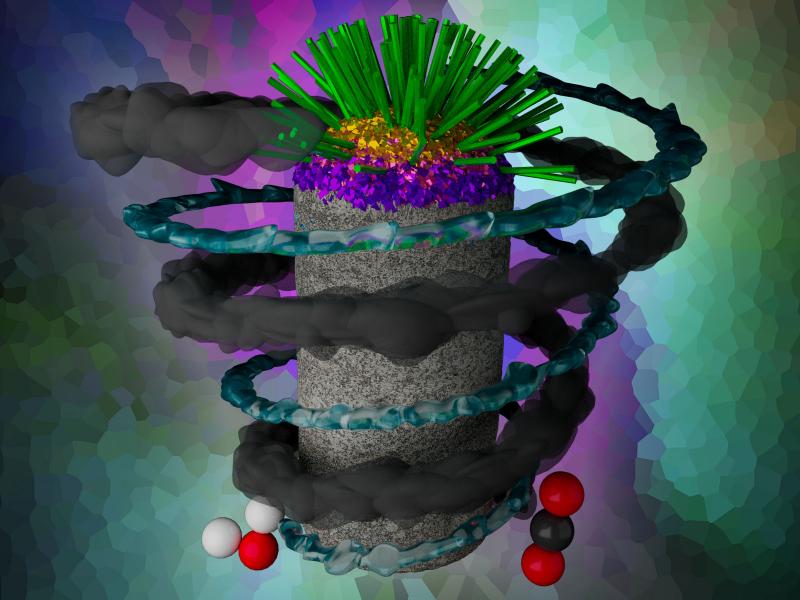
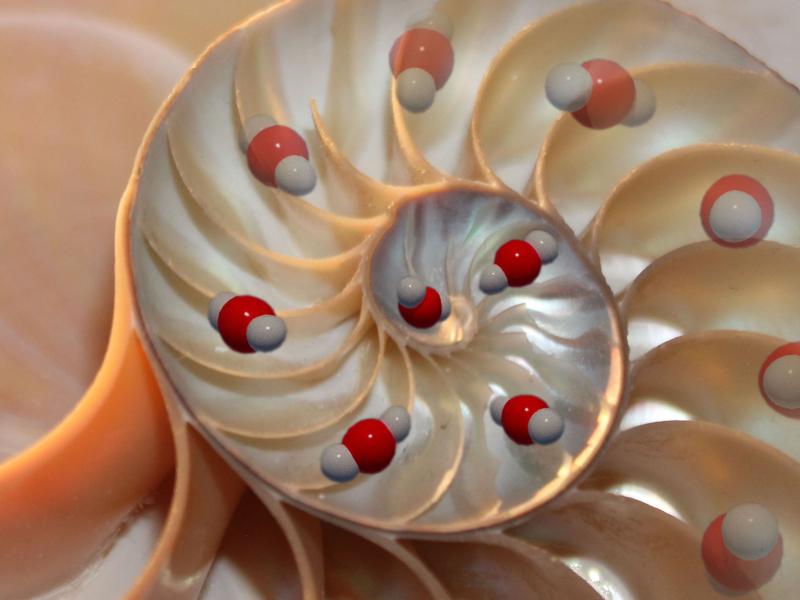
Some rocks can potentially convert injected carbon dioxide into more stable solid minerals. A new review article explores what scientists know about the atom-by-atom process.
A new version of the Department of Energy’s Technical Resilience Navigator allows users to prioritize resilience solutions based on both risk reduction and emissions impact.
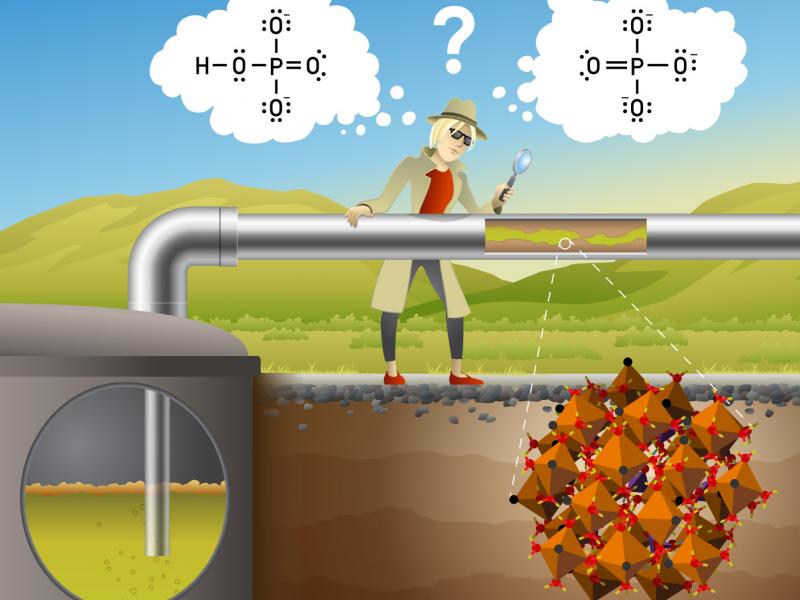
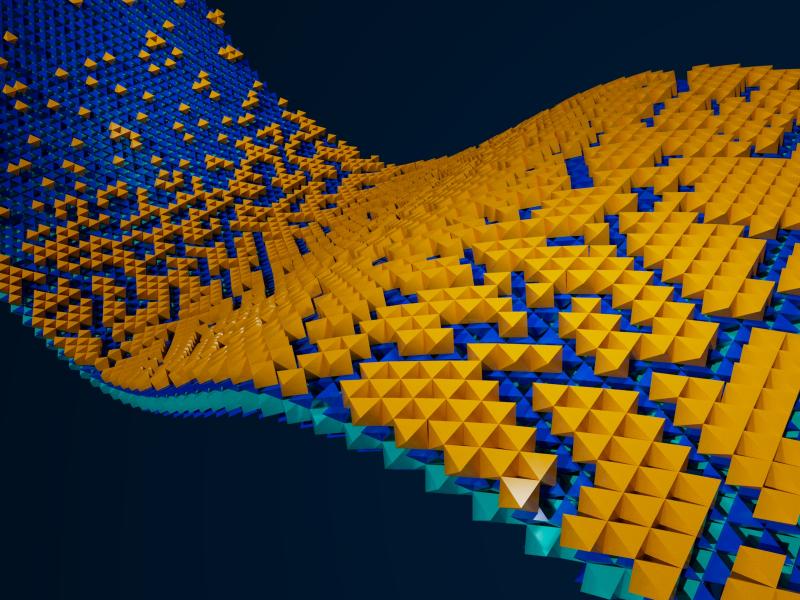
Developing a new understanding of the structure of natrophosphate, a complex mineral found in radioactive tank waste at the Hanford Site, by integrating experimental techniques.
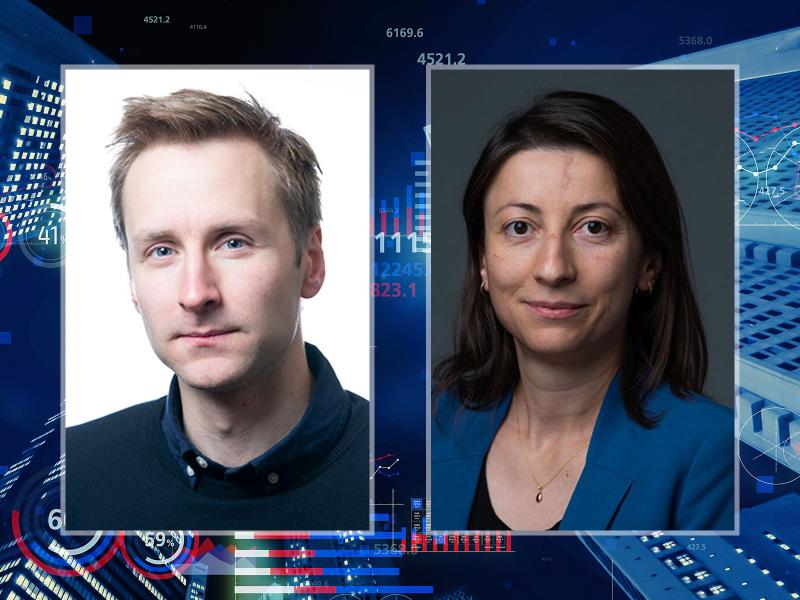
PNNL’s Ján Drgoňa and Draguna Vrabie are part of an international team that authored a most-cited paper on Model Predictive Control, an approach for improving operations, energy efficiency, and comfort in buildings.
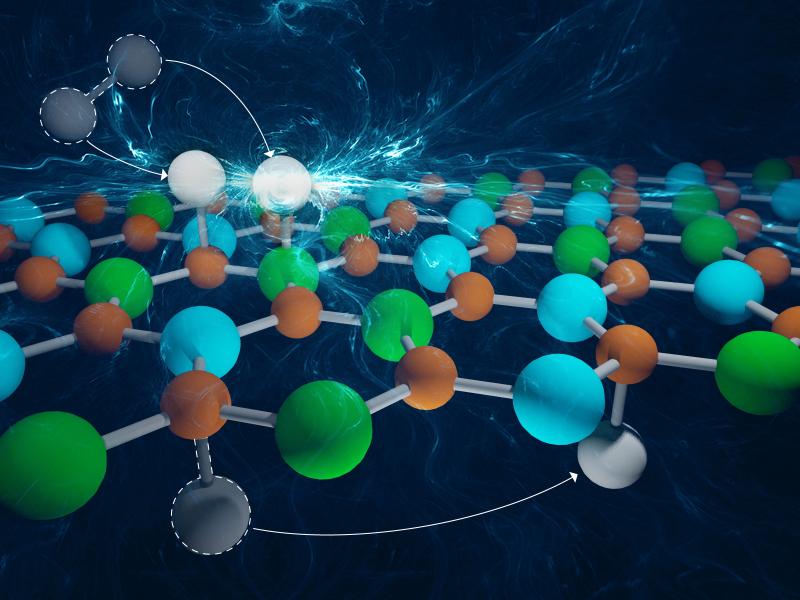
Newly funded research will look at the underlying science of controlling hydrogen interactions with two-dimensional materials composed of carbon, boron, and nitrogen.
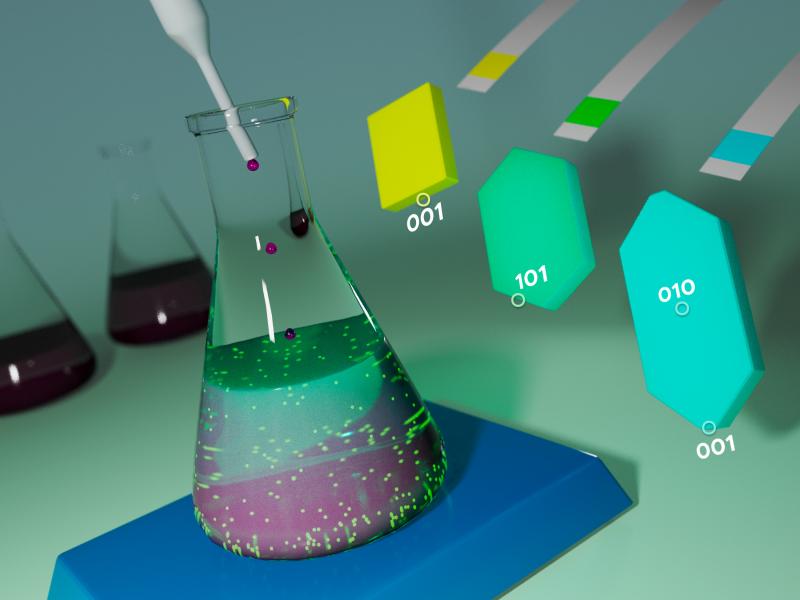
A new, simple, and efficient flow-based method allows researchers to pull a useful magnesium salt from natural seawater using easily available chemicals.
The American Chemical Society Richland Section has been recognized by its national organization with the Best Overall Section Minority Affairs award for 2022.
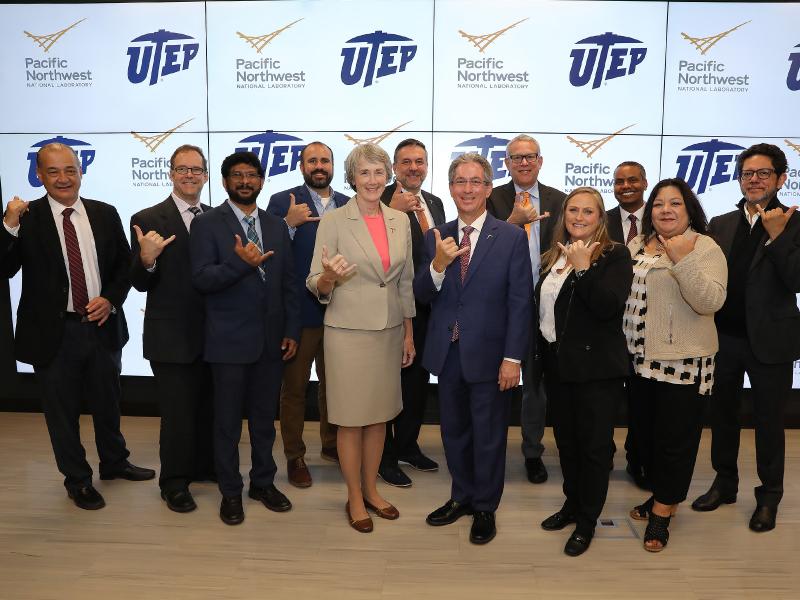
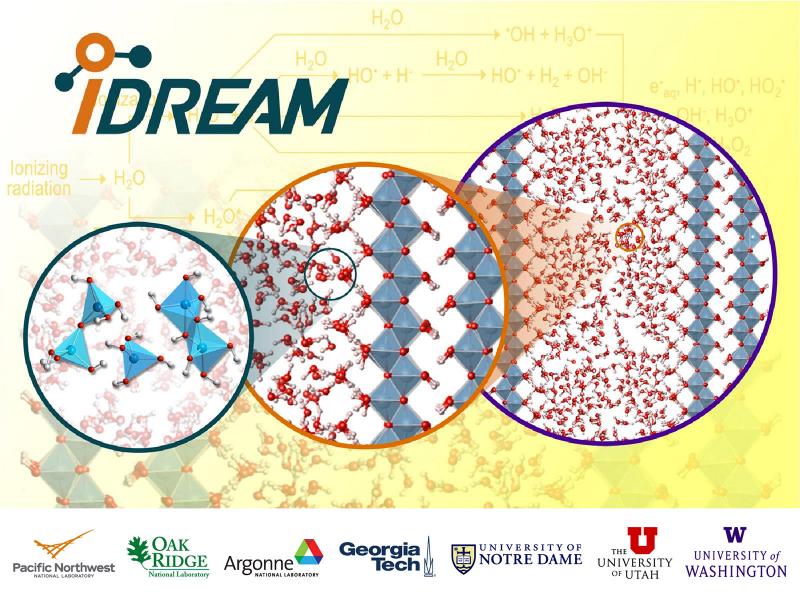
The PNNL-led research partnership focused on the chemistry of nuclear waste also announced new leadership roles for representatives of Oak Ridge National Laboratory, Colorado State University, and the University of Washington.