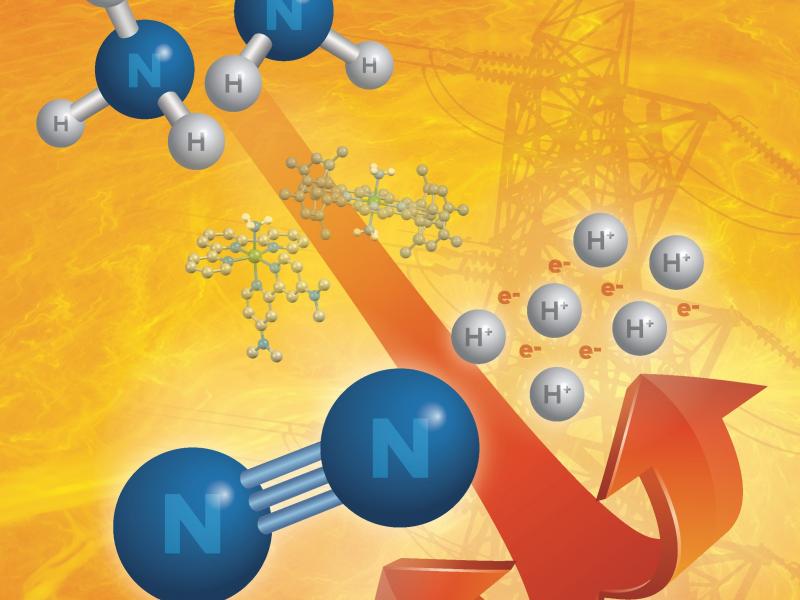
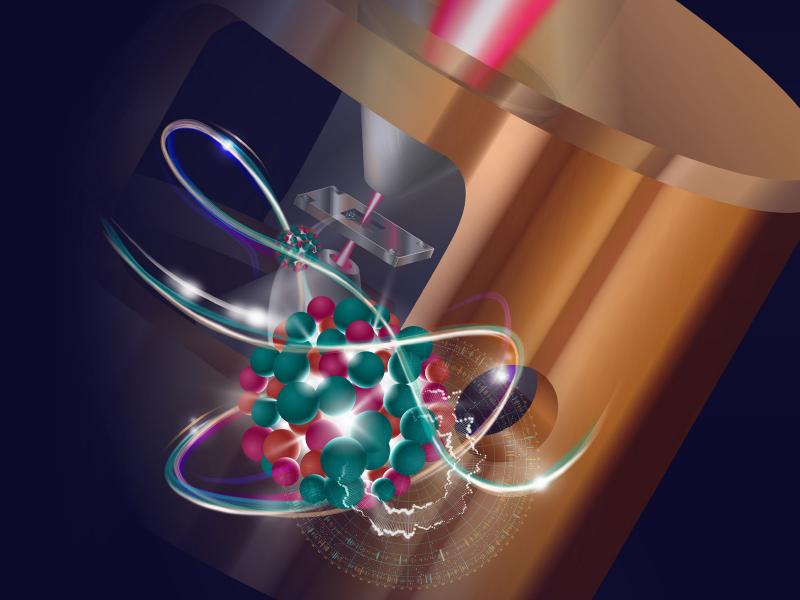
A perspective article in the Journal of the American Chemical Society by a team of PNNL researchers shows the way forward to understand ammonia oxidation.
Brian Milbrath, a physicist in PNNL’s National Security Directorate, was named a senior member of the Institute of Electrical and Electronics Engineers (IEEE).
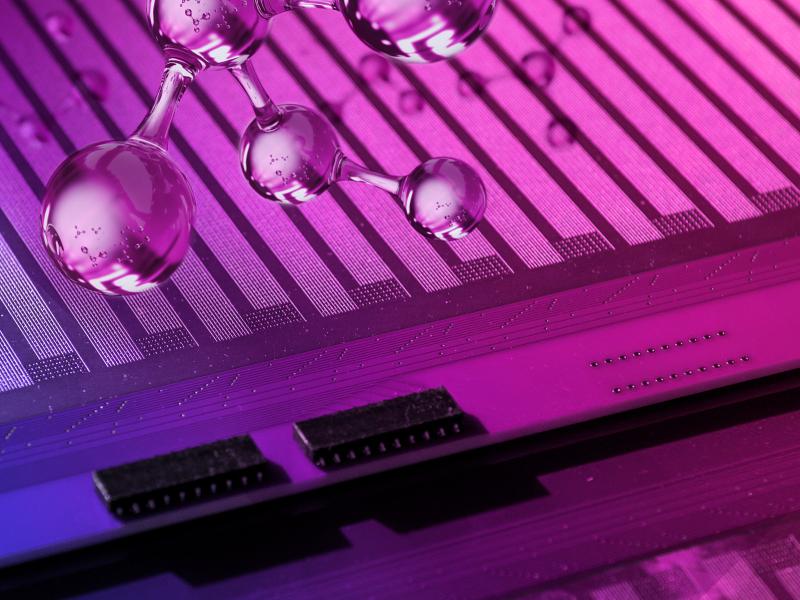
An award-winning ion separation technology developed at PNNL has been licensed for biomedical applications. Continued research aims to make the devices suitable for molecular analysis in the field.
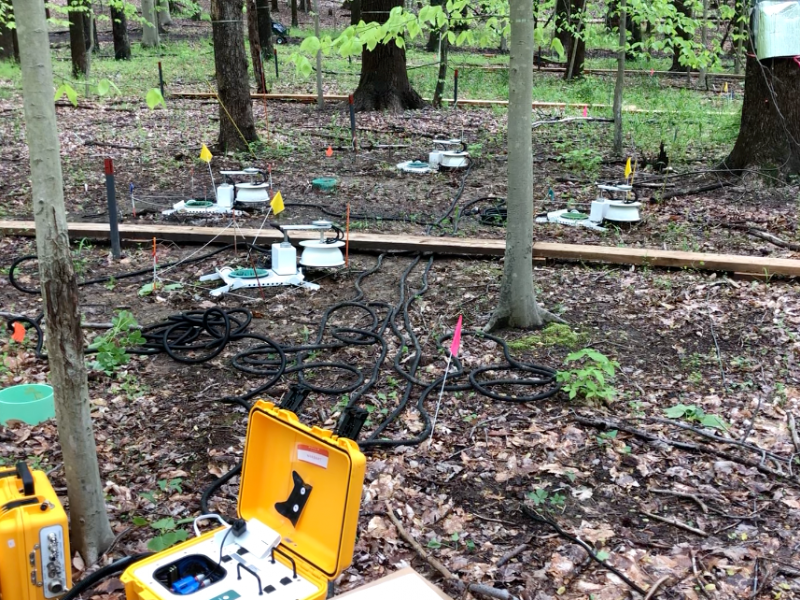
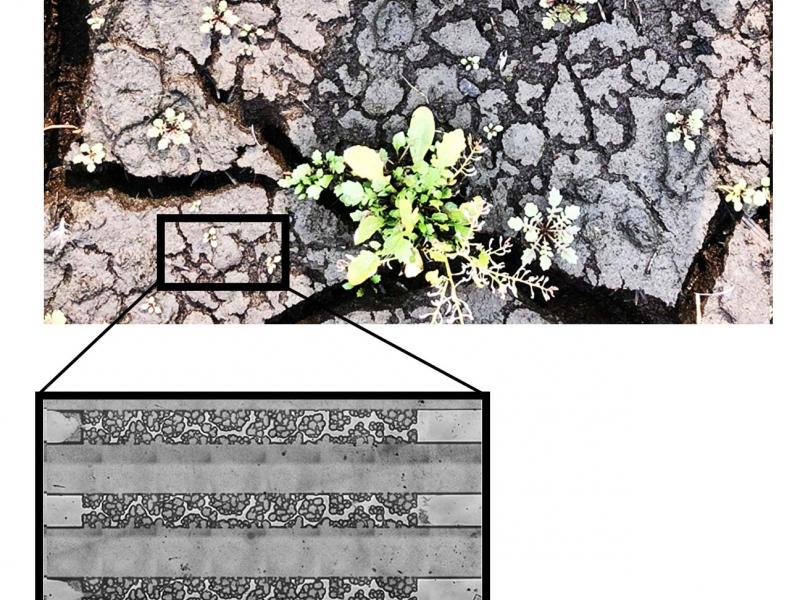
Soil microbial communities produced more water retaining molecules when enriched with insoluble organic carbon, chitin, compared to a soluble carbon source, N-acetylglucosamine.
PNNL researchers used the Global Change Analysis Model (GCAM) to explore 15 different global scenarios that consisted of combinations of five different socioeconomic futures and four different climatic futures.
James A. Ang, a PNNL computing expert, was recently invited to moderate a panel in a virtual workshop focused on federally funded research and development on software for heterogeneous computing.
Infusing data science and artificial intelligence into electron microscopy could advance energy storage, quantum information science, and materials design.
PNNL researchers established an Internet of Things Common Operating Environment (IoTCOE) laboratory to explore the risks associated with IoT connectivity to the internet, the energy grid and other critical infrastructures.
NIH awarded $1.7 million to researchers from PNNL, WSU, and NREL to continue fundamental research into catalytic bias—a phenomenon in the protein environment that shifts the direction and speed of an enzyme’s catalytic reaction.
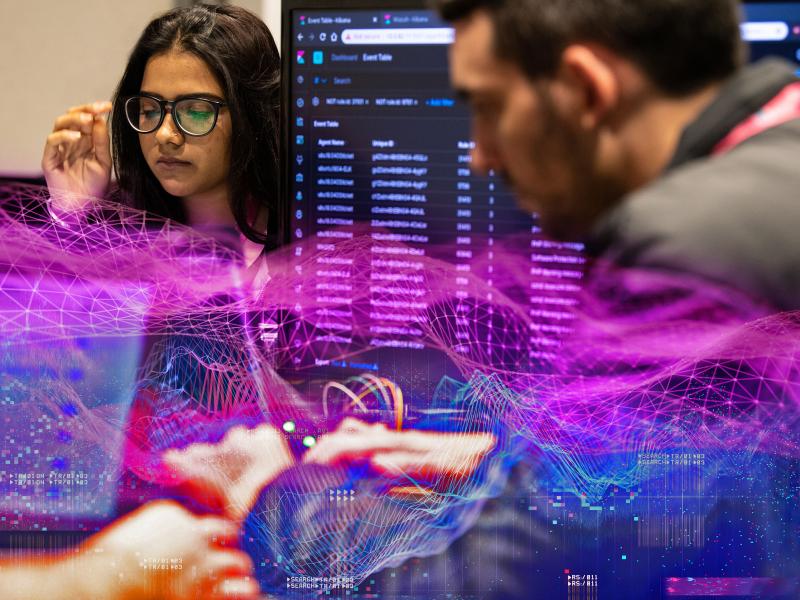
Tracking down nefarious users is just one example of work at PNNL’s Center for Advanced Technology Evaluation, a computing proving ground supported by DOE’s Advanced Scientific Computing Research program.
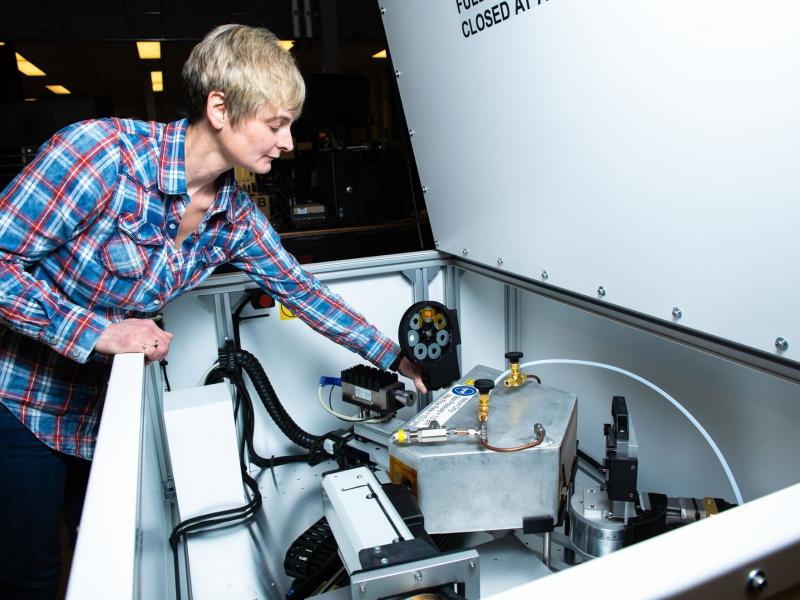
PNNL has three small-scale spectroscopy devices that are speeding up the testing and analysis of candidate novel materials used in energy storage research and environmental remediation.
Lauren Charles, a PNNL senior data scientist, has joined the editorial board of Pathogens. Pathogens is an international peer-reviewed open access journal of pathogens and pathogen-host interaction.
Using a large repository of blood samples from military personnel, PNNL and Uniformed Services University scientists have discovered a group of 13 proteins that could provide early detection of head and neck cancers.