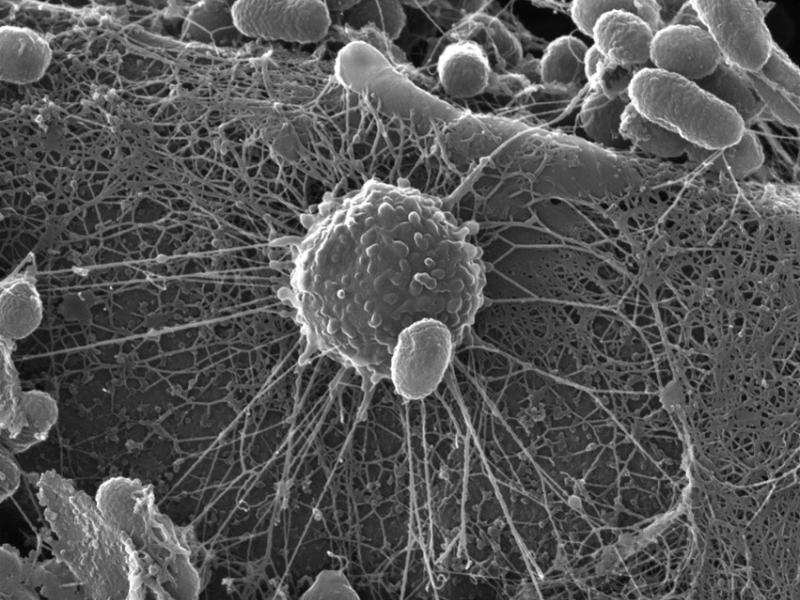
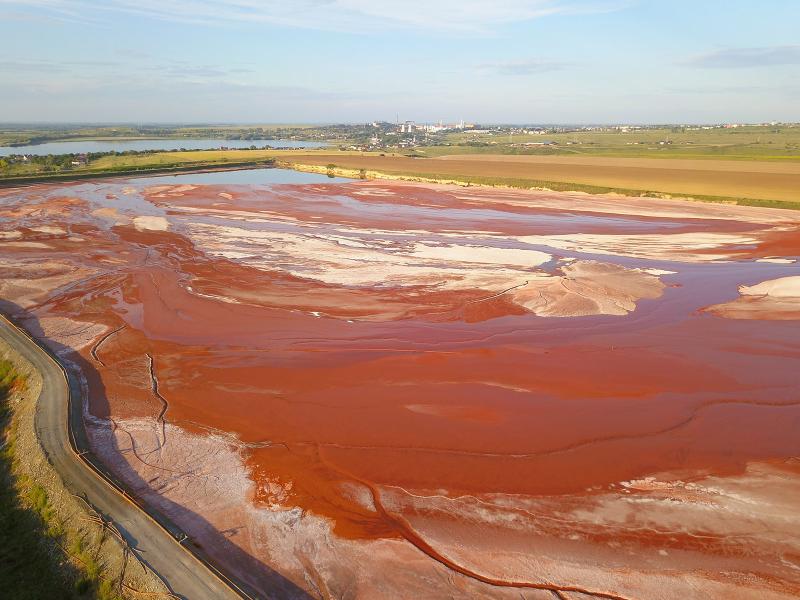
A team from the Environmental Molecular Sciences Laboratory published research, demonstrating that the soil microbes were directly involved in the stabilization of soil organic carbon and mineral weathering.
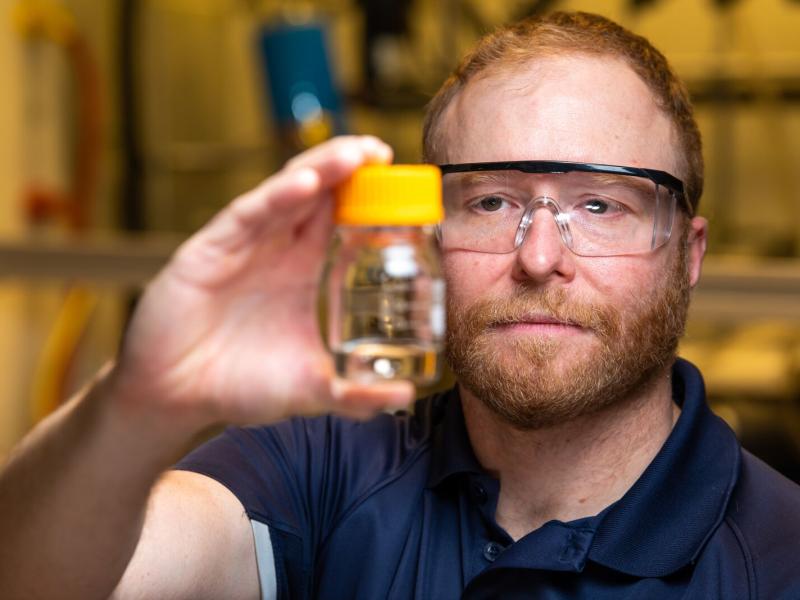
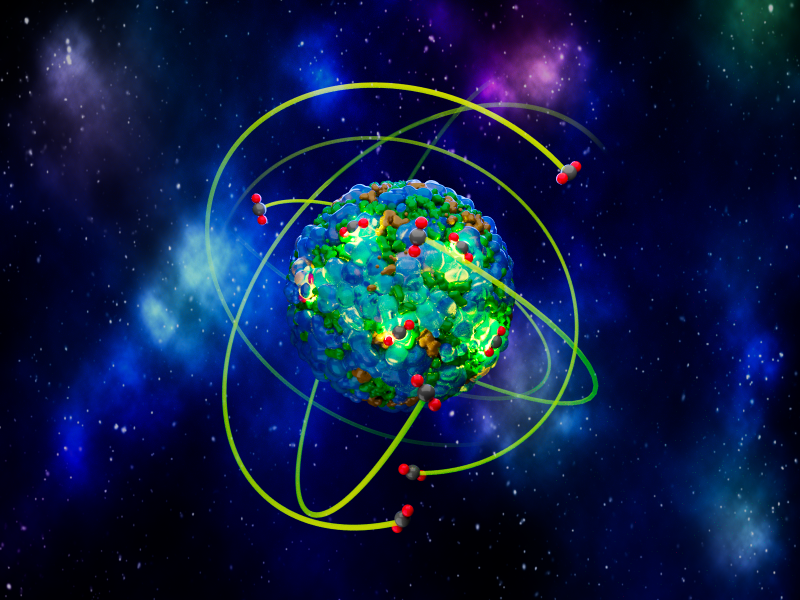
PNNL scientists carve a path to profit from carbon capture by creating a system that efficiently captures CO2 and converts it into one of the world’s most widely used chemicals: methanol.
The Joint Appointment program at PNNL is one of the most diverse among other U.S. national laboratories, involving nearly 60 universities and research institutions in the United States and abroad.
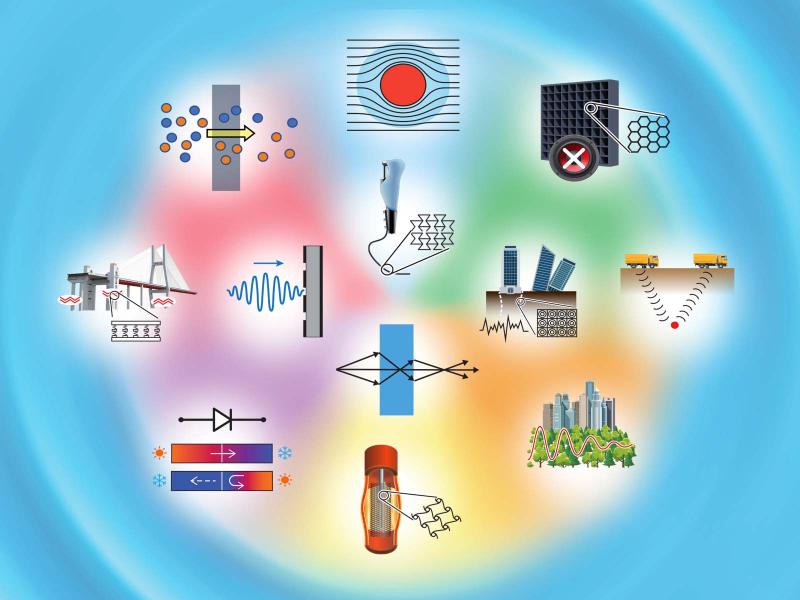
A review article led by researcher Jade Holliman explores the different classes of metamaterials, from the underlying fundamental science to potential applications.
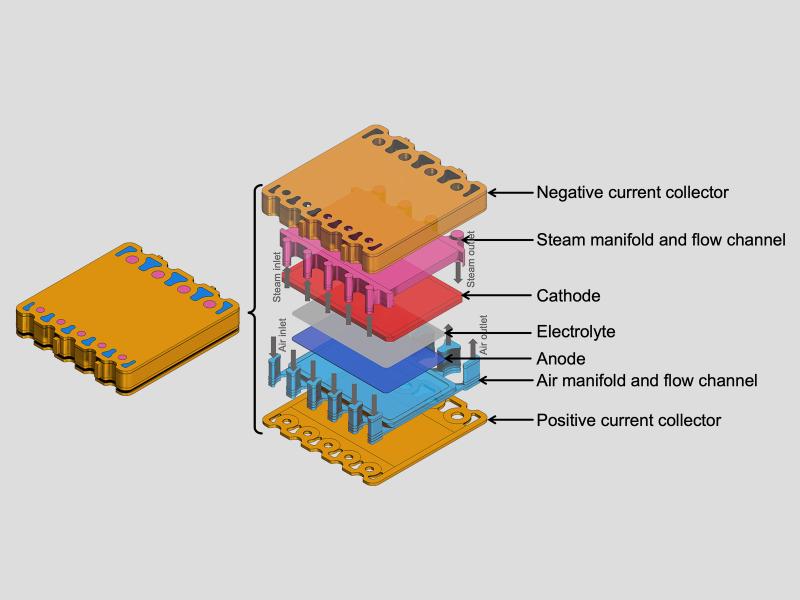
A PNNL team developed and used a model framework to understand the performance and structural reliability of a state-of-the-art solid oxide electrolysis cell design.
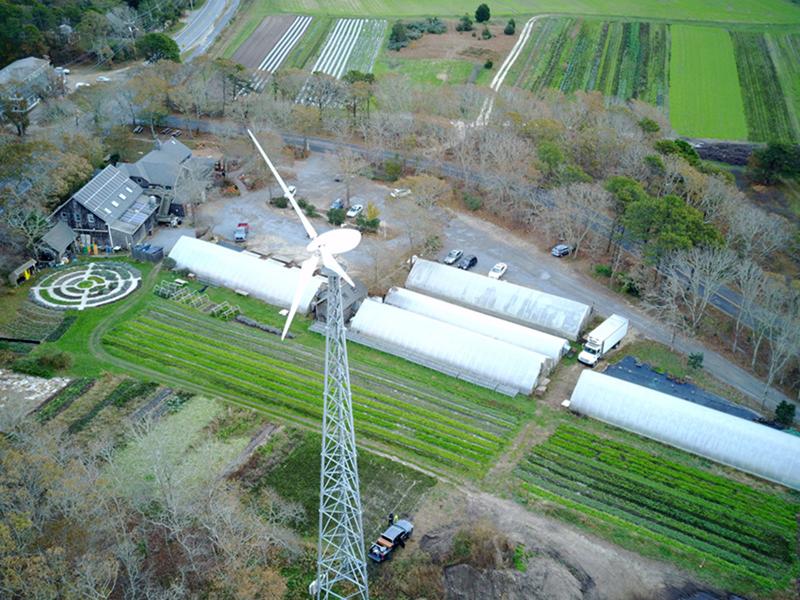
An evaluation of models and prediction tools for distributed wind turbines has unearthed data that can help potential users make the most informed decisions on upfront investments.
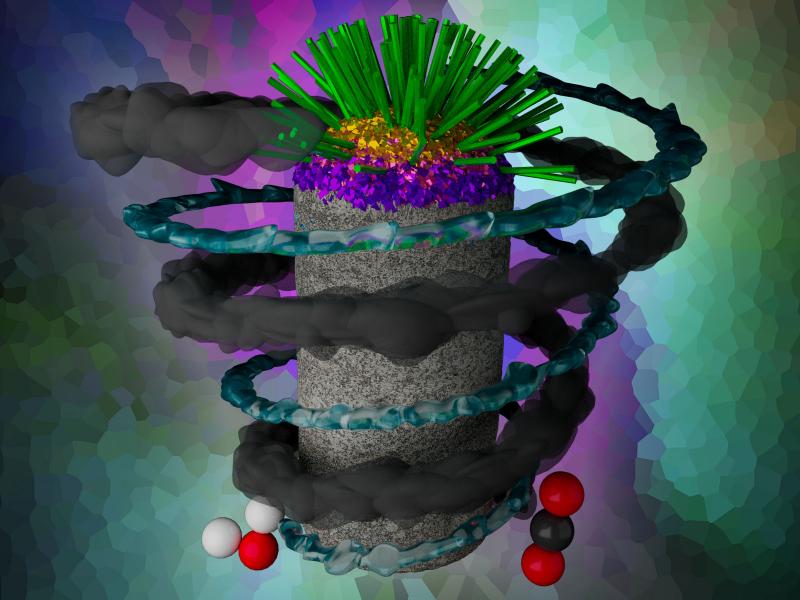
Some rocks can potentially convert injected carbon dioxide into more stable solid minerals. A new review article explores what scientists know about the atom-by-atom process.
PNNL wind energy experts have published the Distributed Wind Market Report: 2022 Edition, supplying key findings that can help businesses, communities, and homeowners make informed decisions.
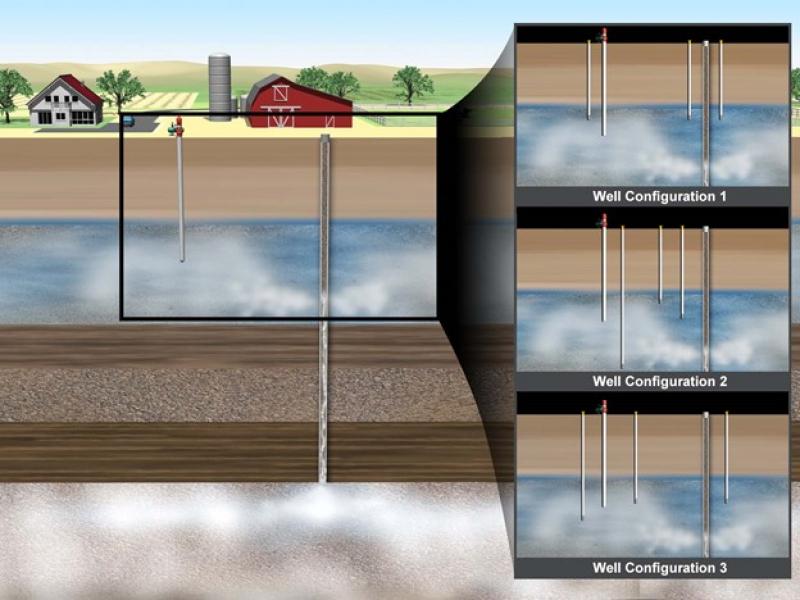
Updated flexible software generates and optimizes monitoring programs for detecting potential leaks from geological carbon storage with an enhanced user experience.
A new perspective article discusses how integrating carbon dioxide capture and conversion in solvents can lead to cheaper and more efficient carbon management systems.
PNNL will demonstrate how new technologies, innovative approaches and partnering with others can lead to net-zero emissions and decarbonization of operations.
Two PNNL studies that describe the potential value of offshore wind off the Oregon Coast and distributed wind in Alaska were published in the journal Energies.
Johannes Lercher, Battelle Fellow and director of the PNNL Institute for Integrated Catalysis, envisions energy storage solutions at the new Energy Sciences Center.
PNNL computational scientist Diana Bacon’s role as carbon storage associate editor uses her expertise in subsurface modeling and quantitative risk assessment.