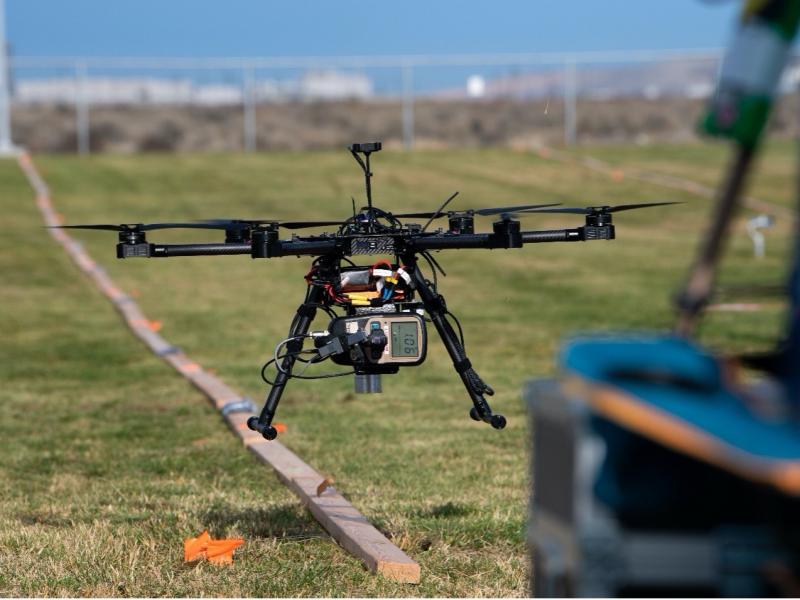
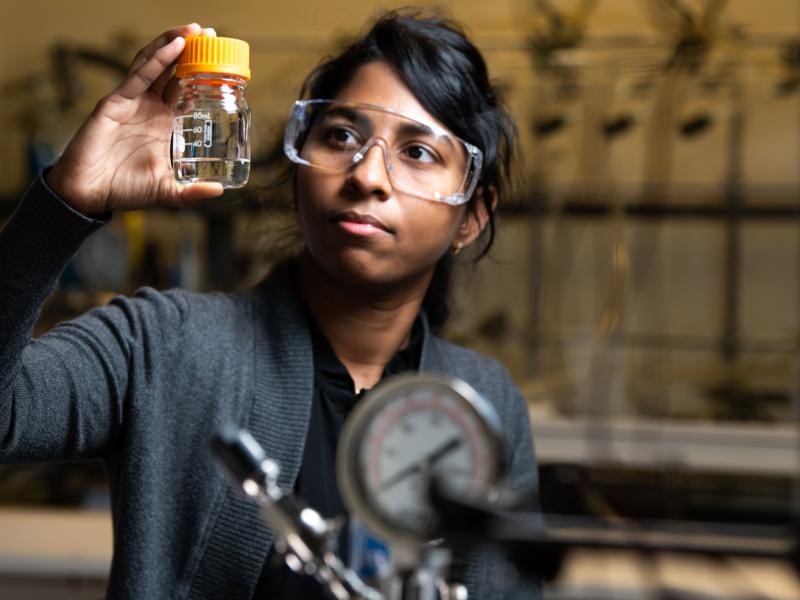
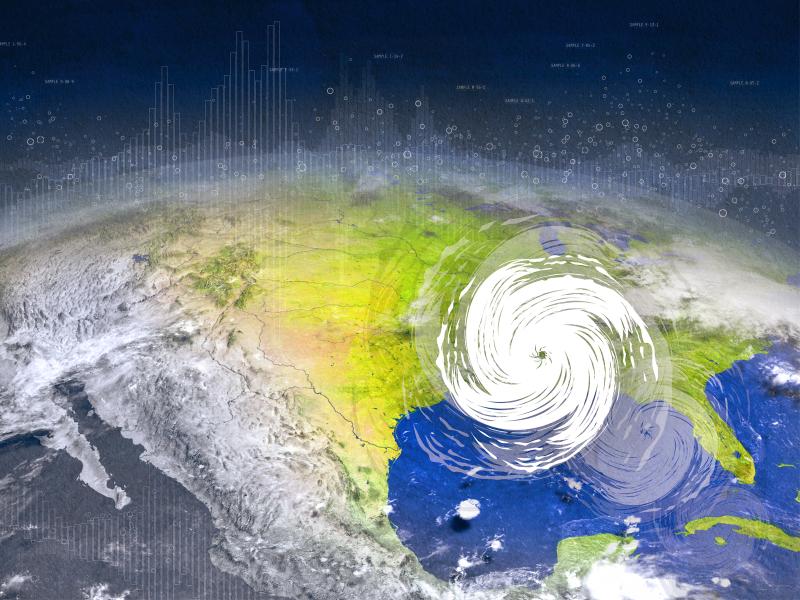
At the Nonproliferation, Counterproliferation, and Disarmament Science Gordon Research Conference, researchers from PNNL shared research and scientific approaches for countering diverse threats.
Through collaboration with the Department of Homeland Security Soft Target Engineering to Neutralize the Threat Reality Center of Excellence, PNNL is advancing research and development of tools and methodologies to protect crowded places.
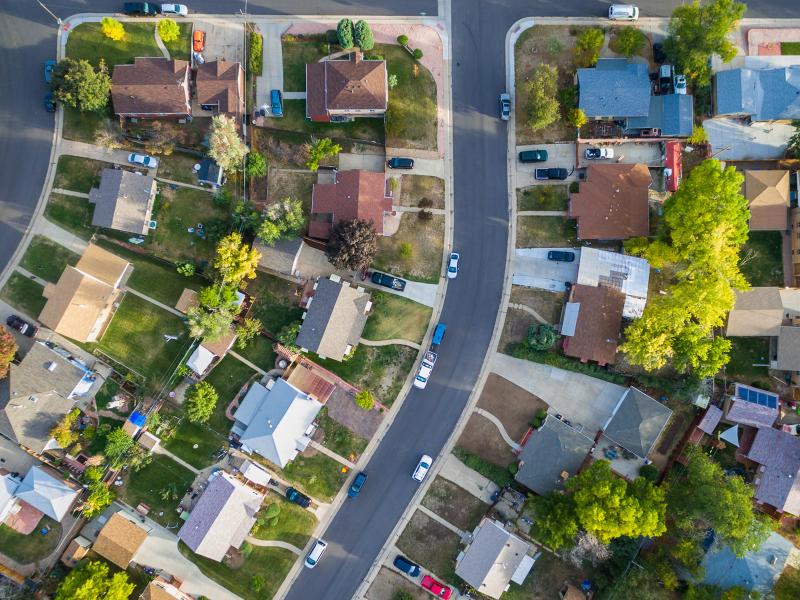
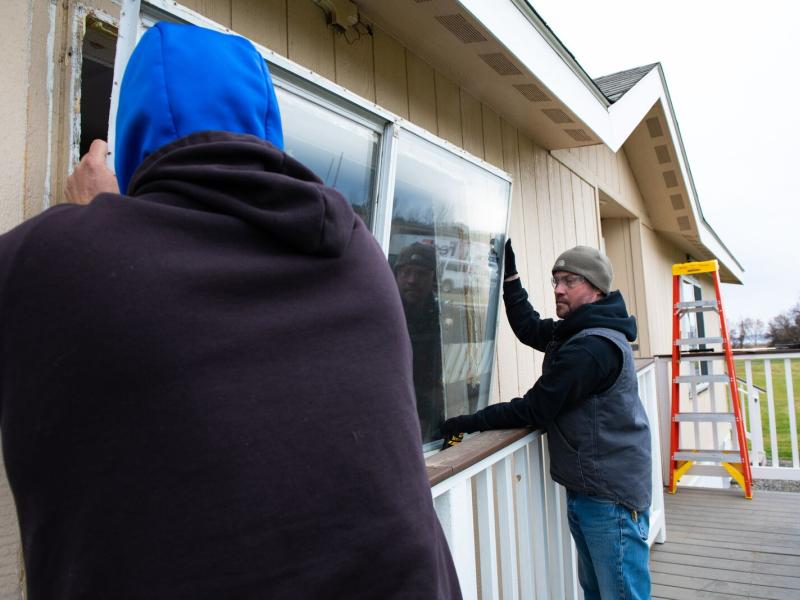
The PNNL-managed Building America Solution Center translates research into actionable considerations for homeowners and builders to provide two solutions in one: increasing energy efficiency while also enhancing disaster resistance.
A PNNL team’s analysis of new-housing data concludes that single-family homes in lower-income counties are less energy-code-compliant than in higher-income counties, a finding that could shape strategies for enhanced code adoption.
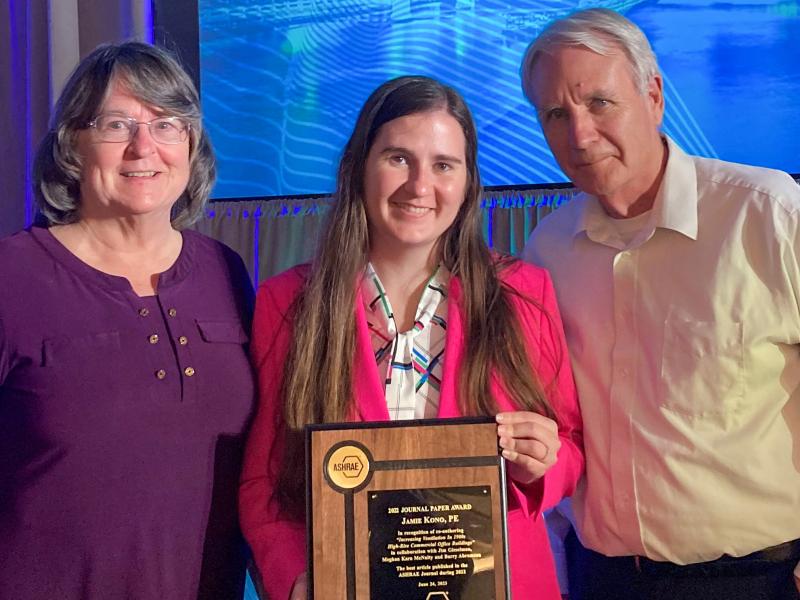
The American Society of Heating, Refrigerating and Air-Conditioning Engineers has given its 2022 Journal Paper Award to Jamie Kono, a PNNL building research engineer.
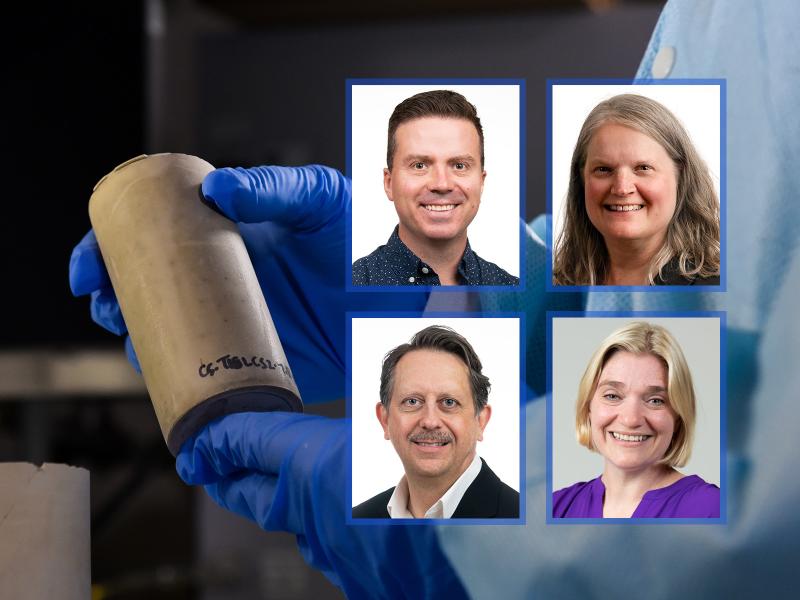
Team brought experience in nuclear waste forms and regulatory policies to the Federally Funded Research and Development Center’s report, which was reviewed by a National Academies’ committee.
Ann Lesperance has been invited to continue her role on the Domestic Preparedness advisory board, which convenes multidisciplinary subject matter experts to support the Domestic Preparedness Journal's editorial plan.
In new work, PNNL researchers find that 10 gigatons of carbon dioxide may need to be pulled from Earth's atmosphere and oceans annually to limit global warming to 1.5 degrees. A diverse suite of carbon dioxide removal methods will be key.
Report for the Oregon Public Utility Commission highlights innovations and best practices for resilience and utility planning could be helpful to other states as well.
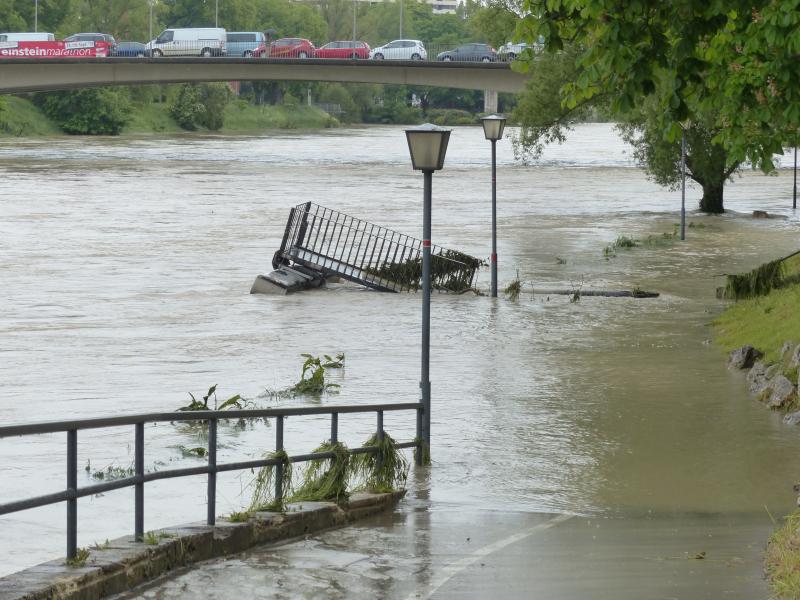
Extreme winter storms are growing wetter and changing shape in the Western United States—such changes could compromise infrastructure designed to withstand only so much water.
Staff at PNNL recently completed a report highlighting commercial products enabled through projects funded by the Department of Energy’s Building Technologies Office.
The Simple Building Calculator, developed at PNNL, meets a need for a quick, interactive, and economic method to evaluate energy use—and potential savings from efficiency measures—in simple commercial buildings.
The world's current climate pledges won't limit global warming to 1.5 °C. We will overshoot. A new study shows that more ambitious climate pledges could minimize the overshoot.