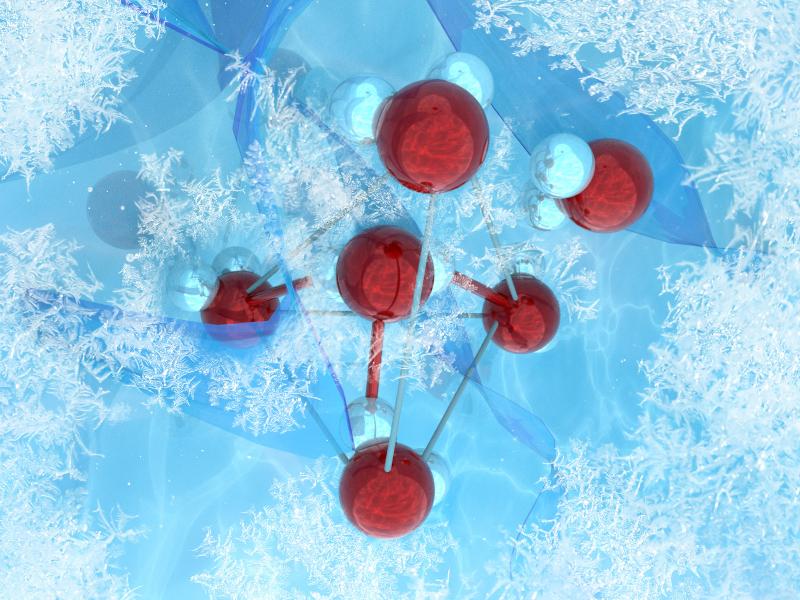
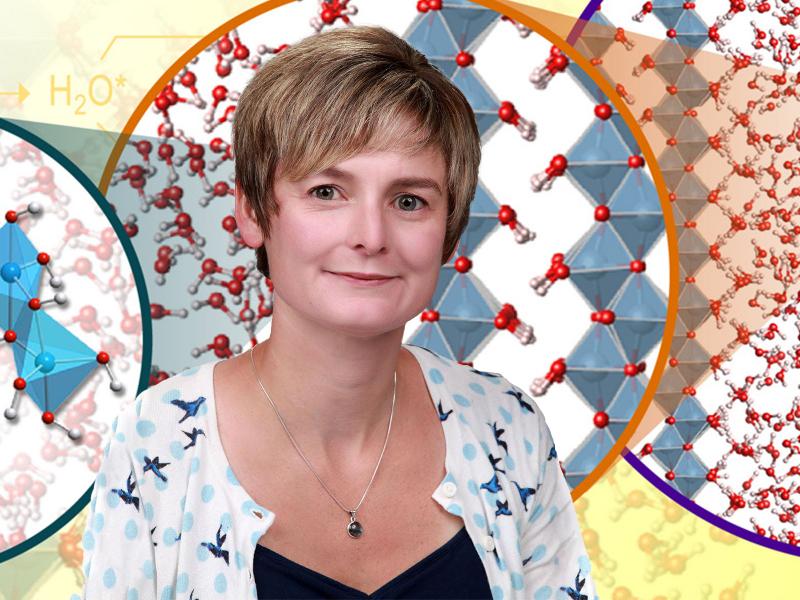
New study elucidates the complex relaxation kinetics of supercooled water using a pulsed laser heating technique at previously inaccessible temperatures.
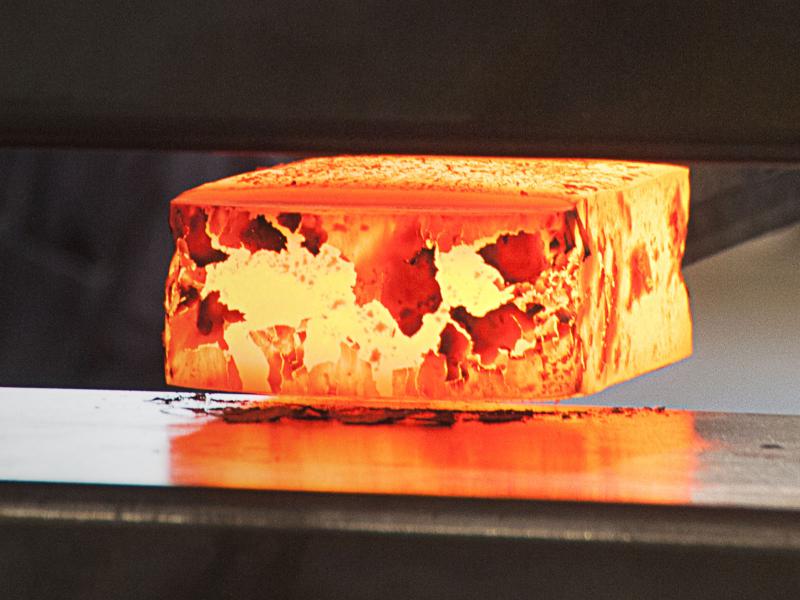
Machine learning techniques are accelerating the development of stronger alloys for power plants, which will yield efficiency, cost, and decarbonization benefits.
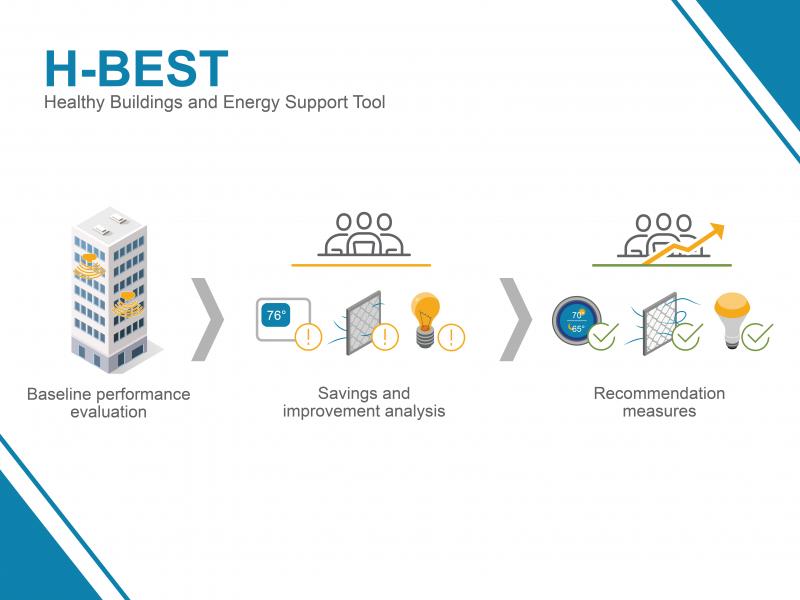
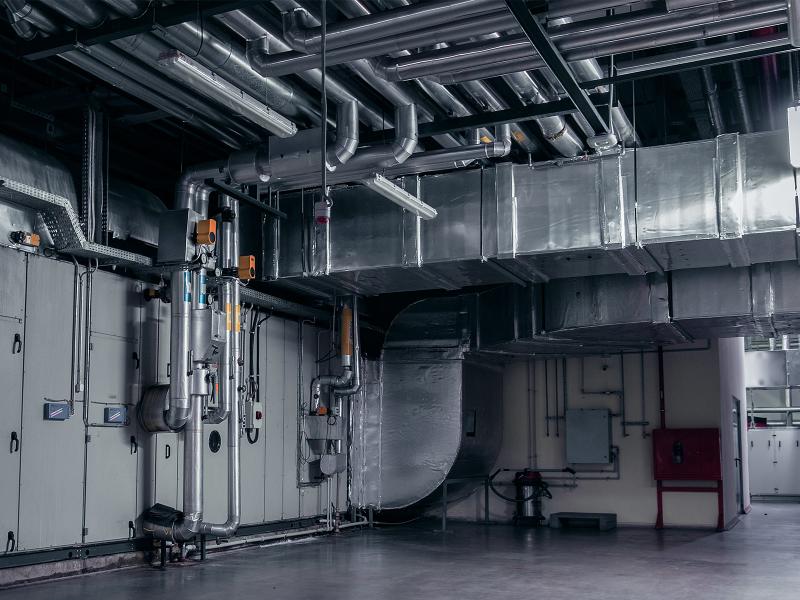
The first customized resource of its kind, H-BEST analyzes the indoor environmental quality profile for buildings and helps its users identify the costs and benefits of improvements.
PNNL’s Supriya Goel has been named by Consulting-Specifying Engineer as one of 2021’s 40 outstanding nonresidential building industry professionals age 40 or younger.
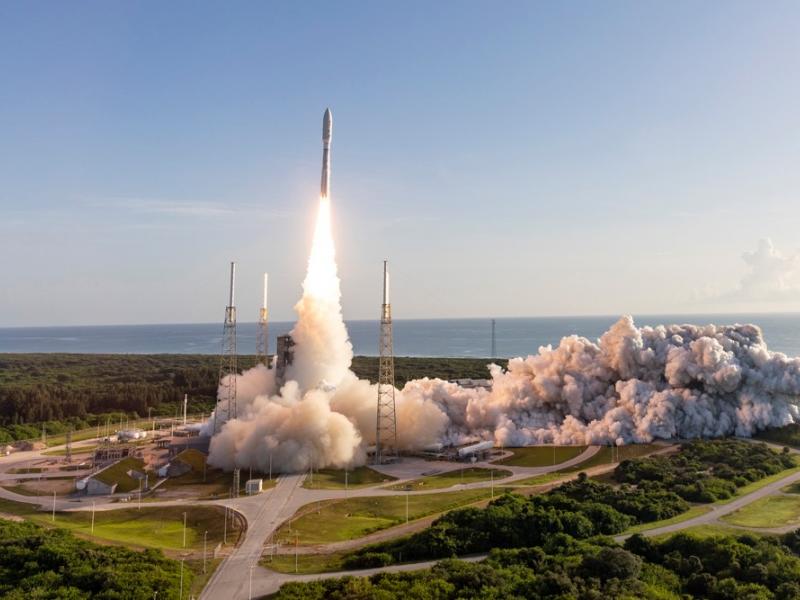
Risk analysis on the plutonium-fueled power system that supplies electricity to the Mars rover answered the “what if” nuclear safety questions for NASA.
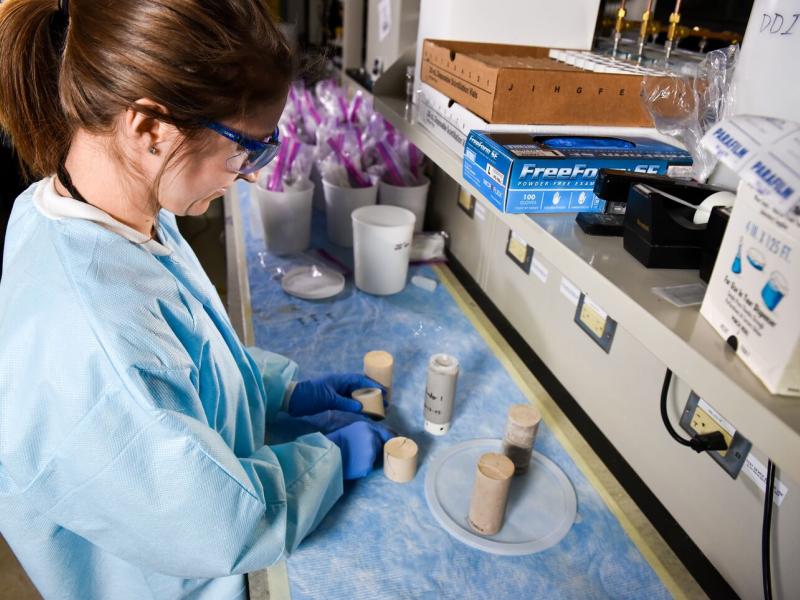
Three unused, 48,000-pound stainless steel canisters arrived at PNNL, bringing the chance to deepen research in spent nuclear fuel storage and transportation.
PNNL provided expert analysis and technical background for some of the most ambitious building energy efficiency codes proposed for this year's International Energy Conservation Code updates.
PNNL radiochemist and research manager Patricia Paviet named National Technical Director for the Molten Salt Reactor (MSR) Program by the U.S. Department of Energy’s Office of Nuclear Energy.
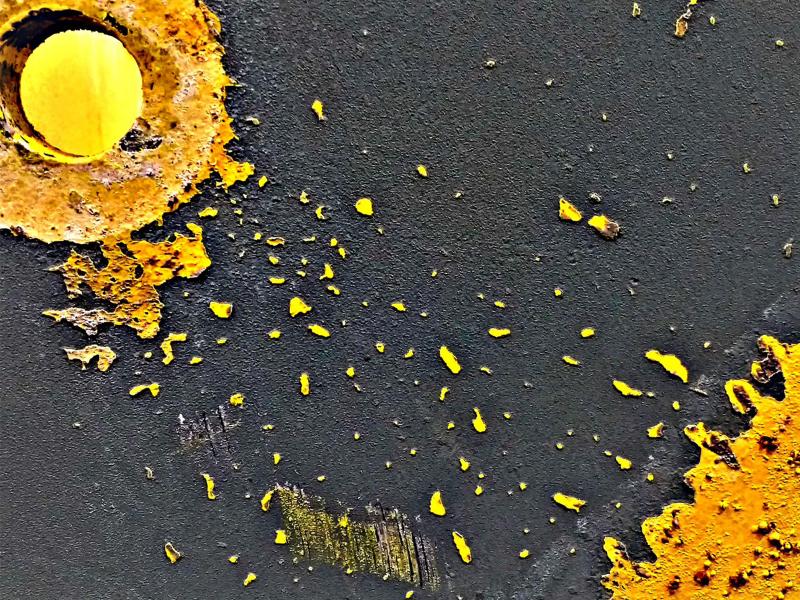
Magazine cover article—“Combating corrosion in the world’s nuclear reactors”—features PNNL research leaders Mark Nutt, Aaron Diaz, and Mychailo Toloczko.
PNNL’s Steven Spurgeon, a materials scientist, was recently elected leader of the Microscopy Society of America (MSA) aberration-corrected microscopy focused interest group.