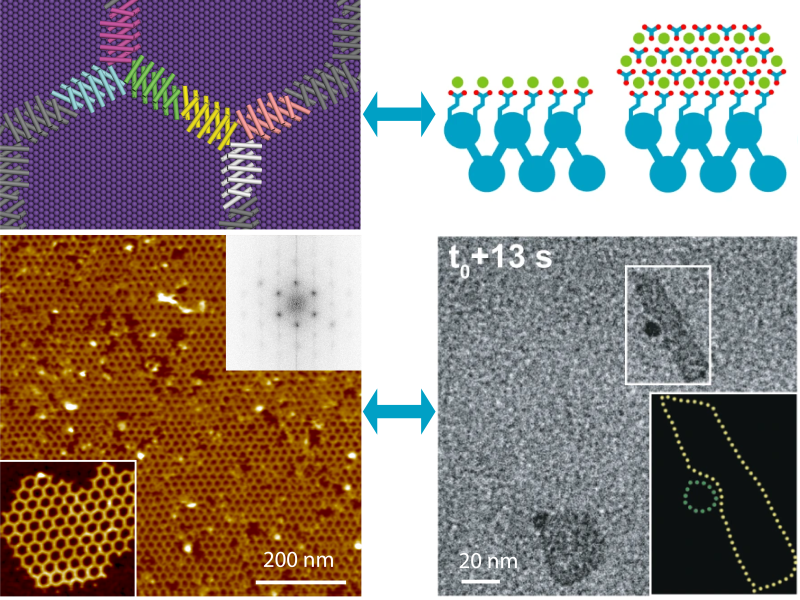
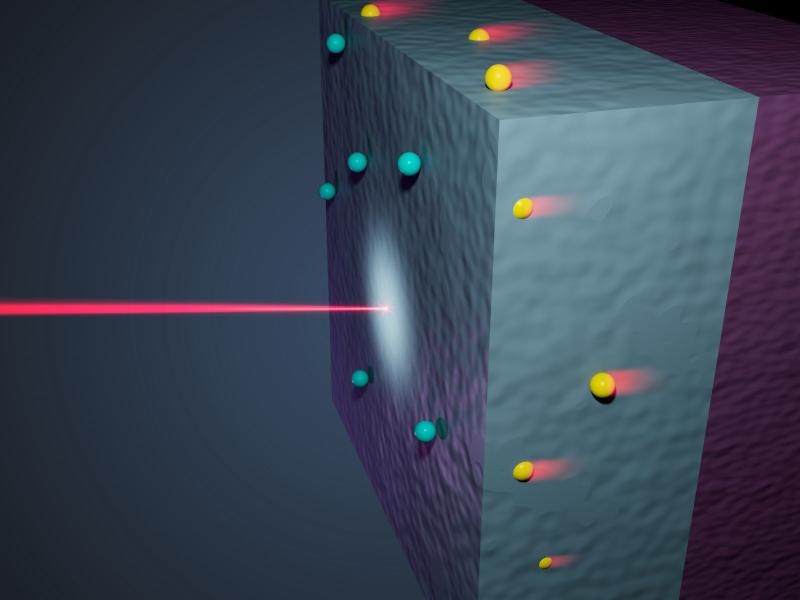
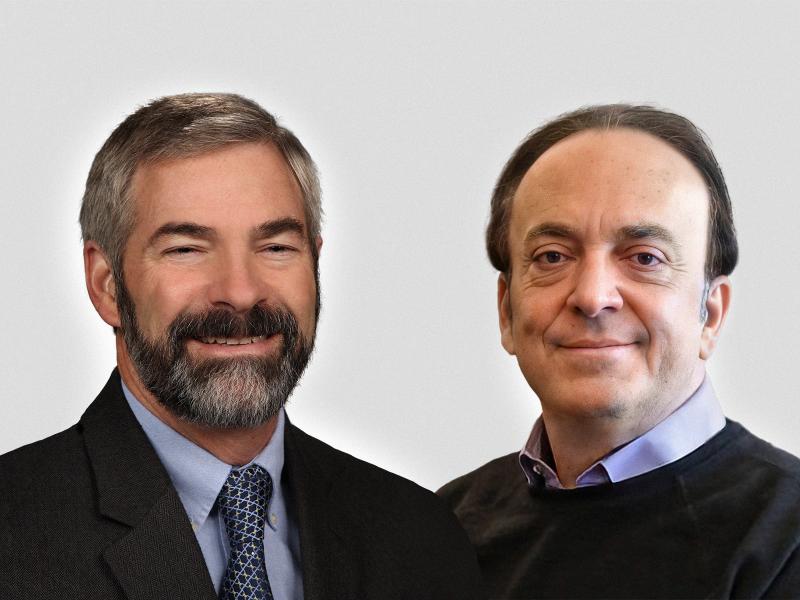
Summarizing the state of designed protein hybrid materials, researchers celebrate both the 50th anniversary of the MRS Bulletin and the 2025 Fred Kavli Distinguished Lecturers in Materials Science, Jim De Yoreo and David Baker.
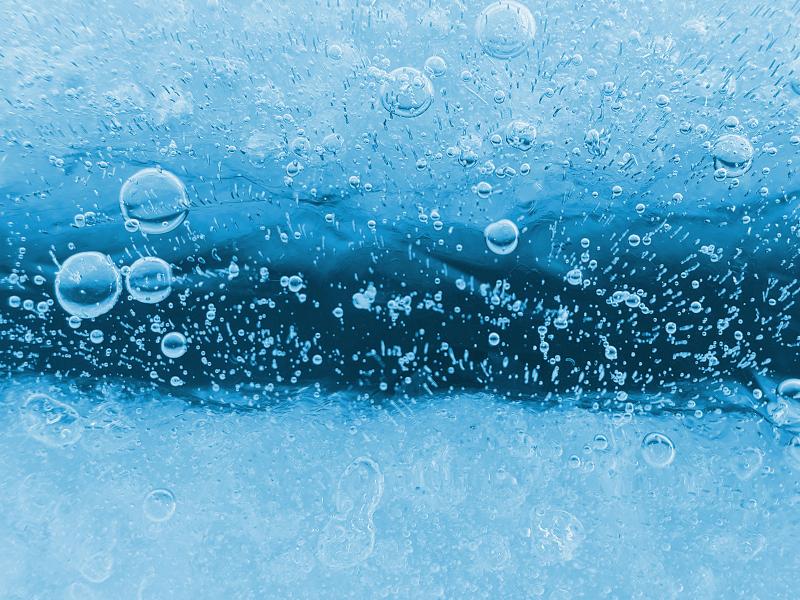
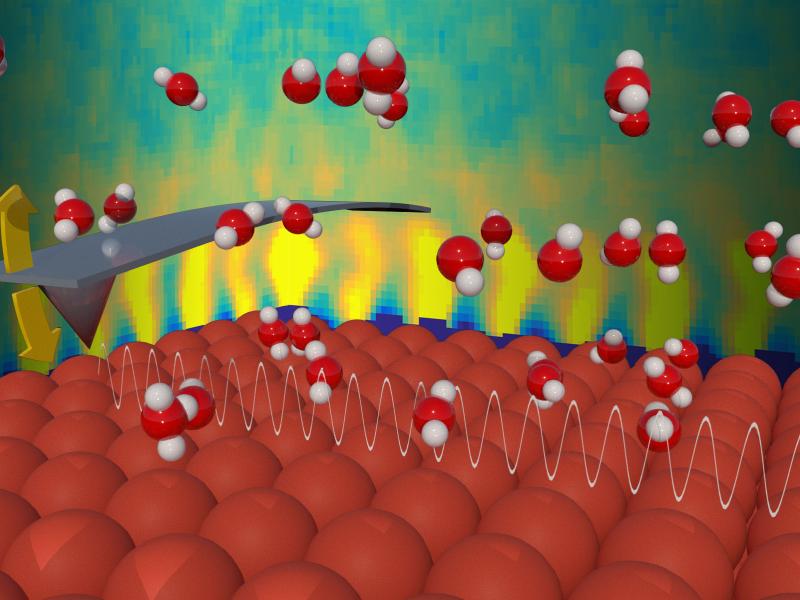
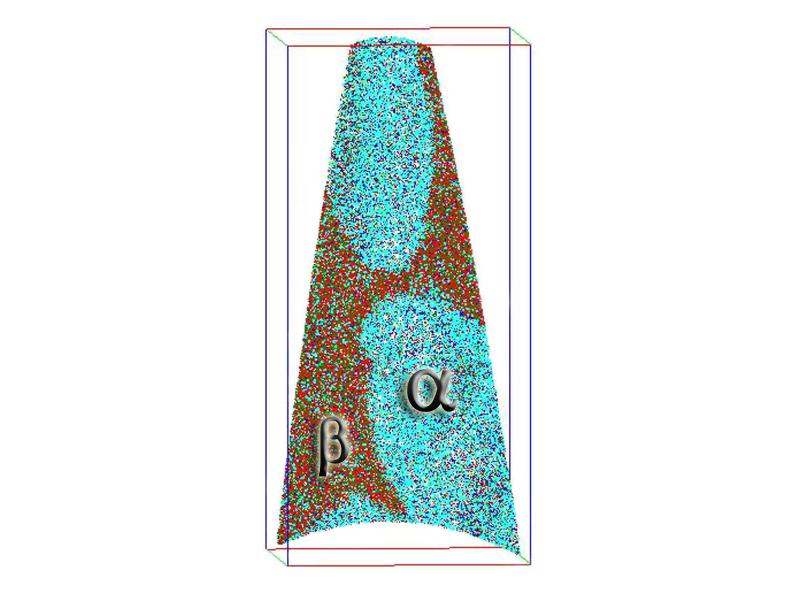
Ice crystals are surprisingly tolerant of defects in their structure. The findings come from the first-ever molecular-resolution observations of nanoscale samples of ice frozen from liquid water.
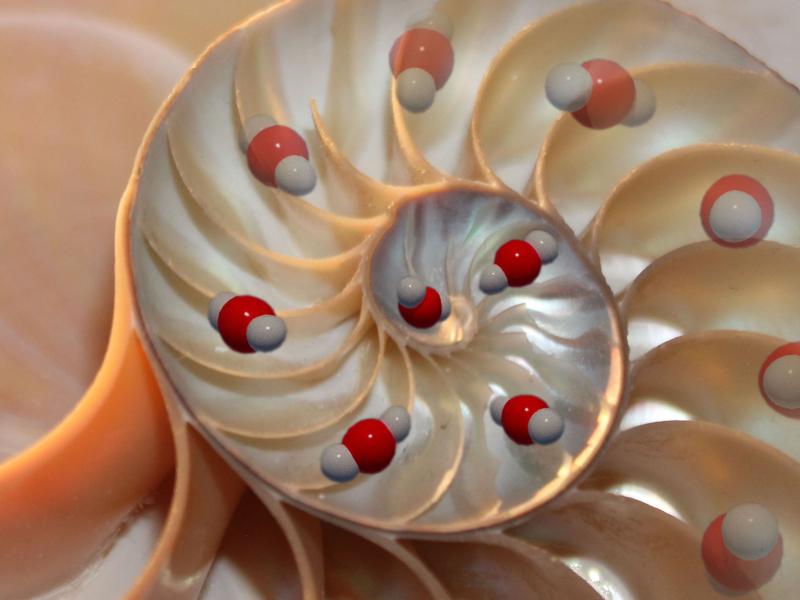
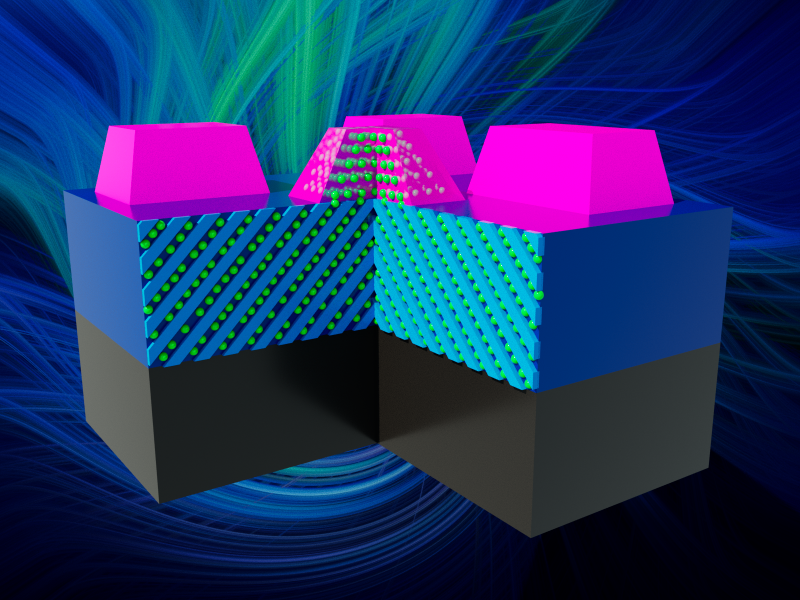
Ultra-thin layers of silk deposited on graphene in perfect alignment represent a key advance for the control needed in microelectronics and advanced neural network development.
The convergence of artificial intelligence, cloud, and high-performance computing to accelerate scientific discovery is the focus of a multi-year collaboration between Microsoft and PNNL.
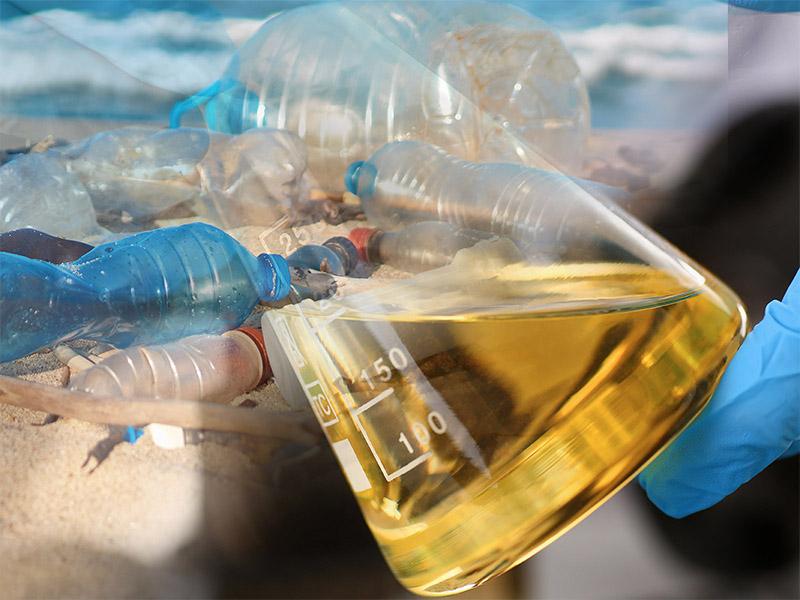
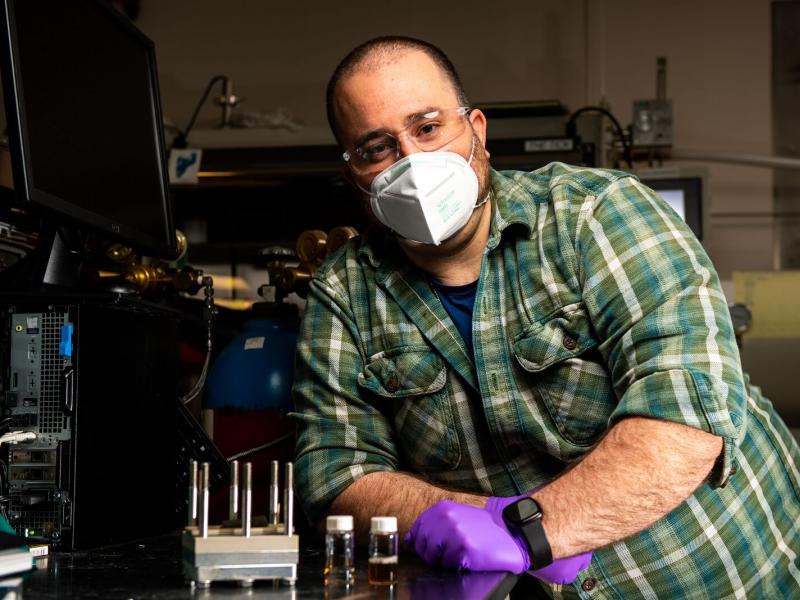
Plastic upcycling efficiently converts plastics to valuable commodity chemicals while using less of the precious metal ruthenium. The method could recycle waste plastic pollution into useful products, helping keep it out of landfills.
An innovative artificial enzyme has shown it can chew through woody lignin, an abundant carbon-based substance that stores tremendous potential for renewable energy and materials.
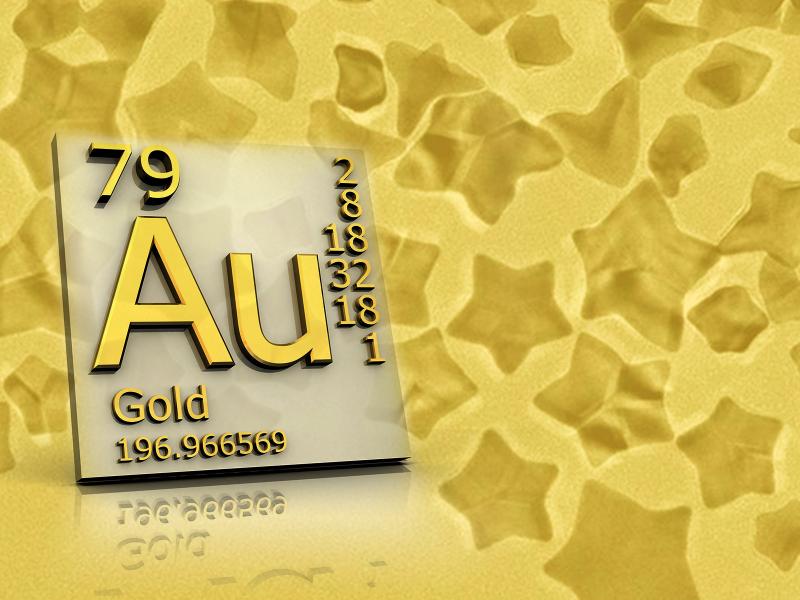
A bioinspired molecule can direct gold atoms to form perfect five-pointed nanoscale stars. The feat is the product of a collaborative team from PNNL and the University of Washington.