Latest Stories

367 results found
Filters applied: Future Computing Technologies, Energy Storage
JULY 14, 2020
Feature

Turning the Tides

Their consistency and predictability makes tidal energy attractive, not only as a source of electricity but, potentially, as a mechanism to provide reliability and resilience to regional or local power grids.
JULY 9, 2020
Feature

Building a Better Battery—Faster

Researchers at PNNL have developed a software tool that helps universities, small business, and corporate developers to design better batteries with new materials that hold more energy.
APRIL 28, 2020
News Release

A Leap in Using Silicon for Battery Anodes

Researchers at PNNL have come up with a novel way to use silicon as an energy storage ingredient, replacing the graphite in electrodes. Silicon can hold 10 times the electrical charge per gram, but it comes with problems of its own.
APRIL 28, 2020
Feature

The Quantum Gate Hack

PNNL quantum algorithm theorist and developer Nathan Wiebe is applying ideas from data science and gaming hacks to quantum computing
MARCH 16, 2020
Feature

Carving Out Quantum Space

The race toward the first practical quantum computer is in full stride. Scientists at PNNL are bridging the gap between today’s fastest computers and tomorrow’s even faster quantum computers.
DECEMBER 20, 2019
Staff Accomplishment

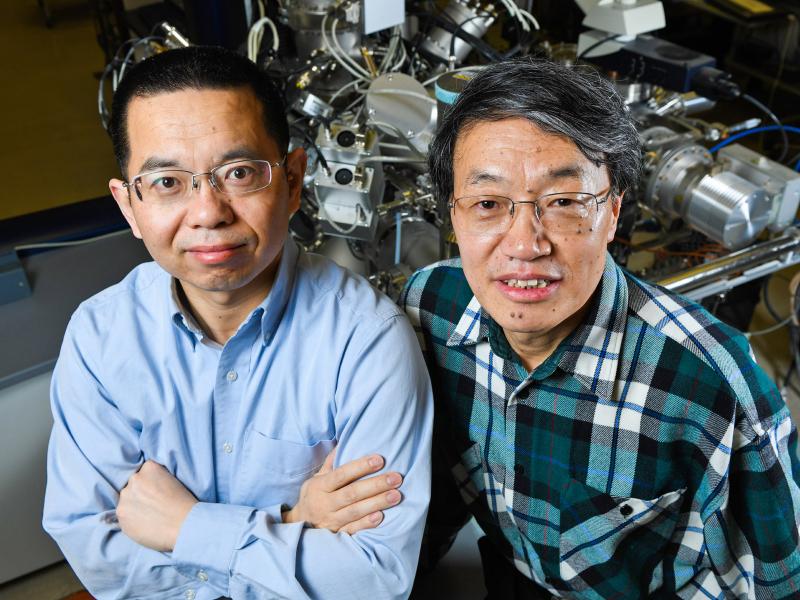
Two PNNL Researchers Named IEEE Fellows

Sonja Glavaski and Kevin Schneider, both electrical engineers at PNNL, have been named as IEEE fellows. IEEE is the world's largest technical professional organization dedicated to advancing technology for the benefit of humanity.
DECEMBER 9, 2019
Staff Accomplishment

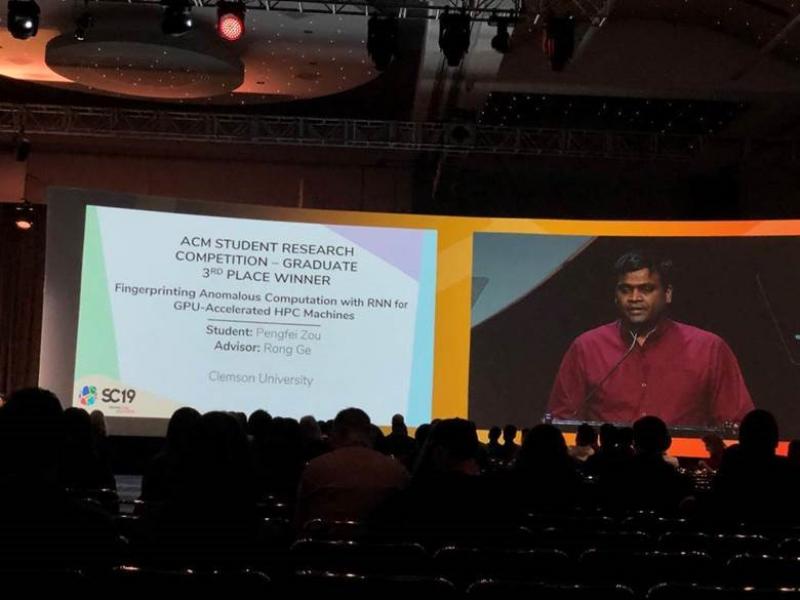
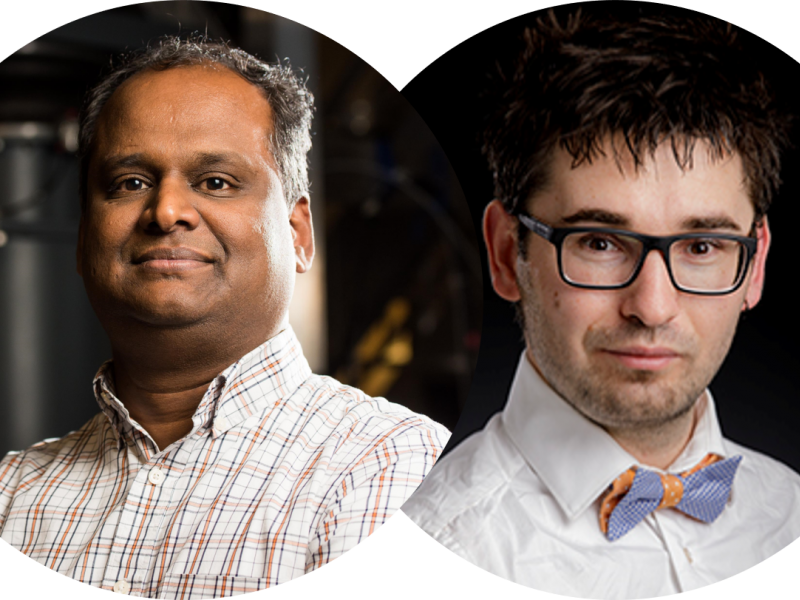
Computing Security Research Award

A student computing security research project guided by PCSD computer scientists Ang Li and Kevin Barker placed third among dozens of entries in the student research poster session at SC19, a premier annual conference for high-performance c
NOVEMBER 26, 2019
Feature

Conquering Peak Power

PNNL’s Intelligent Load Control technology manages and adjusts electricity use in buildings when there’s peak demand on the power grid.
NOVEMBER 12, 2019
Staff Accomplishment

Driving Machine Learning to Exascale

Through her role in the Department of Energy’s Advanced Scientific Computing Research-supported ExaLearn project, Jenna Pope is developing deep learning approaches for finding optimal water cluster structures for a variety of applications.