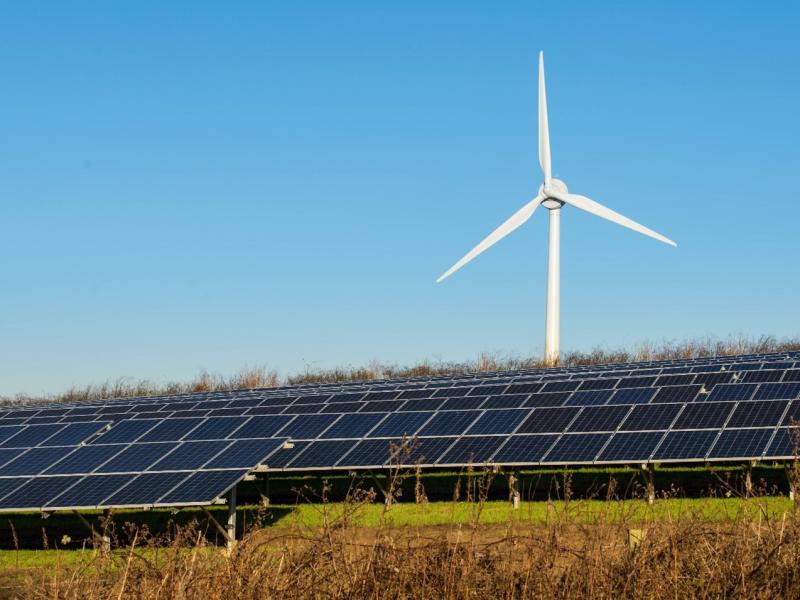
The world's current climate pledges won't limit global warming to 1.5 °C. We will overshoot. A new study shows that more ambitious climate pledges could minimize the overshoot.
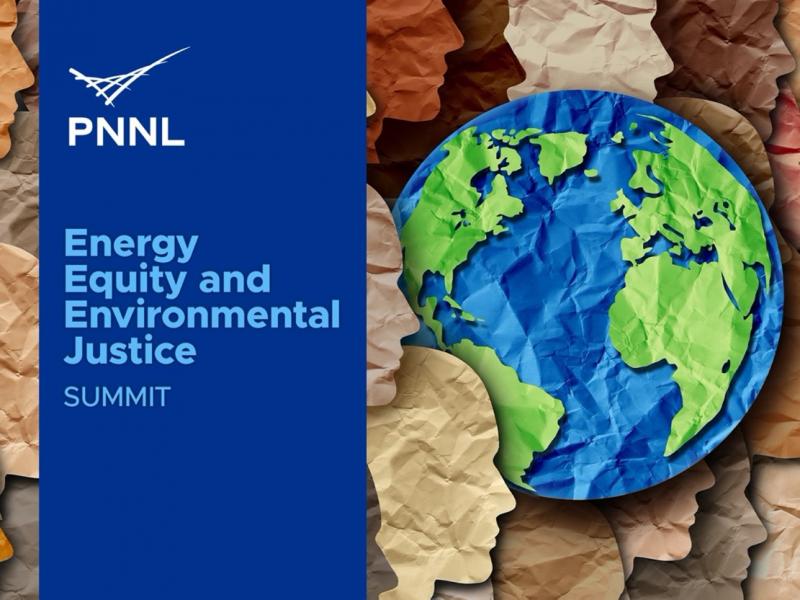
PNNL gathered researchers from eight national laboratories plus the U.S. Department of Energy (DOE) to share ideas and build synergy at the Energy Equity and Environmental Justice Summit.
PNNL’s fall Pathways to Excellence award ceremony celebrated nearly 50 staff for their contributions across science, engineering, operations, and STEM education.
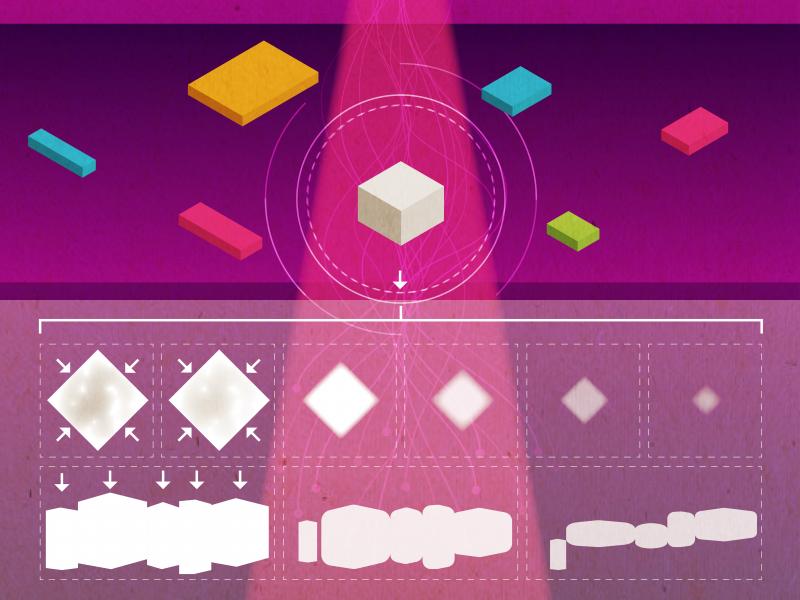
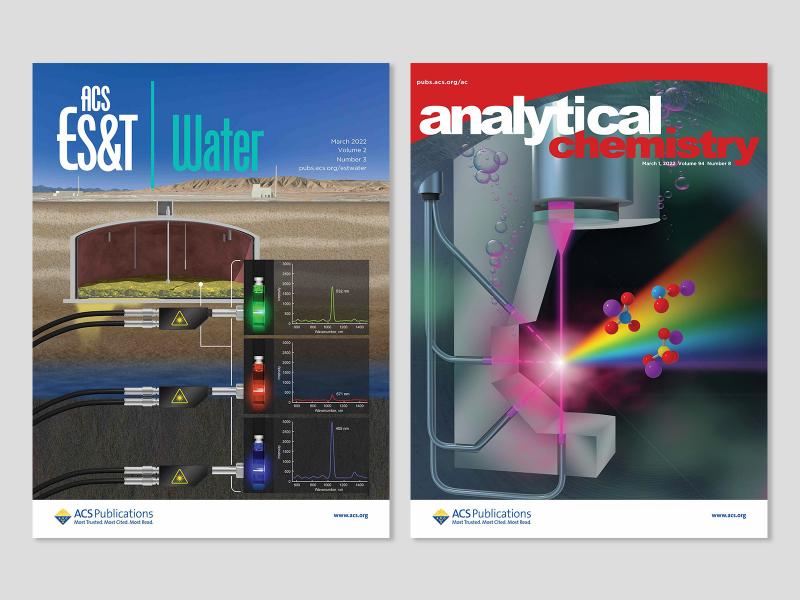
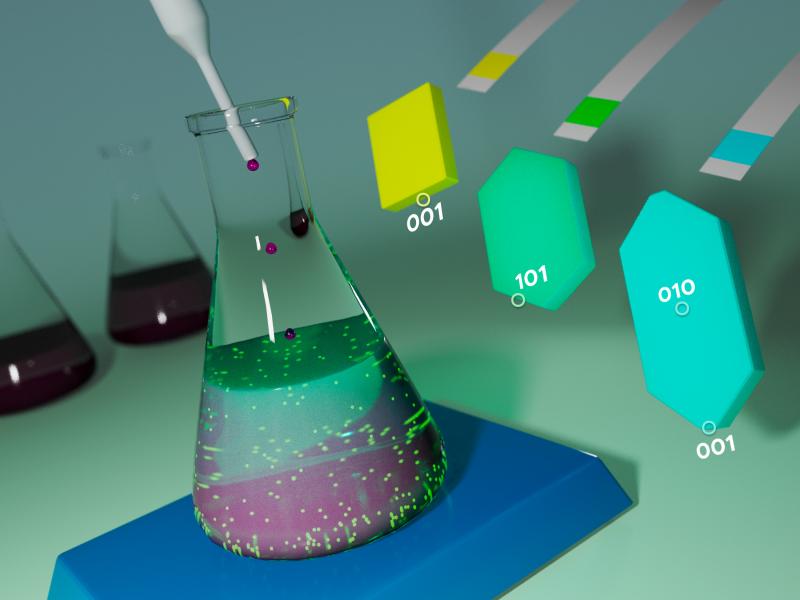
PNNL research, featured on the cover of two science journals, describes advancements in using Raman spectrometry for Hanford Site nuclear waste remediation.
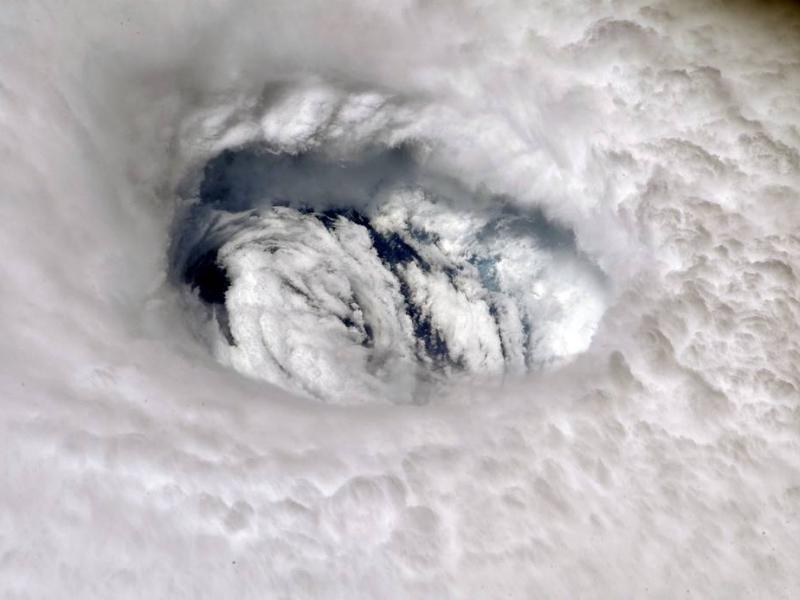
Scientists at PNNL are working to better prepare authorities, emergency responders, communities and the grid in the face of increasingly extreme hurricanes.
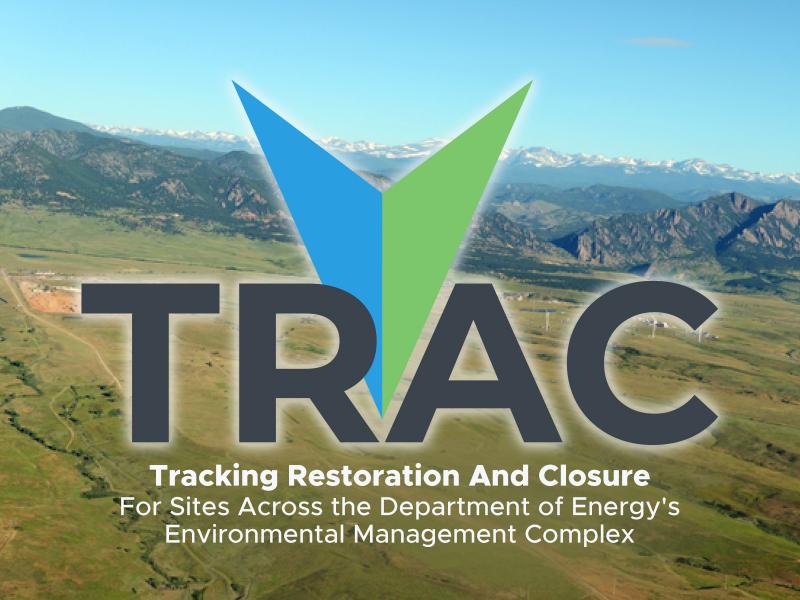
A new web-based tool provides easy-to-understand progress metrics and other data about groundwater cleanup sites overseen by the DOE Office of Environmental Management.
Hydrologist Fernando Miralles-Wilhelm will lead the Joint Global Change Research Institute as its director, looking to the future of integrated assessments.
Better representing electric capacity markets, economic retirements, and power-plant age structure provides a more robust understanding of the future evolution of the electric sector.
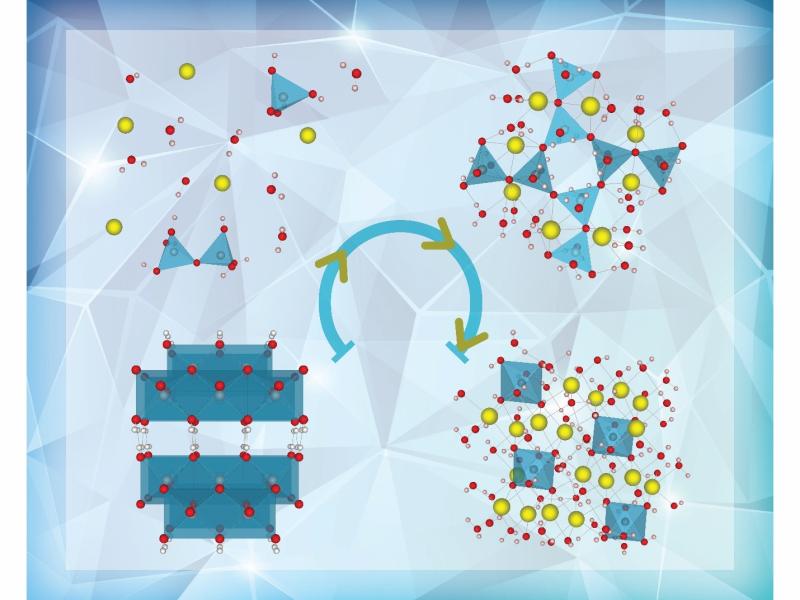
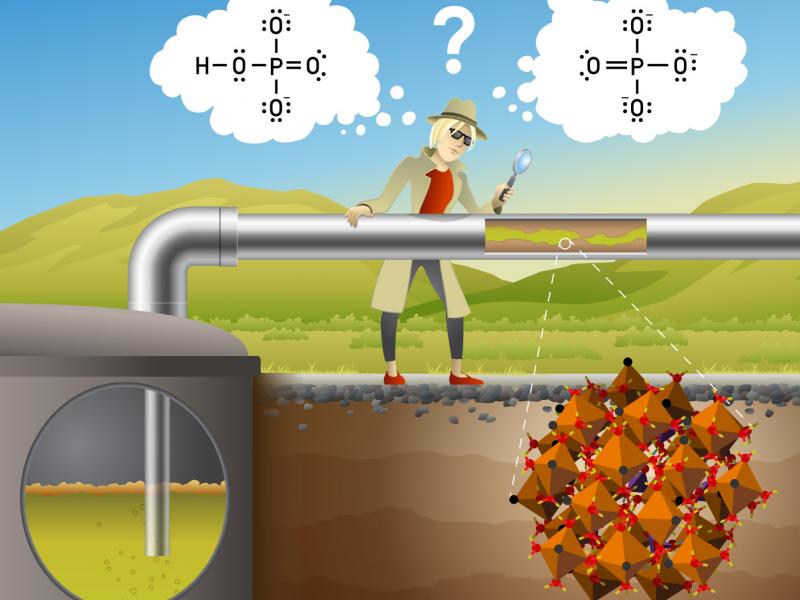
Developing a new understanding of the structure of natrophosphate, a complex mineral found in radioactive tank waste at the Hanford Site, by integrating experimental techniques.
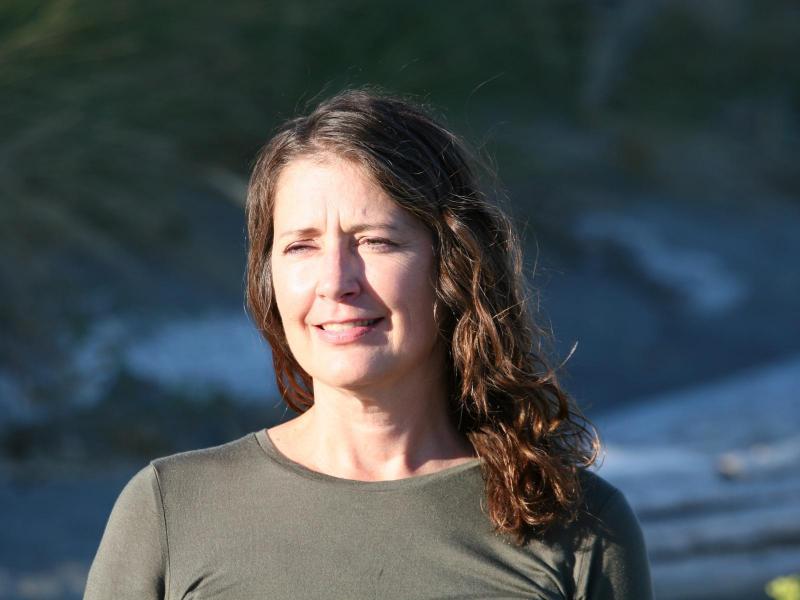
Diefenderfer, Earth scientist who focuses on coastal ecosystems at PNNL, recently published “Ten Years of Gulf Coast Ecosystem Restoration Projects Since the Deepwater Horizon Oil Spill,” a cover article.
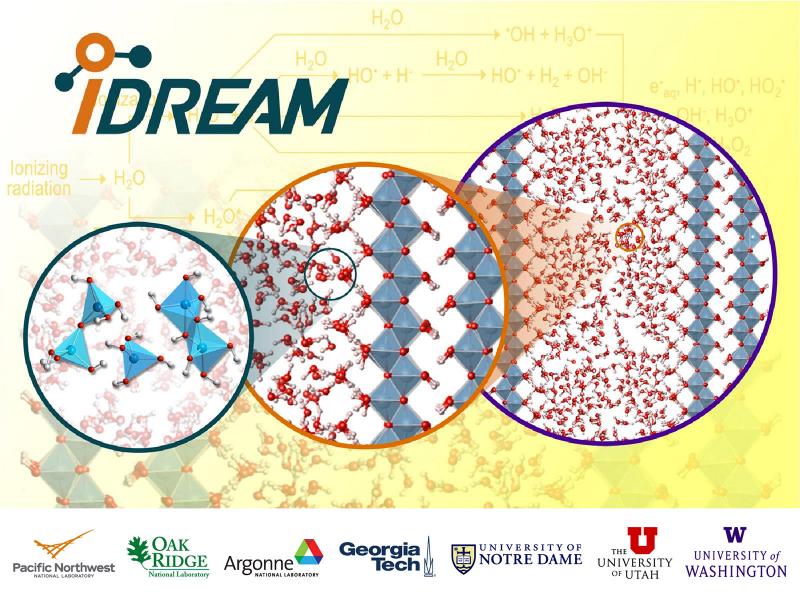
The PNNL-led research partnership focused on the chemistry of nuclear waste also announced new leadership roles for representatives of Oak Ridge National Laboratory, Colorado State University, and the University of Washington.
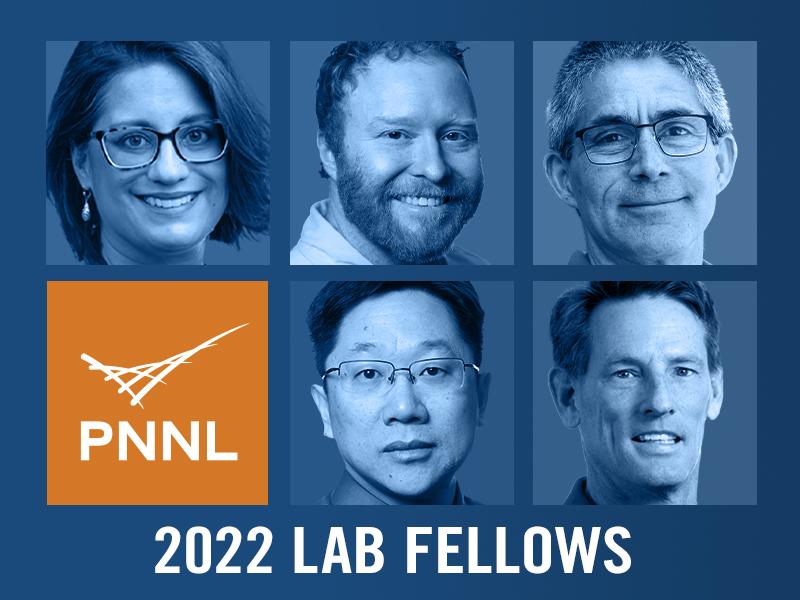
Read interviews with the new Laboratory fellows to learn about their contributions to their field, what drives them, and how their research is making the nation safer, greener, and more resilient.