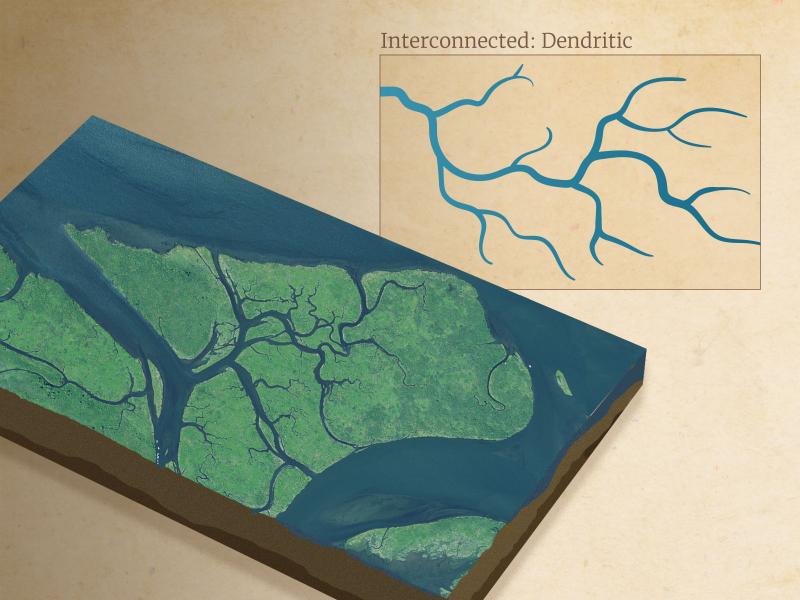
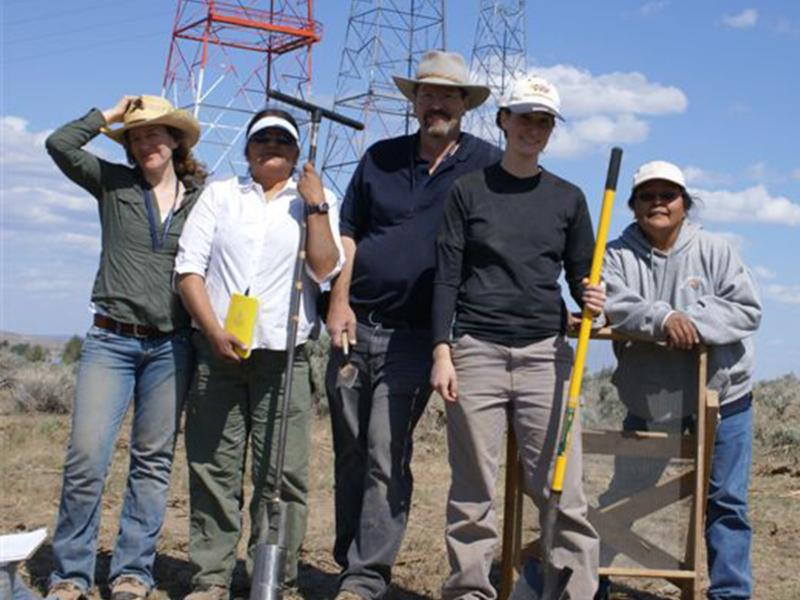
Principles derived from coastal wetlands to describe wetland channel cross-sections were applicable to the Columbia River estuary, but not the tidal river.
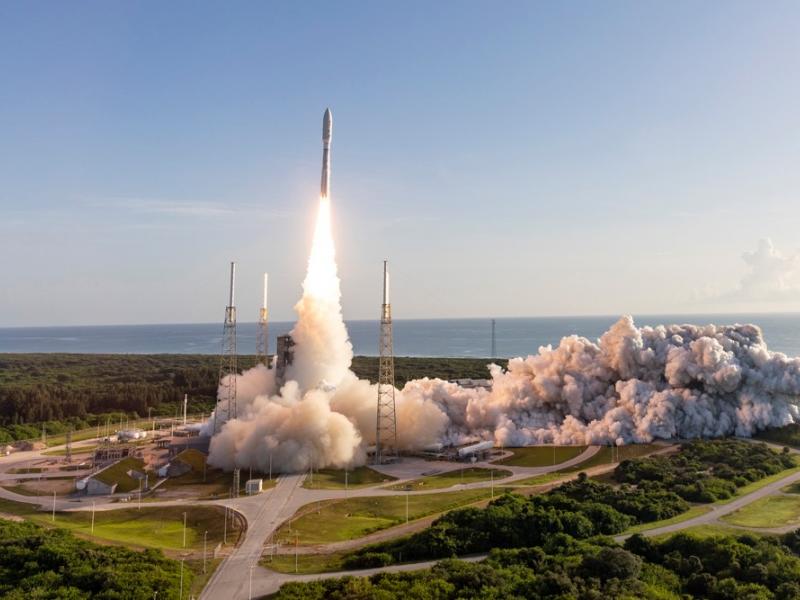
Risk analysis on the plutonium-fueled power system that supplies electricity to the Mars rover answered the “what if” nuclear safety questions for NASA.
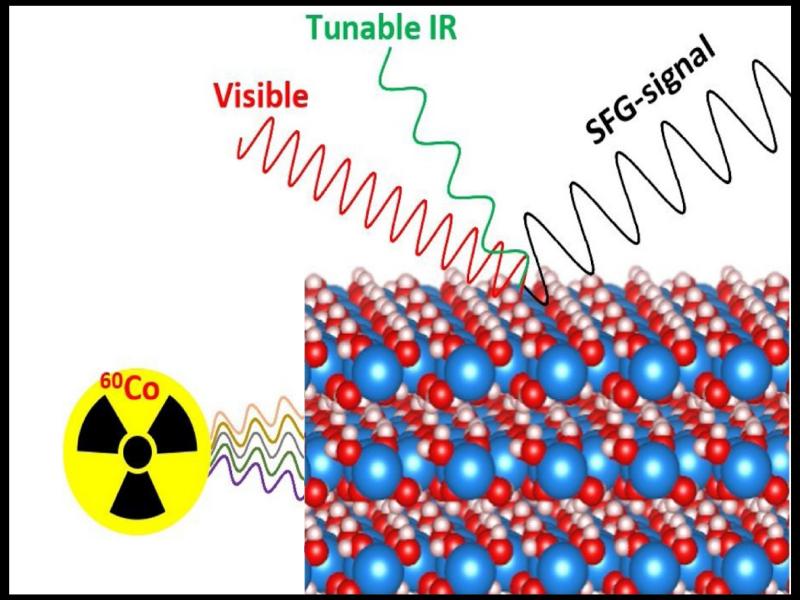
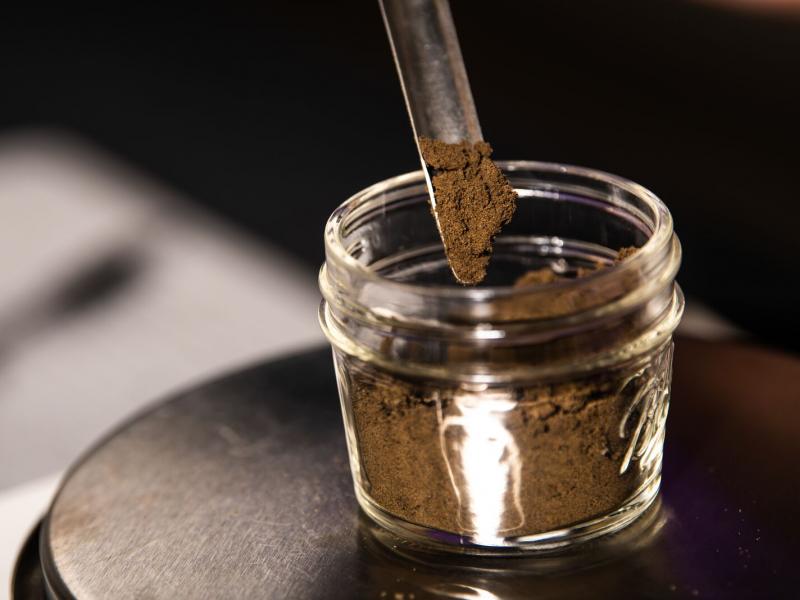
Researchers gained insight into the interfacial radiation chemistry of radioactive waste sludge through studies of surface functional groups on model aluminum-containing solids
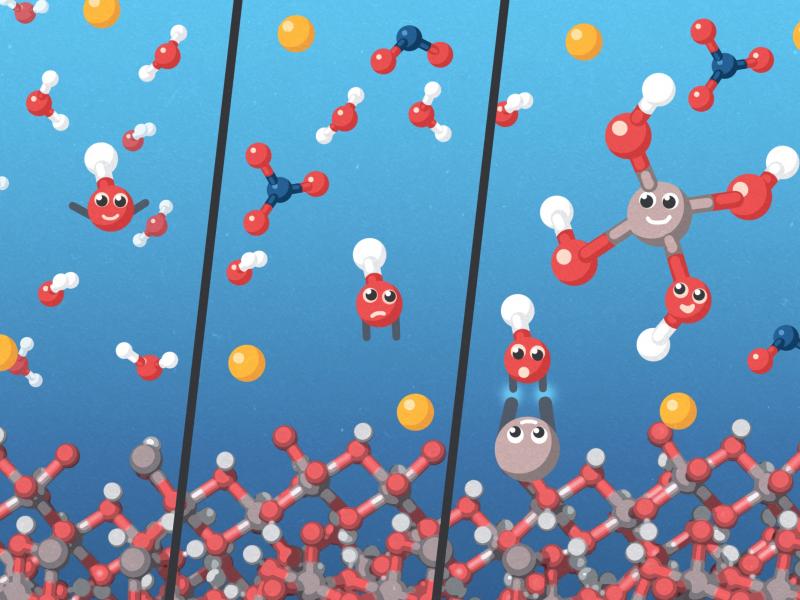
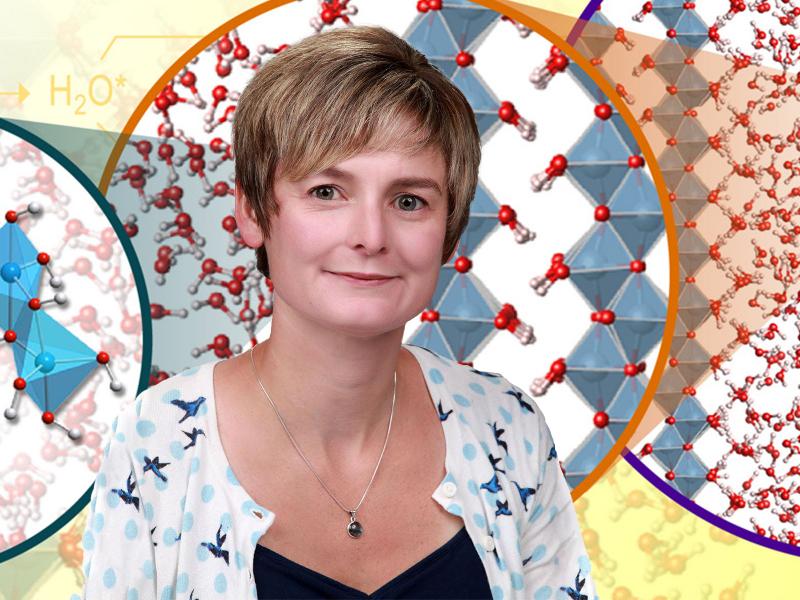
IDREAM researchers have discovered the chemical processes that underpin gibbsite solubility in sodium hydroxide, including sodium nitrate and sodium nitrite interactions.
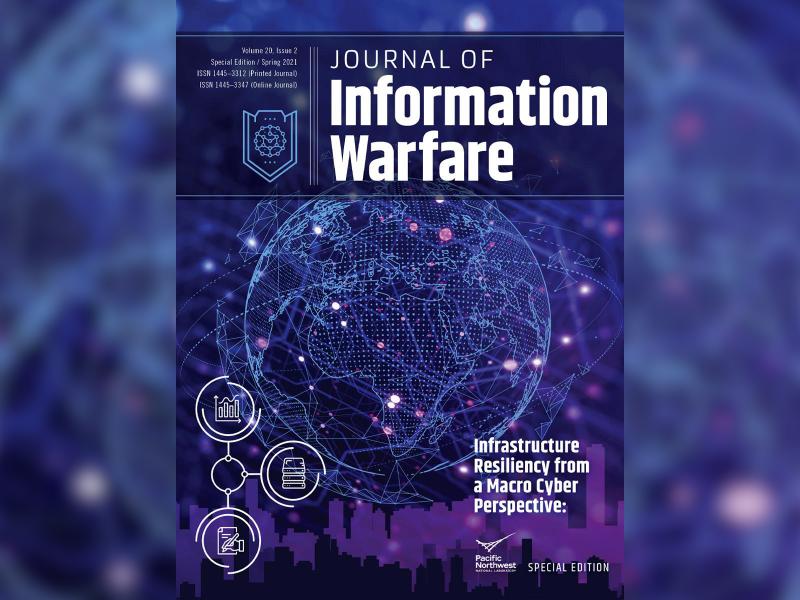
For the second straight year, PNNL researchers are featured in a special edition of the Journal of Information Warfare. This issue explores the topic of macro cyber resiliency.
One year ago, Verizon announced a partnership that made PNNL the U.S. Department of Energy’s first national laboratory with Verizon 5G ultra-wideband wireless technology.
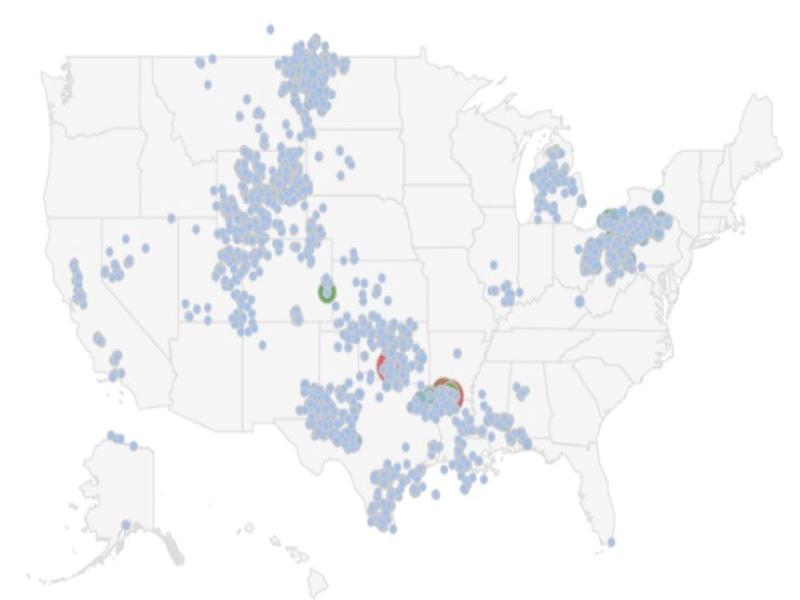
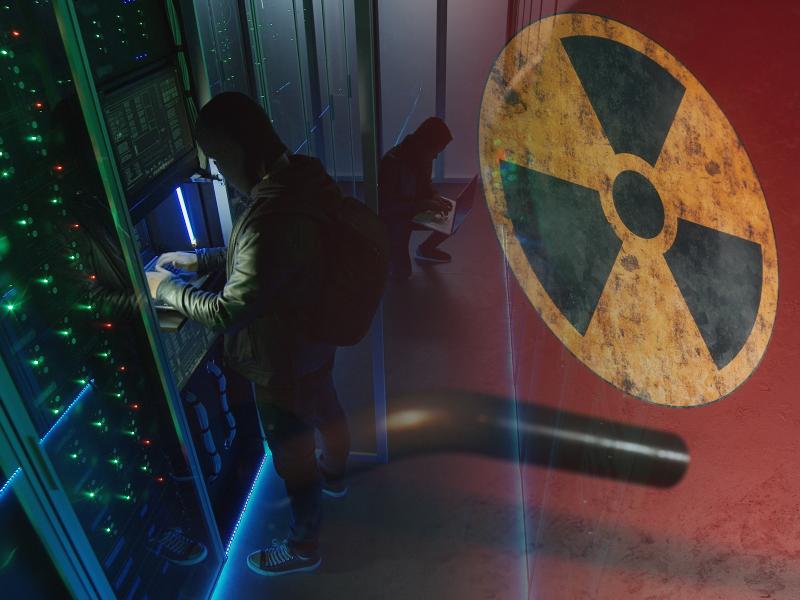
Sentry-SECURE is a new communication and response platform developed by PNNL, VPI, and Microsoft Azure that rapidly and securely transfers radiological alarm data through the cloud.
PNNL is piloting a novel web-based resilience planning tool for managing risk to mission-critical infrastructure from disruptions in energy and water services.
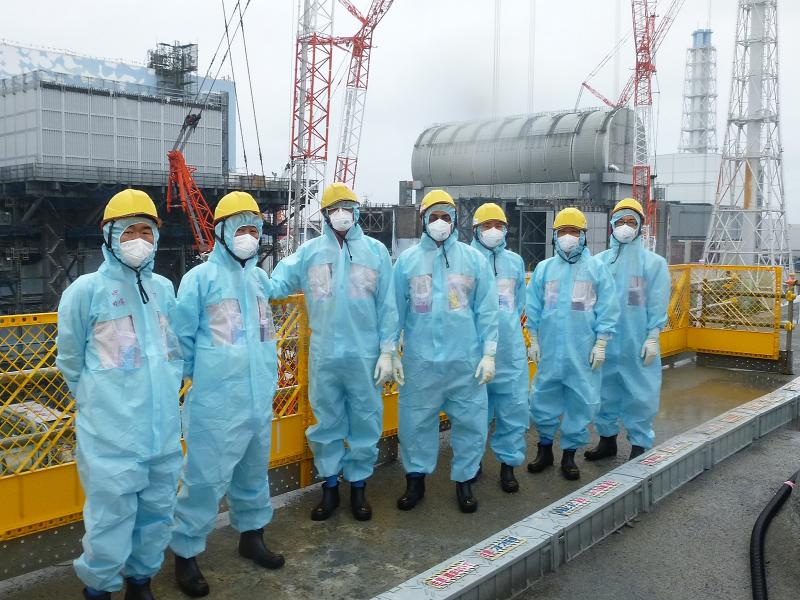
On the looming 10th anniversary of the Fukushima disaster at the Daiichi Power Station in Japan, PNNL looks back at the science and solidarity it has shared with Fukushima and its nuclear cleanup effort.